
Pool Remodeling in Temple City
Pool remodeling in Temple City typically starts with the same set of problems: plaster that has gone rough, waterline tile coated in scale, aging equipment running harder than it should, and deck concrete that has cracked and shifted over time. That picture makes sense given the city’s history. Temple City grew out of a 1923 townsite and filled in steadily through the mid-century, so pools throughout neighborhoods along Las Tunas Drive, Live Oak Avenue, and Rosemead Boulevard are often on their second or third finish and still running equipment from that same era. Horizon coordinates the full scope of work under one contract, covering resurfacing, tile and coping, decking, equipment replacement, and the safety upgrades a permitted remodel through the City of Temple City typically requires.
Services We Offer

Our Pool Remodeling Process in Temple City
What Pool Remodeling in Temple City Actually Involves
Pool remodeling in Temple City begins with a full walk-through of the pool shell, deck, equipment pad and surrounding yard so we can see what is worn, what is failing and what you want to change. Many homes here were built through the mid-century era, and pools from that period often need shell repairs alongside updated plumbing and equipment. Because the City of Temple City issues its own building permits for work inside city limits, we prepare complete plans and energy compliance forms before anything is touched, then manage plan check responses so the permit moves forward without delays holding up your project.
Once the permit is in hand, we drain the pool and remove the old tile, coping and deck. Shell work, plumbing, equipment and electrical follow in sequence, with each specialty portion performed by appropriately licensed subcontractors we coordinate. Tile, coping and the new deck surface go in next, and the interior finish is applied last. We fill the pool, carry it through the manufacturer-specified start-up period and close with a final inspection that covers all required safety features before we walk you through operating the new equipment.
Read More →
Permits for pool remodeling in Temple City are issued by the City of Temple City, which handles all building permits for work inside city limits. Because no unusual local overlay applies here, the governing factors are the California building code and the age of the structure itself. Most of Temple City’s housing stock dates to the mid-twentieth century, and a pool built during that era may have older shell construction, outdated drain hardware, or electrical bonding that no longer meets current code. We sort out what triggers a permit during the design stage, before any work is priced or scheduled. Adding a spa, altering the shape or depth, repairing the structural shell, installing a new heater, and running new gas or electrical lines are the typical triggers, but the building department makes that determination, not us.
Any permit for remodeling a pool or spa at a single-family home brings California’s Swimming Pool Safety Act into the scope. Under Health and Safety Code 115922, the pool must have at least two of seven listed drowning prevention features. Those features include an enclosure that isolates the pool from the house, removable mesh fencing with a self-closing and self-latching gate, an approved safety cover, exit alarms or self-closing self-latching devices on doors that open to the pool area, and a pool alarm. The inspector verifies compliance before issuing a final. Drain covers fall under the federal Virginia Graeme Baker Act, which requires that all drain covers sold in the United States meet the anti-entrapment standard. We replace non-compliant covers as part of the standard scope.
Energy rules apply to equipment. Replacement dedicated-purpose pool pump motors of 0.5 total horsepower or more manufactured on or after July 19, 2021 must be variable-speed under California Energy Commission Title 20 requirements. California’s 2025 energy code also restricts the heat source for newly installed pool and spa heating, though an exception exists for alterations to pools that already have a heating system in place. New equipment, lights, and any metal near the water must also satisfy the bonding and GFCI requirements in the California Electrical Code, so a licensed electrician inspects the existing bonding grid when the deck surface is removed.
Draining the pool is when the shell becomes fully visible. Surface crazing is common on older gunite and shotcrete pools and does not always require structural work, but genuine cracks in the shell or a failed bond beam beneath the coping get repaired before any new finish is applied. That repair goes into a written change order before the work proceeds. Temple City’s flat single-family lots, many of which were developed during the original 1923 townsite buildout and the mid-century expansion that followed, sometimes place pools close to the house or to side-yard fencing, which can affect staging and equipment placement. Where a homeowner’s association governs decking, fencing appearance, or equipment location, we coordinate that review on the same timeline as the city permit process.
Other Remodeling Services We Offer
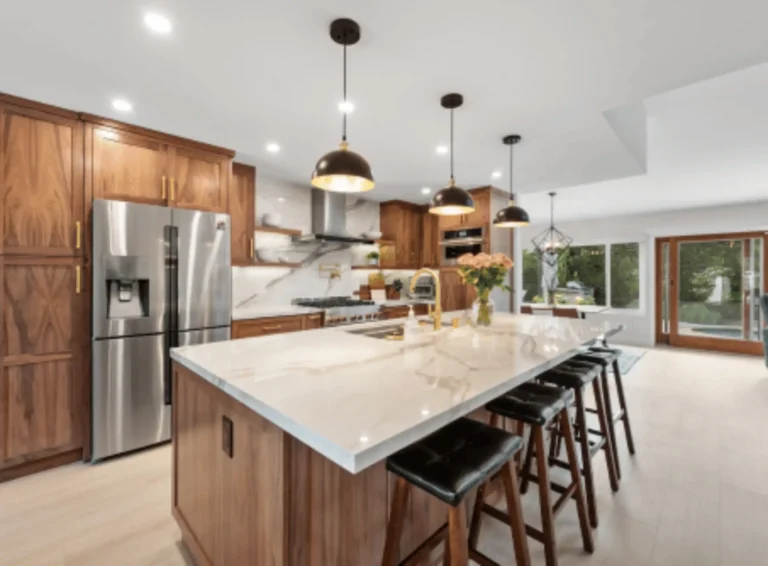
A kitchen remodel touches more trades than any other room in the house: layout, cabinetry, plumbing, electrical, ventilation and finishes. Horizon designs and builds kitchen remodels under one contract, from the measured layout to the final inspection.
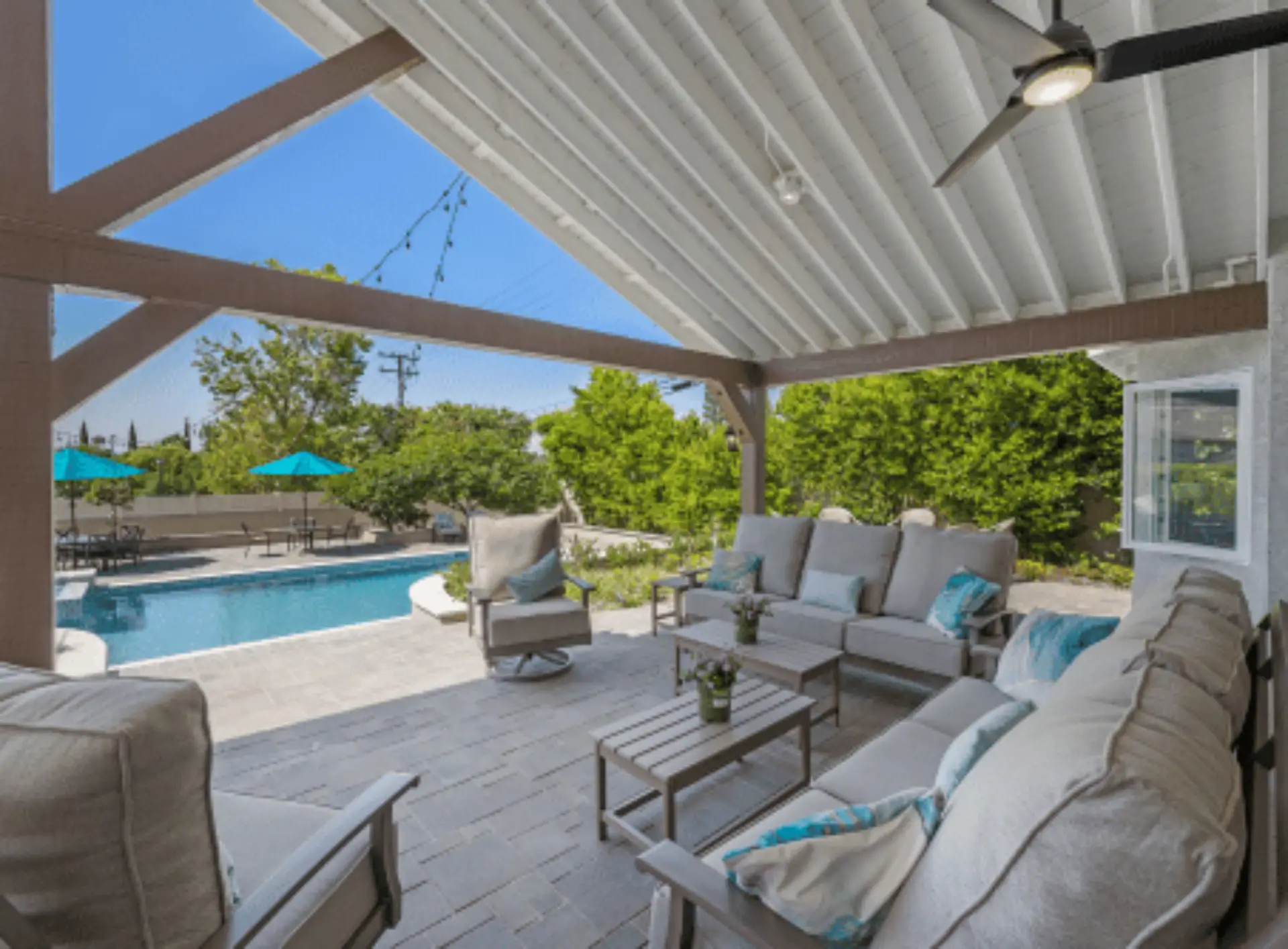
Whether you envision a classic Southern California pool or a fully customized backyard oasis, Horizon Construction & Remodeling delivers the highest level of quality and service. Our comprehensive pool design and remodeling services cover everything from layout and decking to built-in BBQs and final touches like landscaping. Let Horizon be your trusted partner in transforming your backyard into the perfect outdoor retreat.

If you are planning a complete bathroom remodel or simply want to change your tub, shower, update your plumbing fixtures, or make the space more efficient, our team at Horizon will help you through the process with expert advice, professional craftsmanship, and affordable options with beautiful results. Learn more about our bathroom remodeling services.
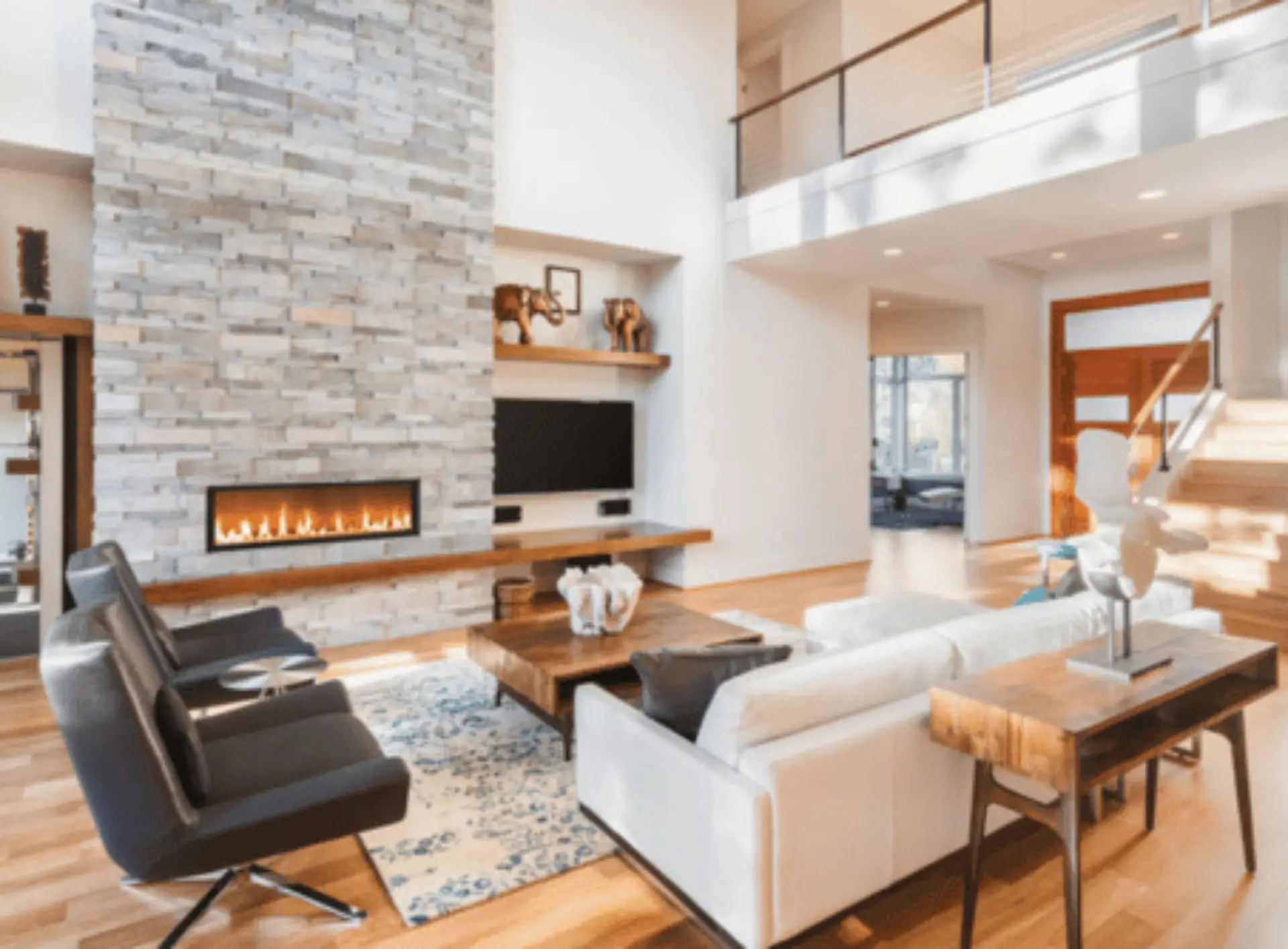
Transform your space with our expert interior work services. We offer a comprehensive range of solutions — from space planning and custom design to the selection of high-quality finishes and materials. Our team of experienced professionals works closely with you to create a space that’s both functional and stylish, tailored to your unique needs, goals, and budget. Whether you’re updating a single room or overhauling your entire interior, we bring precision, creativity, and craftsmanship to every project.
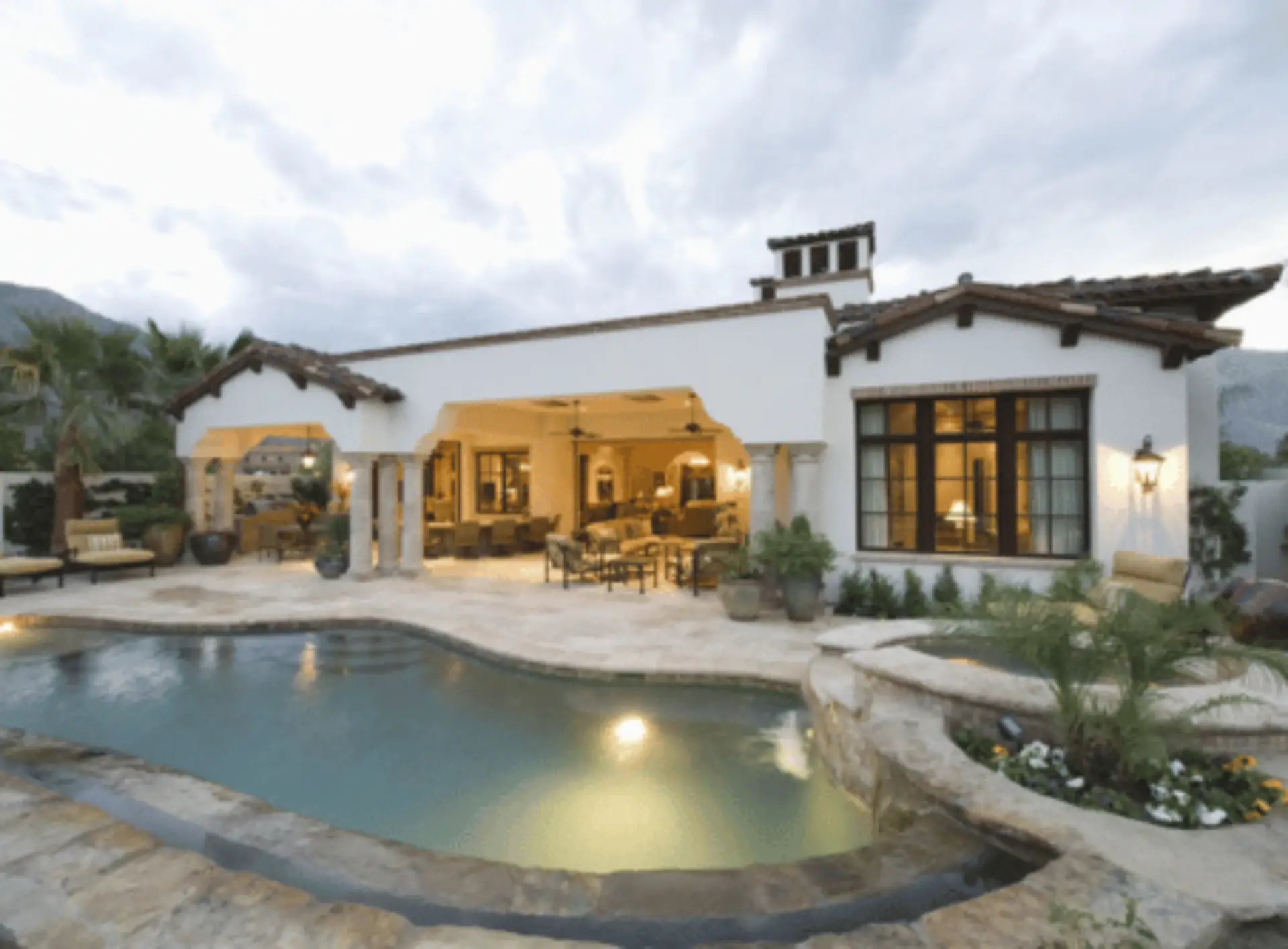
At Horizon, we believe your home is more than just four walls — it’s where life happens. It’s the place you relax, gather with family and friends, and create lasting memories. That’s why we offer a full range of exterior work services designed to elevate your outdoor living space. From patios and hardscaping to custom decks and exterior renovations, we help turn your vision into a dream yard that complements your lifestyle and enhances curb appeal.

At Horizon Construction & Remodeling, our expert team includes a dedicated design and planning division that works hand-in-hand with licensed architects and structural engineers. We take care of everything — from detailed plans and blueprints to securing city permits — so you don’t have to deal with delays or red tape. Our goal is to streamline the process and provide a fully approved set of documents that aligns with both your vision and city regulations, saving you time and stress.
Why Choose Horizon Remodeling For Pool Remodeling in Temple City
Horizon Construction and Remodeling is a licensed and bonded Class B general building contractor, in business since 2009. We approach pool remodeling as part of broader backyard construction that typically involves multiple trades working together: decking, hardscape, patio covers, outdoor kitchens, and related site work. Pool-specific work is carried out by licensed subcontractors coordinated under our contract, so the whole project moves under one plan and one project manager.
That single-contract structure matters in a city like Temple City, where permits for construction work are issued by the City of Temple City and reviewed against current building codes. Many homes here date to the mid-century buildout of the original townsite, and older construction can surface surprises once work begins. Keeping the pool, deck, and utility rough-ins on one coordinated set of plans means the City sees the full scope up front, and finished concrete does not get cut open later to run a gas line that was not planned from the start.
Our proposals are written line by line so you can see exactly what each part of the job covers and make informed decisions about what to do now and what to phase in later. Cost and schedule vary with the scope, and we walk through that in detail before any work begins.
Schedule a Consultation
Pool Remodeling FAQ


How do I know if my pool in Temple City needs resurfacing or just a repair?
A single damaged step or a handful of loose tiles often calls for a repair rather than a full resurface, but if the surface across the pool is rough, stained, flaking, or sounds hollow when tapped, resurfacing is the more practical answer. Water loss that runs faster than normal evaporation is another sign worth investigating. Because Temple City homes were largely built through the mid-century, pools from that era can hide deeper issues, so we inspect in person and assess the shell once the pool is drained, since cracks in the finish and cracks in the shell carry different scopes of work.
Does a pool remodel need a permit?
Most pool remodeling projects in Temple City do require a permit. Work such as adding a spa, altering the shell, structural repairs, or new gas and electrical installations goes through the City of Temple City, which issues building permits for all work inside city limits. A basic replaster with no other changes may not trigger that requirement, but the building department makes that call. We handle the application, plan check, and inspections either way, and a permitted remodel also brings state drowning prevention requirements into the process.
How long does a pool remodel take?
Resurfacing with new tile and coping typically takes a few weeks once work begins. A project that adds a deck, spa, or equipment pad, or addresses shell repair, can run two to three months. Design, permits, HOA review, and plan check through the City of Temple City’s building department all come before that. The interior finish has a start-up period after the fill, and we build that into the schedule.
What drives the cost of a pool remodel?
Pool remodel pricing in Temple City comes from several compounding factors. The waterline scope, your interior finish, and the shell’s condition once drained set the baseline. Equipment ranges from a pump swap to a full pad with filter, heat pump, automation, and replumbing. A spa, deck area and material, safety features, and permit and plan check time through the City of Temple City all play a part. Our written proposal itemizes each line.
Do I have to switch to a variable-speed pump?
California’s Title 20 regulations require any replacement dedicated-purpose pool pump motor rated at 0.5 total horsepower or more to be variable-speed. That motor runs long and slow for filtration, then steps up when you need more flow for a spa, a cleaner, or a water feature. Many Temple City homeowners handle the switch during a remodel, when the equipment pad is already being rebuilt anyway.
Will I have to add pool safety features if I remodel?
California law requires at least two of seven listed drowning prevention features on any permitted pool or spa remodel at a single-family home, covering options such as mesh fencing with a self-closing gate, a safety cover, door exit alarms, or a pool alarm, though certain pairs do not qualify together. Many Temple City homes were built during the mid-century era on flat, open lots, so there is often more than one practical way to meet the requirement. We work through the options with you during design to find a combination that fits how you use the yard and will pass final inspection.
Explore More in Temple City
Horizon is a licensed Class B general building contractor serving Temple City and the surrounding Los Angeles County communities.
Other Services in Temple City
Pool Remodeling Nearby
More Pool Remodeling Service Areas Near Temple City
View Our Pool Remodeling Areas of Service
- Pool Remodeling in Agoura Hills
- Pool Remodeling in Alhambra
- Pool Remodeling in Arcadia
- Pool Remodeling in Artesia
- Pool Remodeling in Azusa
- Pool Remodeling in Baldwin Park
- Pool Remodeling in Bell
- Pool Remodeling in Bell Gardens
- Pool Remodeling in Bellflower
- Pool Remodeling in Calabasas
- Pool Remodeling in Carson
- Pool Remodeling in Cerritos
- Pool Remodeling in Claremont
- Pool Remodeling in Commerce
- Pool Remodeling in Compton
- Pool Remodeling in Covina
- Pool Remodeling in Cudahy
- Pool Remodeling in Culver City
- Pool Remodeling in Diamond Bar
- Pool Remodeling in Downey
- Pool Remodeling in Duarte
- Pool Remodeling in El Monte
- Pool Remodeling in El Segundo
- Pool Remodeling in Gardena
- Pool Remodeling in Glendale
- Pool Remodeling in Glendora
- Pool Remodeling in Hawaiian Gardens
- Pool Remodeling in Hawthorne
- Pool Remodeling in Hermosa Beach
- Pool Remodeling in Huntington Park
- Pool Remodeling in Inglewood
- Pool Remodeling in La Cañada Flintridge
- Pool Remodeling in La Habra Heights
- Pool Remodeling in La Mirada
- Pool Remodeling in La Puente
- Pool Remodeling in La Verne
- Pool Remodeling in Lakewood
- Pool Remodeling in Lancaster
- Pool Remodeling in Lawndale
- Pool Remodeling in Lomita
- Pool Remodeling in Long Beach
- Pool Remodeling in Los Angeles
- Pool Remodeling in Lynwood
- Pool Remodeling in Manhattan Beach
- Pool Remodeling in Maywood
- Pool Remodeling in Monrovia
- Pool Remodeling in Montebello
- Pool Remodeling in Monterey Park
- Pool Remodeling in Norwalk
- Pool Remodeling in Palmdale
- Pool Remodeling in Palos Verdes Estates
- Pool Remodeling in Paramount
- Pool Remodeling in Pasadena
- Pool Remodeling in Pico Rivera
- Pool Remodeling in Pomona
- Pool Remodeling in Rancho Palos Verdes
- Pool Remodeling in Redondo Beach
- Pool Remodeling in Rolling Hills Estates
- Pool Remodeling in Rosemead
- Pool Remodeling in San Dimas
- Pool Remodeling in San Fernando
- Pool Remodeling in San Gabriel
- Pool Remodeling in San Marino
- Pool Remodeling in Santa Fe Springs
- Pool Remodeling in Santa Monica
- Pool Remodeling in Sierra Madre
- Pool Remodeling in Signal Hill
- Pool Remodeling in South El Monte
- Pool Remodeling in South Gate
- Pool Remodeling in South Pasadena
- Pool Remodeling in Torrance
- Pool Remodeling in Walnut
- Pool Remodeling in West Covina
- Pool Remodeling in West Hollywood
- Pool Remodeling in Whittier