
Hardscape & Outdoor Living in Monrovia
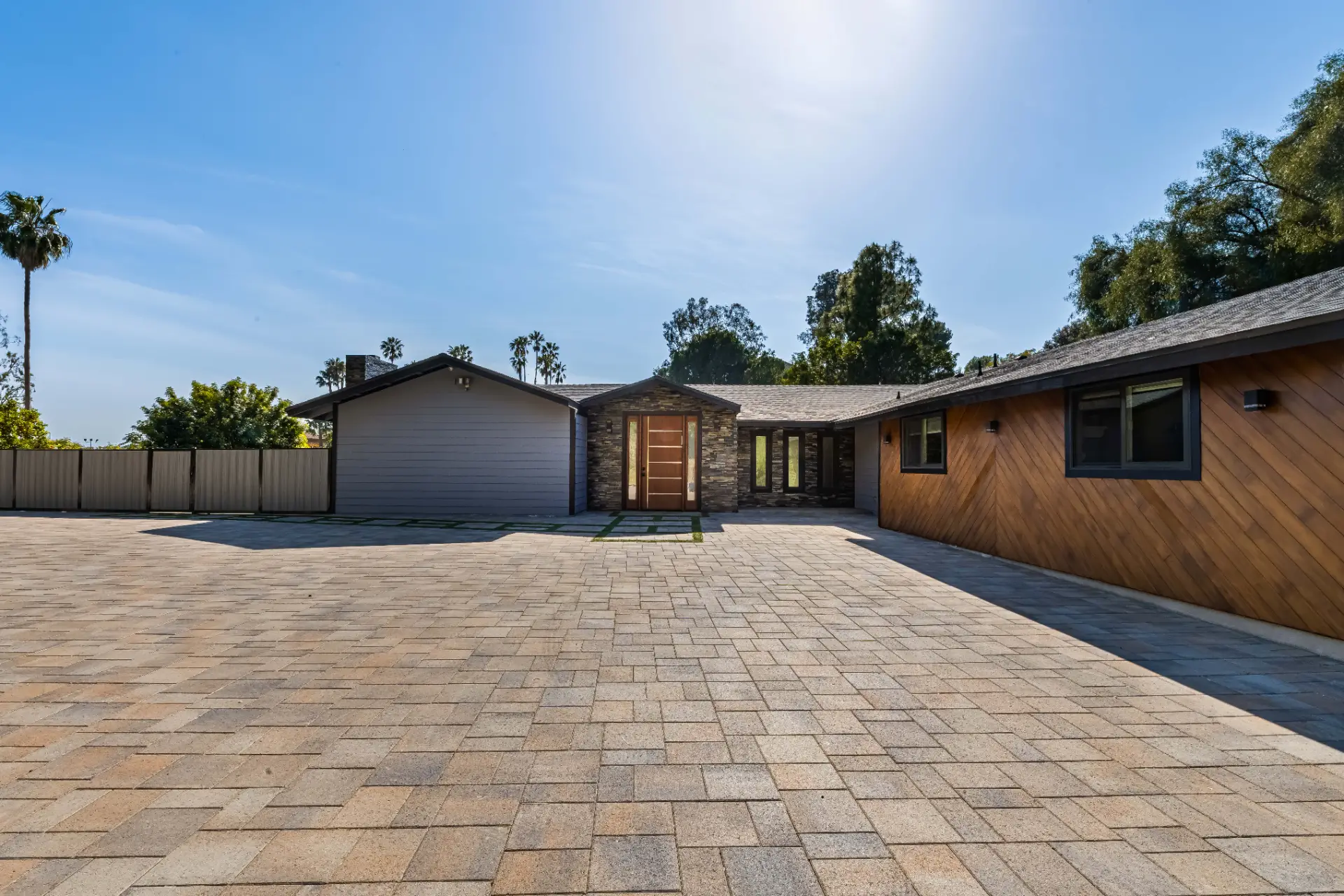
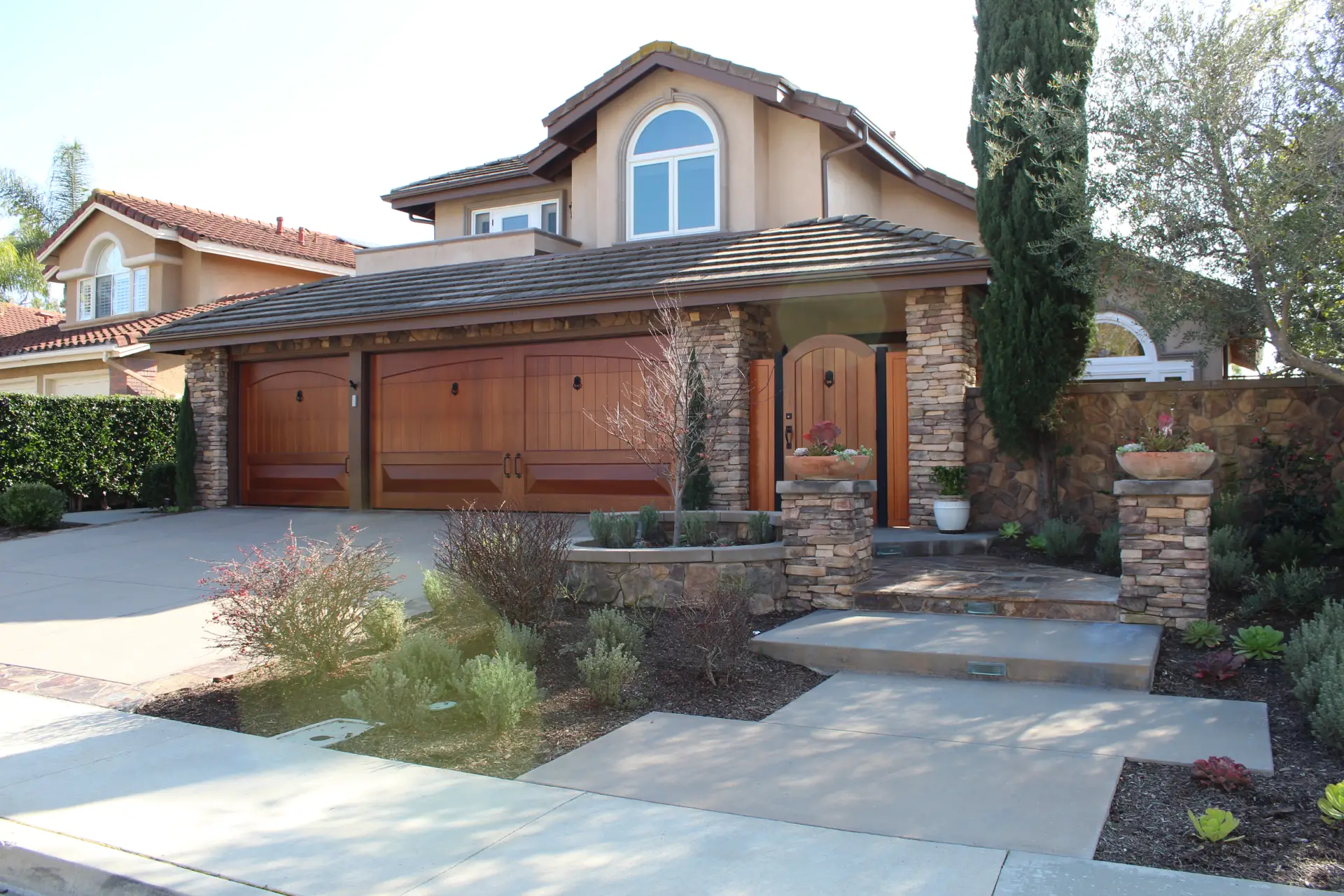
Hardscape fails underneath before it ever shows a crack at the surface, which is why every patio, driveway, entry, retaining wall, step, and fire pit we build in Monrovia starts with a properly prepared base and drainage that is planned in from day one. Monrovia grew in distinct waves from the 1886 townsite era through the Pacific Electric years and into the 1920s, when the city set a building permit record in 1923, and many yards in areas like Old Town Monrovia, the Wildrose Historic District, the Encinitas Historic District, and Canyon Park still carry original slabs and walls that have since settled, cracked, or begun to lean. We handle design, permits through the City of Monrovia Community Development Department Building Division, and construction under one contract.
Services We Offer
Drainage & Grading
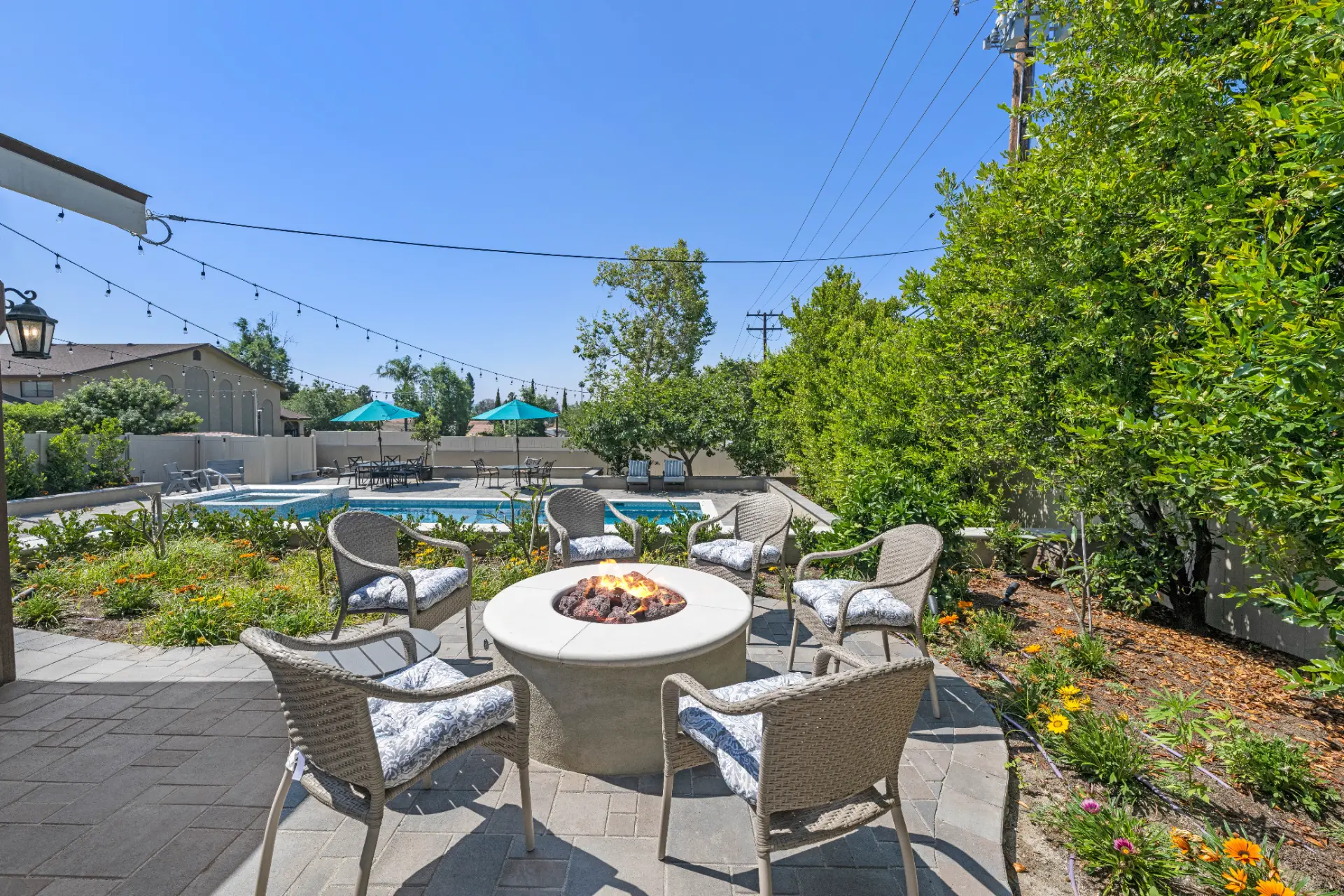
Fire Pits & Fireplaces
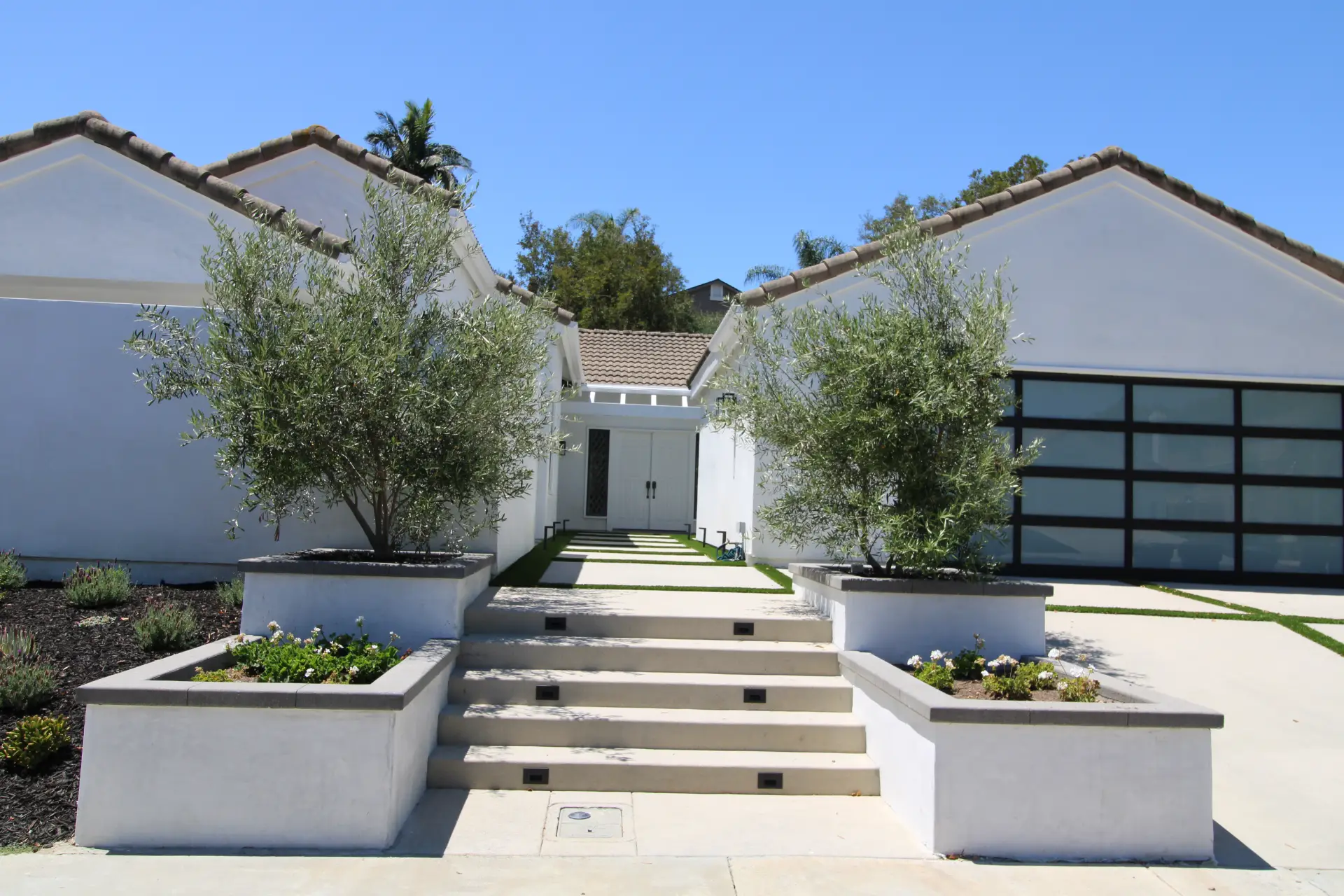
Entries, Walks & Steps

Our Hardscape & Outdoor Living Process in Monrovia
Hardscape and outdoor living in Monrovia begins with a thorough site visit before any plan is drawn. We read the existing grade, track where water currently moves, check the soil, note any slabs or walls already in place, and confirm how equipment can reach the yard. Many of the older foothill homes from the streetcar and 1920s eras sit on lots with settled grades and aging concrete, so that first look shapes everything that follows. Layout, materials, finished grades, drain locations, and wall details are worked out in-house, which keeps changes on paper rather than in cured concrete. Where a retaining wall or uncertain soil calls for it, we bring in a structural or geotechnical engineer.
Permits are submitted to the City of Monrovia Community Development Department Building Division, and we handle whatever the scope requires, whether that is a building, plumbing, or encroachment permit. For properties carrying landmark status under the city’s 1995 preservation ordinance, a Certificate of Appropriateness review is part of the process, and we account for that timeline from the start. Demolition and excavation follow permit approval, with utilities located before any digging begins. Drain lines, sub-drains, conduit, and gas lines go in while the ground is open, the base is compacted in lifts with proper slope built in, and then walls, steps, and finished surfaces are installed. A final inspection and a walk-through with you close the job out.
Read More →
Hardscape and outdoor living projects in Monrovia move through the City of Monrovia Community Development Department Building Division for permits, and the process can be more involved than homeowners expect. A patio laid at grade often does not need a building permit on its own, but retaining walls above the code exemption, gas lines to fire features, electrical circuits for lighting, and attached patio covers each typically require one. Beyond standard permit questions, Monrovia has designated 164 historic landmarks under its 1995 preservation ordinance, and work on those properties is reviewed through a Certificate of Appropriateness process. Mills Act contracts are also available to qualifying owners, which affects what improvements make financial sense. We confirm exactly what applies to your lot before any design is finalized.
Retaining walls draw more code scrutiny than almost anything else in outdoor construction. The common exemption generally covers walls no taller than four feet measured from the bottom of the footing to the top of the wall, and only when the wall is not holding back a slope, driveway, pool, or structure above it. A wall that looks three feet tall above grade can exceed that four-foot threshold once the buried footing is counted. Some jurisdictions apply stricter limits near slopes. Regardless of whether a permit is required, every wall we build gets a perforated drain line, gravel backfill, and outlets sized to carry water away from the structure, because saturated soil is the primary reason walls fail.
Drainage shapes the whole design, not just the walls. Parts of Southern California sit on expansive clay that swells when wet and contracts as it dries, so we grade away from the foundation, place area or channel drains where paved surfaces cannot shed water naturally, and route downspouts into the drainage system rather than letting them pool against hardscape. Stormwater rules increasingly encourage keeping rain on the lot rather than sending it to the street. Los Angeles County Low Impact Development standards, for example, apply when a project alters half or more of a lot’s impervious surface. Permeable pavers can help meet those thresholds, though on heavy clay soils they generally require an underdrain to function correctly.
Several other factors shape what is possible on a given lot. Driveway approaches, curb cuts, and sidewalk sections sit in the public right-of-way and require their own permits separate from the main project. Many municipalities also limit how much of a front yard can be paved or restrict wall heights within front setbacks. Homeowners in HOA communities often need committee approval for front-yard hardscape, and we prepare the drawings and material samples those reviews require. On lots within a mapped fire hazard zone, CAL FIRE guidance treats the first five feet surrounding a structure as the highest-priority area, where pavers, concrete, or gravel are appropriate ground covers rather than bark or mulch. Monrovia’s foothill location means a number of properties fall into that category, so it is worth confirming your zone status early in the planning process.
Other Remodeling Services We Offer
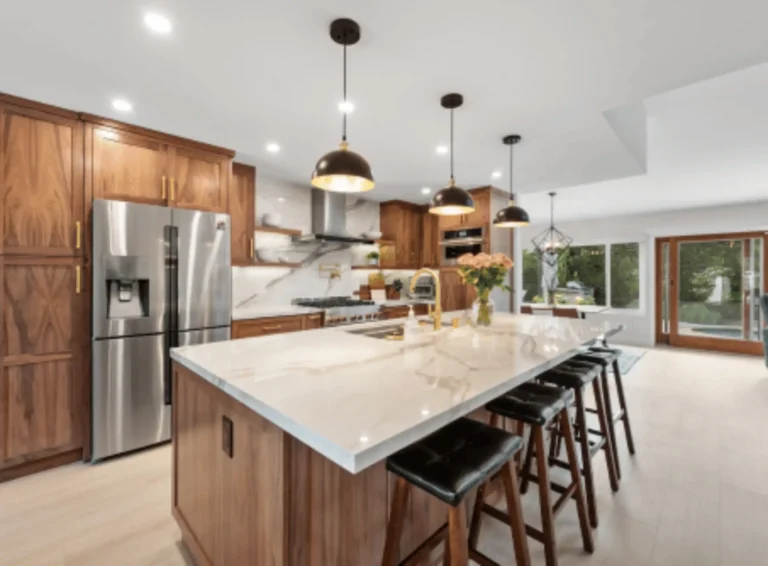
A kitchen remodel touches more trades than any other room in the house: layout, cabinetry, plumbing, electrical, ventilation and finishes. Horizon designs and builds kitchen remodels under one contract, from the measured layout to the final inspection.
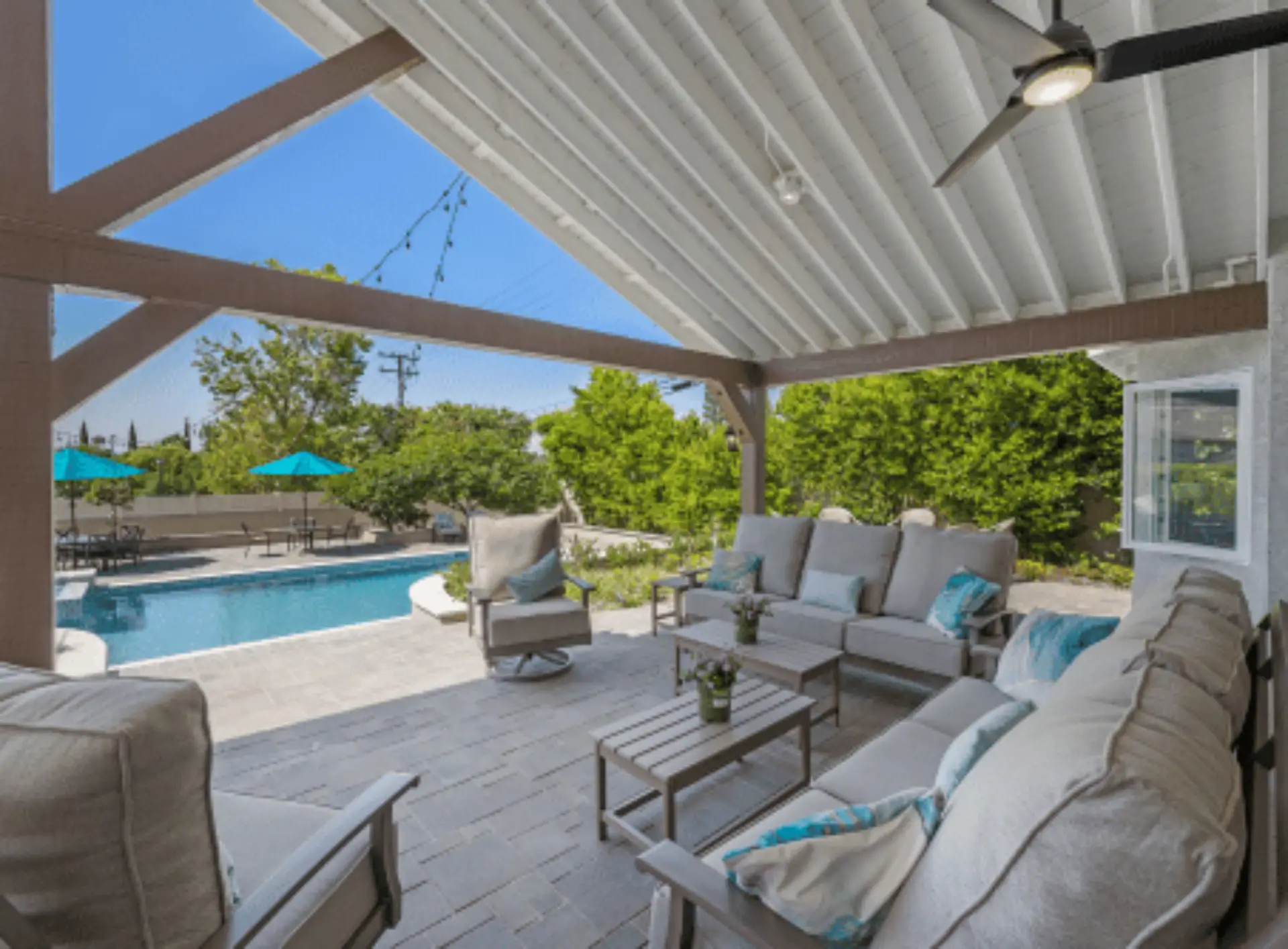
Whether you envision a classic Southern California pool or a fully customized backyard oasis, Horizon Construction & Remodeling delivers the highest level of quality and service. Our comprehensive pool design and remodeling services cover everything from layout and decking to built-in BBQs and final touches like landscaping. Let Horizon be your trusted partner in transforming your backyard into the perfect outdoor retreat.

If you are planning a complete bathroom remodel or simply want to change your tub, shower, update your plumbing fixtures, or make the space more efficient, our team at Horizon will help you through the process with expert advice, professional craftsmanship, and affordable options with beautiful results. Learn more about our bathroom remodeling services.
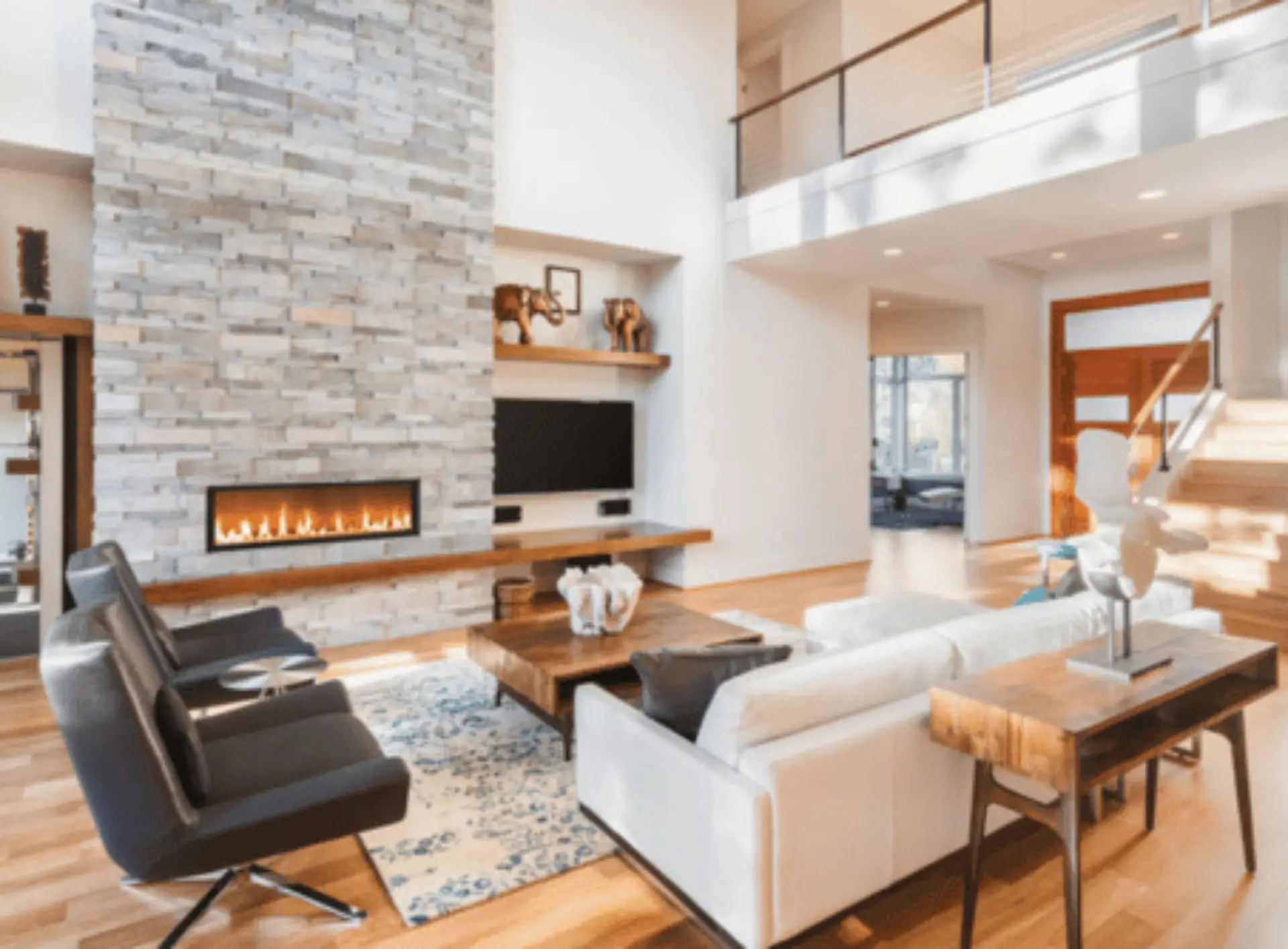
Transform your space with our expert interior work services. We offer a comprehensive range of solutions — from space planning and custom design to the selection of high-quality finishes and materials. Our team of experienced professionals works closely with you to create a space that’s both functional and stylish, tailored to your unique needs, goals, and budget. Whether you’re updating a single room or overhauling your entire interior, we bring precision, creativity, and craftsmanship to every project.
At Horizon, we believe your home is more than just four walls — it’s where life happens. It’s the place you relax, gather with family and friends, and create lasting memories. That’s why we offer a full range of exterior work services designed to elevate your outdoor living space. From patios and hardscaping to custom decks and exterior renovations, we help turn your vision into a dream yard that complements your lifestyle and enhances curb appeal.

At Horizon Construction & Remodeling, our expert team includes a dedicated design and planning division that works hand-in-hand with licensed architects and structural engineers. We take care of everything — from detailed plans and blueprints to securing city permits — so you don’t have to deal with delays or red tape. Our goal is to streamline the process and provide a fully approved set of documents that aligns with both your vision and city regulations, saving you time and stress.
Why Choose Horizon Remodeling For Hardscape & Outdoor Living in Monrovia
Horizon Construction and Remodeling is a licensed Class B general building contractor, bonded, and in business since 2009. Specialty trade portions of any hardscape or outdoor living project are handled by appropriately licensed subcontractors we coordinate directly. One project manager runs the job from the first site visit through final inspection, so grading, drainage, structural walls, and surface work are planned together rather than handed from one trade to the next.
Monrovia’s older foothill homes from the streetcar and 1920s eras often sit on lots that were laid out long before modern outdoor living spaces were a consideration. Permits for this work go through the City of Monrovia Community Development Department Building Division, and if your property carries a historic landmark designation under the city’s 1995 preservation ordinance, a Certificate of Appropriateness review is typically part of the process. We account for those layers from the start rather than discovering them mid-project.
Our proposals break out demolition, base preparation, drainage, walls, and finished surfaces so the scope is clear before work begins. Call (714) 449-9035 to request a free estimate and set up a site visit.
Schedule a Consultation
Hardscape & Outdoor Living FAQ

Do I need a permit for hardscape in Monrovia?
A paver or concrete patio laid at grade generally does not require a building permit on its own, but several related elements do: retaining walls above the exempt height or carrying a surcharge, gas lines serving fire pits, lighting circuits, attached patio covers, and driveway work within the public right-of-way. In Monrovia, those applications run through the City of Monrovia Community Development Department Building Division, and for the many older foothill homes in the Wildrose or Encinitas historic districts, a Certificate of Appropriateness may also apply. We check the current requirements and manage the paperwork as part of our process.
Pavers or concrete for a driveway?
Pavers and poured concrete both perform well when the base is prepared correctly. Pavers are installed as individual units, which lets them flex with minor ground movement rather than cracking, and any section can be lifted and reset if a utility line underneath needs access. Poured concrete forms a single continuous slab that is straightforward to maintain, though control joints are cut into it to keep inevitable cracks running in straight lines. In Monrovia, where many foothill properties from the streetcar and 1920s eras sit on clay-heavy soil, we tend to favor pavers for that reason.
How tall can a retaining wall be without a permit?
Retaining walls in Monrovia typically do not require a permit when they stand no taller than four feet measured from the bottom of the footing to the top of the wall, provided the wall carries no surcharge load from a slope, driveway, pool, or structure above it. Some cities set a lower threshold for walls on or near hillside terrain, which matters in a foothill city like Monrovia. We verify the current rule with the City of Monrovia Community Development Department Building Division before any wall is laid out.
How long does a hardscape project take?
Project length for hardscape and outdoor living work in Monrovia varies by scope. A patio or driveway replacement typically takes a few weeks on site once materials and permits are ready, while a full yard with retaining walls, drainage, and a fire feature can run a couple of months. Engineered retaining walls, gas lines, encroachment permits, or HOA review add time before and during construction. For homes in the Wildrose or Encinitas Historic Districts, a Certificate of Appropriateness review through the City of Monrovia Community Development Department Building Division can affect the schedule as well. We include a timeline with every proposal and keep you updated if inspections or weather cause any shifts.
What drives the cost of hardscape?
Hardscape and outdoor living projects in Monrovia cost more than the finished surface suggests, because the work you never see drives a large share of the budget. Demolishing and hauling existing concrete, managing soil conditions, setting proper base depth, installing drainage pipe and drains, and building engineered retaining walls with footings, steel, and sub-drains all add up before a single paver is laid. Surface materials, pattern cuts, gas and electrical portions handled by appropriately licensed subcontractors, and permits through the City of Monrovia Community Development Department Building Division contribute further. A written proposal from us breaks each of those categories out separately so you know exactly what you are paying for.
Can you work with my HOA and plan for later phases?
Yes, we prepare the drawings and material samples an architectural committee requires and fold the review window into the project schedule from the start. Homes in Monrovia’s Wildrose and Encinitas historic districts may need a Certificate of Appropriateness before work begins, so we account for that early. When future additions like a patio cover or outdoor kitchen are on the horizon, we rough in drains, gas stubs, and conduit now so the next phase never means tearing up finished hardscape.
Explore More in Monrovia
Horizon is a licensed Class B general building contractor serving Monrovia and the surrounding Los Angeles County communities.
Other Services in Monrovia
Hardscape & Outdoor Living Nearby
More Hardscape & Outdoor Living Service Areas Near Monrovia
VIEW OUR HARDSCAPE & OUTDOOR LIVING AREAS OF SERVICE
- Hardscape & Outdoor Living in Agoura Hills
- Hardscape & Outdoor Living in Alhambra
- Hardscape & Outdoor Living in Arcadia
- Hardscape & Outdoor Living in Artesia
- Hardscape & Outdoor Living in Azusa
- Hardscape & Outdoor Living in Baldwin Park
- Hardscape & Outdoor Living in Bell
- Hardscape & Outdoor Living in Bell Gardens
- Hardscape & Outdoor Living in Bellflower
- Hardscape & Outdoor Living in Calabasas
- Hardscape & Outdoor Living in Carson
- Hardscape & Outdoor Living in Cerritos
- Hardscape & Outdoor Living in Claremont
- Hardscape & Outdoor Living in Commerce
- Hardscape & Outdoor Living in Compton
- Hardscape & Outdoor Living in Covina
- Hardscape & Outdoor Living in Cudahy
- Hardscape & Outdoor Living in Culver City
- Hardscape & Outdoor Living in Diamond Bar
- Hardscape & Outdoor Living in Downey
- Hardscape & Outdoor Living in Duarte
- Hardscape & Outdoor Living in El Monte
- Hardscape & Outdoor Living in El Segundo
- Hardscape & Outdoor Living in Gardena
- Hardscape & Outdoor Living in Glendale
- Hardscape & Outdoor Living in Glendora
- Hardscape & Outdoor Living in Hawaiian Gardens
- Hardscape & Outdoor Living in Hawthorne
- Hardscape & Outdoor Living in Hermosa Beach
- Hardscape & Outdoor Living in Huntington Park
- Hardscape & Outdoor Living in Inglewood
- Hardscape & Outdoor Living in La Cañada Flintridge
- Hardscape & Outdoor Living in La Habra Heights
- Hardscape & Outdoor Living in La Mirada
- Hardscape & Outdoor Living in La Puente
- Hardscape & Outdoor Living in La Verne
- Hardscape & Outdoor Living in Lakewood
- Hardscape & Outdoor Living in Lancaster
- Hardscape & Outdoor Living in Lawndale
- Hardscape & Outdoor Living in Lomita
- Hardscape & Outdoor Living in Long Beach
- Hardscape & Outdoor Living in Los Angeles
- Hardscape & Outdoor Living in Lynwood
- Hardscape & Outdoor Living in Manhattan Beach
- Hardscape & Outdoor Living in Maywood
- Hardscape & Outdoor Living in Montebello
- Hardscape & Outdoor Living in Monterey Park
- Hardscape & Outdoor Living in Norwalk
- Hardscape & Outdoor Living in Palmdale
- Hardscape & Outdoor Living in Palos Verdes Estates
- Hardscape & Outdoor Living in Paramount
- Hardscape & Outdoor Living in Pasadena
- Hardscape & Outdoor Living in Pico Rivera
- Hardscape & Outdoor Living in Pomona
- Hardscape & Outdoor Living in Rancho Palos Verdes
- Hardscape & Outdoor Living in Redondo Beach
- Hardscape & Outdoor Living in Rolling Hills Estates
- Hardscape & Outdoor Living in Rosemead
- Hardscape & Outdoor Living in San Dimas
- Hardscape & Outdoor Living in San Fernando
- Hardscape & Outdoor Living in San Gabriel
- Hardscape & Outdoor Living in San Marino
- Hardscape & Outdoor Living in Santa Fe Springs
- Hardscape & Outdoor Living in Santa Monica
- Hardscape & Outdoor Living in Sierra Madre
- Hardscape & Outdoor Living in Signal Hill
- Hardscape & Outdoor Living in South El Monte
- Hardscape & Outdoor Living in South Gate
- Hardscape & Outdoor Living in South Pasadena
- Hardscape & Outdoor Living in Temple City
- Hardscape & Outdoor Living in Torrance
- Hardscape & Outdoor Living in Walnut
- Hardscape & Outdoor Living in West Covina
- Hardscape & Outdoor Living in West Hollywood
- Hardscape & Outdoor Living in Whittier