
Hardscape & Outdoor Living in Rolling Hills Estates
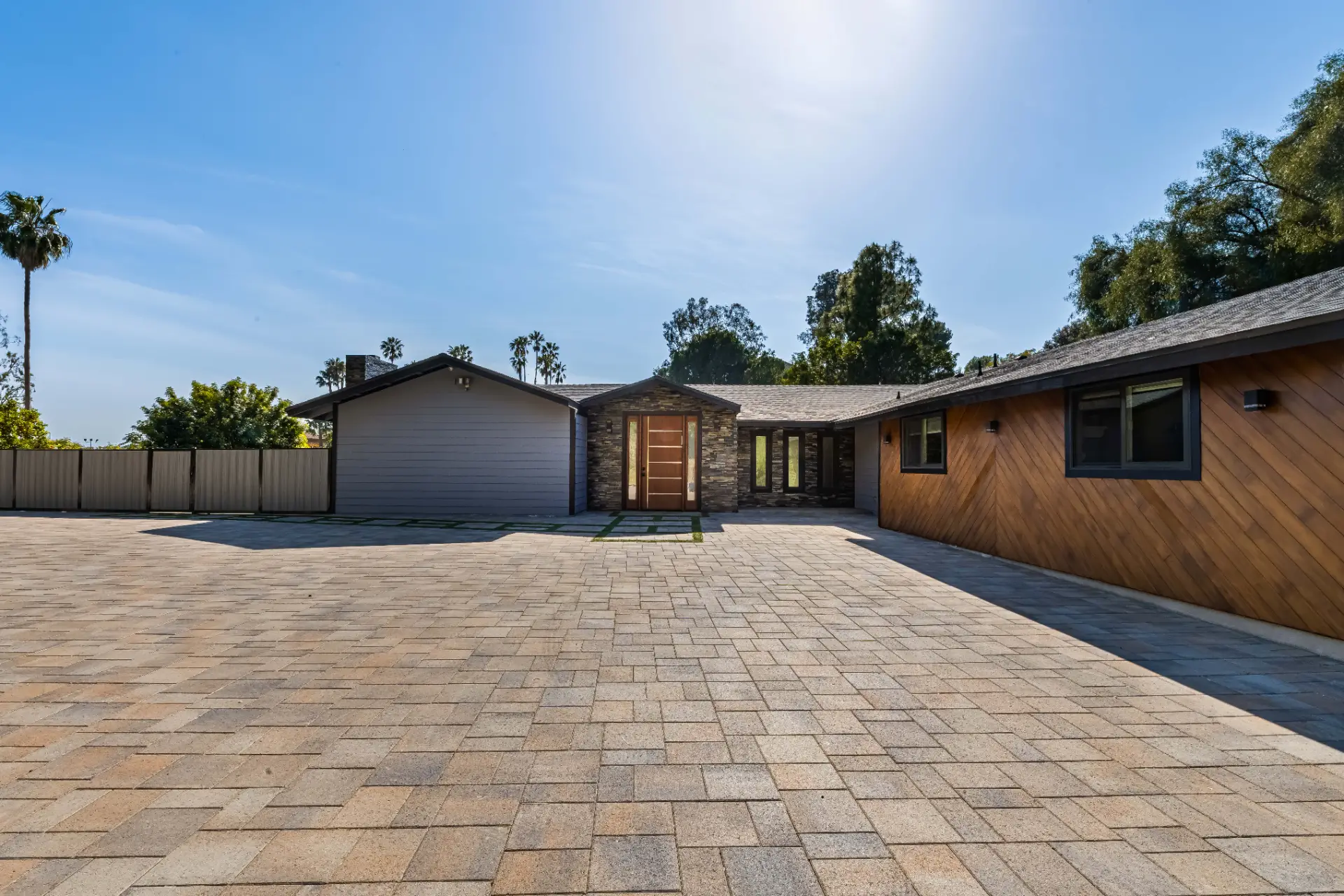
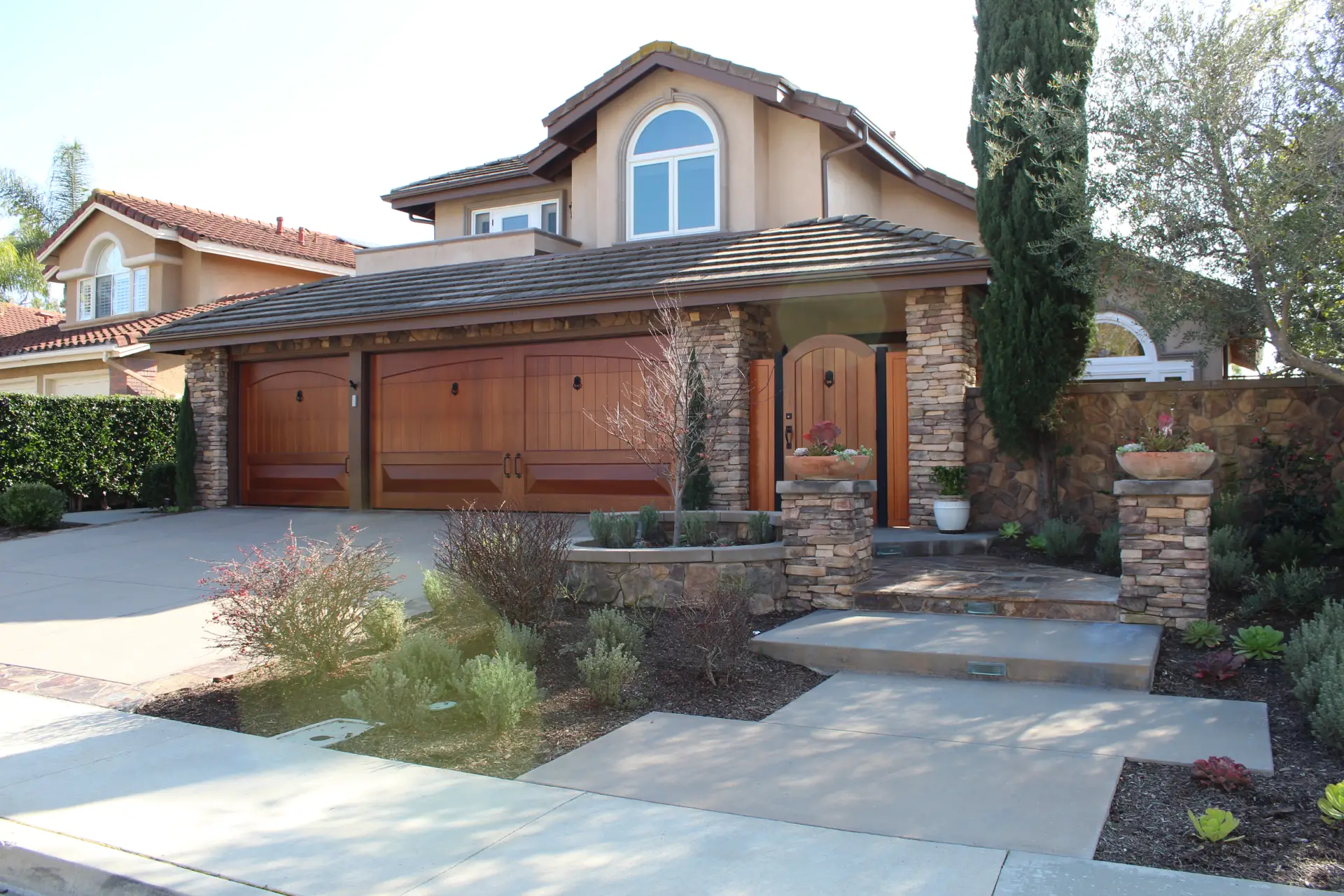
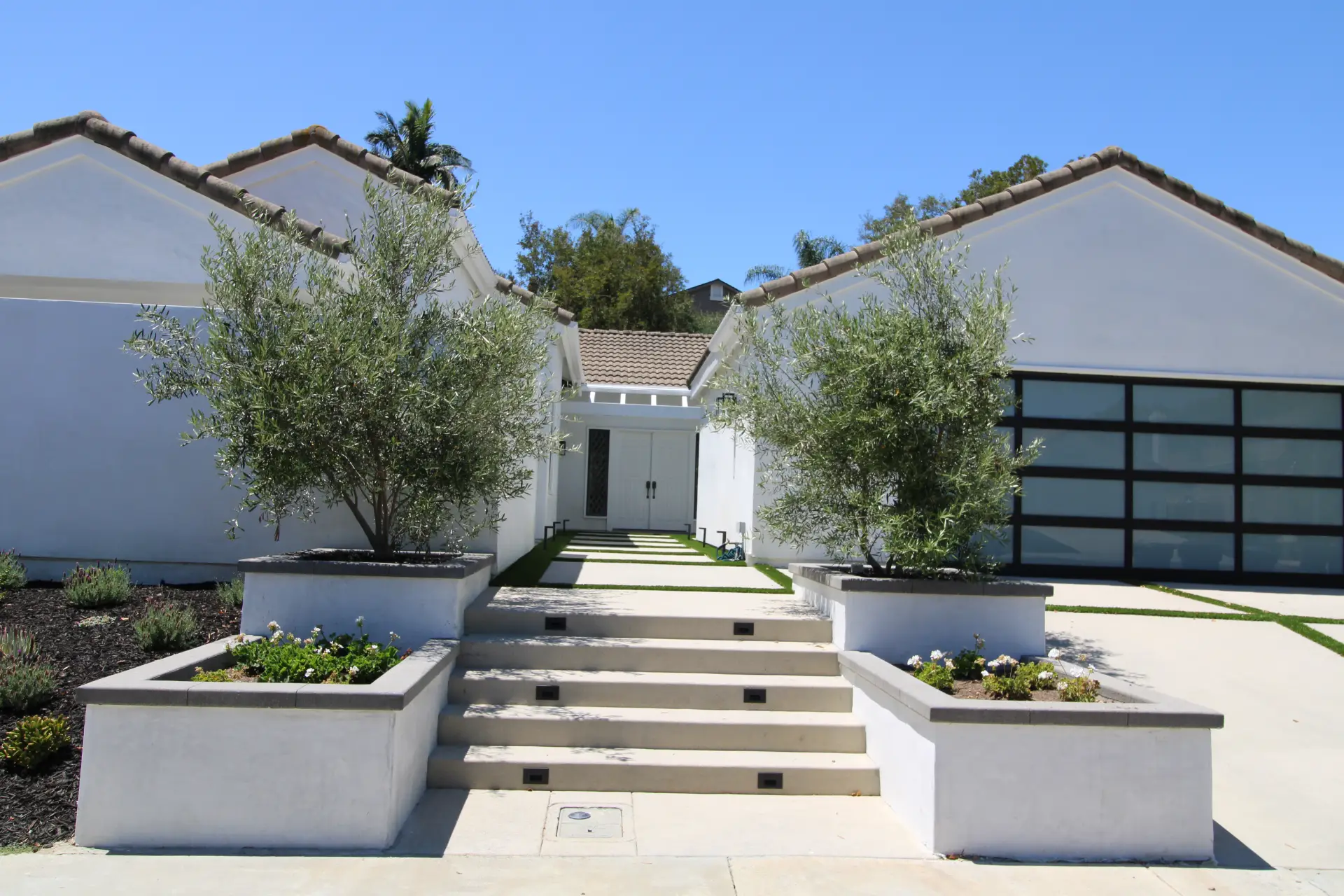
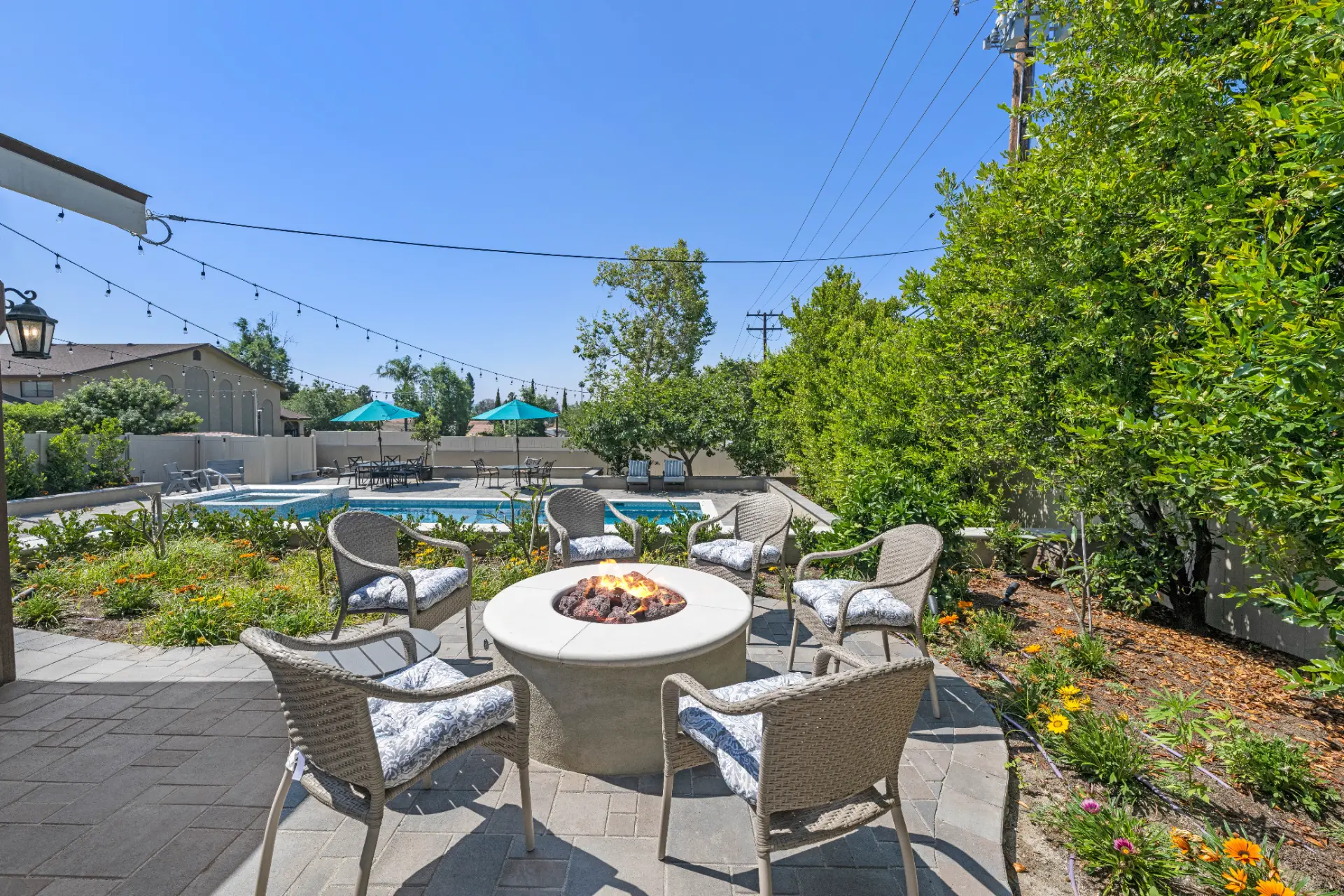
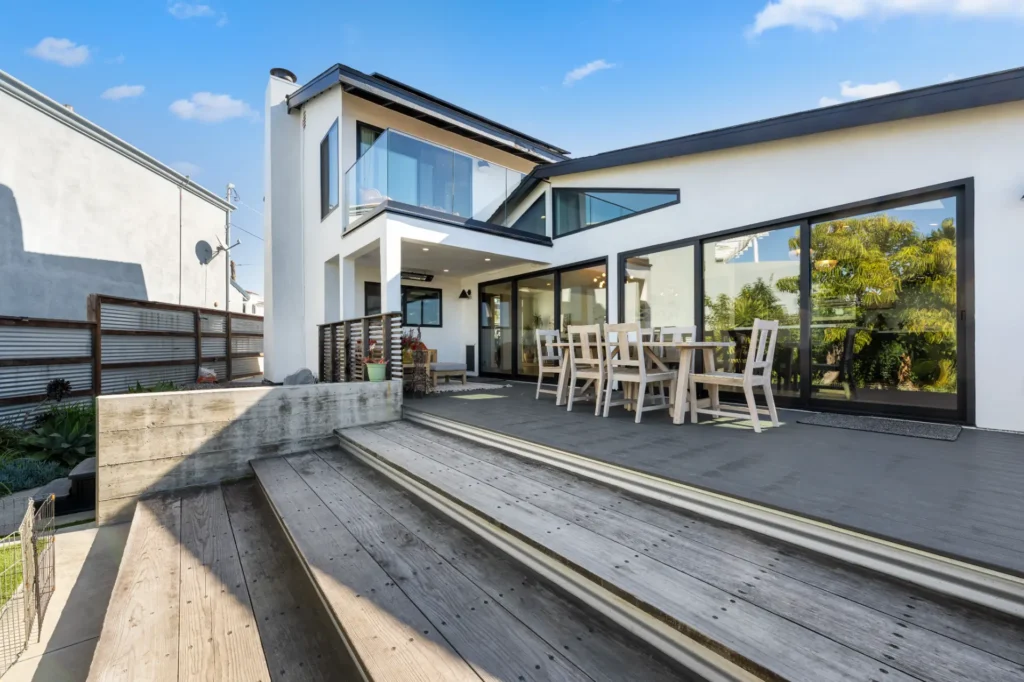
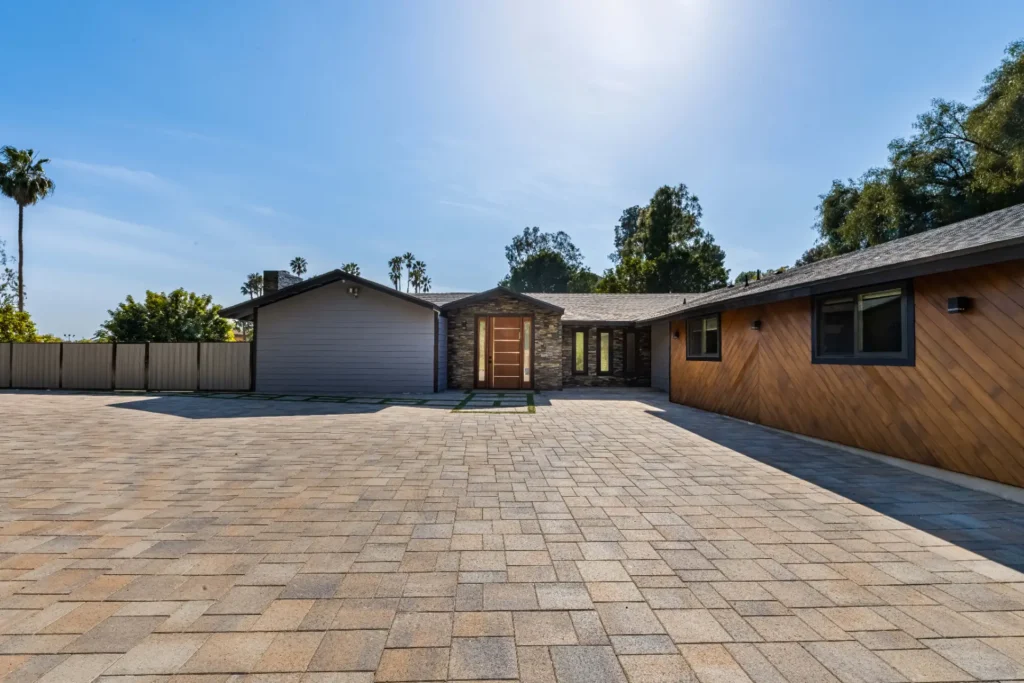
Hardscape problems almost always start below grade, not at the surface: a base laid too thin or drainage left as an afterthought will undermine even well-chosen materials. Horizon Construction and Remodeling handles hardscape and outdoor living projects in Rolling Hills Estates, covering patios, driveways, entries, retaining walls, steps and fire pits, with drainage engineered into the plan from day one. Because the city was subdivided from Palos Verdes Peninsula ranch land after 1957, a good number of lots near Peninsula Center, the Promenade on the Peninsula, Rolling Hills Country Club and the Chadwick School area still carry original concrete that has settled, cracked or begun to lean. The city’s semi-rural equestrian character also means lot planning involves more than standard setbacks, so we take the full site picture into account before finalizing any layout. Design, permit coordination with the City of Rolling Hills Estates Building and Safety Division, and construction are managed under one contract.
Services We Offer
Drainage & Grading
Fire Pits & Fireplaces
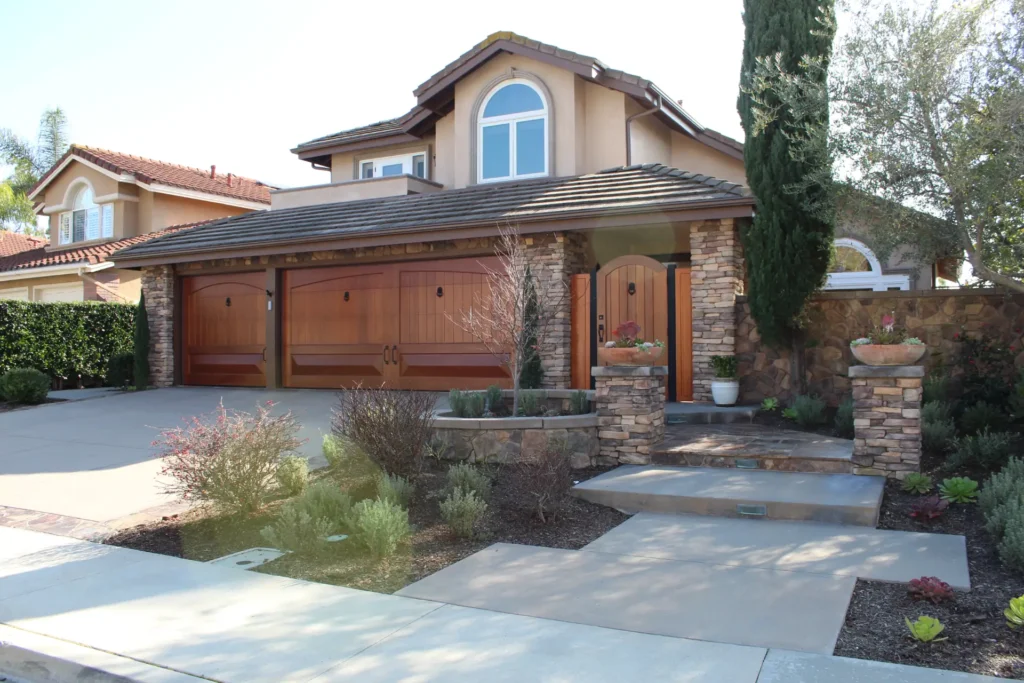
Entries, Walks & Steps

Our Hardscape & Outdoor Living Process in Rolling Hills Estates
Hardscape and outdoor living in Rolling Hills Estates begins with a thorough site visit before any plan goes on paper. The large residential lots that define this city, many of them subdivided from ranch land after 1957, often slope or drain in ways that dictate where a patio, retaining wall or covered outdoor area can realistically go. We read the existing grade, trace where water moves now, note soil conditions, locate utilities and confirm how equipment will reach the work area. Layout, finished grades, drain locations and wall details are all drawn in-house so adjustments happen during design rather than mid-construction.
Because the City of Rolling Hills Estates Building and Safety Division reviews permits, and because the city’s equestrian character means lot use is governed by considerations beyond simple setbacks, we pull every building, plumbing or encroachment permit the scope requires before work begins. Engineers join the team wherever a retaining wall or soil condition calls for their sign-off. With permits in hand, we excavate carefully with utilities pre-located, set drain lines and conduit while the ground is open, compact the base in lifts, then place walls, steps and finished surfaces in sequence. A final inspection and walk-through with you close out the project.
Read More →
Rolling Hills Estates runs its building permits through the City of Rolling Hills Estates Building and Safety Division, and the review process here involves more than a straightforward setback calculation. The city has maintained a deliberately semi-rural equestrian character since the ranch land on the Palos Verdes Peninsula’s north side was subdivided into large residential lots after incorporation in 1957. That heritage shows up in roughly 25 miles of bridle paths, published horsekeeping practices, and a standing Equestrian Committee, all of which can influence what a property owner is allowed to do on a lot even when the numbers on a site plan look fine. We work through those layers before the design is finalized, so nothing discovered late forces an expensive change.
As for what actually requires a permit, a patio set at grade generally does not trigger one on its own, but retaining walls above the standard exemption, gas lines serving fire features, lighting circuits, and attached patio covers all do. The common exemption for retaining walls covers structures that measure no more than four feet from the bottom of the footing to the top of the wall, and only when the wall is not supporting a surcharge such as a slope, driveway, pool, or structure above it. A wall that appears to stand three feet above grade can exceed four feet once the footing depth is counted. Some jurisdictions apply stricter standards near slopes, and we confirm exactly what applies to your parcel before any drawings are submitted.
Drainage is as consequential as the surface material itself. Parts of Southern California are underlain by expansive clay that swells when saturated and contracts as it dries, which is precisely why we grade away from the house, add area or channel drains where paving cannot shed water naturally, and tie downspouts into the overall system. Every retaining wall we build, permitted or not, gets a perforated drain line and gravel backfill with outlets to move water out, because saturated soil is the force that pushes walls over. Stormwater rules are also moving toward keeping rain on the lot rather than routing it to the street.
The large residential lots typical of Rolling Hills Estates often leave genuine room to expand a kitchen or family room outward, which means driveways, patio covers, and front-yard hardscape are common project elements. Driveway approaches, curb cuts, and sidewalk sections in the public right-of-way carry their own permit requirements, and some jurisdictions cap how much of a front yard can be paved or restrict wall heights within the front setback. On lots mapped in a fire hazard zone, CAL FIRE guidance places the highest priority on the five feet immediately surrounding the structure, where pavers, concrete, or gravel are the appropriate ground cover rather than bark or mulch. We prepare the drawings and material samples the Building and Safety Division requires, and where a homeowners association is involved, we put together what their review committee asks for as well.
Other Remodeling Services We Offer
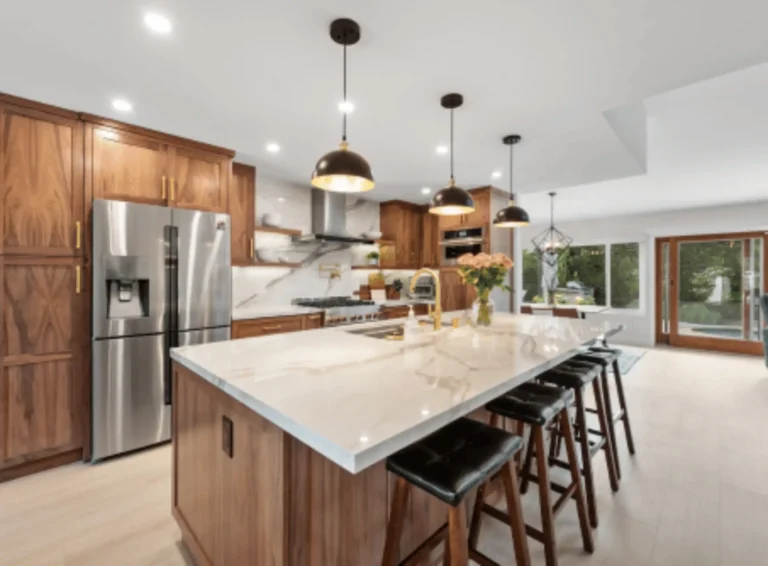
A kitchen remodel touches more trades than any other room in the house: layout, cabinetry, plumbing, electrical, ventilation and finishes. Horizon designs and builds kitchen remodels under one contract, from the measured layout to the final inspection.
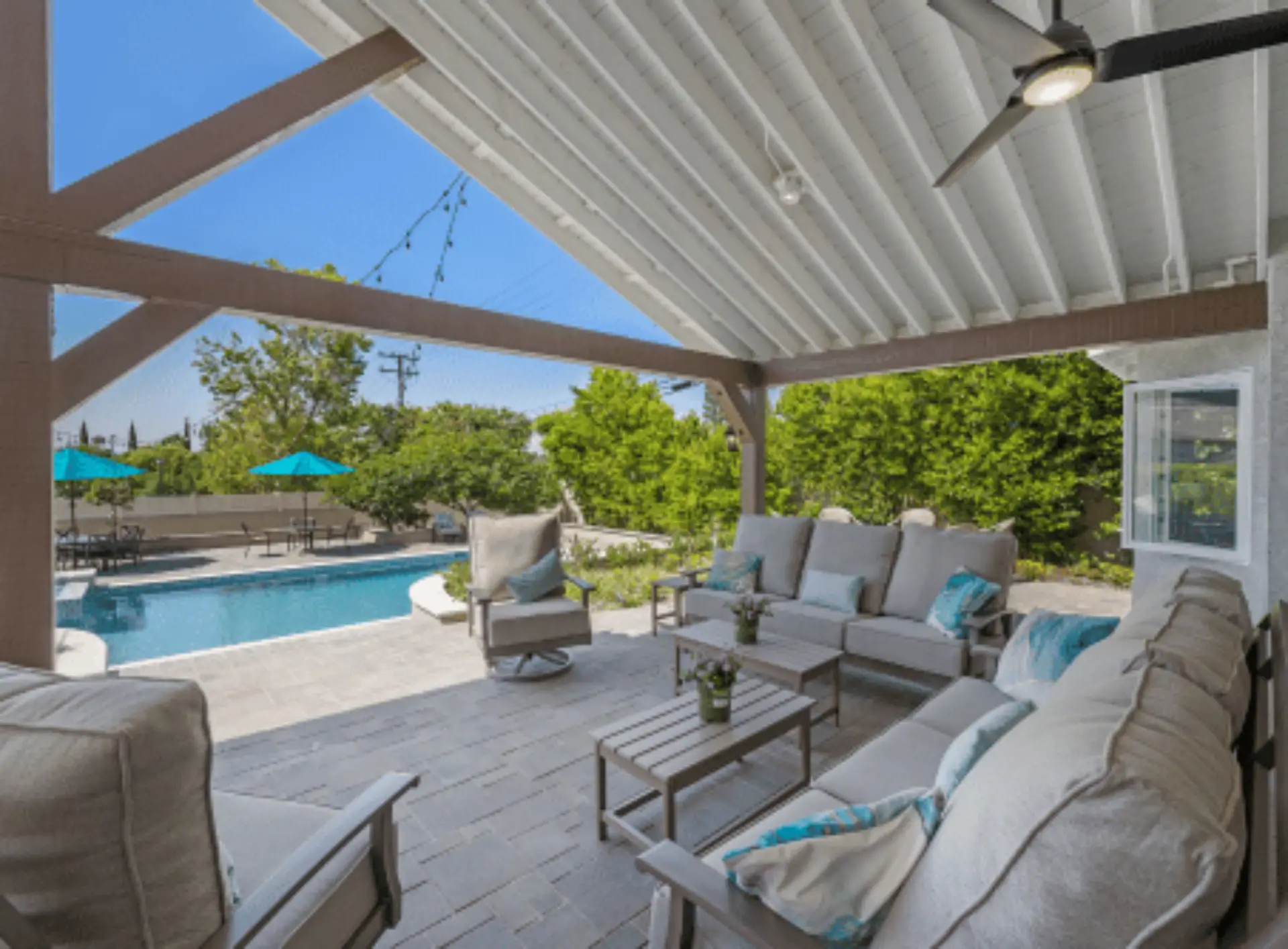
Whether you envision a classic Southern California pool or a fully customized backyard oasis, Horizon Construction & Remodeling delivers the highest level of quality and service. Our comprehensive pool design and remodeling services cover everything from layout and decking to built-in BBQs and final touches like landscaping. Let Horizon be your trusted partner in transforming your backyard into the perfect outdoor retreat.

If you are planning a complete bathroom remodel or simply want to change your tub, shower, update your plumbing fixtures, or make the space more efficient, our team at Horizon will help you through the process with expert advice, professional craftsmanship, and affordable options with beautiful results. Learn more about our bathroom remodeling services.
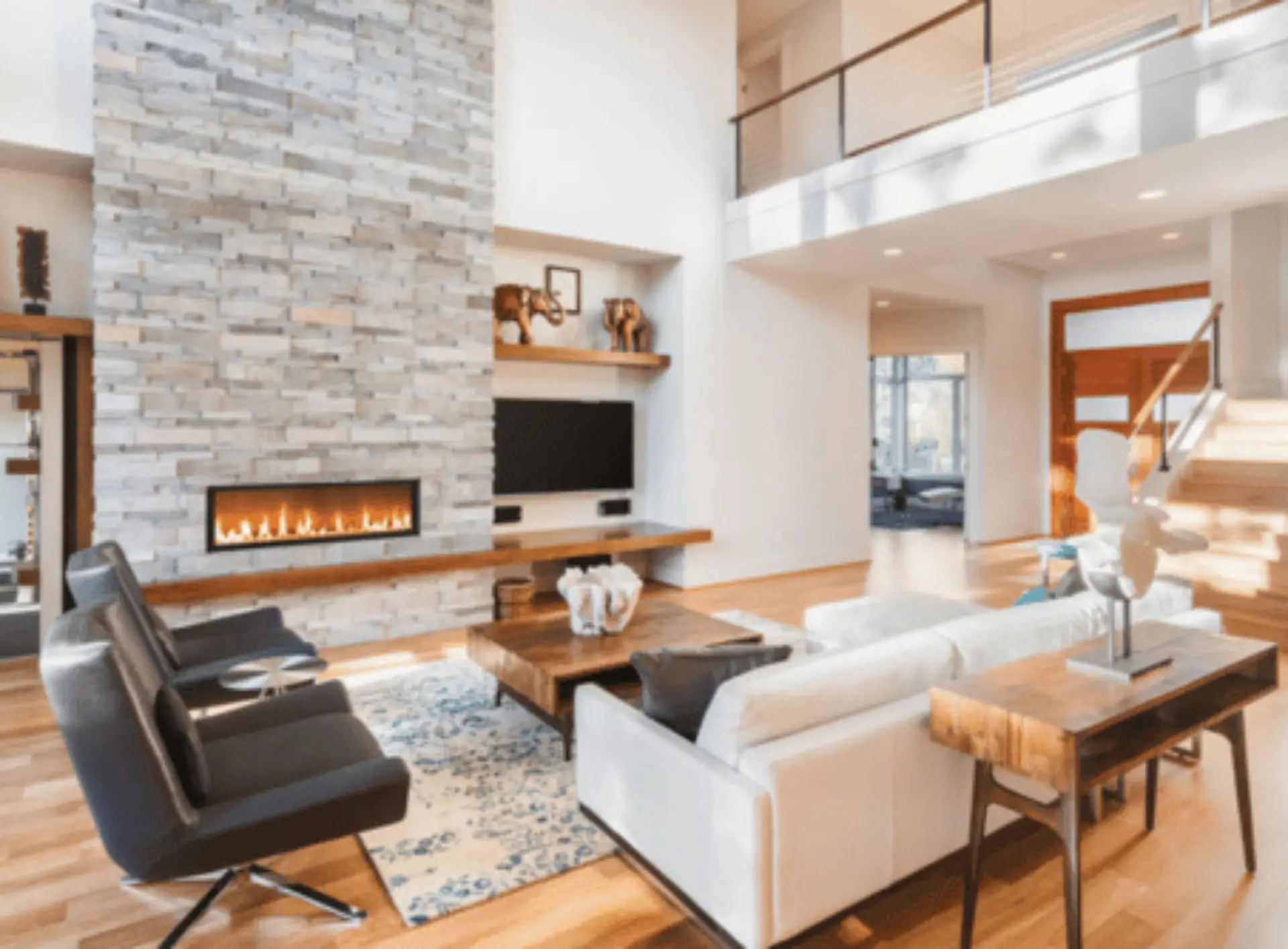
Transform your space with our expert interior work services. We offer a comprehensive range of solutions — from space planning and custom design to the selection of high-quality finishes and materials. Our team of experienced professionals works closely with you to create a space that’s both functional and stylish, tailored to your unique needs, goals, and budget. Whether you’re updating a single room or overhauling your entire interior, we bring precision, creativity, and craftsmanship to every project.
At Horizon, we believe your home is more than just four walls — it’s where life happens. It’s the place you relax, gather with family and friends, and create lasting memories. That’s why we offer a full range of exterior work services designed to elevate your outdoor living space. From patios and hardscaping to custom decks and exterior renovations, we help turn your vision into a dream yard that complements your lifestyle and enhances curb appeal.

At Horizon Construction & Remodeling, our expert team includes a dedicated design and planning division that works hand-in-hand with licensed architects and structural engineers. We take care of everything — from detailed plans and blueprints to securing city permits — so you don’t have to deal with delays or red tape. Our goal is to streamline the process and provide a fully approved set of documents that aligns with both your vision and city regulations, saving you time and stress.
Why Choose Horizon Remodeling For Hardscape & Outdoor Living in Rolling Hills Estates
Horizon Construction and Remodeling is a licensed and bonded Class B general building contractor, and our license has been active since 2009. On a hardscape project, the real advantage of working with a general contractor is that grading, drainage, structural walls and surface materials get planned together from the start rather than handed off between separate trades with no one coordinating the whole picture.
Rolling Hills Estates lots tend to be generous, which often means there is genuine room to extend a kitchen or family room outward and connect it to a new patio or outdoor living area. That kind of work typically requires permits through the City of Rolling Hills Estates Building and Safety Division, and we manage that process so you are not tracking it yourself.
The city also carries an equestrian character that shapes what is appropriate on a residential lot beyond standard setbacks, so we account for those considerations during planning. Our proposals break out demolition, base work, drainage, walls and surface separately so the numbers are clear before any ground is broken. Call (714) 449-9035 to schedule a site visit.
Schedule a Consultation
Hardscape & Outdoor Living FAQ

Do I need a permit for hardscape in Rolling Hills Estates?
A paver or concrete patio set at grade typically does not require a building permit on its own, but several related scopes usually do: retaining walls above the local exemption height or carrying a surcharge, gas lines serving fire pits, lighting circuits, attached patio covers, and any driveway work touching the public right-of-way. In Rolling Hills Estates, those permits run through the City of Rolling Hills Estates Building and Safety Division, and because the city’s equestrian character means lot use is shaped by more than standard setbacks alone, we review the current rules carefully and manage the applications as part of our design process.
Pavers or concrete for a driveway?
Both work when the base is right. Pavers are individual units, so they flex with minor ground movement rather than cracking, and any section can be lifted and relaid if a utility line needs access underneath. Poured concrete is a single continuous slab that is straightforward to clean, though control joints get cut into it to keep the inevitable cracks in predictable lines. On the clay soils common across the Palos Verdes Peninsula, we tend to favor pavers.
How tall can a retaining wall be without a permit?
How long does a hardscape project take?
Project timelines vary by scope: a straightforward patio or driveway replacement typically runs a few weeks on site once permits and materials are secured, while a full yard buildout with retaining walls, drainage, and a fire feature can stretch to a couple of months. In Rolling Hills Estates, where large lots and the city’s equestrian character mean setbacks are only part of the picture, gas line work, encroachment permits, or HOA review can add time before and during construction. Every proposal includes a schedule, and we update it if inspections or weather shift things.
What drives the cost of hardscape?
Most of the budget covers work that won’t be visible once the project is done. Breaking out and hauling old concrete, equipment access, soil conditions and base depth, drainage pipe and drains, and engineered walls with footings, steel, and sub-drains account for the largest share. Surface material, pattern cuts, gas and electrical work, and permits pulled through Rolling Hills Estates add to it. Your written proposal breaks each of those out.
Can you work with my HOA and plan for later phases?
Yes, we handle the drawings and material samples an architectural committee asks for and fold their review into the project schedule from the start. For homes near Rolling Hills Country Club or along the bridle path corridors, where lot use is shaped by equestrian guidelines as much as standard setbacks, that coordination matters early. If a future kitchen, patio cover, or additional phase is on your list, we rough in drains, gas stubs, and conduit now so new paving stays intact later.
Explore More in Rolling Hills Estates
Horizon is a licensed Class B general building contractor serving Rolling Hills Estates and the surrounding Los Angeles County communities.
Other Services in Rolling Hills Estates
Hardscape & Outdoor Living Nearby
More Hardscape & Outdoor Living Service Areas Near Rolling Hills Estates
VIEW OUR HARDSCAPE & OUTDOOR LIVING AREAS OF SERVICE
- Hardscape & Outdoor Living in Agoura Hills
- Hardscape & Outdoor Living in Alhambra
- Hardscape & Outdoor Living in Arcadia
- Hardscape & Outdoor Living in Artesia
- Hardscape & Outdoor Living in Azusa
- Hardscape & Outdoor Living in Baldwin Park
- Hardscape & Outdoor Living in Bell
- Hardscape & Outdoor Living in Bell Gardens
- Hardscape & Outdoor Living in Bellflower
- Hardscape & Outdoor Living in Calabasas
- Hardscape & Outdoor Living in Carson
- Hardscape & Outdoor Living in Cerritos
- Hardscape & Outdoor Living in Claremont
- Hardscape & Outdoor Living in Commerce
- Hardscape & Outdoor Living in Compton
- Hardscape & Outdoor Living in Covina
- Hardscape & Outdoor Living in Cudahy
- Hardscape & Outdoor Living in Culver City
- Hardscape & Outdoor Living in Diamond Bar
- Hardscape & Outdoor Living in Downey
- Hardscape & Outdoor Living in Duarte
- Hardscape & Outdoor Living in El Monte
- Hardscape & Outdoor Living in El Segundo
- Hardscape & Outdoor Living in Gardena
- Hardscape & Outdoor Living in Glendale
- Hardscape & Outdoor Living in Glendora
- Hardscape & Outdoor Living in Hawaiian Gardens
- Hardscape & Outdoor Living in Hawthorne
- Hardscape & Outdoor Living in Hermosa Beach
- Hardscape & Outdoor Living in Huntington Park
- Hardscape & Outdoor Living in Inglewood
- Hardscape & Outdoor Living in La Cañada Flintridge
- Hardscape & Outdoor Living in La Habra Heights
- Hardscape & Outdoor Living in La Mirada
- Hardscape & Outdoor Living in La Puente
- Hardscape & Outdoor Living in La Verne
- Hardscape & Outdoor Living in Lakewood
- Hardscape & Outdoor Living in Lancaster
- Hardscape & Outdoor Living in Lawndale
- Hardscape & Outdoor Living in Lomita
- Hardscape & Outdoor Living in Long Beach
- Hardscape & Outdoor Living in Los Angeles
- Hardscape & Outdoor Living in Lynwood
- Hardscape & Outdoor Living in Manhattan Beach
- Hardscape & Outdoor Living in Maywood
- Hardscape & Outdoor Living in Monrovia
- Hardscape & Outdoor Living in Montebello
- Hardscape & Outdoor Living in Monterey Park
- Hardscape & Outdoor Living in Norwalk
- Hardscape & Outdoor Living in Palmdale
- Hardscape & Outdoor Living in Palos Verdes Estates
- Hardscape & Outdoor Living in Paramount
- Hardscape & Outdoor Living in Pasadena
- Hardscape & Outdoor Living in Pico Rivera
- Hardscape & Outdoor Living in Pomona
- Hardscape & Outdoor Living in Rancho Palos Verdes
- Hardscape & Outdoor Living in Redondo Beach
- Hardscape & Outdoor Living in Rosemead
- Hardscape & Outdoor Living in San Dimas
- Hardscape & Outdoor Living in San Fernando
- Hardscape & Outdoor Living in San Gabriel
- Hardscape & Outdoor Living in San Marino
- Hardscape & Outdoor Living in Santa Fe Springs
- Hardscape & Outdoor Living in Santa Monica
- Hardscape & Outdoor Living in Sierra Madre
- Hardscape & Outdoor Living in Signal Hill
- Hardscape & Outdoor Living in South El Monte
- Hardscape & Outdoor Living in South Gate
- Hardscape & Outdoor Living in South Pasadena
- Hardscape & Outdoor Living in Temple City
- Hardscape & Outdoor Living in Torrance
- Hardscape & Outdoor Living in Walnut
- Hardscape & Outdoor Living in West Covina
- Hardscape & Outdoor Living in West Hollywood
- Hardscape & Outdoor Living in Whittier