
Backyard Remodeling in Monrovia
Backyard remodeling in Monrovia often starts with a single problem: a patio cover that has rotted, an outdoor kitchen that was never finished, or a lawn that stopped being worth the water. Monrovia’s housing came up in distinct waves, from the 1886 townsite boom through the Pacific Electric era and into the 1920s, when the city set a building permit record in 1923, and yards from those periods carry the evidence out back in old concrete slabs, mature tree roots, and drainage that was never planned for modern use. We work across Old Town Monrovia, the Wildrose Historic District, the Encinitas Historic District, and Canyon Park, handling full design-build projects and targeted rebuilds under one coordinated plan.
Services We Offer
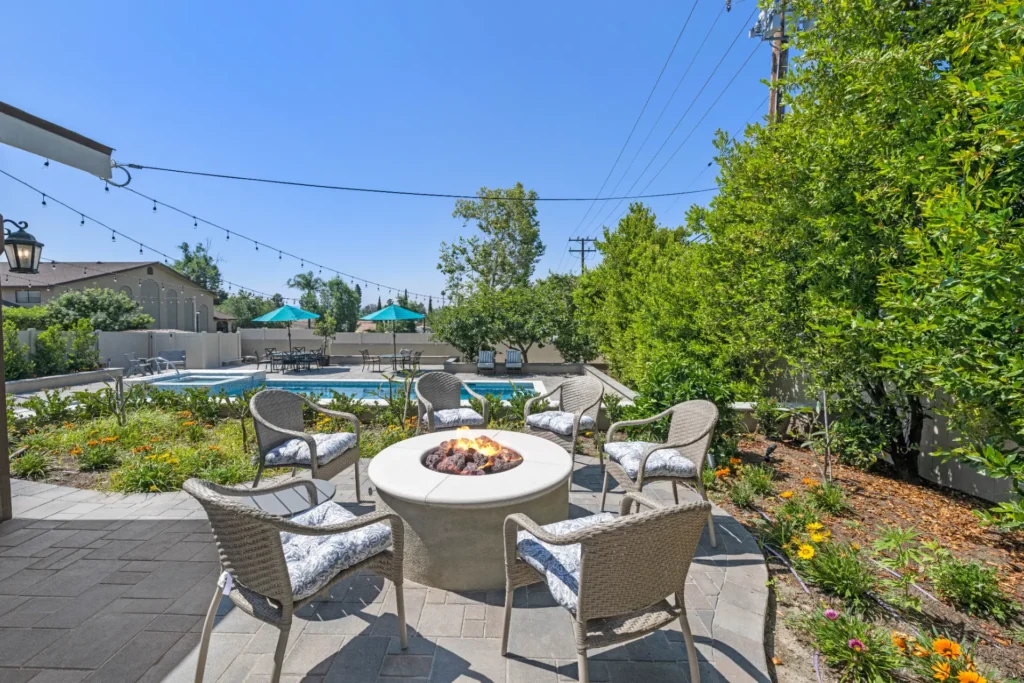
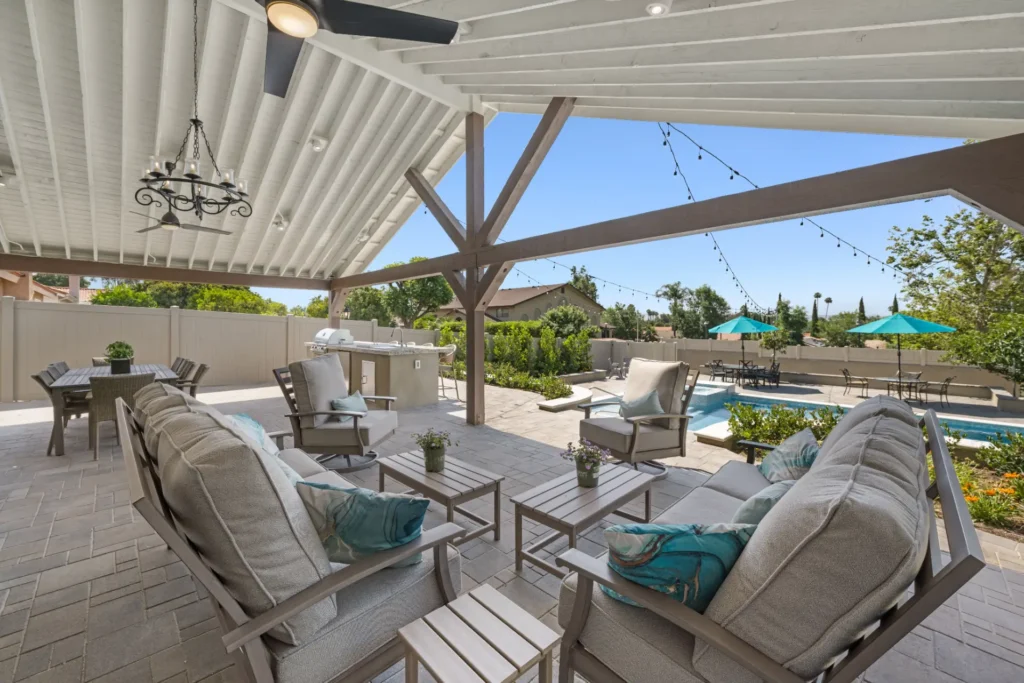
Covers & Outdoor Kitchens
Drainage & Landscape
Yard Tear-Out & Rebuild

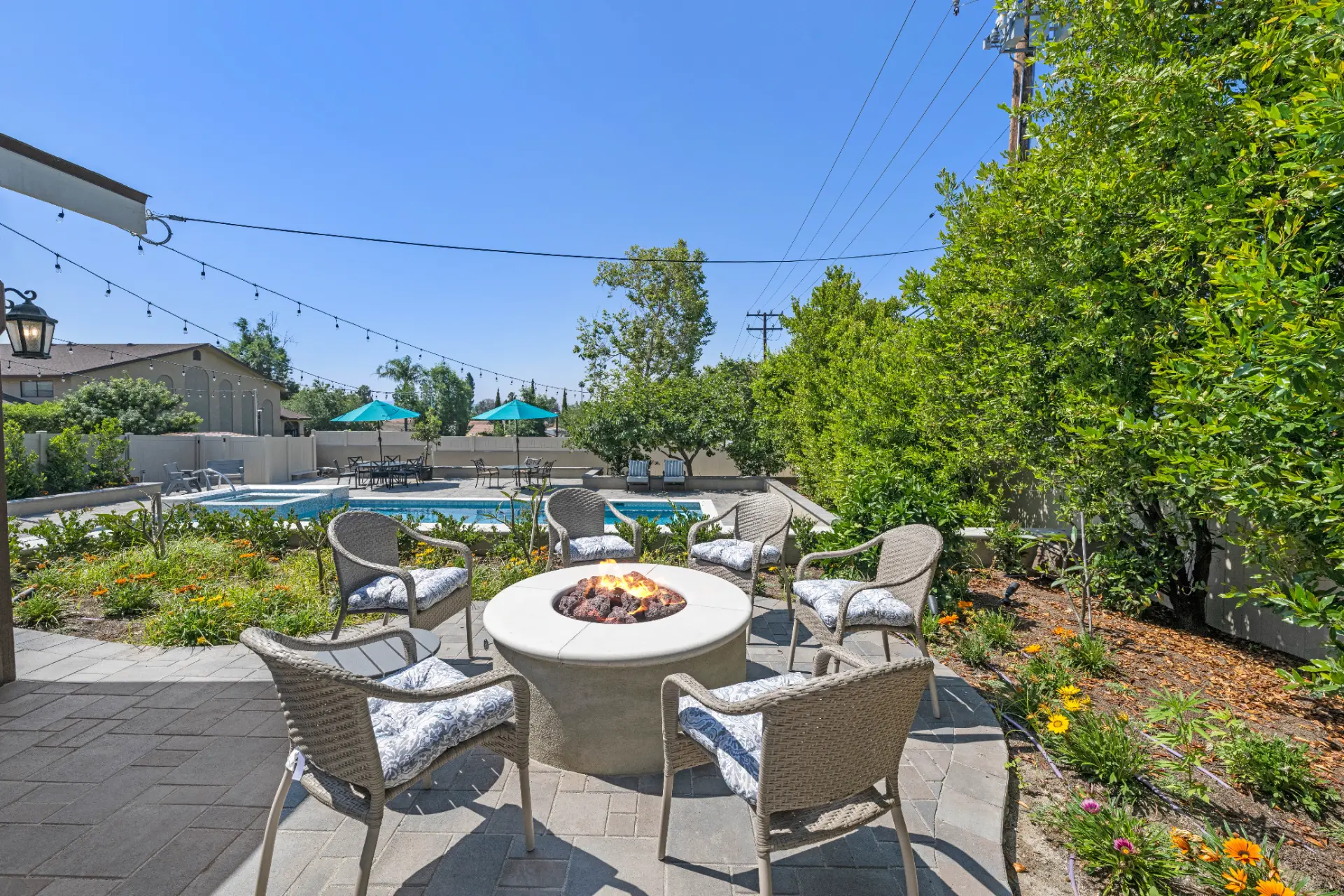
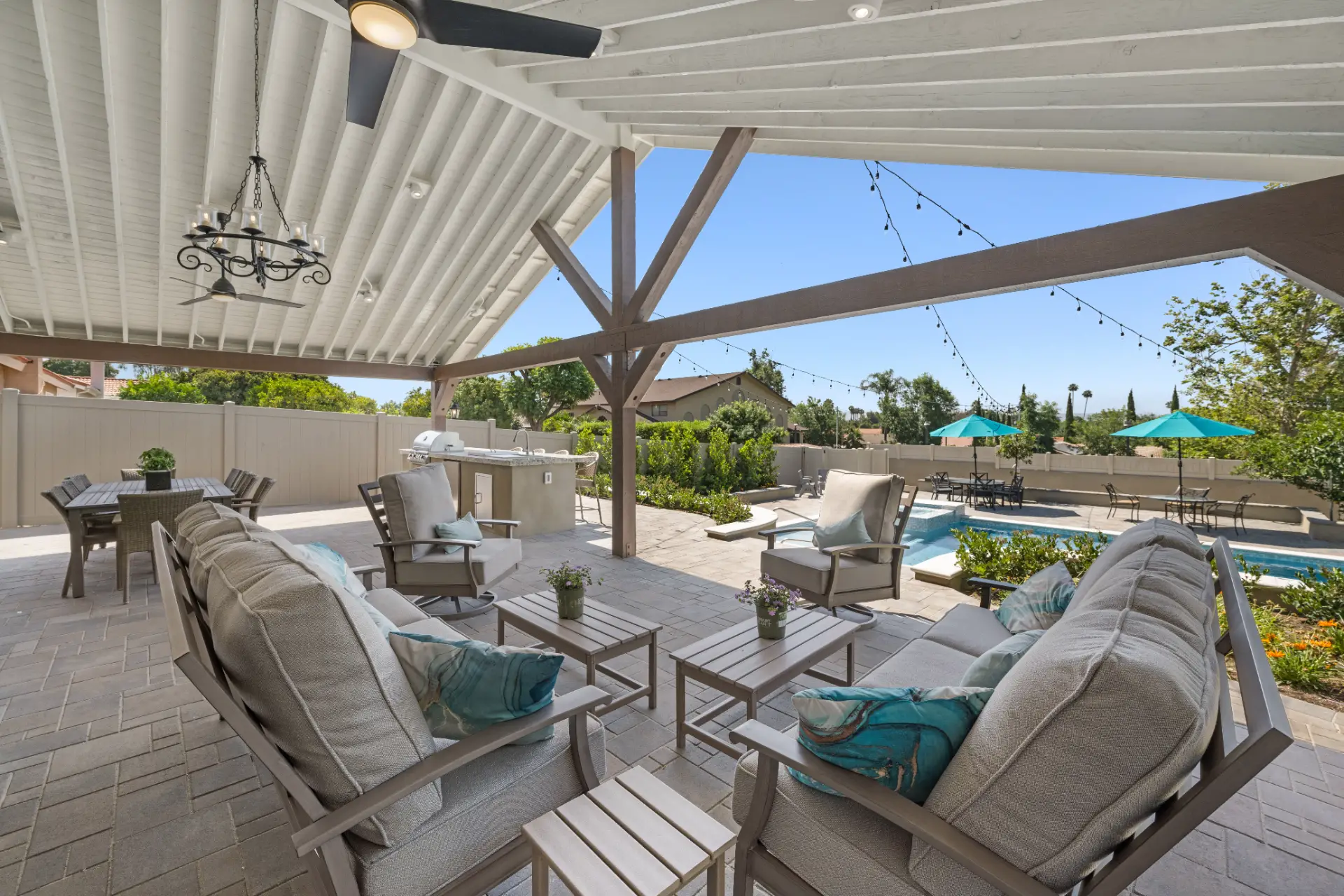
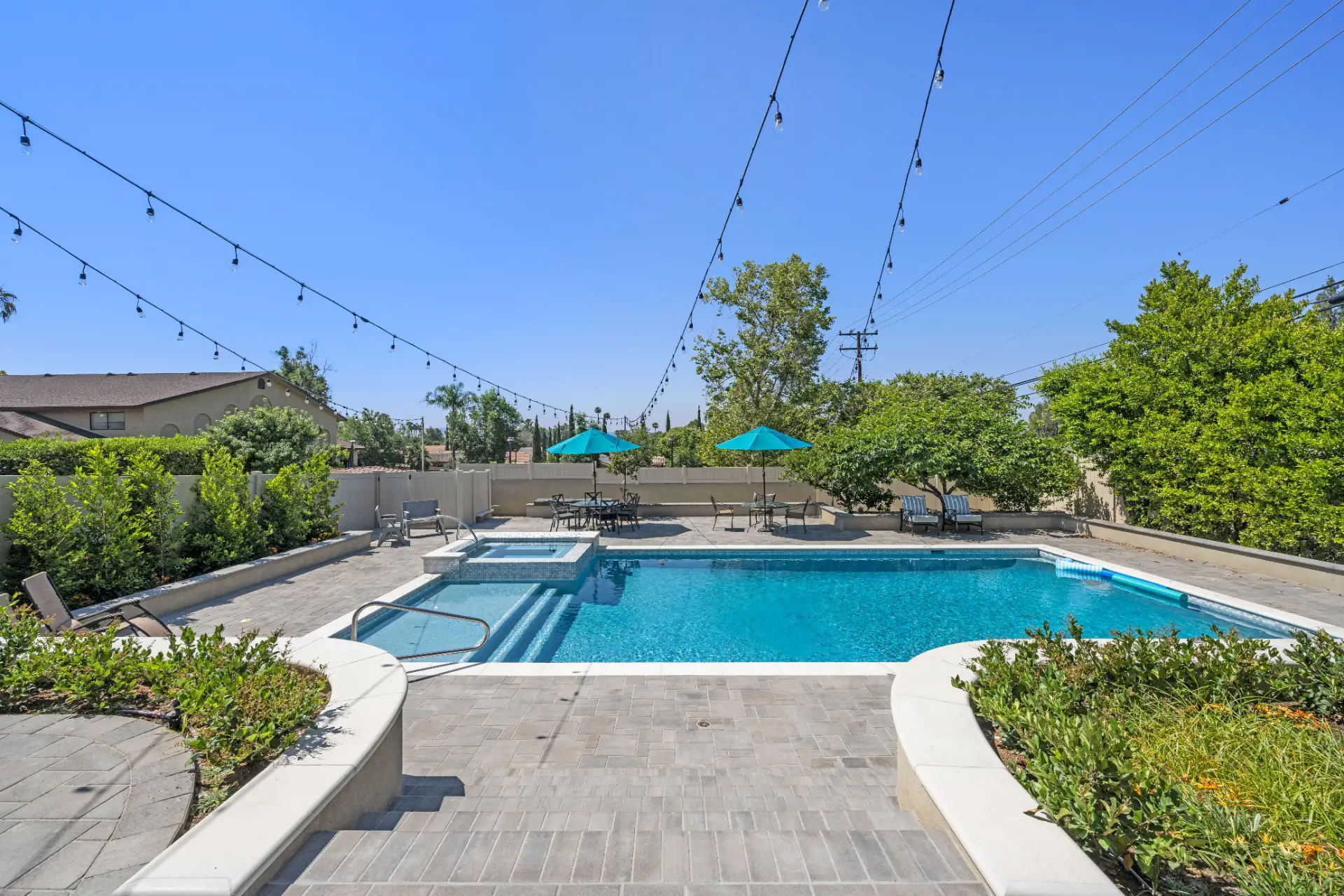
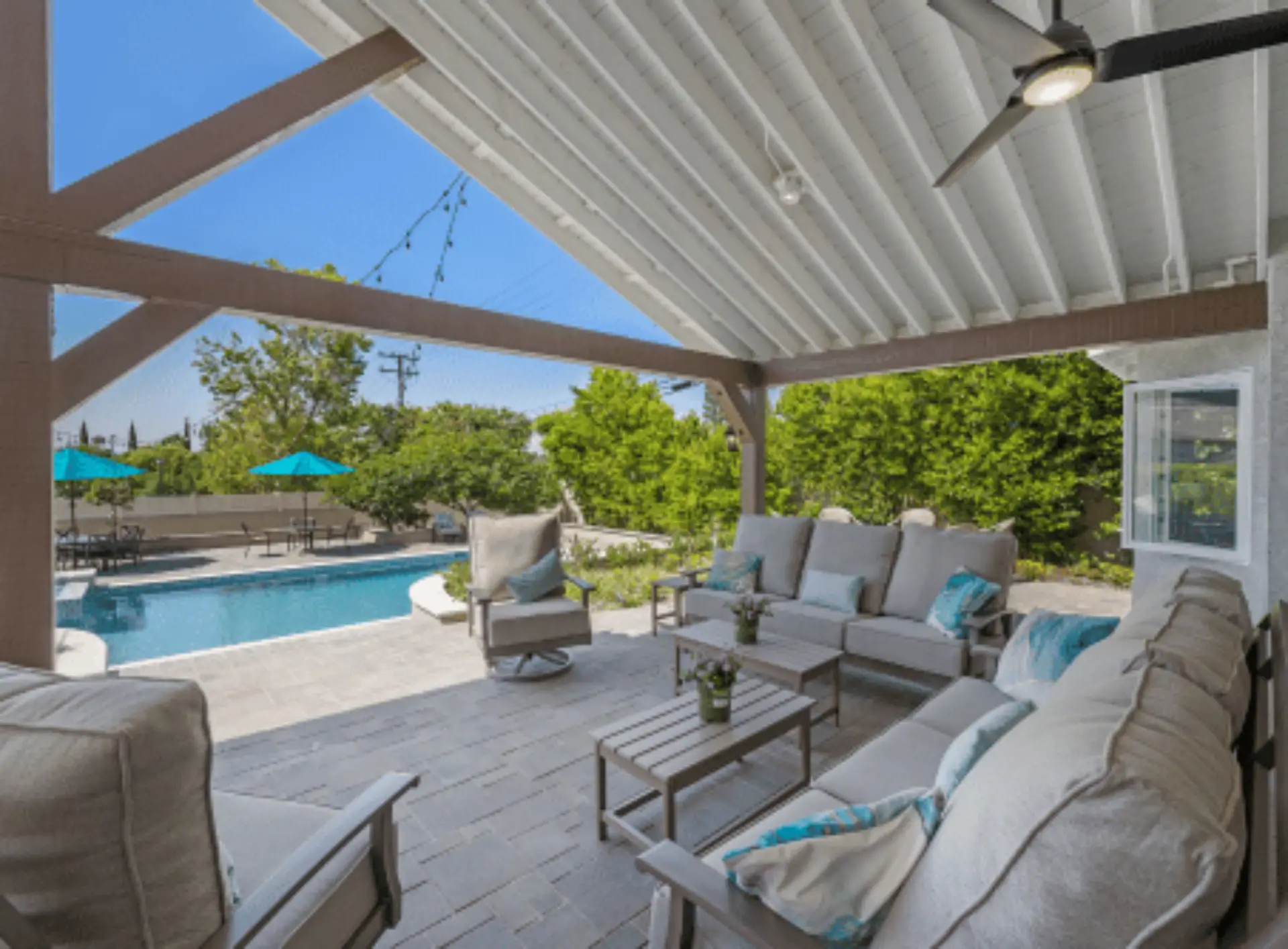
Our Backyard Remodeling Process in Monrovia
How We Approach Backyard Remodeling in Monrovia
Backyard remodeling in Monrovia starts with a site visit where we read the yard before anything else: slope, side-yard access, an existing pool if there is one, where the gas meter and electrical panel sit, and how water currently drains. Monrovia’s older foothill homes from the streetcar and 1920s eras often have yards that were graded and plumbed to period standards, so we look closely at what is failing and why, and at any structure that may never have been permitted. From there we survey the lot, record all setbacks and easements, and draw the complete yard, pool, decking, cover, outdoor kitchen, planting, grades, and drains, so nothing underground conflicts with what goes above it. You make material and product selections before demolition begins, many of them at our Fullerton design center.
Once selections are final, we coordinate engineering, prepare permit documents for the City of Monrovia Community Development Department Building Division, and handle any HOA submittal. Demolition and excavation follow, along with underground runs for gas, electrical, plumbing, drainage, and irrigation, each inspected before backfill. If your property carries a historic landmark designation under the city’s preservation ordinance, we account for the Certificate of Appropriateness review in the schedule from the start. Structures and surfaces come next, then planting, lighting, and equipment start-up, closing with final inspections and a walk-through with you.
Read More →
Pulling a backyard remodel together in Monrovia means working through the City of Monrovia Community Development Department Building Division before most of the real work begins. Pools and spas always require a permit, and so do patio covers, California rooms, new gas lines running to a grill, fire pit or pool heater, new electrical circuits, and retaining walls or grading past the city’s thresholds. Setbacks for pools, equipment pads, covers and fire features shift from one city to the next, so we verify them during layout rather than waiting until plan check to find a problem. Where a homeowner’s association is involved, its architectural committee typically reviews pools, covers, walls and visible landscape changes before the city does, and we build that review window into the schedule from the start.
Monrovia’s housing stock adds a layer of planning that newer suburbs rarely require. The city grew in distinct waves from the 1886 townsite period through the Pacific Electric streetcar years and into the 1920s building boom, and many of the foothill properties from those eras sit within one of 164 city-designated historic landmarks. If your address carries landmark status under Monrovia’s 1995 preservation ordinance, exterior work goes through a Certificate of Appropriateness review, and Mills Act contracts are available to qualifying owners. Older lots from the streetcar and 1920s eras also tend to have mature trees, established grades and utility placements that don’t show clearly on county records, so we walk every site before drawings go to the building division.
Drainage is what determines whether a finished backyard holds up over time. Each new patio, pool deck or solid-roof cover adds hard surface, and rain that once soaked into a lawn becomes runoff. We set grades in the drawings so the ground falls away from the house on every side, tie downspouts into drain lines, and add area or channel drains wherever hardscape meets the structure. Permeable pavers, decomposed granite and planted areas go where they fit the design and the grading. Water is directed to an outlet the city permits, generally the street curb, and never over the property line onto a neighboring lot.
A few state and regional rules apply regardless of city. California’s Model Water Efficient Landscape Ordinance covers new and rehabilitated landscapes, and larger permitted projects can require a water budget and irrigation plan as part of the submittal. If a turf replacement rebate is available through your water agency, approval has to happen before any grass is removed, the replacement area must stay permeable, and synthetic turf does not qualify. Properties in a CAL FIRE mapped Fire Hazard Severity Zone require a different approach near the house: the first five feet around the structure call for hardscape or gravel rather than bark mulch, fire pits need clearance from overhangs and trees, and attached patio covers are designed with ignition resistance in mind. Finally, when a permit is issued for a new or remodeled pool or spa at a single-family residence, state law requires at least two of seven drowning-prevention features to be in place before final inspection.
Other Remodeling Services We Offer
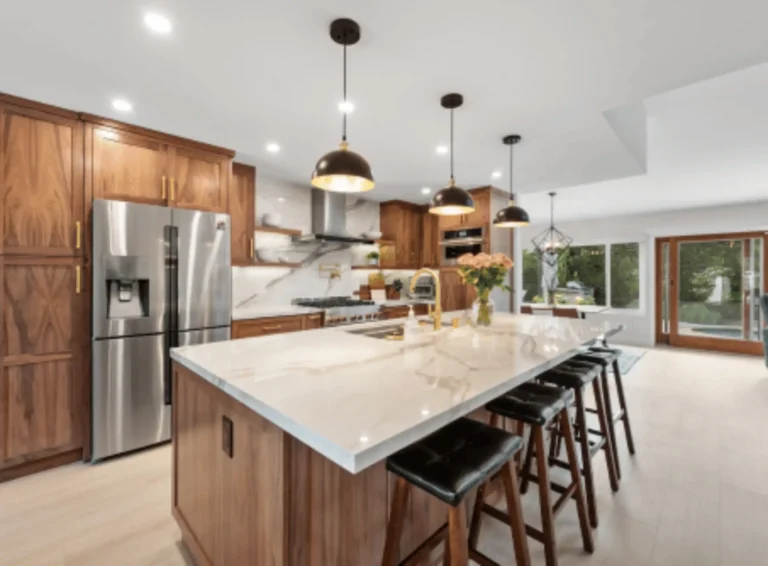
A kitchen remodel touches more trades than any other room in the house: layout, cabinetry, plumbing, electrical, ventilation and finishes. Horizon designs and builds kitchen remodels under one contract, from the measured layout to the final inspection.
Whether you envision a classic Southern California pool or a fully customized backyard oasis, Horizon Construction & Remodeling delivers the highest level of quality and service. Our comprehensive pool design and remodeling services cover everything from layout and decking to built-in BBQs and final touches like landscaping. Let Horizon be your trusted partner in transforming your backyard into the perfect outdoor retreat.

If you are planning a complete bathroom remodel or simply want to change your tub, shower, update your plumbing fixtures, or make the space more efficient, our team at Horizon will help you through the process with expert advice, professional craftsmanship, and affordable options with beautiful results. Learn more about our bathroom remodeling services.
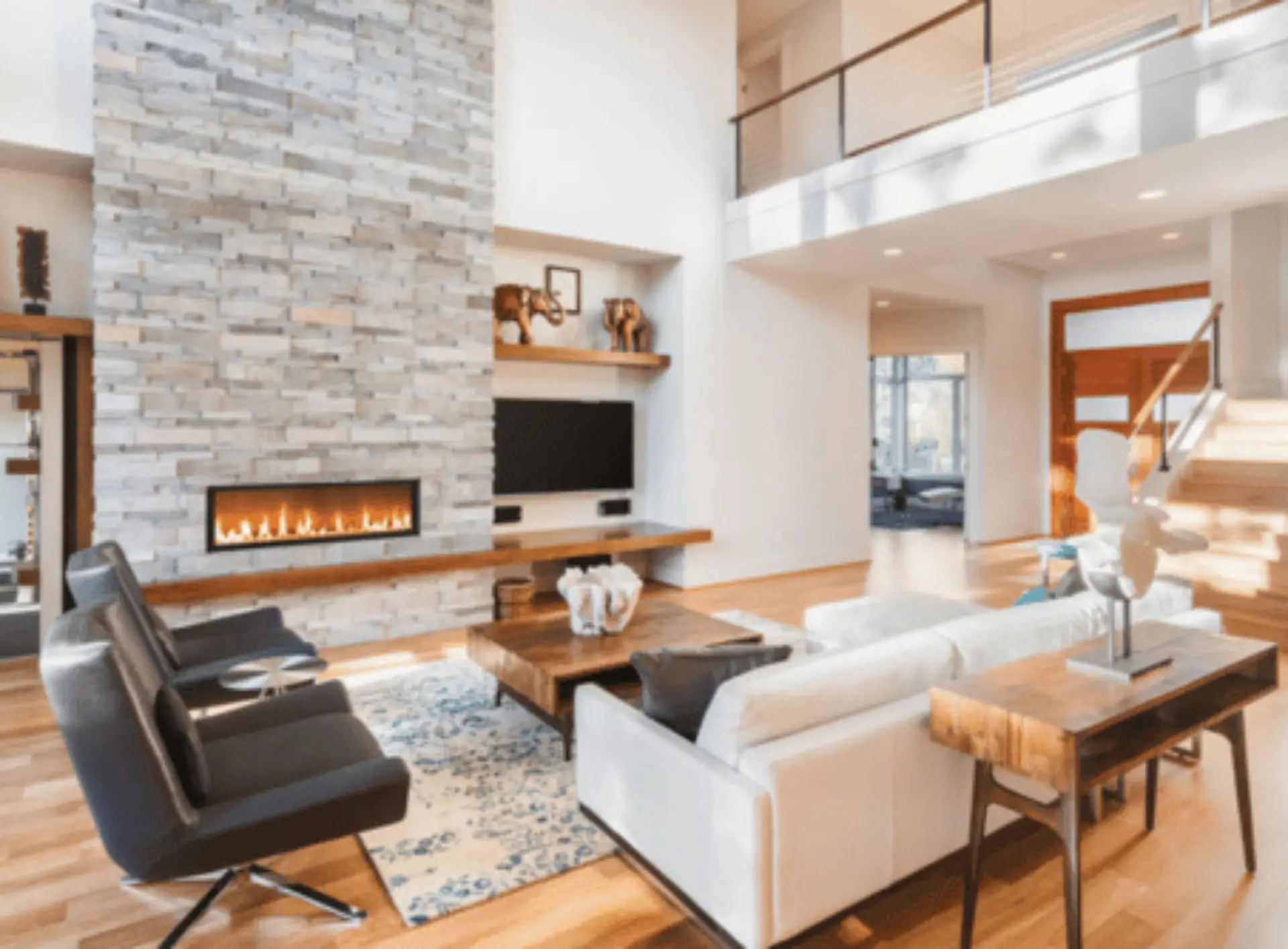
Transform your space with our expert interior work services. We offer a comprehensive range of solutions — from space planning and custom design to the selection of high-quality finishes and materials. Our team of experienced professionals works closely with you to create a space that’s both functional and stylish, tailored to your unique needs, goals, and budget. Whether you’re updating a single room or overhauling your entire interior, we bring precision, creativity, and craftsmanship to every project.
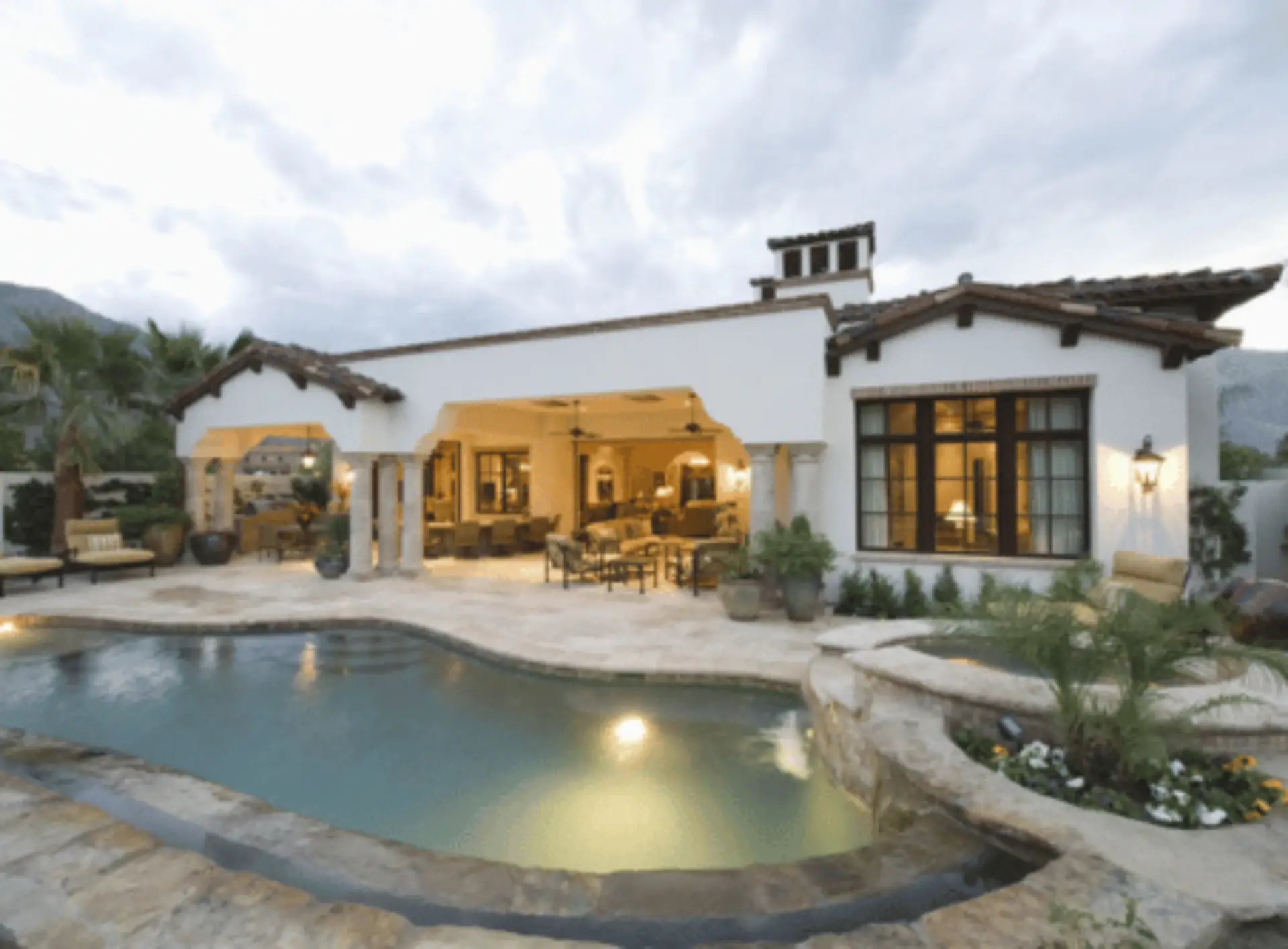
At Horizon, we believe your home is more than just four walls — it’s where life happens. It’s the place you relax, gather with family and friends, and create lasting memories. That’s why we offer a full range of exterior work services designed to elevate your outdoor living space. From patios and hardscaping to custom decks and exterior renovations, we help turn your vision into a dream yard that complements your lifestyle and enhances curb appeal.

At Horizon Construction & Remodeling, our expert team includes a dedicated design and planning division that works hand-in-hand with licensed architects and structural engineers. We take care of everything — from detailed plans and blueprints to securing city permits — so you don’t have to deal with delays or red tape. Our goal is to streamline the process and provide a fully approved set of documents that aligns with both your vision and city regulations, saving you time and stress.
Why Choose Horizon Remodeling For Backyard Remodeling in Monrovia
Horizon Construction and Remodeling Inc. has been a licensed and bonded Class B general building contractor in Southern California since 2009. A Class B license is the right fit for backyard remodeling because jobs like these pull together framing, flatwork, electrical, gas, and plumbing on a single site, and a general building license covers that combination of trades in a way a single specialty license cannot.
Many homes in Monrovia date to the streetcar era and the building surge of the 1920s, when rooms and outdoor spaces were laid out for a different way of living. A design-build approach keeps design, engineering coordination, permit submissions to the City of Monrovia Community Development Department Building Division, and construction under one contract managed by one project manager. That matters on older foothill properties, where grades, drainage, and existing structures all have to be read together before anything is drawn or ordered.
Specialty trade portions of every project are performed by appropriately licensed subcontractors coordinated by Horizon, so you deal with one point of contact rather than separate contractors who each see only their piece of the work. Call (714) 449-9035 to schedule a site visit and get a free estimate.
Schedule a Consultation
Backyard Remodeling FAQ
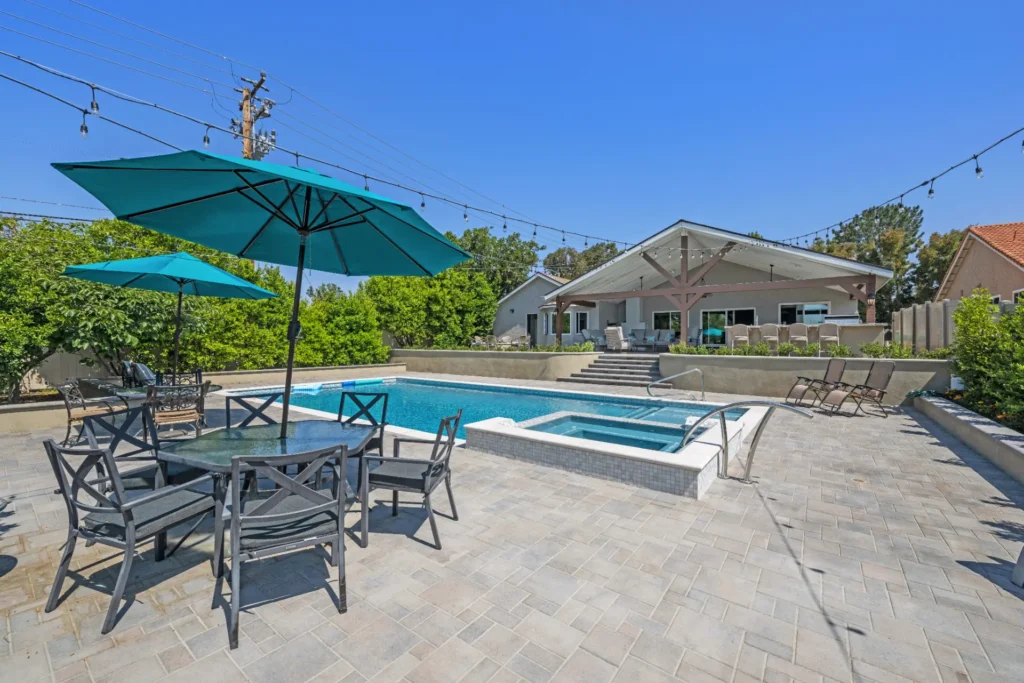
Do I need a permit for a backyard remodel in Monrovia?
Most backyard remodeling work in Monrovia does require a permit, though small jobs like replanting or resurfacing a modest patio typically do not. Patio covers, California rooms, pools and spas, taller retaining walls, meaningful grading, and new gas or electrical circuits all go through the City of Monrovia Community Development Department Building Division, and underground gas, electrical, and plumbing runs are inspected before they are covered. Pool projects must also meet state drowning-prevention requirements to reach final inspection. Many of the older foothill homes built during the streetcar and 1920s eras carry historic landmark designation under the city’s 1995 preservation ordinance, which can add a Certificate of Appropriateness review to the process. We sort through the local rules at layout, prepare the drawings, pull every permit the scope requires, and work through plan-check comments until approvals are in hand.
How long does a backyard remodel take?
How long a backyard remodel takes depends on the scope of work, how quickly permits move through the City of Monrovia Community Development Department Building Division, whether an HOA review is required, and how fast material selections get made. Lighter hardscape and planting work can run a few weeks of construction once permits are in hand, while a project combining a patio cover, outdoor kitchen, and drainage or engineered retaining walls commonly stretches to several months, with design and permitting often taking as long as the build itself. Every proposal includes a project-specific schedule.
What drives the cost of a backyard remodel?
Backyard remodeling costs in Monrovia vary based on a range of site-specific conditions, and no two projects land at the same number. Access matters first: a yard reachable only through a narrow side gate limits equipment size and increases hand labor. Slope and soil conditions shape excavation scope and retaining wall requirements. Many older foothill homes from Monrovia’s streetcar and 1920s building eras sit on lots with mature grades and dated utility runs, so distance from the gas meter and electrical panel, along with panel capacity, often affect the budget. The type of patio cover, material selections, demolition volume, and haul-off add to the total. If the property carries a historic landmark designation under the city’s preservation ordinance, a Certificate of Appropriateness review through the City of Monrovia Community Development Department Building Division is part of the permitting process, and that shapes both scope and scheduling.
What's the difference between a backyard remodel and a backyard renovation?
Backyard remodeling in Monrovia works best when drainage and any underground work are planned before surface materials are chosen, because the order matters regardless of what the project involves. Some homeowners are starting fresh, adding hardscape, a covered patio, an outdoor kitchen, or landscaping designed as a single coordinated plan. Others are repairing what has already failed: cracked or heaved concrete, a rotting deck, poor drainage, or unpermitted structures that have to come out first. In many of the older foothill homes from Monrovia’s streetcar and 1920s-era building boom, all of those conditions show up in the same backyard, and we handle them together.
Can we build the backyard in phases?
Yes, phasing a backyard remodel in Monrovia is common and very workable. The most important step is mapping the entire yard before any ground is broken, so underground runs for drainage, irrigation, gas, and electrical conduit go in during the first phase rather than cutting through finished concrete later. If an outdoor kitchen or fire feature is a possibility down the road, we route that infrastructure now. Phasing does mean paying for mobilization and inspections more than once, so the tradeoff is worth discussing upfront.
Can you keep my pool and replace everything around it?
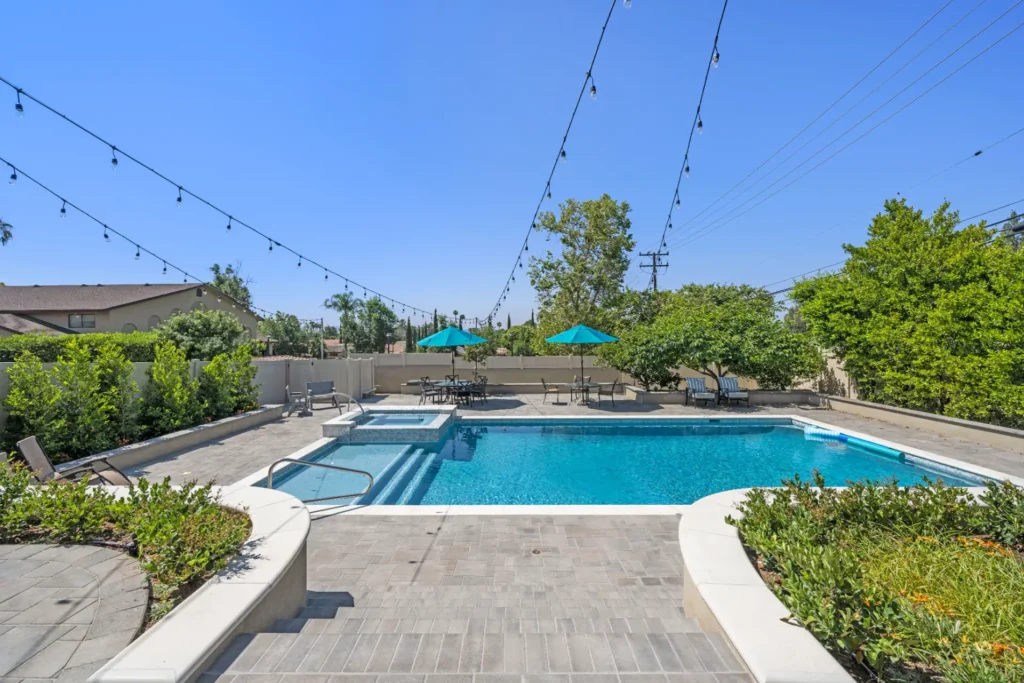
In many cases, yes, a failing pool surround can be replaced without touching the pool itself. Cracked or lifted decking, loose coping, and compromised expansion joints that allow water beneath the slab are common problems we address by replacing the deck and correcting the underlying drainage issue while the pool shell stays in place. Monrovia’s older foothill homes, many built during the streetcar and 1920s eras, often have backyards where original concrete work has simply reached the end of its service life. If the pool also needs resurfacing, new tile, or equipment work, we coordinate both scopes together so the finished deck is not poured twice.
Explore More in Monrovia
Horizon is a licensed Class B general building contractor serving Monrovia and the surrounding Los Angeles County communities.
Other Services in Monrovia
Backyard Remodeling Nearby
More Backyard Remodeling Service Areas Near Monrovia
View Our Backyard Remodeling Areas of Service
- Backyard Remodeling in Agoura Hills
- Backyard Remodeling in Alhambra
- Backyard Remodeling in Arcadia
- Backyard Remodeling in Artesia
- Backyard Remodeling in Azusa
- Backyard Remodeling in Baldwin Park
- Backyard Remodeling in Bell
- Backyard Remodeling in Bell Gardens
- Backyard Remodeling in Bellflower
- Backyard Remodeling in Calabasas
- Backyard Remodeling in Carson
- Backyard Remodeling in Cerritos
- Backyard Remodeling in Claremont
- Backyard Remodeling in Commerce
- Backyard Remodeling in Compton
- Backyard Remodeling in Covina
- Backyard Remodeling in Cudahy
- Backyard Remodeling in Culver City
- Backyard Remodeling in Diamond Bar
- Backyard Remodeling in Downey
- Backyard Remodeling in Duarte
- Backyard Remodeling in El Monte
- Backyard Remodeling in El Segundo
- Backyard Remodeling in Gardena
- Backyard Remodeling in Glendale
- Backyard Remodeling in Glendora
- Backyard Remodeling in Hawaiian Gardens
- Backyard Remodeling in Hawthorne
- Backyard Remodeling in Hermosa Beach
- Backyard Remodeling in Huntington Park
- Backyard Remodeling in Inglewood
- Backyard Remodeling in La Cañada Flintridge
- Backyard Remodeling in La Habra Heights
- Backyard Remodeling in La Mirada
- Backyard Remodeling in La Puente
- Backyard Remodeling in La Verne
- Backyard Remodeling in Lakewood
- Backyard Remodeling in Lancaster
- Backyard Remodeling in Lawndale
- Backyard Remodeling in Lomita
- Backyard Remodeling in Long Beach
- Backyard Remodeling in Los Angeles
- Backyard Remodeling in Lynwood
- Backyard Remodeling in Manhattan Beach
- Backyard Remodeling in Maywood
- Backyard Remodeling in Montebello
- Backyard Remodeling in Monterey Park
- Backyard Remodeling in Norwalk
- Backyard Remodeling in Palmdale
- Backyard Remodeling in Palos Verdes Estates
- Backyard Remodeling in Paramount
- Backyard Remodeling in Pasadena
- Backyard Remodeling in Pico Rivera
- Backyard Remodeling in Pomona
- Backyard Remodeling in Rancho Palos Verdes
- Backyard Remodeling in Redondo Beach
- Backyard Remodeling in Rolling Hills Estates
- Backyard Remodeling in Rosemead
- Backyard Remodeling in San Dimas
- Backyard Remodeling in San Fernando
- Backyard Remodeling in San Gabriel
- Backyard Remodeling in San Marino
- Backyard Remodeling in Santa Fe Springs
- Backyard Remodeling in Santa Monica
- Backyard Remodeling in Sierra Madre
- Backyard Remodeling in Signal Hill
- Backyard Remodeling in South El Monte
- Backyard Remodeling in South Gate
- Backyard Remodeling in South Pasadena
- Backyard Remodeling in Temple City
- Backyard Remodeling in Torrance
- Backyard Remodeling in Walnut
- Backyard Remodeling in West Covina
- Backyard Remodeling in West Hollywood
- Backyard Remodeling in Whittier