
Pool Remodeling in Moreno Valley
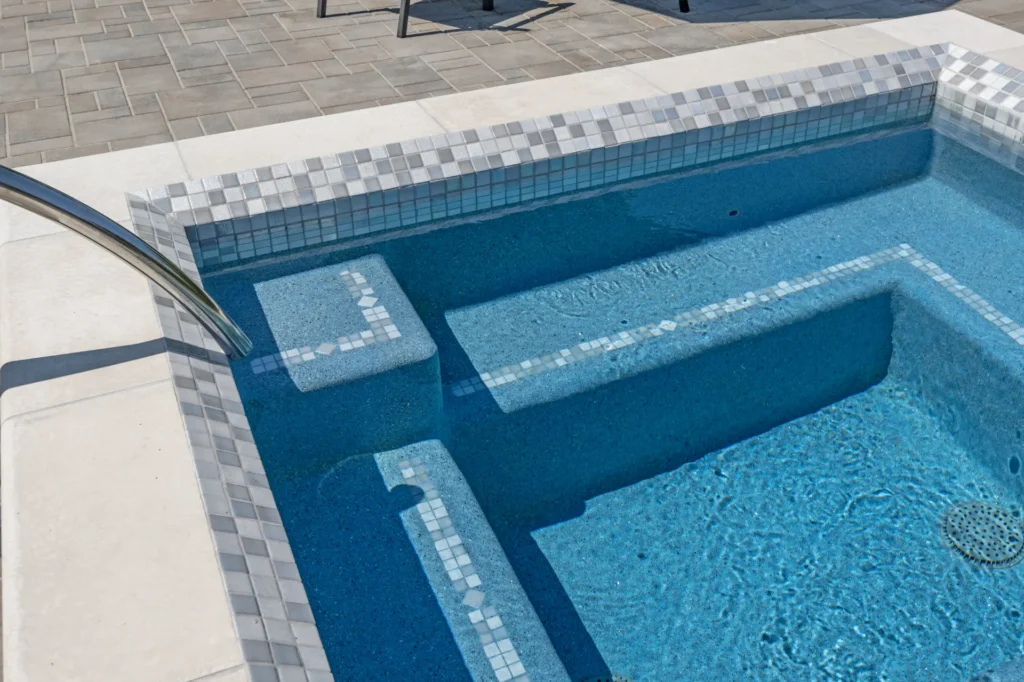
Pool remodeling in Moreno Valley typically starts with the same set of problems: plaster that feels rough underfoot, waterline tile coated in scale, a pump that runs loud through the day, and a deck that has cracked and shifted. A lot of that matches what we see in neighborhoods like Sunnymead, Edgemont, Moreno, and Rancho Belago, where pools were installed during the 1980s and 1990s growth years and are now on their second or third finish with original equipment still running. The work itself covers resurfacing, tile and coping replacement, decking, a new equipment pad, and the safety features a permitted remodel typically requires, all planned around the rest of the yard and built under a single contract through the City of Moreno Valley Building and Safety Division.
Services We Offer

Our Pool Remodeling Process in Moreno Valley
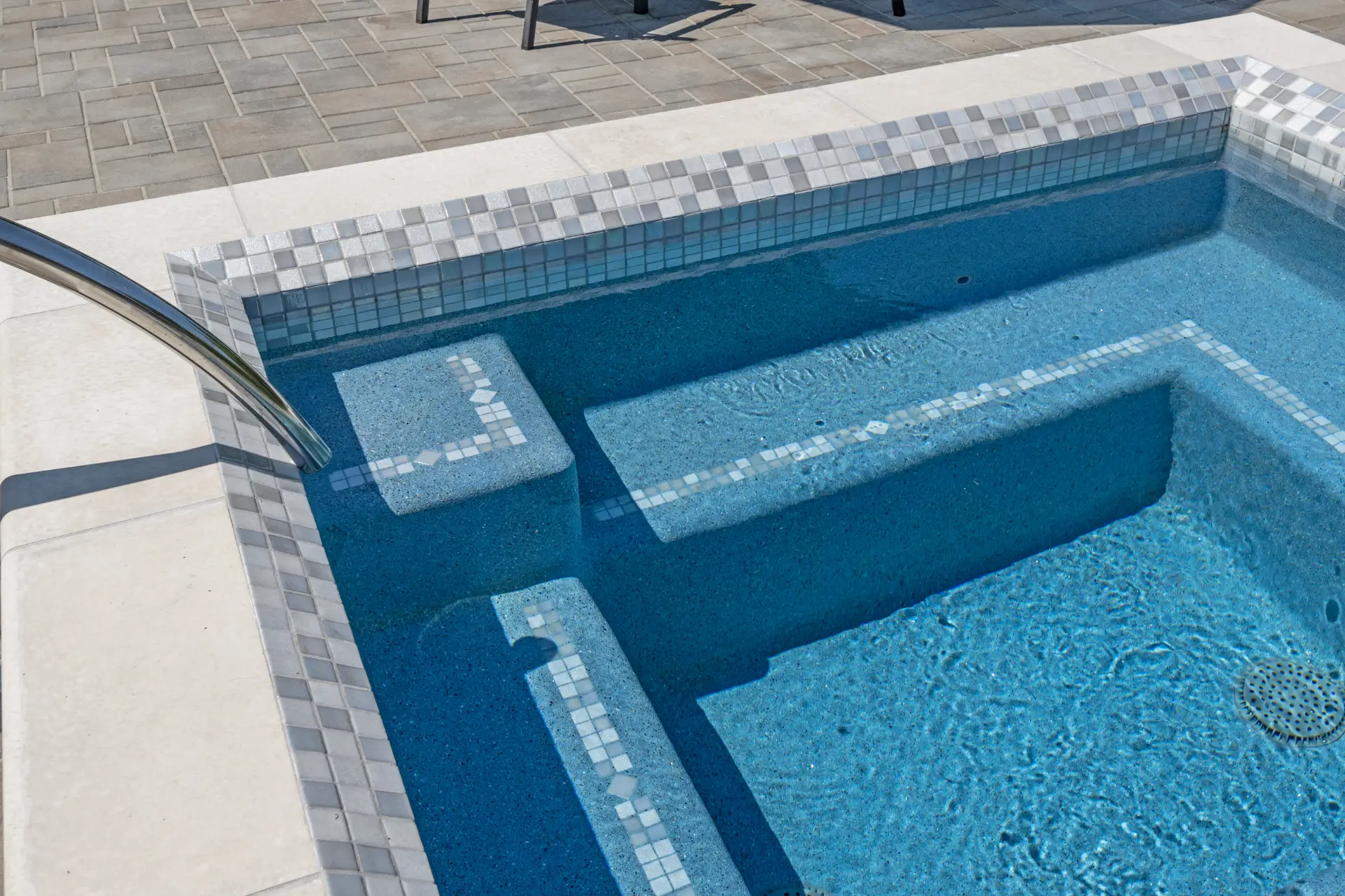
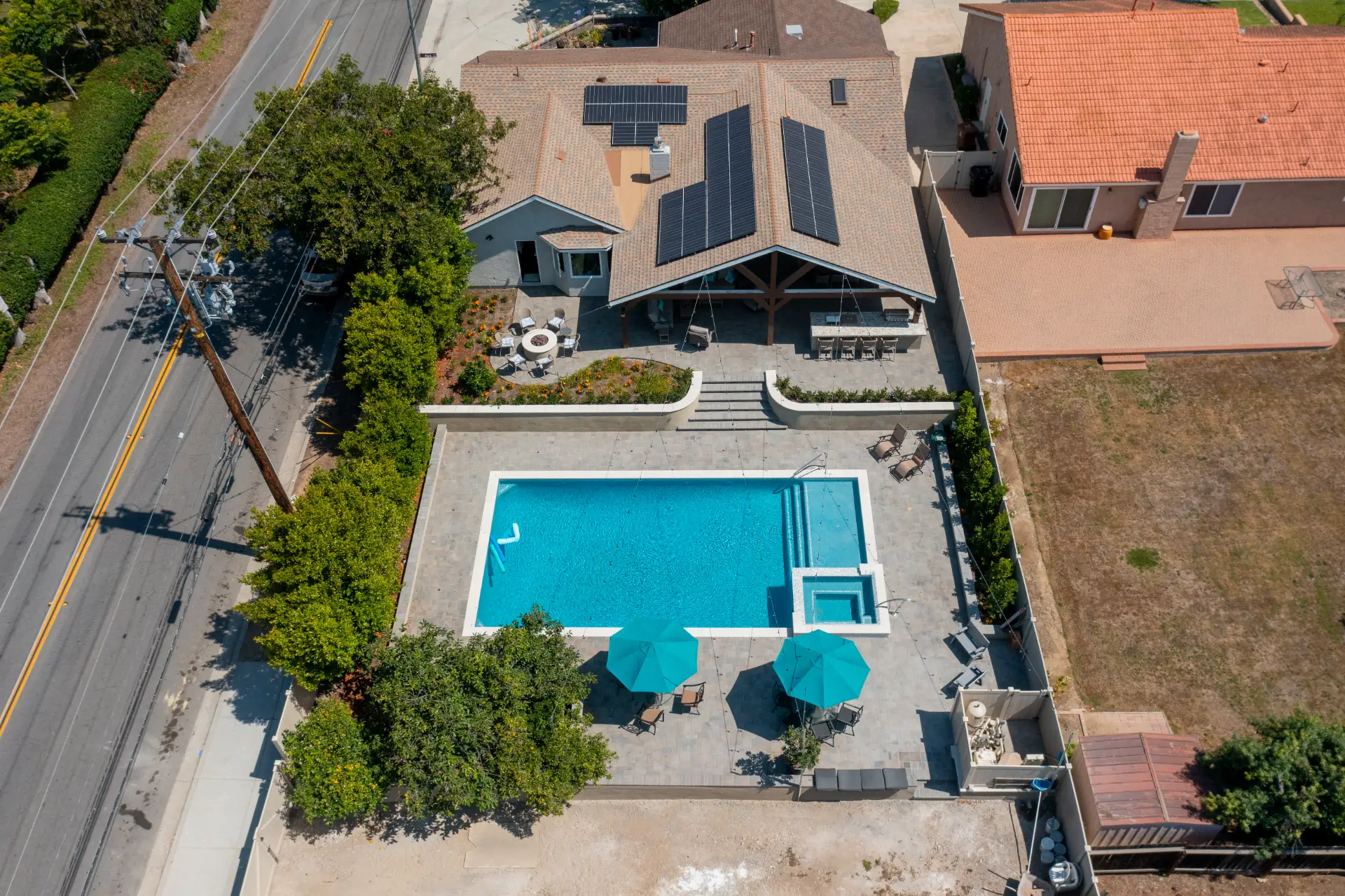
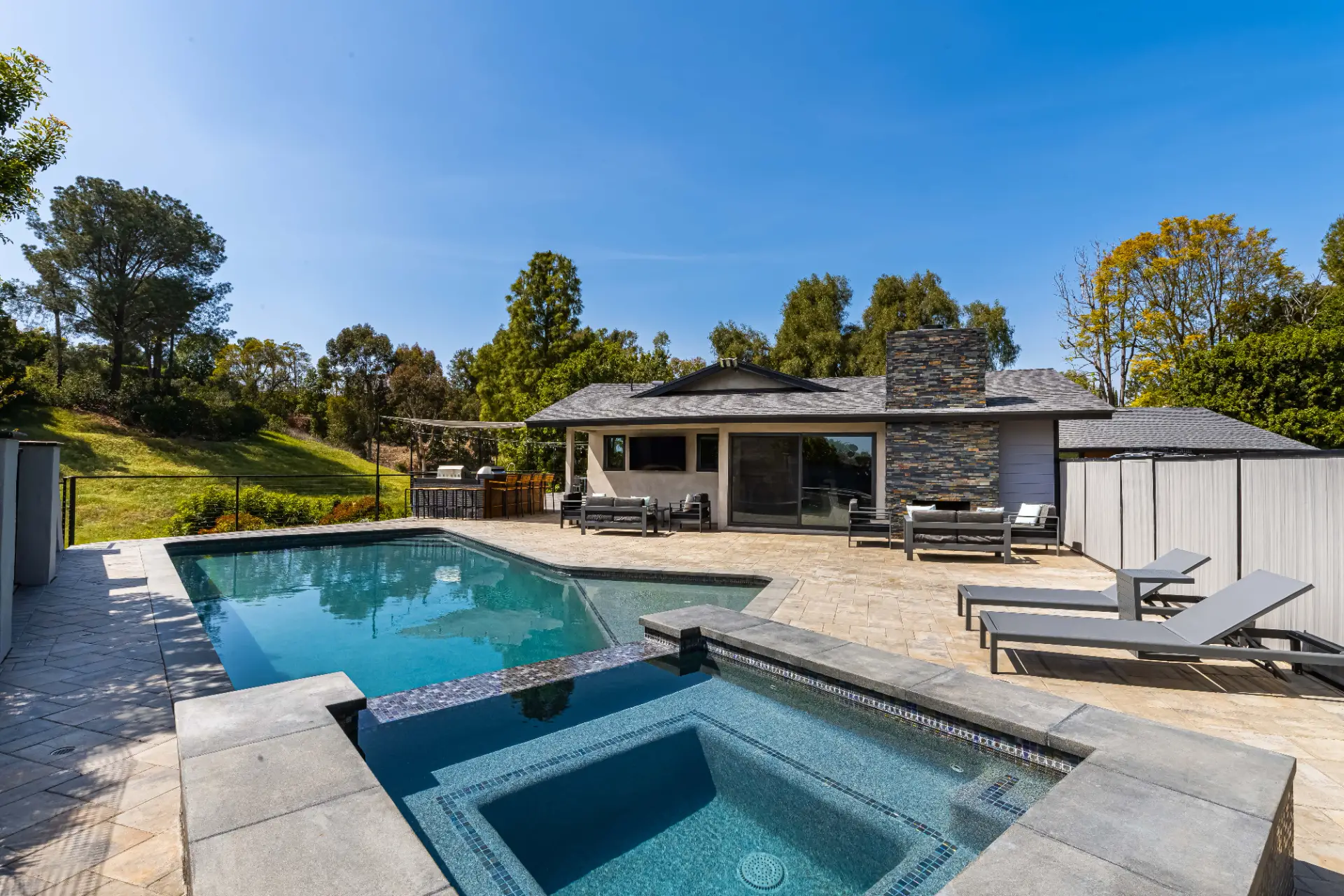
Pool remodeling in Moreno Valley begins with a thorough walk-through of the pool shell, deck, equipment pad, and surrounding yard so we understand exactly what needs replacing and what you want to improve. Many of the tract homes built here during the city’s rapid growth in the 1980s and 1990s have pools that are approaching 30 or 40 years old, and the original finishes, coping, and plumbing show it. You choose the interior finish, waterline tile, coping, and decking materials before any demolition starts, and we work through the required drowning prevention features with you so the permit submittal to the City of Moreno Valley Building and Safety Division goes in complete the first time.
Once the permit is issued, the pool is drained and the old tile, coping, and deck are removed for a close inspection of the shell. Repairs, plumbing, equipment, and electrical work follow, then tile, coping, and the new deck surface are installed. The interior finish goes on last, the pool is filled, and we carry it through the start-up period the finish manufacturer specifies. The final inspection covers all required safety features, and we walk you through operating the new equipment before we close out the job.
Read More →
Pools built during Moreno Valley’s rapid growth in the 1980s and 1990s are reaching the age where shells crack, finishes fail and equipment stops meeting current standards. Many of those pools sit behind the single-story and two-story stucco tract homes that define neighborhoods like Sunnymead, Edgemont, Moreno and Rancho Belago, and the remodeling work that brings them up to date involves more regulatory steps than most homeowners expect. Permit applications go through the City of Moreno Valley Building and Safety Division. Not every repair triggers a permit, but adding a spa, changing the pool’s shape or depth, repairing the structural shell, installing a new heater, or running new gas or electrical lines are the common triggers. We sort that out at the design stage so nothing surprises you mid-project.
One zoning detail that affects properties on qualifying rural residential and residential agricultural lots in Moreno Valley is the Primary Animal Keeping Overlay. That overlay requires designated animal keeping areas, which limits where an addition or accessory structure can be placed on the site. If your lot falls under that overlay, we review the placement of any new equipment pad, deck expansion or fencing before the design is finalized. Some of those same properties also sit within HOA jurisdictions covering areas like Rancho Belago, where the association separately reviews decking materials, fencing style and equipment location. We schedule that approval to run alongside the city permit so both processes move at the same time.
A permit for remodeling a pool or spa at a single-family home brings California’s Swimming Pool Safety Act into the scope. The pool must have at least two of seven listed drowning prevention features: an enclosure isolating the pool from the house, removable mesh fencing with a self-closing and self-latching gate, an approved safety cover, exit alarms or self-closing and self-latching devices on doors leading to the pool, or a pool alarm. The inspector verifies those features before issuing a final. Drain covers are a separate federal requirement under the Virginia Graeme Baker Act, which mandates anti-entrapment compliant covers on all drains. We replace non-compliant covers as standard practice within the project scope.
Equipment replacement is where energy and electrical rules become most visible. Under California’s Title 20 regulations, replacement dedicated-purpose pool pump motors of 0.5 total horsepower or more manufactured on or after July 19, 2021 must be variable-speed. California’s 2025 energy code also restricts the heat source for newly installed pool and spa heaters, though an exception applies when you are altering a pool that already has an existing heating system. New lights, new equipment and any metal near the water must also satisfy the bonding and GFCI requirements in the California Electrical Code. When the deck comes off, a licensed electrician inspects the existing bonding grid before any new finish goes down. That is also when the shell is fully visible. Surface crazing is expected on pools of this age, but structural cracks in a gunite or shotcrete shell, or a failed bond beam beneath the coping, are repaired before the new finish is applied, and that repair is documented in a written change order before work begins.
Other Remodeling Services We Offer
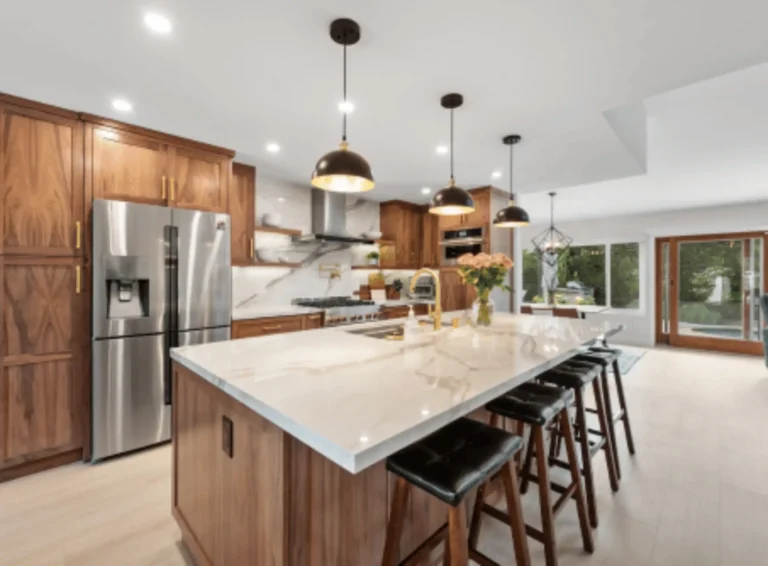
A kitchen remodel touches more trades than any other room in the house: layout, cabinetry, plumbing, electrical, ventilation and finishes. Horizon designs and builds kitchen remodels under one contract, from the measured layout to the final inspection.
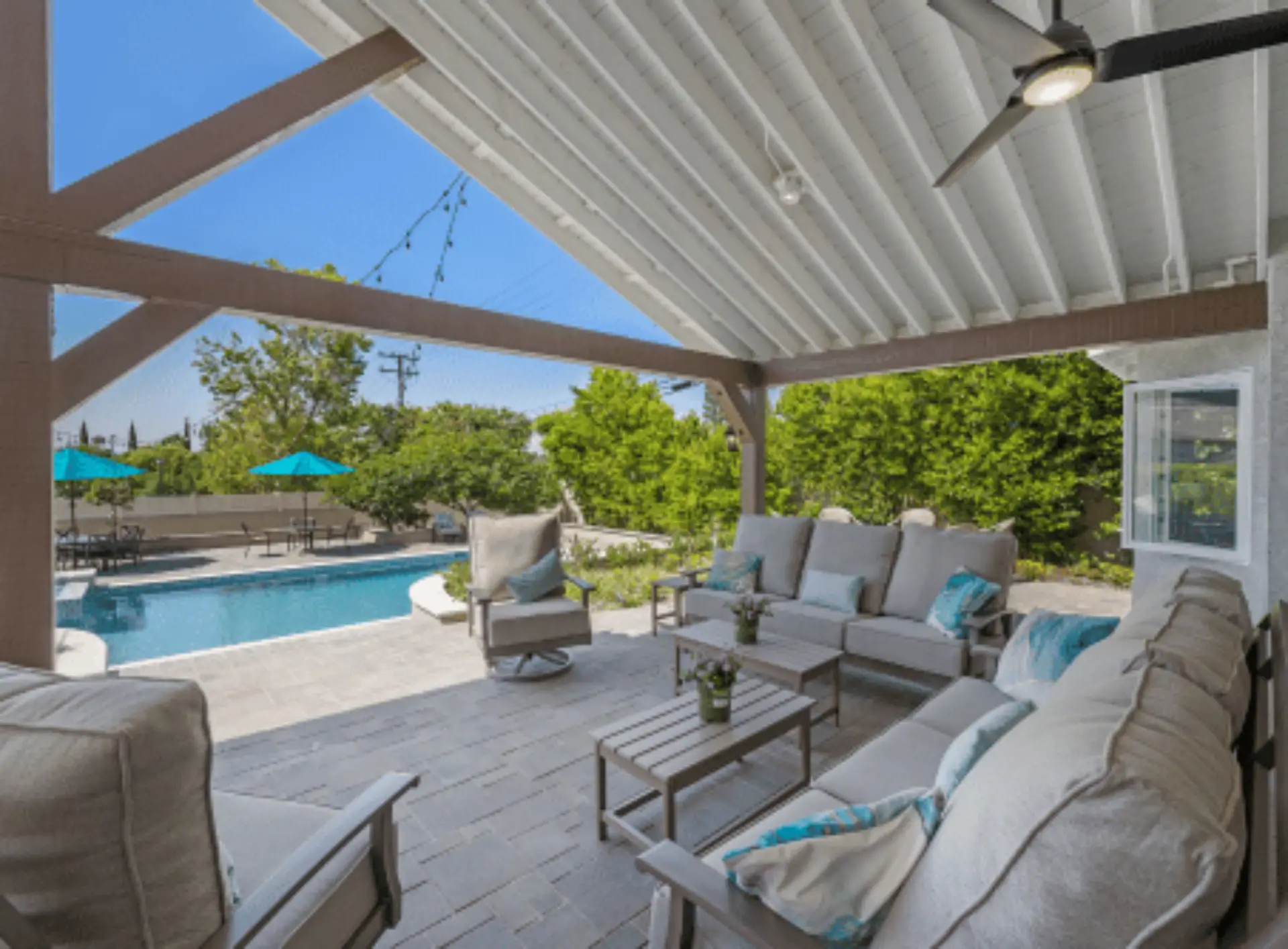
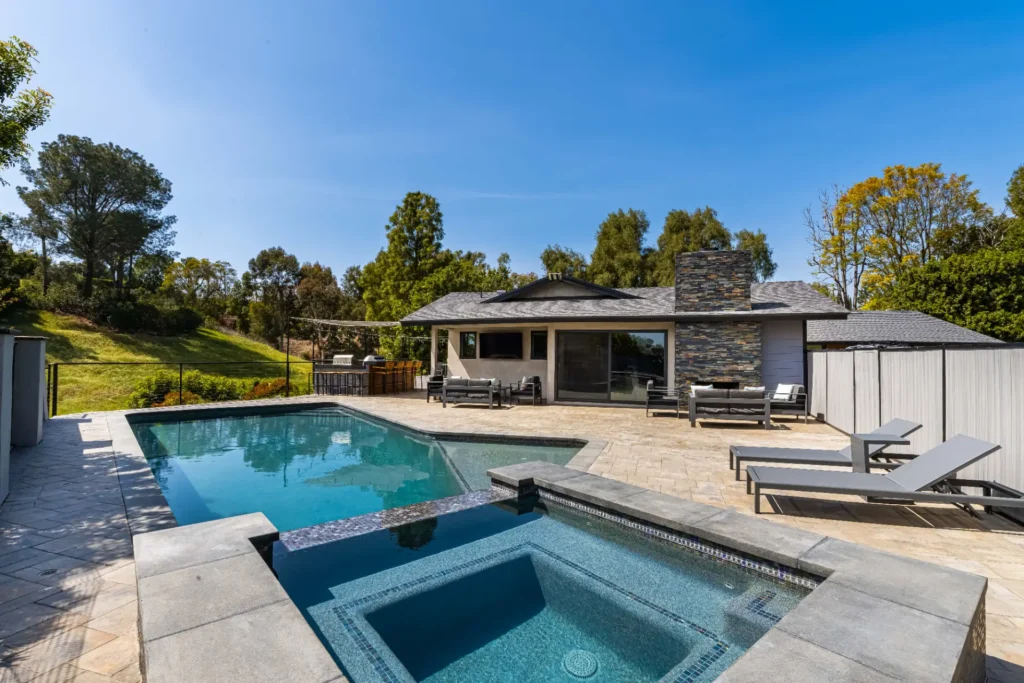
Whether you envision a classic Southern California pool or a fully customized backyard oasis, Horizon Construction & Remodeling delivers the highest level of quality and service. Our comprehensive pool design and remodeling services cover everything from layout and decking to built-in BBQs and final touches like landscaping. Let Horizon be your trusted partner in transforming your backyard into the perfect outdoor retreat.

If you are planning a complete bathroom remodel or simply want to change your tub, shower, update your plumbing fixtures, or make the space more efficient, our team at Horizon will help you through the process with expert advice, professional craftsmanship, and affordable options with beautiful results. Learn more about our bathroom remodeling services.
Transform your space with our expert interior work services. We offer a comprehensive range of solutions — from space planning and custom design to the selection of high-quality finishes and materials. Our team of experienced professionals works closely with you to create a space that’s both functional and stylish, tailored to your unique needs, goals, and budget. Whether you’re updating a single room or overhauling your entire interior, we bring precision, creativity, and craftsmanship to every project.
At Horizon, we believe your home is more than just four walls — it’s where life happens. It’s the place you relax, gather with family and friends, and create lasting memories. That’s why we offer a full range of exterior work services designed to elevate your outdoor living space. From patios and hardscaping to custom decks and exterior renovations, we help turn your vision into a dream yard that complements your lifestyle and enhances curb appeal.

At Horizon Construction & Remodeling, our expert team includes a dedicated design and planning division that works hand-in-hand with licensed architects and structural engineers. We take care of everything — from detailed plans and blueprints to securing city permits — so you don’t have to deal with delays or red tape. Our goal is to streamline the process and provide a fully approved set of documents that aligns with both your vision and city regulations, saving you time and stress.
Why Choose Horizon Remodeling For Pool Remodeling in Moreno Valley
How Horizon Handles Pool Remodeling in Moreno Valley
Horizon Construction and Remodeling is a licensed Class B general building contractor, bonded, and in business since 2009. Pool remodeling fits within our work when it is part of a larger backyard project that spans multiple trades, and that is exactly how most Moreno Valley homeowners approach it. Many of the tract homes built here during the rapid growth of the 1980s and 1990s have backyards where the pool, decking, hardscape, and equipment pad all need to be planned together from the start.
Permits for this kind of work go through the City of Moreno Valley Building and Safety Division, and coordinating that process under a single contract with one project manager keeps things moving. Pool-specific trades work as licensed subcontractors under that same contract, which means the concrete, gas lines, and electrical are all on one set of plans before anyone breaks ground.
That approach prevents the kind of rework where new decking gets torn up later to run a gas line. Proposals are written line by line so you can see what each part of the project involves and decide what to address now and what can wait. Contact us to request a free estimate.
Schedule a Consultation
Pool Remodeling FAQ


How do I know if my pool in Moreno Valley needs resurfacing or just a repair?
A chipped step or a few loose tiles usually calls for a repair, not a full resurface. When the surface is rough, stained, flaking, or sounds hollow when tapped, resurfacing makes more sense. Water loss faster than evaporation accounts for is another sign worth checking. We look at the pool in person, and once drained we can tell whether cracks are in the finish or the shell, which changes the scope. That distinction matters especially for Moreno Valley pools built during the 1980s and 1990s.
Does a pool remodel need a permit?
Most pool remodeling projects in Moreno Valley do require a permit. Work such as adding a spa, modifying the shell, structural repairs, or installing new gas or electrical systems goes through the City of Moreno Valley Building and Safety Division, while a straight replaster with no other changes may not trigger that requirement. The building department makes that call, and we manage the application, plan check, and inspections regardless. A permitted remodel also brings state drowning prevention requirements into play.
How long does a pool remodel take?
What drives the cost of a pool remodel?
Pool remodeling costs in Moreno Valley depend first on what the shell looks like once the water is out, the condition of the waterline tile, and the interior finish you select. Equipment needs come next, ranging from a single pump replacement to a complete pad with a new filter, heat pump, automation system, and replumbing. From there, any spa addition, the size and surface material of the surrounding deck, and required safety features each carry their own cost, as does permit and plan check time through the City of Moreno Valley Building and Safety Division. Our written proposal lists every item separately so nothing is bundled or hidden.
Do I have to switch to a variable-speed pump?
California’s Title 20 regulations require any replacement dedicated-purpose pool pump motor of 0.5 total horsepower or more to be variable-speed, so that is the only option available when a pump motor fails. Variable-speed units run at low speed for everyday filtration and ramp up when powering a spa, a cleaner, or a water feature. Many Moreno Valley homeowners plan this upgrade during a broader pool remodel, since the equipment pad is already being rebuilt anyway.
Will I have to add pool safety features if I remodel?
A building permit for pool or spa remodeling at a single-family home requires at least two of seven drowning prevention features under California law, such as mesh fencing with a self-closing gate, a safety cover, door exit alarms, or a pool alarm. Certain pairs do not count as two. Moreno Valley’s 1980s pools often trigger this rule, and we choose the right combination during design to fit the yard and clear inspection.
Explore More in Moreno Valley
Horizon is a licensed Class B general building contractor serving Moreno Valley and the surrounding Riverside County communities.
Other Services in Moreno Valley
Pool Remodeling Nearby
More Pool Remodeling Service Areas Near Moreno Valley
View Our Pool Remodeling Areas of Service
- Pool Remodeling in Banning
- Pool Remodeling in Beaumont
- Pool Remodeling in Bermuda Dunes
- Pool Remodeling in Blythe
- Pool Remodeling in Calimesa
- Pool Remodeling in Canyon Lake
- Pool Remodeling in Cathedral City
- Pool Remodeling in Coachella
- Pool Remodeling in Corona
- Pool Remodeling in Desert Hot Springs
- Pool Remodeling in Eastvale
- Pool Remodeling in Hemet
- Pool Remodeling in Idyllwild
- Pool Remodeling in Indian Wells
- Pool Remodeling in Indio
- Pool Remodeling in Jurupa Valley
- Pool Remodeling in La Quinta
- Pool Remodeling in Lake Elsinore
- Pool Remodeling in Menifee
- Pool Remodeling in Murrieta
- Pool Remodeling in Norco
- Pool Remodeling in Palm Desert
- Pool Remodeling in Palm Springs
- Pool Remodeling in Perris
- Pool Remodeling in Rancho Mirage
- Pool Remodeling in Riverside
- Pool Remodeling in San Jacinto
- Pool Remodeling in Temecula
- Pool Remodeling in Temescal Valley
- Pool Remodeling in Thousand Palms
- Pool Remodeling in Wildomar