
Hardscape & Outdoor Living in Moreno Valley
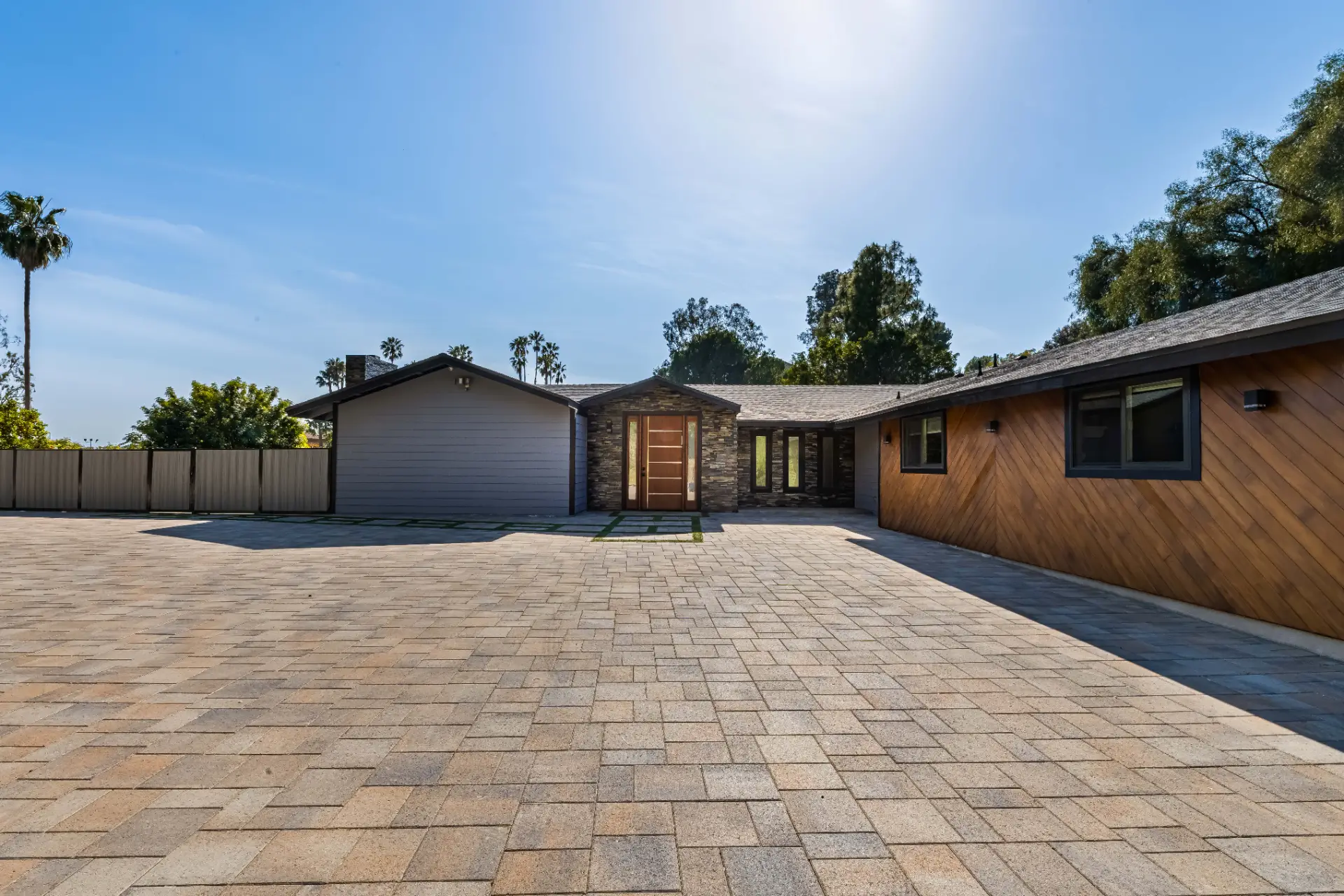
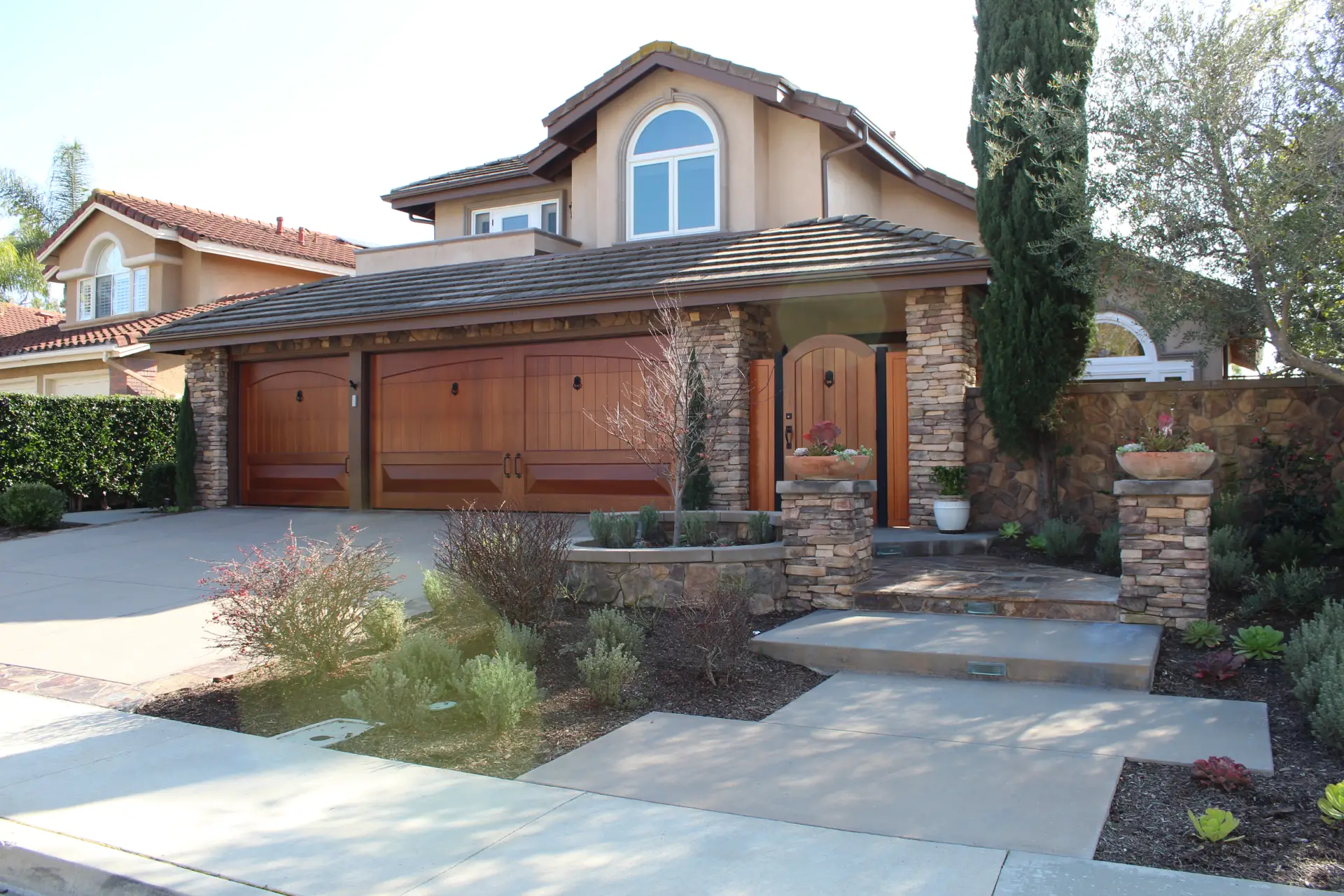
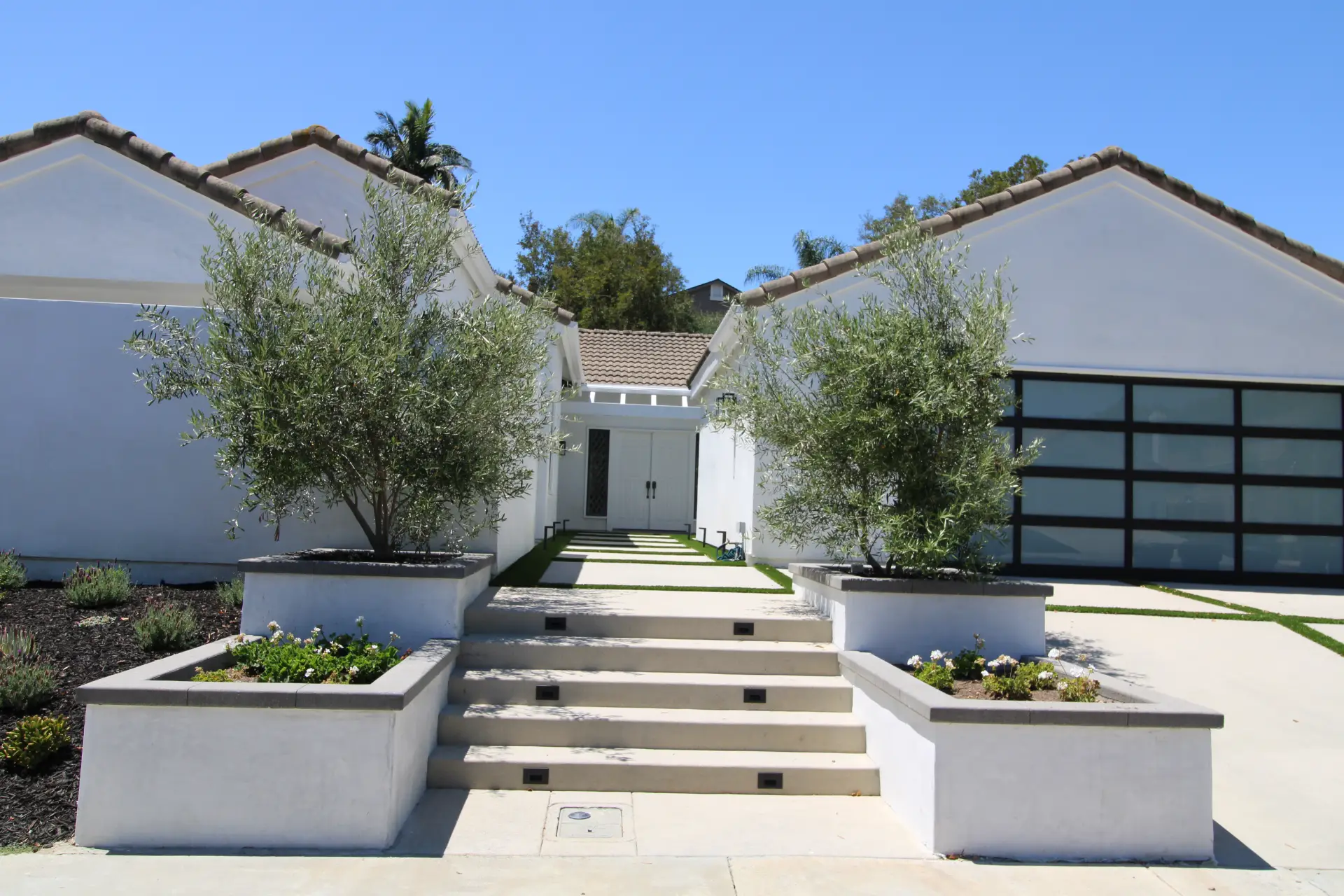
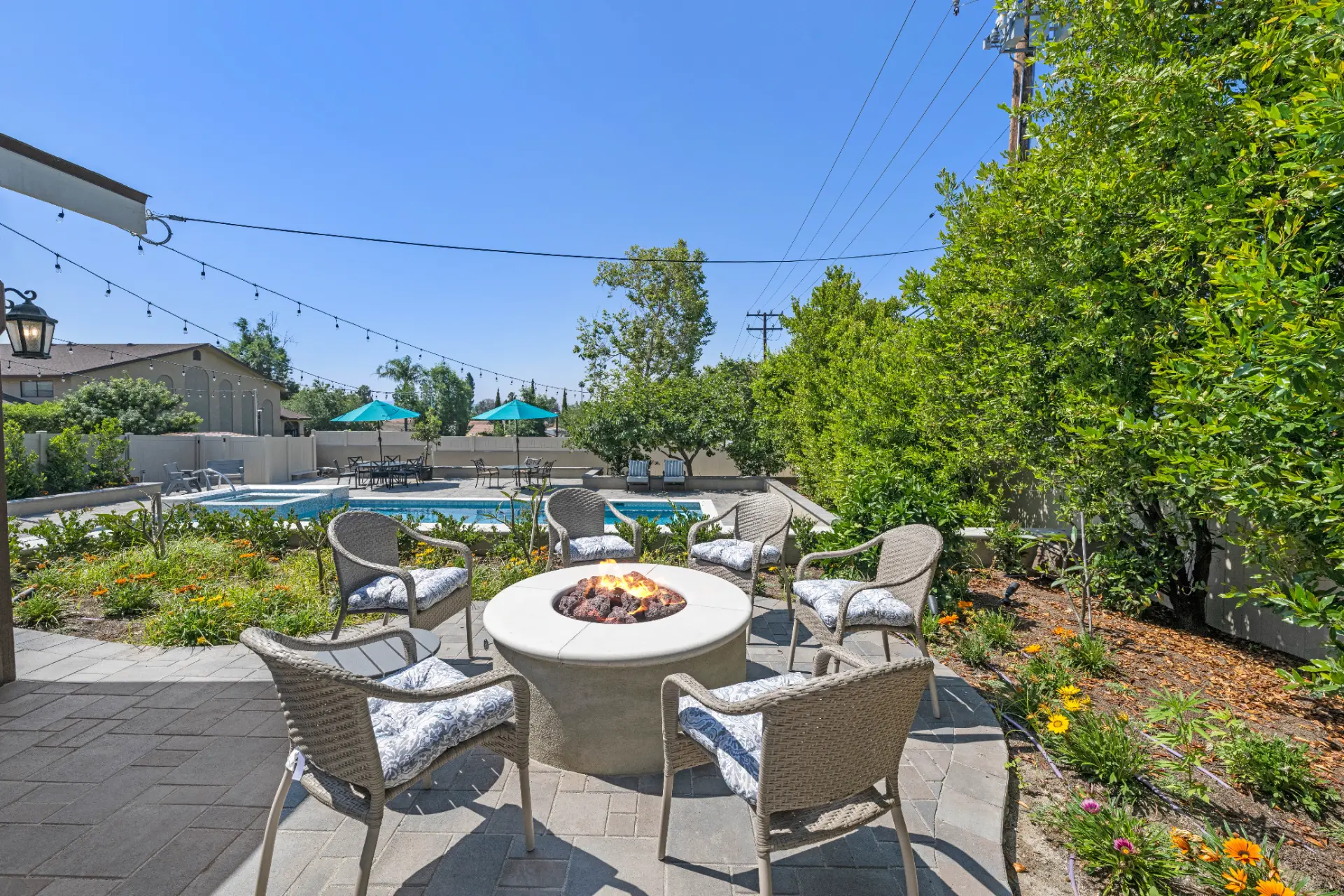
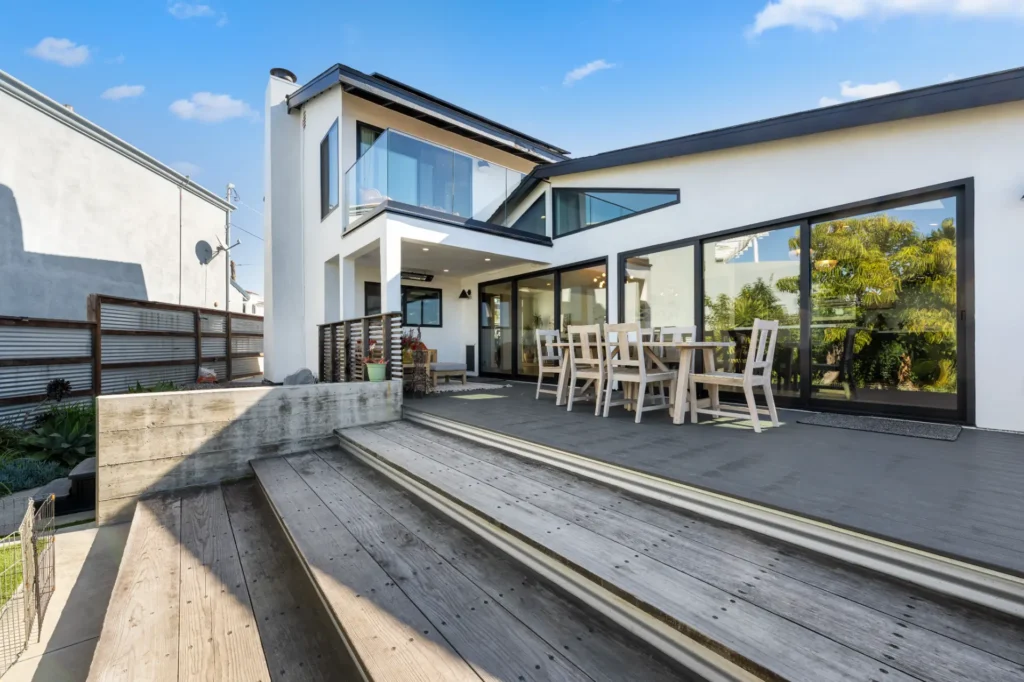
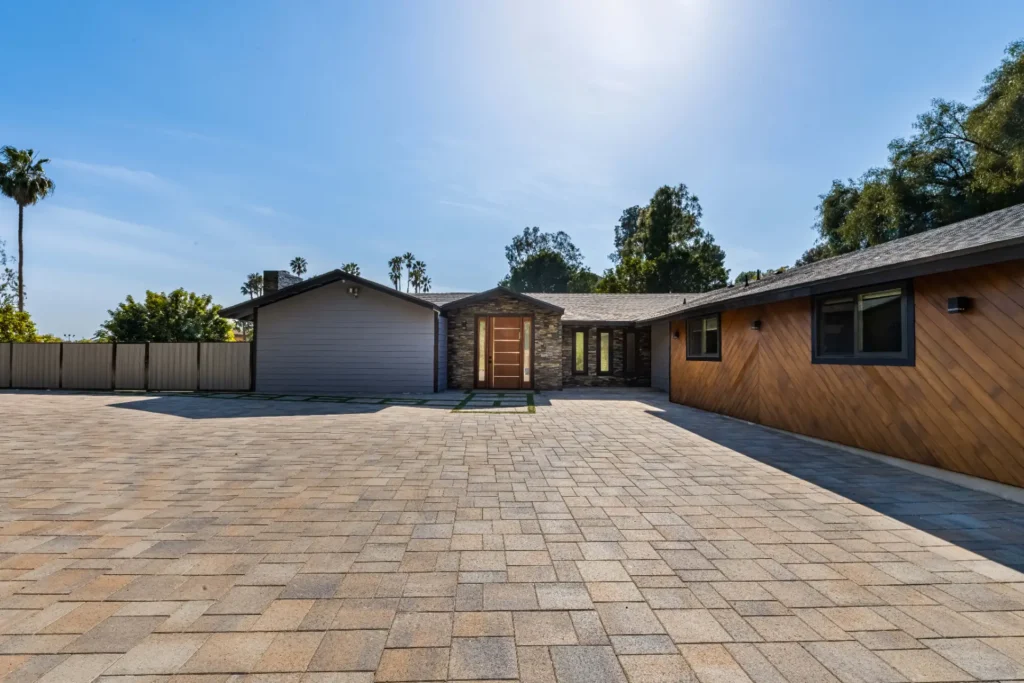
Hardscape failures almost never start at the surface. They start below it, in a base that was laid too thin or in water that had nowhere to drain. We build patios, driveways, entries, retaining walls, steps and fire pits in Moreno Valley with drainage engineered into the plan from the beginning, not added as an afterthought. Much of the housing stock here went up in the 1980s and 1990s, a period when the city expanded from around 50,000 residents at its 1984 incorporation to close to 120,000 by 1990, leaving many yards with original concrete that has since settled, cracked or begun to lean. We work across Sunnymead, Edgemont, Moreno and Rancho Belago, and we carry the project from design through permits with the City of Moreno Valley Building and Safety Division and through finished construction under a single contract.
Services We Offer
Drainage & Grading
Fire Pits & Fireplaces
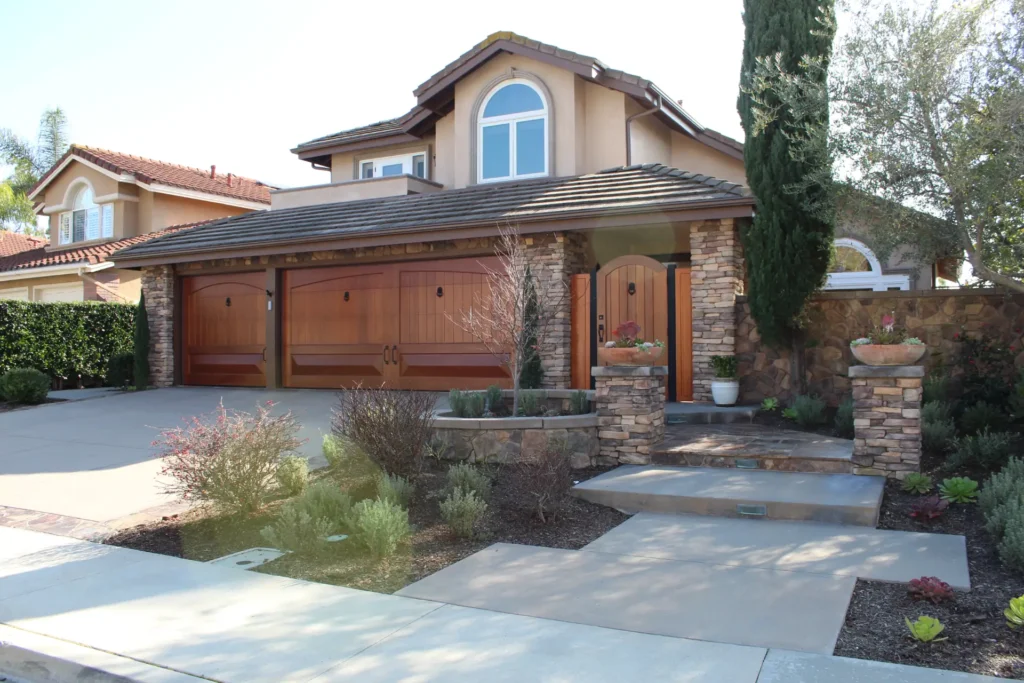
Entries, Walks & Steps

Our Hardscape & Outdoor Living Process in Moreno Valley
How We Approach Hardscape and Outdoor Living in Moreno Valley
Planning hardscape and outdoor living in Moreno Valley begins with a thorough site visit before anything else happens. Most homes here are 1980s and 1990s tract builds on slab foundations, and that construction era often means existing concrete flatwork, established drainage patterns, and utility layouts that directly shape what we can build and where. On lots subject to the city’s Primary Animal Keeping Overlay, we also confirm early on where designated animal keeping areas fall, since those zoning constraints determine where a patio cover, retaining wall, or accessory structure can legally sit. All permits go through the City of Moreno Valley Building and Safety Division, and we handle that process on your behalf.
Once the site picture is clear, we produce the layout drawings in-house, covering finished grades, drain locations, and wall details, so any revisions happen on paper rather than mid-construction. Structural or geotechnical engineers join the project wherever a wall height or soil condition requires their input. Demolition and excavation follow utility locates, and drain lines, conduit, and subsurface work go in while the ground is open. Base material is placed in compacted lifts with slope built in, then walls, steps, and finished surfaces are installed in sequence. A final inspection and a walk-through with you close out the project.
Read More →
Permits for hardscape and outdoor living projects in Moreno Valley run through the City of Moreno Valley Building and Safety Division, and what triggers a permit depends on what you are building. A patio laid at grade often clears the permit threshold on its own, but attached patio covers, retaining walls above the code exemption, gas lines serving fire features, and lighting circuits all require permits and inspections. We sort out exactly what applies to your lot before the design is locked in, because surprises at the permit counter slow every phase that follows.
Retaining walls produce most of the code questions we field. The common exemption covers walls measuring no more than four feet from the bottom of the footing to the top of the wall, but only when the wall is not supporting a surcharge above it, such as a slope, a driveway, a pool, or a structure. A wall that looks three feet tall above grade can easily cross that four-foot threshold once the footing depth is added. Some jurisdictions are stricter near slopes. Regardless of whether a wall requires a permit, every wall we build gets a perforated drain line, gravel backfill, and outlets to move water out, because saturated soil is the primary reason walls fail. On lots in Moreno Valley where the Primary Animal Keeping Overlay applies, the zoning code requires designated animal keeping areas on qualifying rural residential and residential agricultural parcels, and that constraint can determine where a retaining wall or accessory structure can legally sit. We check overlay status early so it does not redirect the design late.
Drainage planning matters as much as the surface material itself. Parts of Southern California sit on expansive clay soil that swells when wet and contracts as it dries. We grade away from the house, add area drains or channel drains where paving cannot shed water naturally, and connect downspouts into the drainage system. Stormwater rules increasingly favor keeping rain on the property rather than routing it to the street.
A few additional details shape the scope before we finalize drawings. Driveway approaches, curb cuts, and sidewalk sections that fall within the public right-of-way require separate permits from the work on private property. Some jurisdictions cap how much of a front yard can be paved or restrict wall height within a front setback. Many homeowners associations review front-yard hardscape and ask for drawings and material samples before approving changes, and we prepare that documentation as part of the project. On lots within a mapped fire hazard zone, CAL FIRE guidance identifies the first five feet around the structure as the zone where pavers, concrete, or gravel belong in place of bark or mulch, and we account for that in the material selection. Contact us to request a free estimate and we will walk through what your specific lot requires.
Other Remodeling Services We Offer
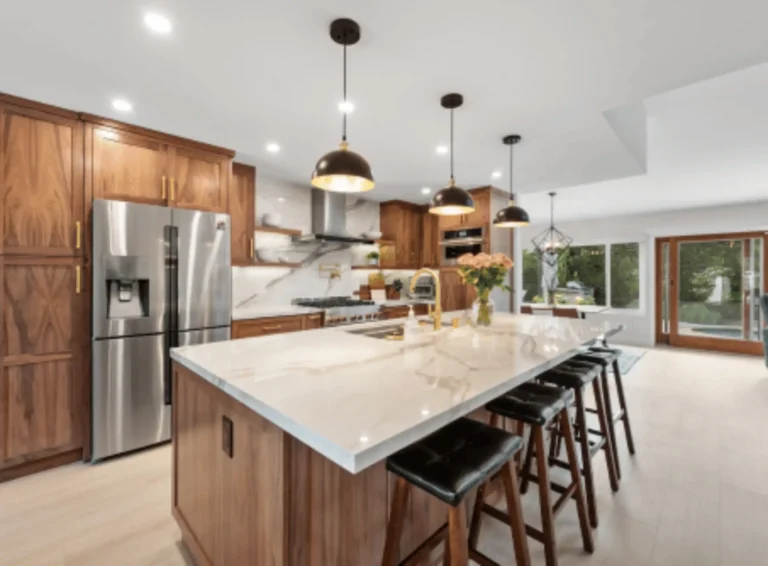
A kitchen remodel touches more trades than any other room in the house: layout, cabinetry, plumbing, electrical, ventilation and finishes. Horizon designs and builds kitchen remodels under one contract, from the measured layout to the final inspection.
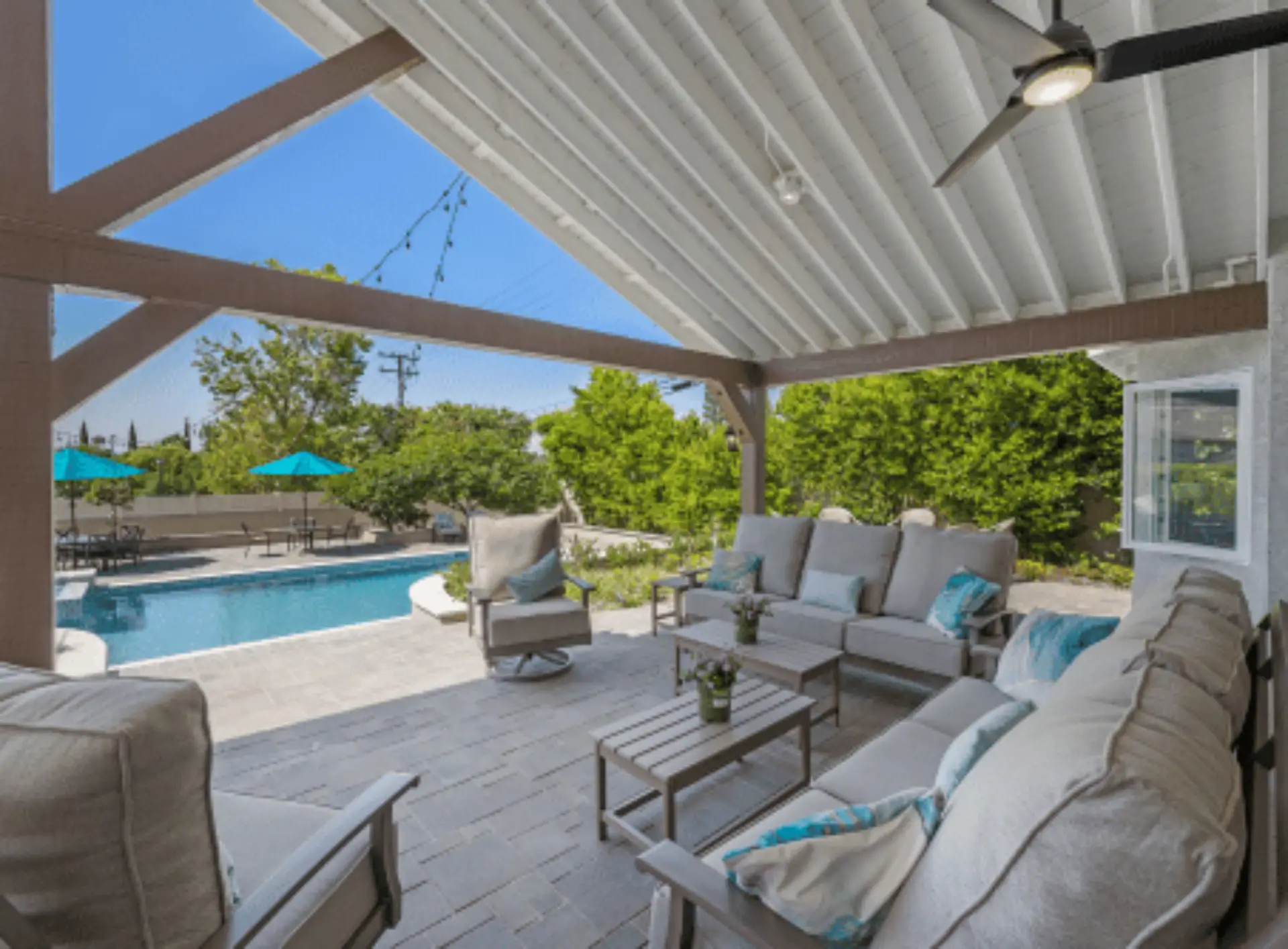
Whether you envision a classic Southern California pool or a fully customized backyard oasis, Horizon Construction & Remodeling delivers the highest level of quality and service. Our comprehensive pool design and remodeling services cover everything from layout and decking to built-in BBQs and final touches like landscaping. Let Horizon be your trusted partner in transforming your backyard into the perfect outdoor retreat.

If you are planning a complete bathroom remodel or simply want to change your tub, shower, update your plumbing fixtures, or make the space more efficient, our team at Horizon will help you through the process with expert advice, professional craftsmanship, and affordable options with beautiful results. Learn more about our bathroom remodeling services.
Transform your space with our expert interior work services. We offer a comprehensive range of solutions — from space planning and custom design to the selection of high-quality finishes and materials. Our team of experienced professionals works closely with you to create a space that’s both functional and stylish, tailored to your unique needs, goals, and budget. Whether you’re updating a single room or overhauling your entire interior, we bring precision, creativity, and craftsmanship to every project.
At Horizon, we believe your home is more than just four walls — it’s where life happens. It’s the place you relax, gather with family and friends, and create lasting memories. That’s why we offer a full range of exterior work services designed to elevate your outdoor living space. From patios and hardscaping to custom decks and exterior renovations, we help turn your vision into a dream yard that complements your lifestyle and enhances curb appeal.

At Horizon Construction & Remodeling, our expert team includes a dedicated design and planning division that works hand-in-hand with licensed architects and structural engineers. We take care of everything — from detailed plans and blueprints to securing city permits — so you don’t have to deal with delays or red tape. Our goal is to streamline the process and provide a fully approved set of documents that aligns with both your vision and city regulations, saving you time and stress.
Why Choose Horizon Remodeling For Hardscape & Outdoor Living in Moreno Valley
Why Moreno Valley Homeowners Work With Horizon
Horizon Construction and Remodeling Inc. is a licensed and bonded Class B general building contractor, active since 2009 and serving Southern California for over 15 years. On hardscape and outdoor living projects, the real advantage of a design-build approach is coordination. Grading, drainage, gas rough-ins, and structural retaining walls get planned together from the start rather than handed off between separate contractors who may never talk to each other.
One project manager stays on the job from the first site visit through final inspection with the City of Moreno Valley Building and Safety Division. Many of the tract homes built across neighborhoods like Sunnymead and Rancho Belago during the city’s rapid growth in the 1980s and 1990s sit on slabs with rear yards that have never been improved, so permitting and site assessment matter from day one. If your lot falls under the Primary Animal Keeping Overlay, that zoning constraint shapes where any structure or hardscape element can legally go, and we account for that early in planning.
Our proposals separate demolition, base preparation, drainage, walls, and surface materials as individual line items so you can evaluate what goes into the work, not just the bottom number. Specialty trade portions are performed by appropriately licensed subcontractors we coordinate directly. Call (714) 449-9035 to request a free estimate.
Schedule a Consultation
Hardscape & Outdoor Living FAQ

Do I need a permit for hardscape in Moreno Valley?
A paver or concrete patio laid at grade typically does not require a building permit on its own, but several related elements do: retaining walls above the exemption height or carrying a surcharge, gas lines running to fire pits, lighting circuits, attached patio covers, and driveway work within the public right-of-way. In Moreno Valley, those applications go through the City of Moreno Valley Building and Safety Division, and on qualifying rural residential or residential agricultural lots the Primary Animal Keeping Overlay can also affect where a structure is allowed to sit. We check the current rules and handle the permit applications as part of our design process.
Pavers or concrete for a driveway?
Either material can work well, but the decision starts with the base and the soil beneath it. Pavers are individual units that flex with minor ground movement rather than cracking, and any section can be lifted and reset if a utility line needs access below. Poured concrete forms one continuous slab that is straightforward to maintain, though control joints are cut into it to keep inevitable cracks running in straight lines. On the clay soil common across Moreno Valley, we often favor pavers for that reason.
How tall can a retaining wall be without a permit?
Retaining wall permit exemptions typically apply to walls up to four feet tall, measured from the bottom of the footing to the top of the wall, provided the wall carries no surcharge from a slope, driveway, pool, or structure above it. Some cities set that threshold lower when a slope is involved. Before any wall goes on paper, we check the current rule directly with the City of Moreno Valley Building and Safety Division.
How long does a hardscape project take?
Hardscape timelines in Moreno Valley vary by scope, but a straightforward patio or driveway replacement typically wraps up within a few weeks once permits and materials are secured. Projects involving engineered retaining walls, gas line work, or HOA review add time before and during construction, and an encroachment permit for the driveway approach can extend the schedule as well. A full yard build that includes walls, drainage, and a fire feature can take a couple of months from start to finish. We provide a schedule with every proposal and keep you updated if inspections or weather cause shifts.
What drives the cost of hardscape?
Most of the budget goes into what stays buried. Removing old concrete, equipment access, soil conditions, base depth, drainage pipe and drains, and engineered walls with footings, steel, and sub-drains drive the larger share. Surface material, pattern cuts, gas and electrical work, and permits add to it. Moreno Valley tracts from the 1980s and 1990s vary in site conditions, and your written proposal breaks every line out.
Can you work with my HOA and plan for later phases?
Yes, we handle HOA architectural review by preparing the drawings and material samples a committee requires and building that review window into the project schedule. For Moreno Valley homes in areas like Sunnymead or Rancho Belago, we also rough in drains, gas stubs, and conduit during the initial build so a future kitchen, patio cover, or added structure does not mean breaking up finished paving later.
Explore More in Moreno Valley
Horizon is a licensed Class B general building contractor serving Moreno Valley and the surrounding Riverside County communities.
Other Services in Moreno Valley
Hardscape & Outdoor Living Nearby
More Hardscape & Outdoor Living Service Areas Near Moreno Valley
VIEW OUR HARDSCAPE & OUTDOOR LIVING AREAS OF SERVICE
- Hardscape & Outdoor Living in Banning
- Hardscape & Outdoor Living in Beaumont
- Hardscape & Outdoor Living in Bermuda Dunes
- Hardscape & Outdoor Living in Blythe
- Hardscape & Outdoor Living in Calimesa
- Hardscape & Outdoor Living in Canyon Lake
- Hardscape & Outdoor Living in Cathedral City
- Hardscape & Outdoor Living in Coachella
- Hardscape & Outdoor Living in Corona
- Hardscape & Outdoor Living in Desert Hot Springs
- Hardscape & Outdoor Living in Eastvale
- Hardscape & Outdoor Living in Hemet
- Hardscape & Outdoor Living in Idyllwild
- Hardscape & Outdoor Living in Indian Wells
- Hardscape & Outdoor Living in Indio
- Hardscape & Outdoor Living in Jurupa Valley
- Hardscape & Outdoor Living in La Quinta
- Hardscape & Outdoor Living in Lake Elsinore
- Hardscape & Outdoor Living in Menifee
- Hardscape & Outdoor Living in Murrieta
- Hardscape & Outdoor Living in Norco
- Hardscape & Outdoor Living in Palm Desert
- Hardscape & Outdoor Living in Palm Springs
- Hardscape & Outdoor Living in Perris
- Hardscape & Outdoor Living in Rancho Mirage
- Hardscape & Outdoor Living in Riverside
- Hardscape & Outdoor Living in San Jacinto
- Hardscape & Outdoor Living in Temecula
- Hardscape & Outdoor Living in Temescal Valley
- Hardscape & Outdoor Living in Thousand Palms
- Hardscape & Outdoor Living in Wildomar