Opening paragraph starting with content… Embarking on an eco-friendly whole home renovation is more than just a trend—it’s one of the most impactful ways you can improve your quality of life, minimize your carbon footprint, and increase your home’s long-term value. Whether you’re addressing outdated finishes, poor energy efficiency, or simply dreaming of a healthier and smarter living space, sustainable remodeling pays dividends for your wallet and the planet. Choosing eco-friendly whole home renovation strategies allows you to transform every room with materials, systems, and designs that are energy-saving, healthier, and built for the future. Let’s dive into tried-and-true tips and innovative smart upgrades you can apply for maximum effect throughout your home.
Why Choose Eco-Friendly Whole Home Renovation for Lasting Value?
Making the decision to invest in an eco-friendly whole home renovation offers a host of benefits that go well beyond aesthetics. Not only will you experience reduced utility bills, but you’ll find your home feels more comfortable and healthier thanks to better air quality and fewer toxins. Sustainable remodeling practices emphasize resource conservation, renewable energy, and environmentally responsible materials—from kitchen remodels using low-VOC paints to whole house insulation upgrades designed to cut energy loss. Additionally, eco-conscious renovations are increasingly in demand, giving your property greater appeal in today’s real estate market.
Top Benefits of an Eco-Friendly Whole Home Renovation
When you plan a green remodel, you’re making a long-term investment in your home and your health.
- Lower Utility Costs: Improved insulation, energy-efficient appliances, and smart home systems can cut monthly expenses.
- Better Indoor Air Quality: Non-toxic building materials and effective ventilation systems help prevent allergies and respiratory issues.
- Increased Property Value: Many homebuyers will pay a premium for eco-friendly and energy-saving upgrades.
- Reduced Environmental Impact: By minimizing construction waste and choosing sustainable materials, your remodel puts less strain on the planet.
Renovating with sustainability in mind is a smart move, especially when you upgrade interiors and connect eco-friendly principles to every element—from the floorboards to the roof.
Planning Your Eco-Friendly Whole Home Renovation: What to Know Before You Start
Before you swing the first hammer, planning is essential for any successful eco-friendly whole home renovation. Begin by setting clear priorities: Which areas of your home most urgently need attention for efficiency and sustainability? Common starting points include outdated HVAC systems, drafty windows, and energy-hog appliances. Defining your top goals—like improving comfort, reducing energy bills, or eliminating toxins—can help guide your design and material choices. Consulting with professionals experienced in green remodeling will ensure your plans align with state codes and modern best practices. Don’t forget to check for local incentives, grants, or rebates available for sustainable remodeling (see government energy savings programs), as these can offset initial costs significantly.
Setting Your Budget for an Eco-Friendly Whole Home Renovation
Staying within budget is crucial for any remodel, but especially so with eco-conscious upgrades. While some features—like solar panels or high-efficiency heat pumps—may require a higher upfront investment, others (low-flow plumbing fixtures, LED lighting) pay for themselves quickly with energy and water savings. Prioritize projects based on cost versus impact and explore financial incentives to stretch your budget further, such as energy-efficient home improvement credits. Your project plans should account for both immediate needs and future upgrades, so your renovation unfolds smoothly and cost-effectively.
Smart Upgrades for an Eco-Friendly Whole Home Renovation
Transforming your space into an efficient, earth-friendly oasis requires a combination of strategic upgrades. Many homeowners are surprised to find how simple switches—like programmable thermostats or switching to ENERGY STAR appliances—deliver a sizable return on investment. Advanced options, such as solar energy systems and smart home automation, provide even more impressive savings and control. Here are essential smart upgrades for anyone pursuing an eco-friendly whole home renovation:
- High-Efficiency HVAC: Modern heat pumps and zoned systems slash energy use and provide superior climate comfort.
- Insulation and Air Sealing: Upgrading or adding insulation dramatically reduces heating and cooling bills.
- Solar Panels: Producing your own renewable electricity significantly cuts your carbon footprint.
- Water-Saving Fixtures: Install low-flow toilets, faucets, and showerheads to minimize daily water use.
- Smart Lighting: LED bulbs and automated lighting systems maximize efficiency in every room.
- Rainwater Collection: Divert stormwater for landscaping and reduce municipal water reliance.
- Reclaimed and Recycled Materials: Use materials such as bamboo, recycled glass, or salvaged wood for sustainable style with substance.
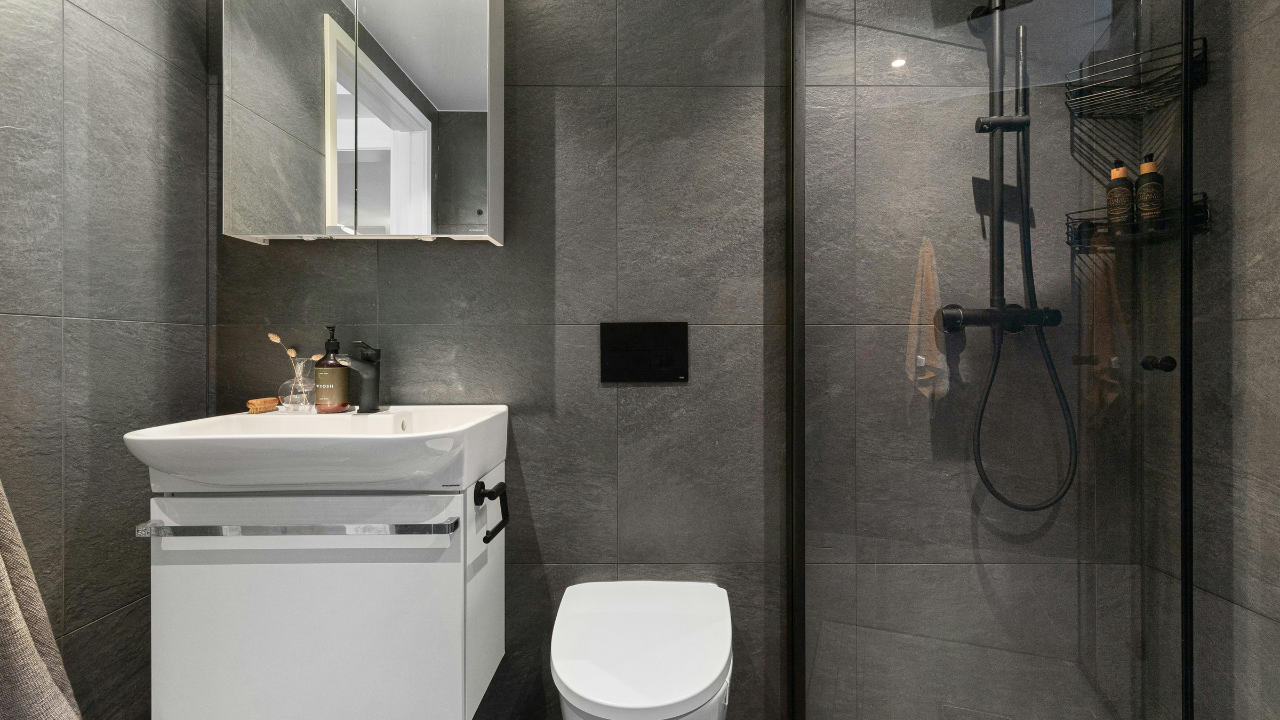
Transforming Kitchens and Baths with Eco-Friendly Whole Home Renovation
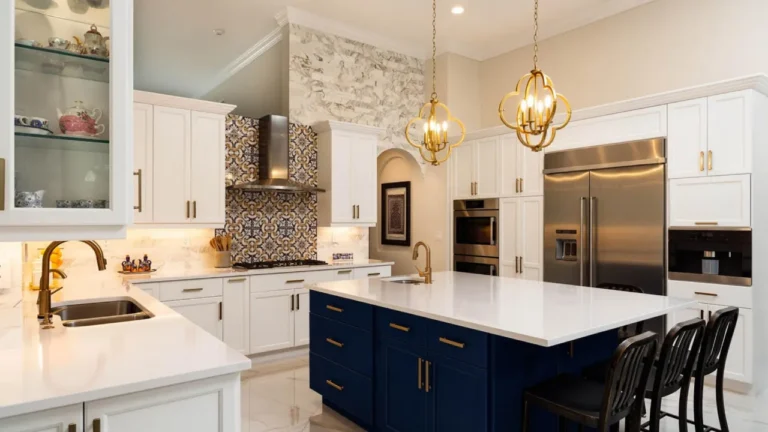
Kitchens and bathrooms play a major role in home energy and water use, making them critical areas for sustainable upgrades. Start with water-saving plumbing fixtures and durable, non-toxic tile that resists mold and is easy to clean. For cabinets and countertops, look for FSC-certified wood, recycled content, or rapidly renewable alternatives like bamboo. High-efficiency induction cooktops, ENERGY STAR refrigerators, and low-VOC paints can complete your eco-friendly kitchen or bath transformation. For even greater efficiency, integrate natural lighting solutions like skylights or solar tubes to reduce your dependence on artificial light.
Whole Home Renovation for Energy Efficiency: A Room-by-Room Breakdown
To achieve true sustainability, your eco-friendly whole home renovation should encompass each space, from attic to basement. Here’s how to tackle every major area:
Entryways and Living Spaces
Use efficient windows and doors with low-emissivity (Low-E) coatings to prevent energy loss. Upgrade flooring to options with recycled content or sustainable wood certifications. Add ceiling fans or passive ventilation features for natural airflow.
Bedrooms and Private Spaces
Opt for natural fiber carpets, cork floors, or reclaimed wood to minimize off-gassing and reduce allergens. Use blackout curtains and insulation to stabilize temperature and reduce HVAC loads during California’s hot summers (learn more about summer improvements).
Basements, Attics, and Garages
Enhance insulation and air sealing in these often-neglected areas to dramatically boost overall efficiency. Consider converting attic or garage space into an Accessory Dwelling Unit (ADU) that prioritizes sustainable design and materials, maximizing both value and function.
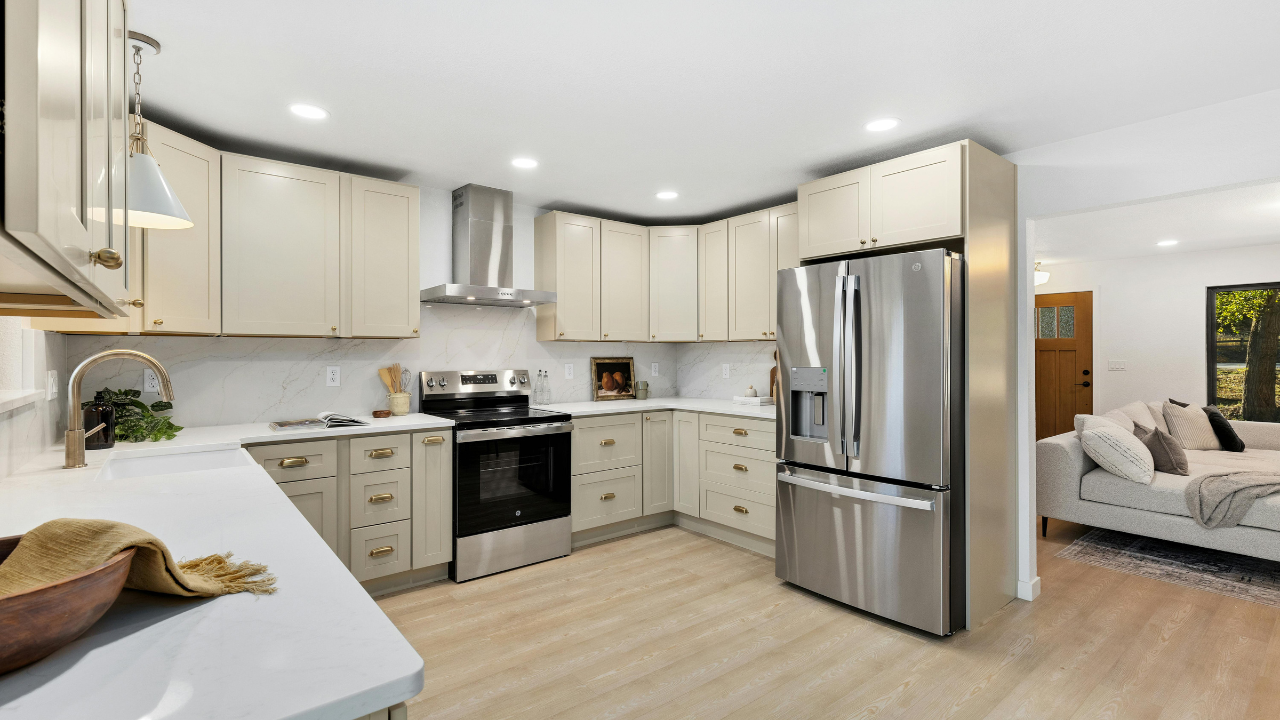
Eco-Friendly Materials and Sustainable Design Choices
Material selection can make or break your eco-friendly whole home renovation. Prioritize products with recycled or rapidly renewable content, low embodied energy, and third-party environmental certifications like GREENGUARD, Cradle to Cradle, or FSC. Here are some of my go-to green building materials:
- Bamboo Flooring: Durable, quickly renewable, and stylish.
- Recycled Metal Roofing: Offers longevity and exceptional insulation properties.
- Low- or No-VOC Paints and Adhesives: Create healthier indoor environments for everyone.
- Recycled Glass Countertops: Modern look with minimal environmental impact.
- Energy-Efficient Insulation (cotton, cellulose): Safe to install and made from upcycled materials.
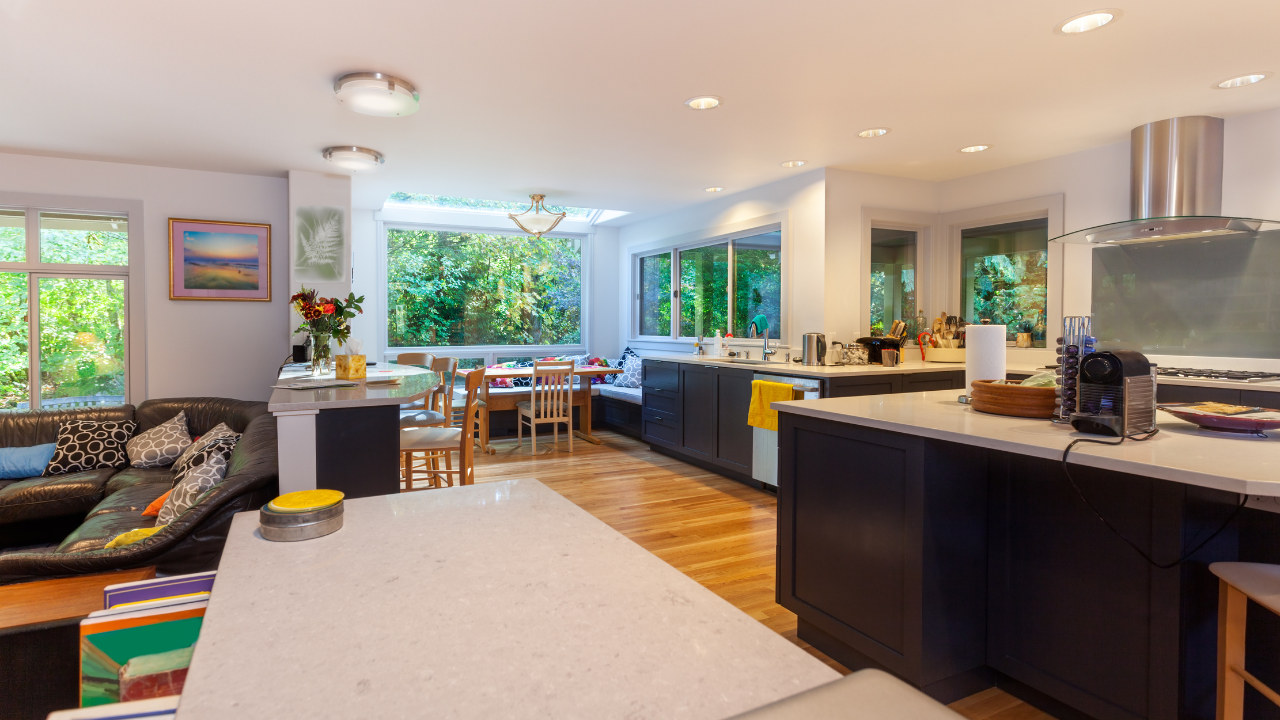
When considering sustainable design, open floor plans maximize natural light, while strategic window placement and overhangs reduce unwanted heat gain. For more on sustainable plans, refer to smart renovation blueprints.
Smart Home Technology for Sustainable Living
Smart home features are a game-changer for eco-friendly whole home renovation. Modern home automation lets you optimize power usage, water consumption, and indoor air quality in real-time. Key upgrades include:
- Programmable Smart Thermostats: Reduce heating/cooling costs and learn your preferred comfort settings.
- Advanced Leak Detection: Instantly alerts you to plumbing failures, preventing costly and wasteful water damage.
- Automated Lighting and Blinds: Schedule or set sensors for optimal daylight use and energy savings.
- Whole Home Air Purifiers: Monitor and control airborne pollutants efficiently.
- Energy Usage Dashboards: Help identify wasteful patterns so you can adjust habits.
For inspiration, check out the range of smart upgrades recommended by Houzz and the National Kitchen & Bath Association (NKBA).
Outdoor and Exterior Strategies for Eco-Friendly Whole Home Renovation
Don’t overlook the impact of exterior and landscaping upgrades as part of your eco-friendly whole home renovation. Here are a few sustainable strategies that boost curb appeal and performance:
- Native and Drought-Tolerant Landscaping: Reduces water use and promotes local biodiversity.
- Permeable Paving: Allows natural groundwater recharge, minimizing runoff (great information on eco-friendly driveways).
- Cool Roof Systems: Reflect sunlight, lowering indoor temperatures and extending roof life.
- High-Efficiency Irrigation: Smart drip systems and rain sensors save water and keep your landscape thriving.
- Sustainable Fencing and Decking: Consider composites or reclaimed materials for long-lasting, eco-conscious outdoor spaces.
Upgrading your home’s exterior combines beauty, durability, and environmental responsibility—hallmarks of true sustainable remodeling.
Choosing the Right Remodeling Partner for Your Eco-Friendly Whole Home Renovation
Selecting a contractor who shares your sustainable values and understands eco-friendly building codes is crucial. Look for credentials, ask for references from past eco renovations, and discuss their preferred suppliers for green materials. Explore best practices for contractor selection at This Old House. Working with a professional who specializes in sustainable remodeling ensures your vision becomes a reality with minimal setbacks and maximum results.
Key Takeaways for Eco-Friendly Whole Home Renovation
- Eco-friendly whole home renovation increases comfort, lowers utility costs, and reduces your carbon footprint.
- Careful planning with sustainable priorities ensures your investment delivers both value and energy savings.
- Targeted upgrades—HVAC, insulation, solar panels, and efficient appliances—offer major efficiency gains.
- Use eco-conscious materials like bamboo, low-VOC paints, and recycled glass for style and sustainability.
- Smart home automation and leak detection streamline savings and protect your investment.
- Exterior improvements such as native landscaping and cool roofing complete a holistic approach.
- Work with remodeling professionals experienced in green building for best outcomes.
Frequently Asked Questions About Eco-Friendly Whole Home Renovation
What areas should I prioritize first in an eco-friendly whole home renovation?
Focus on energy efficiency upgrades like insulation, windows, and HVAC first—these impact comfort and costs most significantly.
Are eco-friendly materials more expensive?
While some green materials cost more upfront, many pay off quickly through energy and maintenance savings—plus, rebates and incentives are often available.
How do I know if a contractor is qualified for eco-friendly renovations?
Look for licenses, certifications, and ask about previous sustainable projects and their approach to sourcing environmentally friendly materials.
Can I renovate my home in stages for sustainability?
Absolutely—you can start with high-impact areas and phase in upgrades as your budget allows, constantly building toward a more sustainable home.
Do smart home systems actually save energy?
Yes, properly installed systems like smart thermostats and automated lighting optimize usage, often lowering your utility bills and environmental impact.