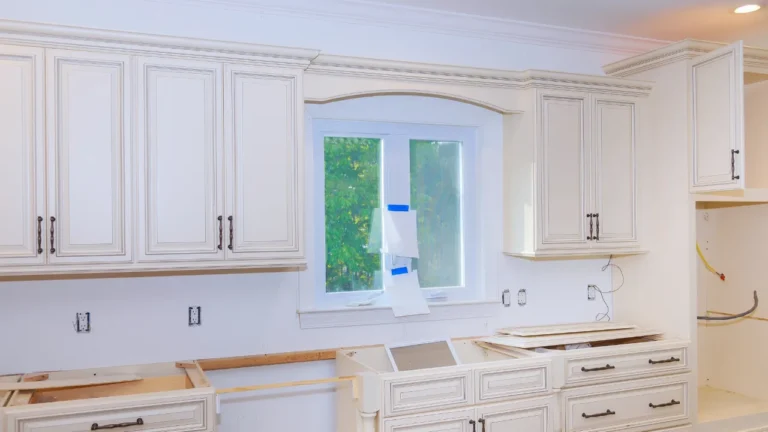
Opening paragraph starting with content… Embarking on a kitchen remodel is one of the most exciting home improvement journeys you can take, but even the best designs can be derailed by poor kitchen remodeling communication. Clear, consistent communication between you, your contractor, and any designers or subcontractors involved is the single most effective way to ensure your project runs smoothly, stays on budget, and produces the dream kitchen you’ve envisioned. Having completed hundreds of kitchen renovations, I’ve seen firsthand how proactive communication transforms challenges into opportunities and uncertainty into confidence. Let’s dive into five smart, practical ways to enhance your kitchen remodeling communication and set your project up for success from day one.
Setting Expectations: The Foundation of Kitchen Remodeling Communication
Before the demolition hammer swings or a single cabinet is ordered, your kitchen remodeling communication should begin by setting clear expectations. This means having honest discussions about your goals, budget, and timeline, as well as your must-haves versus nice-to-haves. Outline the decision-making process—who approves what, and when? Identify who your point of contact will be; is it the project manager, lead carpenter, or designer? Establish preferred communication channels, whether that’s email, phone, or project management apps. These initial conversations help preempt confusion and disappointment down the line.
Documenting the Project Scope for Clarity
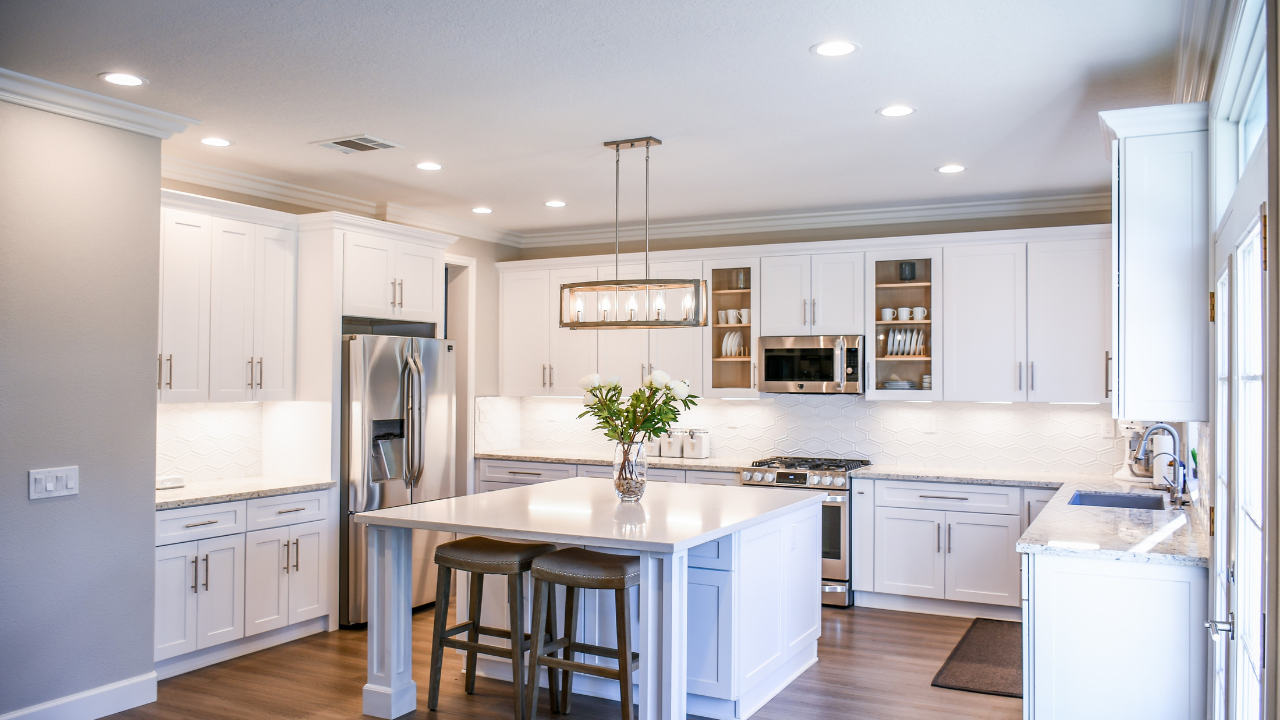
You’d be amazed at how much confusion is eliminated through thorough documentation. Create a written scope of work that details every aspect of the remodel, from materials and finishes to appliances and layout changes. Consistent kitchen remodeling communication includes sharing updates to the scope if changes arise. Digital project management tools can be a big help here—keep documents, plans, and contracts accessible to everyone involved. See examples via Houzz’s kitchen project galleries for how detailed planning prevents missteps.
Choosing the Right Tools: Modern Methods for Kitchen Remodeling Communication
The technology available today makes kitchen remodeling communication more efficient and transparent than ever before. Consider adopting these methods to streamline updates and ensure nothing falls through the cracks:
- Project management software like Buildertrend or CoConstruct for progress tracking and messaging
- Group messaging apps such as WhatsApp or Slack for quick questions
- Cloud storage (Google Drive, Dropbox) for shared plans and floor layouts
- Regular video or photo updates—especially helpful if you can’t always be on site
Consistent use of these tools supports seamless collaboration between you, your contractor, and all subcontractors. They eliminate the “he said, she said” chaos by keeping conversations and approvals documented and accessible. For more on collaboration tech, the Remodeling Magazine’s tech section is a fantastic resource.
Scheduling Regular Check-Ins for Ongoing Success
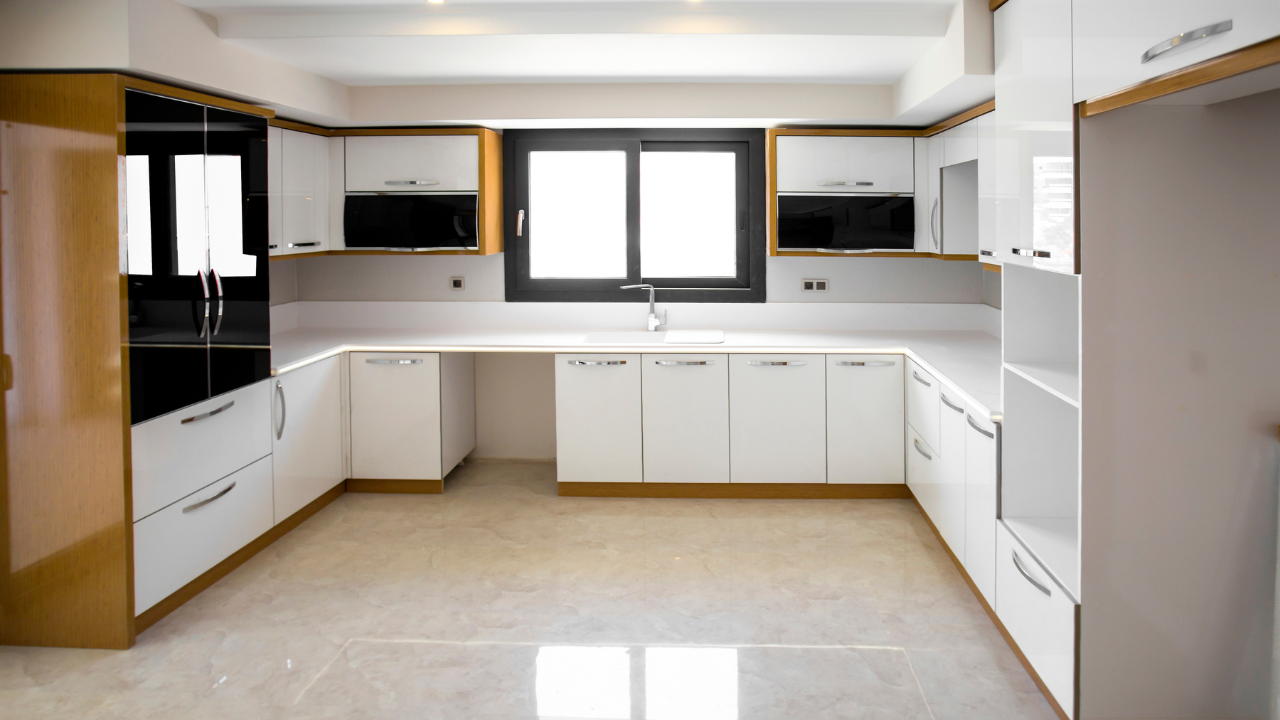
Kitchen remodeling communication isn’t a “set it and forget it” scenario. Set up routine meetings—weekly or biweekly, depending on the project’s pace—where you can review progress, raise questions, and catch snags early. These meetings can be in-person walk-throughs, phone calls, or video conferences. The key is consistency: regular check-ins build trust and give you growing confidence in your investment. If questions about layouts, finishes, or budgets arise, these are the perfect venue for discussion.
For further inspiration, explore real-life project management insights at HGTV’s kitchen renovation tips or read about developing project plans and blueprints to ensure everyone is on the same page.
Resolving Issues Quickly: Communication Strategies When Problems Arise
No kitchen remodel is ever 100% bump-free. When issues come up—unexpected plumbing, design adjustments, or material backorders—proactive kitchen remodeling communication is the difference between a minor adjustment and a major setback. Address concerns promptly, document the issue, and agree on the solution before action is taken. Encourage your remodeling team to alert you immediately if something is off track, and remain flexible to creative solutions that may keep your project moving forward.
Transparency is especially important if budget, timeline, or design elements need to change. Document all change orders and approvals in writing to avoid future confusion. If you’re unsure about what should be in a contract or change order, the National Kitchen & Bath Association offers helpful guidelines for homeowners and remodelers alike.

[Suggested Alt Text: Homeowner and contractor reviewing kitchen plans and communication protocols during remodeling project]
Managing Change Orders with Confidence
Change orders are common in kitchen remodeling. The best kitchen remodeling communication ensures every change is clearly documented and explained. Use the following checklist for managing changes:
- Describe the change clearly in writing
- Communicate the reason for the change (code requirements, design preference, material availability, etc.)
- Agree on cost and timeline impacts before work continues
- All parties sign off electronically or on paper
This process keeps your renovation organized and builds trust between you and your contractor. Need more on setting documentation expectations? Check out our guide to California kitchen remodeling tips and kitchen remodeling best practices.
Collaborating with Your Remodeling Team for a Positive Experience
Kitchen remodeling communication isn’t just about exchanging information—it’s about fostering a genuine team atmosphere between you, your contractor, and any designers or specialty trades. Build rapport by showing respect for the expertise of your remodeling team, but don’t be afraid to voice concerns or ask questions. Choose a contractor who values transparency, offers references, and has established procedures for high-quality communication. See how we prioritize collaboration and transparency at our kitchen remodeling services.
Keeping Your Finger on the Pulse of Your Kitchen Remodel
Stay engaged by reviewing progress reports, asking for photo updates, and making yourself available for important decisions or walk-throughs. An informed client is an empowered client, so don’t hesitate to request daily or weekly summaries if you’re not able to visit the job site. Proactive communication keeps small issues from snowballing and helps you feel in control of your kitchen transformation. If you want a full package for complex projects, check out our coverage on complete home additions and ADU projects that require even more team collaboration.
Leveraging Professional Insights: Beyond the Basics of Kitchen Remodeling Communication
Having spent years in the remodeling industry, I’ve learned that the best projects are defined not by the absence of problems, but by how swiftly and elegantly those issues are resolved through open kitchen remodeling communication. Ask your contractor about their past experiences and communication style—do they use modern project management tools? Will they walk you through each phase, from demolition to final inspection? Are they accessible when you need clarification? These are important conversations.
Enlist teams who value learning and keep up to date with industry standards, such as those outlined by the NKBA or This Old House. Their resources will help you understand what excellent remodeling communication looks like, so you’ll know what to expect from your own team. If you’re exploring new surfaces, check our comprehensive guide on tile advantages for kitchens and baths.
Practical Tips for Avoiding Communication Pitfalls
Let’s wrap up with some real-world strategies for avoiding the most common communication breakdowns in kitchen remodeling:
- Centralize communications: Avoid scattering texts, emails, and calls. Use a project hub!
- Set response expectations: Decide together on typical reply windows (e.g., within 24 hours)
- Stay solution-focused: Approach surprises as a team challenge, not a confrontation
- Get everything in writing: Verbal commitments should always be followed up by written confirmations
- Educate yourself: Read up on company values and tips for kitchen remodeling so you know what to expect
Key Takeaways for Improving Kitchen Remodeling Communication
- Start kitchen remodeling communication early by setting expectations, roles, and decision-making processes.
- Document everything: project scope, revisions, and change orders to avoid misunderstandings.
- Leverage modern communication tools and schedule regular check-ins for ongoing project transparency.
- Resolve issues quickly and professionally by addressing them in writing and confirming solutions with your contractor.
- Foster trust and enthusiasm with respectful collaboration and frequent project updates.
- Request photo documentation or progress reports when you can’t be present on site.
- Choose team members who embrace clear communication and value your input at every step.
- Educate yourself with industry standards to know what to expect and how to hold your team accountable.
Frequently Asked Questions About Kitchen Remodeling Communication
How often should I communicate with my kitchen remodeling contractor?
It’s best to set a regular schedule for check-ins, such as weekly or biweekly meetings, along with day-to-day contact through project management tools or email for quick questions and updates.
What should be documented during a kitchen remodel?
Document the full project scope, plans, contracts, payment schedules, material selections, design changes, and all change orders. Written records help prevent misunderstandings later.
How can I ensure my concerns are heard during remodeling?
Communicate your needs clearly from the start, designate a single point of contact, and request ongoing updates or meetings to make sure your voice is part of every important decision.
What do I do if a major issue arises during my remodel?
Bring it to your contractor’s attention immediately, get all discussions and solutions in writing, and don’t approve changes until you have clarity on costs and schedule impacts.
Are digital project tools necessary for good kitchen remodeling communication?
While not strictly required, digital tools make it much easier to centralize information, track progress, and keep everyone accountable—especially for larger or more complex projects.