When choosing to pave a driveway for your home, concrete is one of the best paving material options when it comes paving your home on a budget. The cost to pave a concrete driveway may be calculated based upon the cost per foot, square footage and decorative options such as concrete stamp designs. Though concrete may not be the cheapest option for a driveway, concrete driveways have many benefits that we shall discuss later within this article.
Concrete material is very durable and versatile and is not limited to building commercial buildings or houses; Concrete can also be used by professional home remodeling contractors and professional driveway pavers for a home driveway.
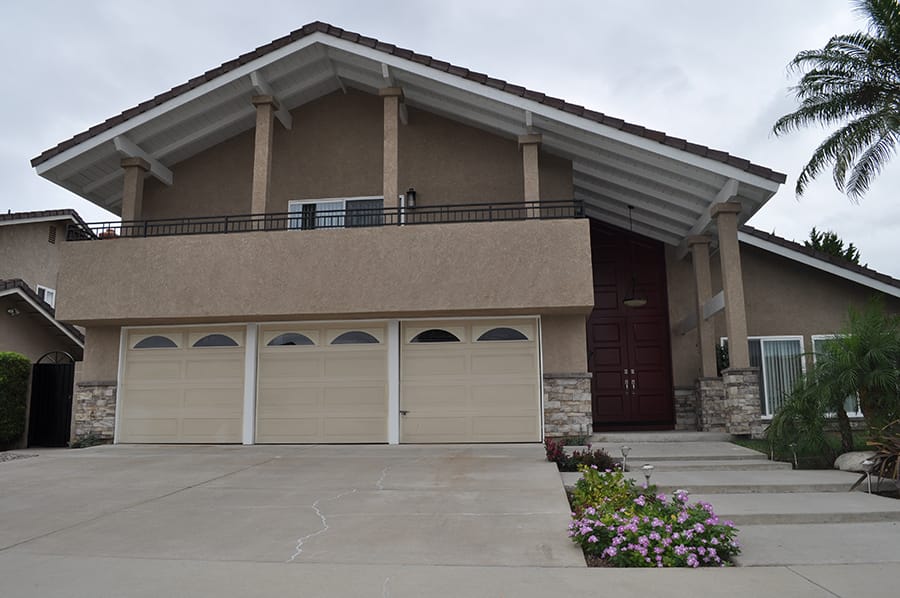
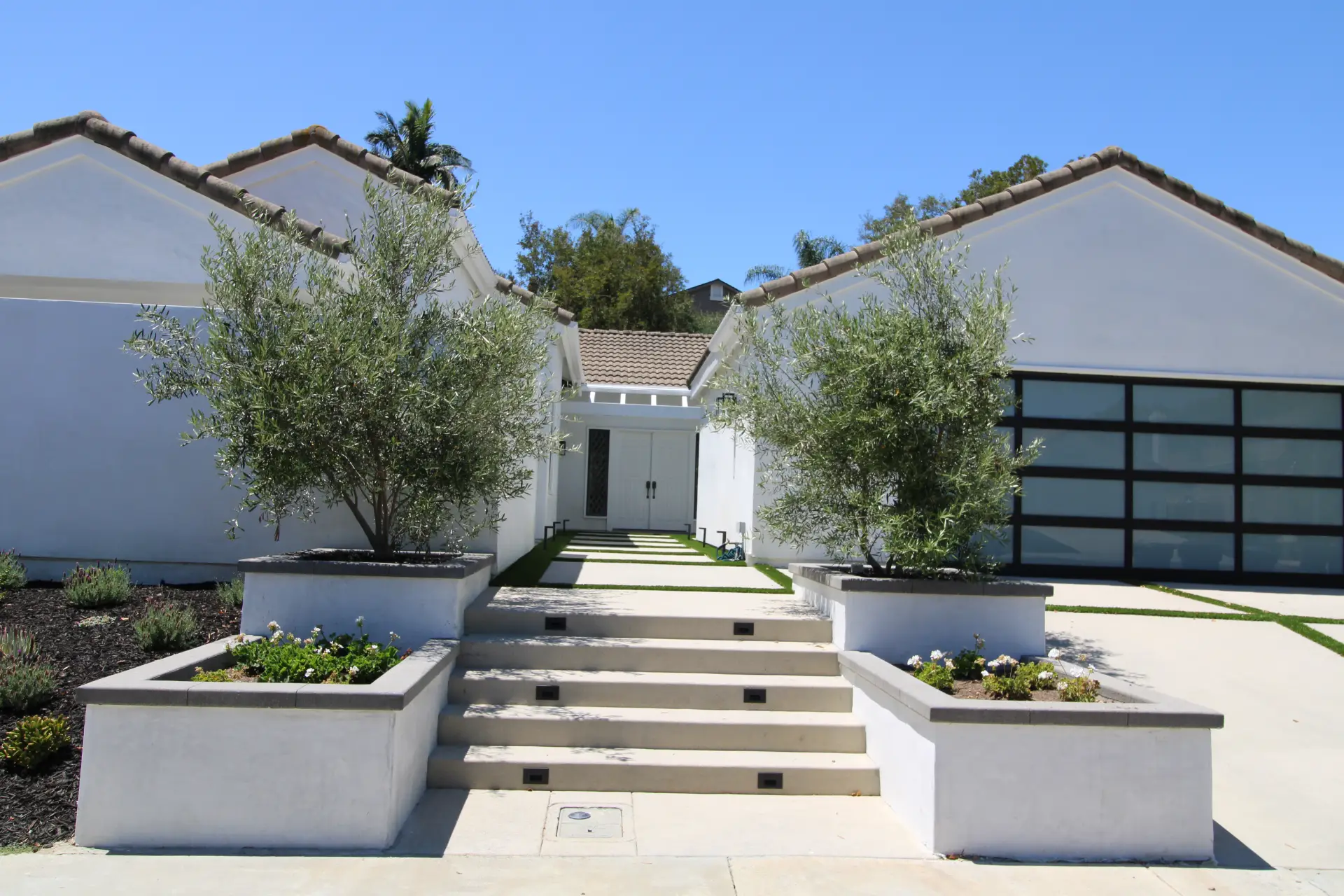
Concrete driveways can also be very versatile in when looking for a more artistic feel and look to your concrete driveway, Concrete paver installers can also stamp or sketch images and or designs in the concrete pour before the concrete material dries.
Concrete Driveway Benefits:
- Concrete Driveway Maintenance.
Concrete driveways are much easier to maintain. Concrete offers larger concrete slabs to both walk and drive on making for a smooth experience. In the long-term, a concrete driveway has less upkeep and fewer necessary repairs making a concrete driveway more cost effective.
- Concrete Durability.
A concrete driveway because of its strength and durability is very east to maintain. is famous for being easy to maintain. Because driveways have typically heavy use and wear and tear the concrete driveway material holds up very well making the concrete driveway the choice for many
- Front Door Appeal.
Concrete materials when used for a driveway can come be painted professionally in multiple colors and no longer limited to only gray concrete. This way the concrete driveway will fit the look of any home. Now that a concrete driveway can come in just about any color and personalized artistic designs can be stamped in any concrete slab, concrete driveways will transform any home into a pleasant experience.
This author with https://horizonremodelinginc.com/ and https://hdesigncenter.com/ suggests regardless which material you choose for your driveway, the concrete driveway option is another material to consider when choosing to lay-down your driveway payment.

What Homeowners Should Know Before Starting Concrete Driveway Paving
At Horizon Construction & Remodeling, we have been completing concrete driveway paving projects across Orange County and the greater Los Angeles area for over 15 years. Here is a straightforward look at what actually goes into a well-built concrete driveway and what homeowners should plan for before the first pour.
Site Preparation Matters More Than Most Homeowners Expect
The finished surface only holds up as well as what is underneath it. Proper concrete driveway paving starts with removing the old surface if one exists, grading the sub-base for drainage, and compacting a stable aggregate layer before any concrete is placed. Skipping or rushing these steps is the most common reason driveways develop uneven settling and cracks within the first few years.
Reinforcement Options
Residential driveways typically use one of two reinforcement approaches:
- Wire mesh: A lower-cost option placed in the middle of the slab to hold cracked sections together if movement occurs.
- Rebar grid: A stronger choice for heavier vehicles or areas with expansive clay soils. We recommend rebar for most projects in Southern California given local soil conditions.
Concrete Mix Design and Finish Choices
Not all concrete mixes perform equally in an outdoor driveway environment. A mix with a compressive strength of at least 4,000 PSI is a reasonable starting point for residential use in Orange County. Beyond the structural mix, homeowners can choose from several surface finishes:
- Broom finish: The most common option. A simple textured surface that provides good traction and cleans easily.
- Exposed aggregate: The top layer of cement paste is washed away while the concrete is still setting, exposing the stones beneath for a natural, textured look.
- Stamped concrete: Patterns are pressed into the surface to create the appearance of pavers, brick, or stone. Color can be added through integral pigment or surface-applied stain.
Drainage and Slope
A concrete driveway should be sloped away from the garage and the home's foundation at a minimum grade that prevents water from pooling. Poor drainage planning leads to staining, surface erosion at the edges, and in some cases foundation moisture problems. Our team evaluates the existing grade on every project before finalizing the design.
Permits in Orange County and Fullerton
Depending on the project scope, concrete driveway paving in Fullerton and surrounding cities may require coordination with the local building or public works department, particularly when the work affects the driveway apron connecting to the public street. Horizon Construction & Remodeling (CSLB License #938230) manages permit coordination directly so homeowners do not have to navigate that process alone. You can verify our active Class B General Contractor license at the CSLB license lookup.
Frequently Asked Questions About Concrete Driveway Paving
How thick should a concrete driveway be?
For a standard residential driveway, four inches of concrete thickness is the typical minimum. If the driveway will regularly support heavier vehicles like trucks or RVs, six inches is a more reliable target that reduces the risk of cracking over time.
How long does concrete driveway paving take to cure before you can drive on it?
Concrete generally needs at least seven days before light vehicle traffic is safe, though full cure strength takes around 28 days. Driving on it too early is one of the most common causes of surface cracking and permanent damage.
What is the difference between stamped and plain concrete for a driveway?
Plain concrete is poured and finished smooth or with a broom texture for traction. Stamped concrete uses patterned molds pressed into the wet surface to mimic materials like brick, slate, or stone, giving the driveway a more decorative look at a higher cost.
Does a concrete driveway need to be sealed?
Sealing is not required, but it is strongly recommended. A quality concrete sealer applied every few years protects the surface from water penetration, oil stains, and freeze-thaw damage, which extends the life of the driveway noticeably.
How much does concrete driveway paving cost in Orange County?
Costs vary depending on size, thickness, finish type, and site conditions. A basic poured concrete driveway typically costs more per square foot than asphalt, but the lower long-term maintenance cost often makes it the better value over a 20-plus-year lifespan.
Do I need a permit for a concrete driveway in Fullerton or Orange County?
Permit requirements depend on the scope of work and your specific city. In many Orange County cities including Fullerton, replacing or widening an existing driveway apron that connects to a public street typically requires a permit from the local public works or building department. Horizon handles permit coordination as part of its project process.
Related Services
Contact Horizon Construction & Remodeling today for a free estimate on your concrete driveway paving project in Orange County or the greater Los Angeles area. Call (714) 449-9035.
What to Know Before Starting Concrete Driveway Paving: A Practical Guide
At Horizon Construction and Remodeling, we have worked on concrete driveway paving projects across Fullerton, Orange, Anaheim, and surrounding cities for over 15 years. We see the same questions and mistakes come up repeatedly, so this section covers what homeowners actually need to think through before the first shovel goes in the ground.
Base Preparation Is the Most Important Step
The finish on your driveway gets the attention, but the base is what determines how long it lasts. A proper sub-base, usually compacted gravel at least 4 inches deep, is essential for preventing cracking and settling. Skipping or shortcutting this step is the most common reason concrete driveways crack within a few years. Any reputable contractor will show you the base preparation work before pouring.
Thickness Matters for Residential Use
For a standard passenger vehicle driveway, 4 inches of concrete is the minimum. If you park RVs, trucks, or other heavy vehicles, 5 to 6 inches is a smarter investment. Thicker concrete costs more upfront but resists cracking under load far better over the life of the slab.
Understand Your Finish and Texture Options
- Broom finish: The most common choice. A simple textured surface that provides traction and is easy to clean.
- Exposed aggregate: Small stones are revealed at the surface for a natural, slip-resistant look.
- Stamped concrete: Patterns pressed into the surface mimic pavers or stone. It adds curb appeal but requires periodic sealing to maintain.
- Colored concrete: Pigment mixed into the pour or applied as a stain. Gives you design flexibility without the cost of pavers.
Drainage Planning Cannot Be an Afterthought
A concrete driveway that does not drain properly will channel water toward your foundation or into the street in ways that may violate local grading ordinances. In Fullerton and throughout Orange County, driveway projects that affect drainage often require a permit. We always evaluate the slope and drainage path as part of our planning process, and we pull the permits required by the city before work begins.
Sealing Protects Your Investment
Concrete driveway paving is a long-term investment, and sealing is one of the simplest ways to extend its life. A penetrating or film-forming sealer applied shortly after the concrete has fully cured, and then reapplied every two to three years, keeps moisture, oil, and surface staining from breaking down the material. It is a low-cost step that makes a real difference over time.
Related Services
Contact Horizon Construction and Remodeling today to get a free, no-obligation estimate on your concrete driveway project from our licensed team (CSLB #938230). Call (714) 449-9035.