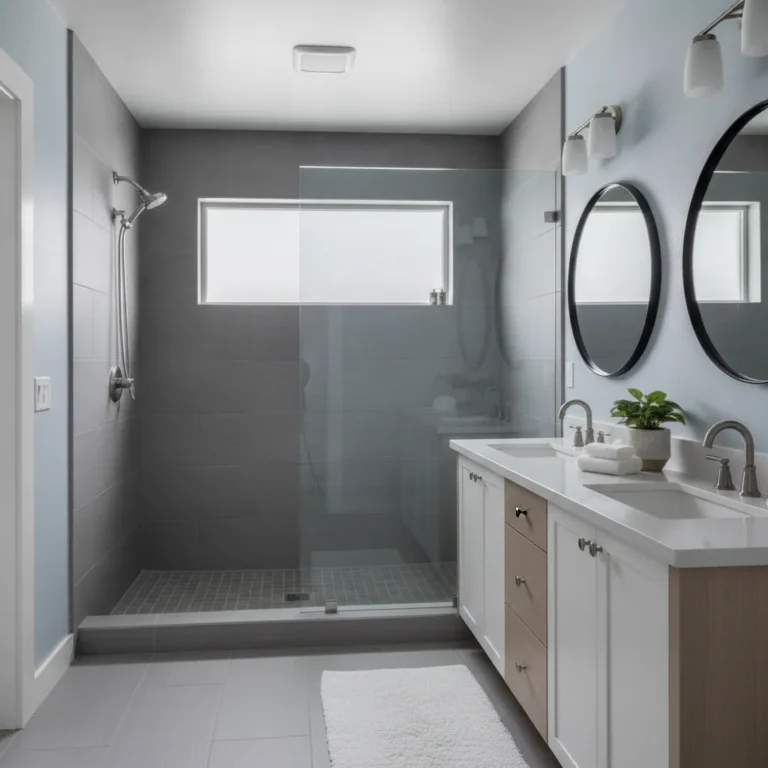
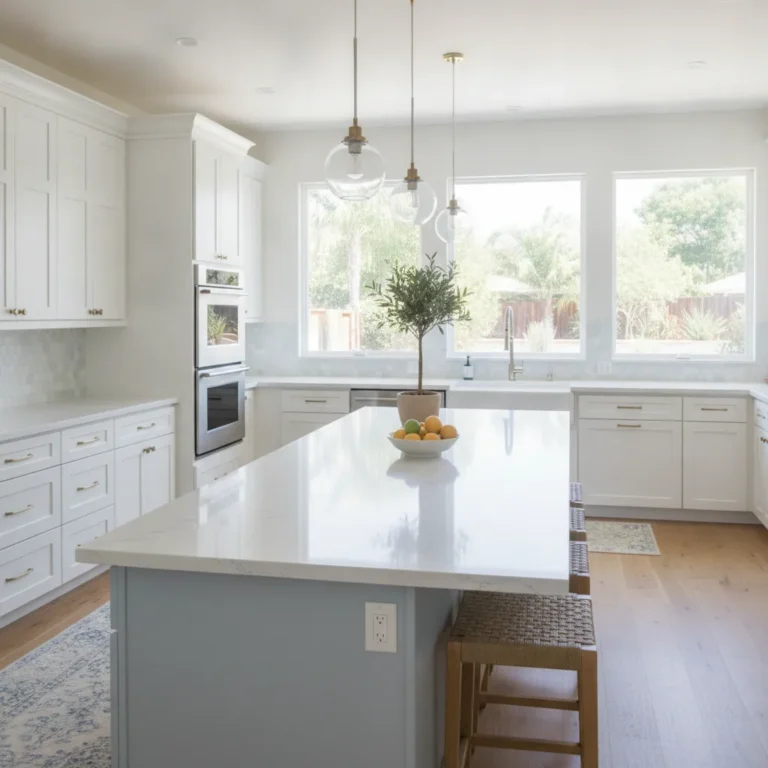
How to Choose the Right Kitchen Bath Tile for Your Specific Space
Selecting tile sounds straightforward until you are standing in a showroom facing hundreds of options. At Horizon Construction & Remodeling, we walk homeowners through this decision every day, and the same few questions almost always determine the best path forward.
Floor vs. Wall vs. Backsplash
Not every tile works in every location. Floor tile must meet a minimum slip-resistance rating, particularly in wet areas. Wall tile can be thinner and lighter, which opens up options like handmade ceramic or large-format porcelain slabs that would be impractical underfoot. Backsplash tile is the most flexible category, since it handles almost no foot traffic and sees only incidental moisture.
Porcelain vs. Ceramic vs. Natural Stone
- Porcelain: Fired at higher temperatures than ceramic, making it denser and less porous. The right choice for floors and shower surrounds in heavy-use bathrooms.
- Ceramic: More affordable, easier to cut, and available in a huge range of finishes. Well suited to backsplashes and low-traffic bathroom walls.
- Natural stone: Travertine, marble, and slate add character that manufactured tile rarely matches, but each requires sealing and more attentive maintenance to prevent staining.
Tile Size and Room Proportions
Large-format tiles, those 24 by 24 inches or bigger, make a small bathroom feel more open because there are fewer grout lines to break up the visual field. Smaller mosaic tile works well on curved shower floors where flexibility and grip matter more than seamless appearance. In a kitchen, a subway tile backsplash in a 3-by-6 format remains a practical and timeless choice that complements most cabinet styles.
Grout Color Is Not an Afterthought
Grout color and width influence the final look as much as the tile itself. A matching grout color gives a surface a uniform, modern appearance. A contrasting grout highlights the tile pattern and can be a deliberate design statement. We always recommend epoxy grout in kitchens and shower floors because it resists staining and does not require sealing the way cement-based grout does.
Choosing the right kitchen bath tile for a specific room involves balancing appearance, performance, and budget. Our team at Horizon helps clients in Fullerton, Orange County, and the greater Los Angeles area work through those trade-offs before a single tile is ordered, which prevents costly changes mid-project. We are licensed under CSLB #938230 and handle every project from design through final walkthrough with our own team, not subcontractors.
Frequently Asked Questions About Kitchen Bath Tile
What type of tile works best for a kitchen floor?
Porcelain tile is a top choice for kitchen floors because it is dense, resists moisture, and holds up under heavy foot traffic. Textured or matte-finish porcelain also provides better grip, which matters in a space where spills happen often.
How long does tile last in a bathroom?
When properly installed and maintained, tile in a bathroom can last several decades. The grout joints require periodic resealing, usually every one to three years, to keep moisture from working its way into the substrate beneath.
Is tile more expensive than other flooring options?
Tile has a wide price range, from budget-friendly ceramic to premium natural stone. While the upfront cost can be higher than vinyl or laminate, tile typically outlasts those materials by many years, which makes it a sound long-term investment.
Can I use the same tile in both my kitchen and bathroom?
Yes, using the same tile in both spaces is a common design choice that creates a cohesive look throughout a home. Just confirm that the tile is rated for the specific application, since floor tile and wall tile have different hardness and slip-resistance requirements.
How important is professional installation for kitchen and bath tile?
Professional installation makes a significant difference in how long tile performs and how good it looks. Poor substrate prep, uneven spacing, or incorrect grout choices can cause cracking, water infiltration, and early failure that require costly repairs.
Do I need a permit to retile my kitchen or bathroom in California?
Retiling alone typically does not require a permit in most California cities, but if the project involves moving plumbing, changing the layout, or altering the shower pan, permits are likely required. Checking with your local building department or a licensed contractor before starting is always the right move.
Related Services
- bathroom remodeling services in Orange County
- home remodeling contractors serving Orange County and Los Angeles
Contact Horizon Construction & Remodeling today for a free estimate on your kitchen or bathroom tile project in Orange County or Los Angeles. Call (714) 449-9035.