#1 ADU Contractor in Norwalk
Custom Builds by Horizon Remodeling
Horizon Construction & Remodeling Inc. builds accessory dwelling units and home additions for homeowners across Norwalk, converting underused backyard space into livable square footage that works for extended family, rental income, or a private guest suite. Most properties here are the flat-lot, single-story tract homes built after the city incorporated in 1957, and that post-war construction is what shapes how we plan structure, utilities, and access. We coordinate design, permitting through the City of Norwalk Building and Safety Division, and every licensed trade involved from start to final inspection.
Services We Offer
Room Additions
Sunroom Additions
Garages & Conversions
Extensions


How Our ADU Process Works
When it comes to enhancing your living space, room additions combined with Accessory Dwelling Unit (ADU) construction offer unparalleled versatility and value. These projects not only increase square footage but also provide additional living accommodations, whether for extended family, rental income, or work-from-home setups, making them a popular choice for homeowners seeking to maximize their property’s potential. According to California’s Department of Housing and Community Development, ADUs are a key solution to expanding housing options in urban and suburban neighborhoods.
Read More →
Finding the right adu contractor in Norwalk means understanding both state law and the specific conditions of the city’s housing stock before a single drawing is started. California moved its ADU rules into Government Code sections 66310 through 66342 in 2024, and those rules changed again on January 1, 2026. Square footage is now measured as interior livable space, and a local agency has 15 business days to determine whether an application is complete and 60 days to approve or deny it. Approval is ministerial, meaning no hearing and no discretionary design review stands between a compliant application and a permit.
In Norwalk, that application goes to the City of Norwalk Building and Safety Division, which sits within the Community Development Department. No unusual local overlay applies here, so the building code and the age of the structure are what govern the review. That is worth noting because Los Angeles County contains 88 incorporated cities, and the agency handling the counter changes from one city to the next even when the underlying state rules stay the same. Knowing which office to work with, and what that office looks for, saves time at the start of the project.
The county’s own ADU ordinance, amended in July 2025, was found non-compliant with state law by the California Department of Housing and Community Development in December 2025. Among other findings, it caps detached ADUs on a multifamily lot at two where state law allows up to eight. That ordinance governs unincorporated territory rather than incorporated cities like Norwalk, but it is a useful reminder that a local handout is not always current with the statute. We check the applicable rules at the time of application, not at the time of a first conversation.
Norwalk’s housing stock shapes what is practical on any given parcel. Most of the city was built as tract housing in the years following World War II, and the city incorporated in 1957. The typical home is a single-story house on a flat lot, two or three bedrooms, with a galley or L-shaped kitchen separated from the living room by a wall. That layout, and the flat lot beneath it, determines where a detached unit can sit, how far utility lines have to run, and whether a garage conversion or a new detached structure is the more sensible path. We walk each parcel and check setbacks, grade, equipment access, and utility routes before drawing anything.
State law sets a floor that protects the project regardless of which local agency is involved. A local agency cannot cap an ADU below 850 square feet of interior livable space, or below 1,000 square feet for a unit with more than one bedroom. Side and rear setbacks cannot exceed four feet. Owner-occupancy cannot be required as a condition of building an ADU. Adding a unit cannot trigger a fire sprinkler retrofit of the main house. And there are no impact fees on a unit of 750 square feet or less. These protections apply in Norwalk just as they do across the rest of California, and we factor all of them into the project plan from the beginning.
Other Remodeling Services We Offer
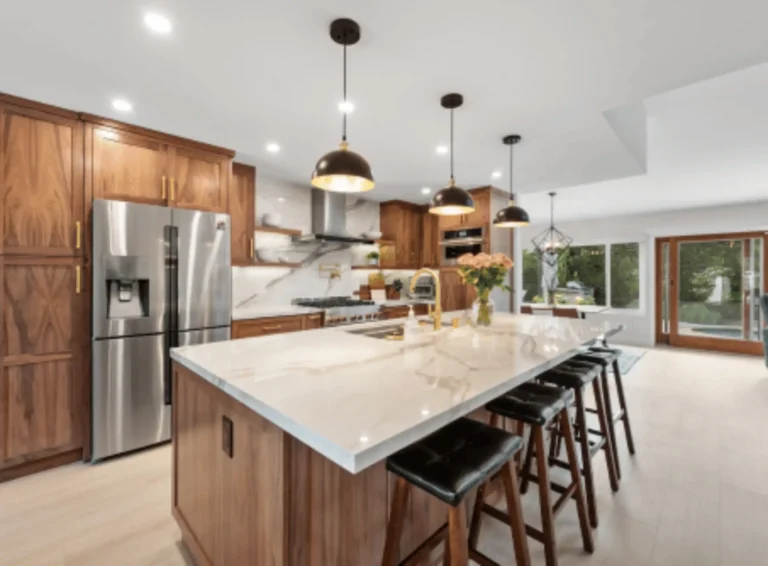
A modern kitchen adds functionality, comfort, and lasting value to your home. At Horizon Construction & Remodeling, our kitchen remodeling experts bring fresh ideas and professional project management tailored to your unique needs. From layout design to material selection, we prioritize delivering a high-standard kitchen that’s both beautiful and energy-efficient — enhancing the way you cook, gather, and live every day.
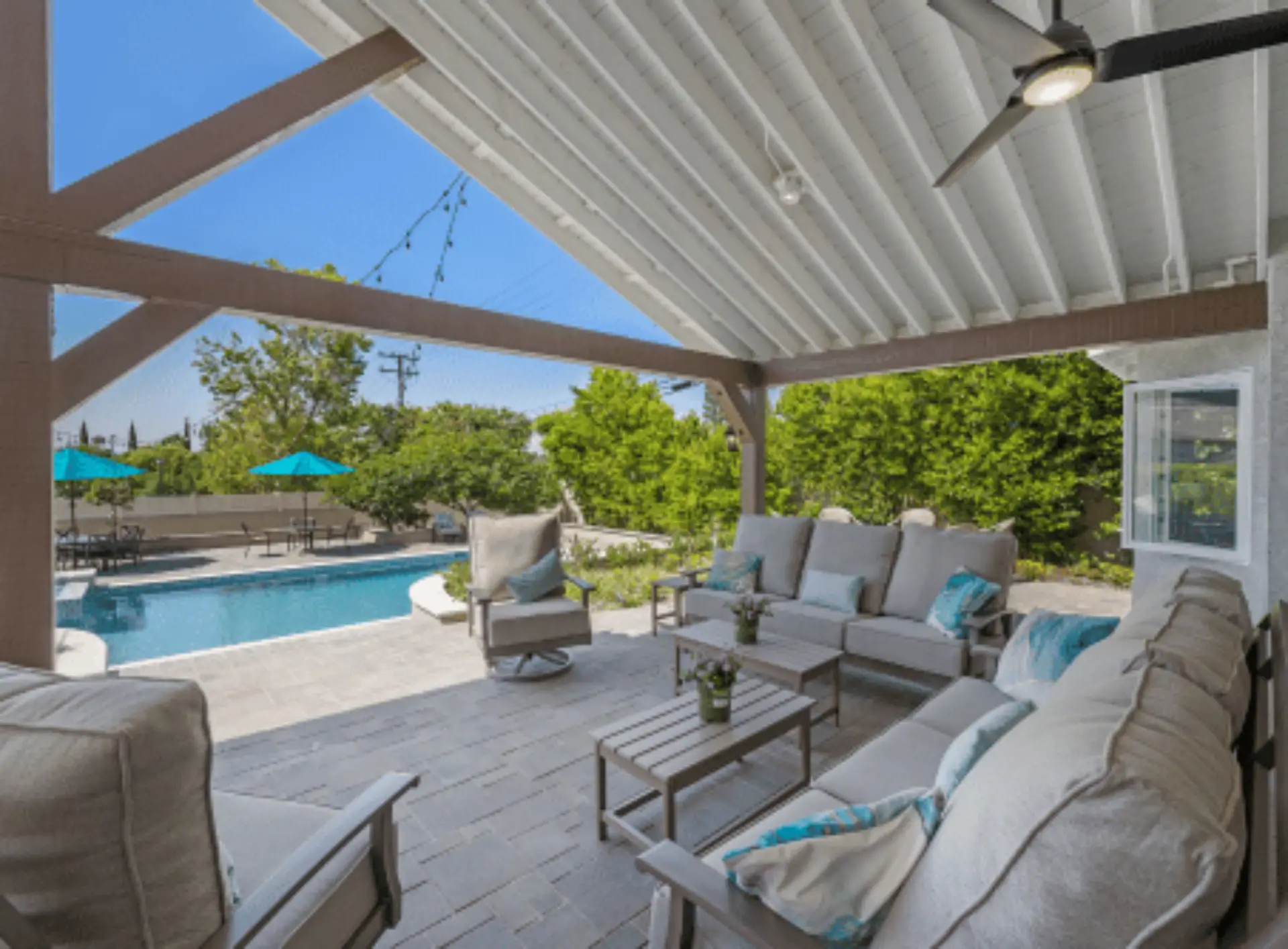
Whether you envision a classic Southern California pool or a fully customized backyard oasis, Horizon Construction & Remodeling delivers the highest level of quality and service. Our comprehensive pool design and remodeling services cover everything from layout and decking to built-in BBQs and final touches like landscaping. Let Horizon be your trusted partner in transforming your backyard into the perfect outdoor retreat.

If you are planning a complete bathroom remodel or simply want to change your tub, shower, update your plumbing fixtures, or make the space more efficient, our team at Horizon will help you through the process with expert advice, professional craftsmanship, and affordable options with beautiful results. Learn more about our bathroom remodeling services.
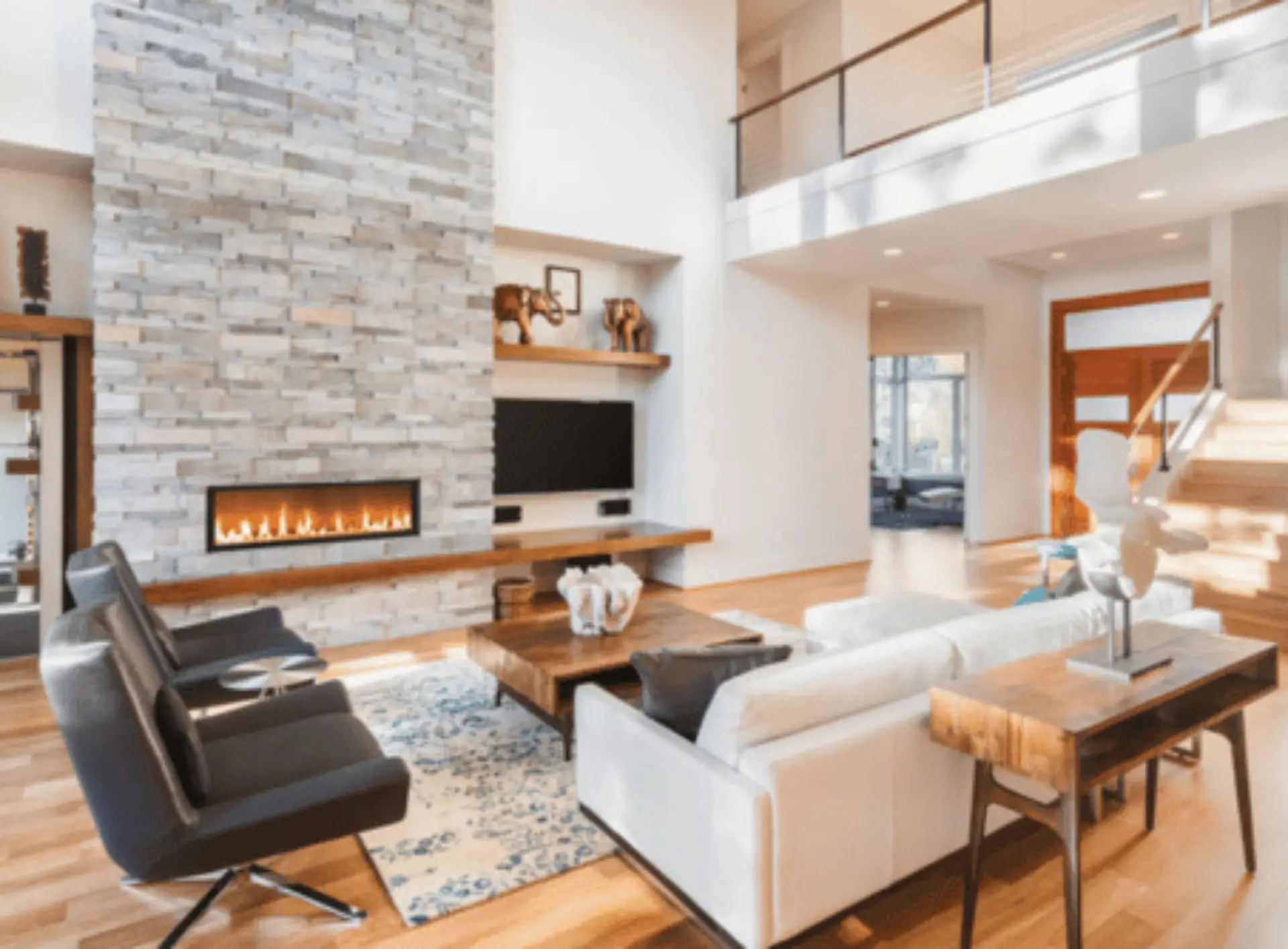
Transform your space with our expert interior work services. We offer a comprehensive range of solutions — from space planning and custom design to the selection of high-quality finishes and materials. Our team of experienced professionals works closely with you to create a space that’s both functional and stylish, tailored to your unique needs, goals, and budget. Whether you’re updating a single room or overhauling your entire interior, we bring precision, creativity, and craftsmanship to every project.
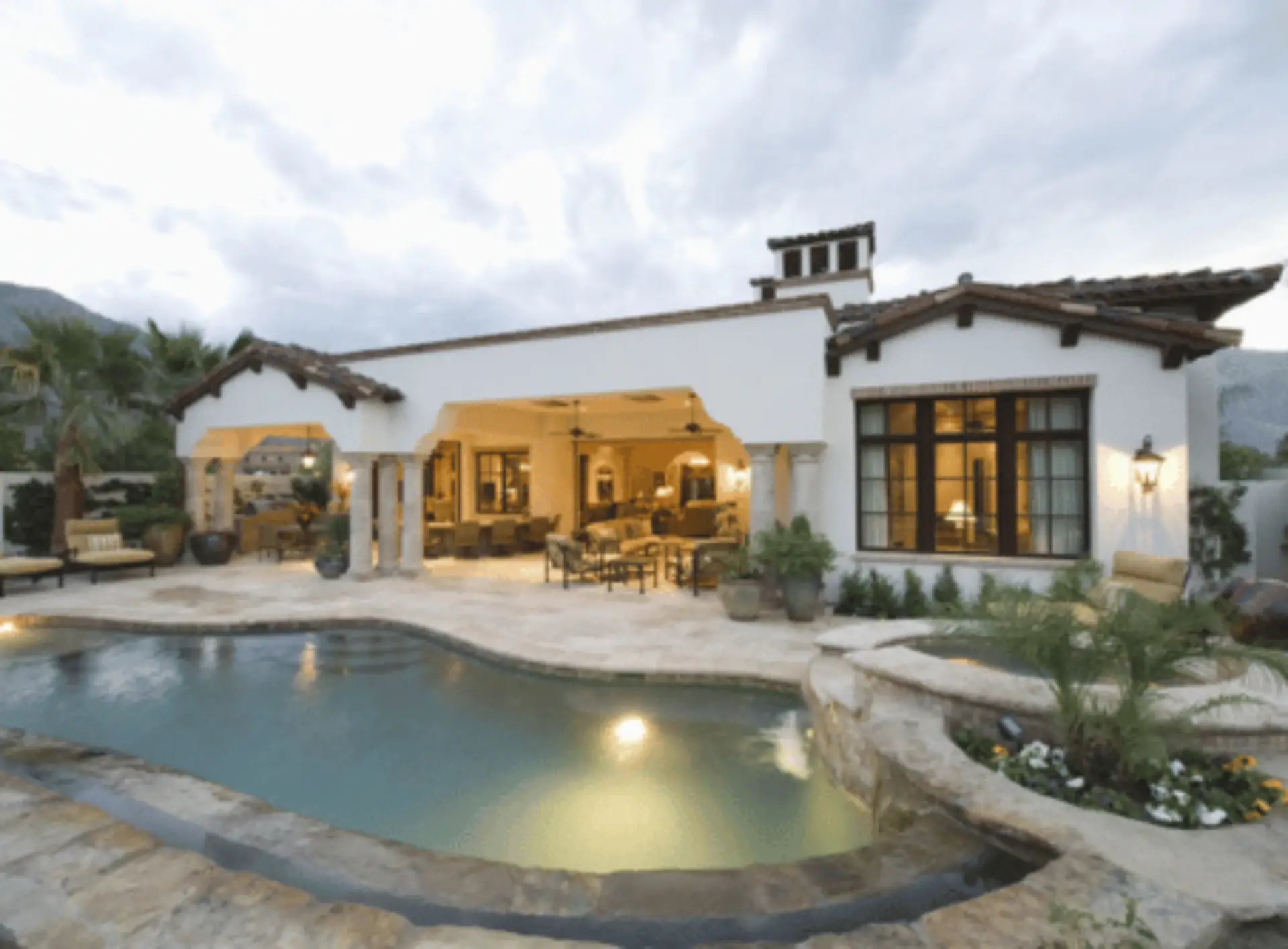
At Horizon, we believe your home is more than just four walls — it’s where life happens. It’s the place you relax, gather with family and friends, and create lasting memories. That’s why we offer a full range of exterior work services designed to elevate your outdoor living space. From patios and hardscaping to custom decks and exterior renovations, we help turn your vision into a dream yard that complements your lifestyle and enhances curb appeal.

At Horizon Construction & Remodeling, our expert team includes a dedicated design and planning division that works hand-in-hand with licensed architects and structural engineers. We take care of everything — from detailed plans and blueprints to securing city permits — so you don’t have to deal with delays or red tape. Our goal is to streamline the process and provide a fully approved set of documents that aligns with both your vision and city regulations, saving you time and stress.
Why Choose Horizon Remodeling As Your ADU Contractor in Norwalk ?
Horizon Construction and Remodeling is a licensed Class B general building contractor, bonded, and has been doing design-build work since 2009. We handle every step under one roof: drawings, permit submittal to the City of Norwalk Building and Safety Division, and construction. Because no unusual local overlay applies here, what governs your project is the state building code and the condition of your home itself.
That second point matters more than most homeowners expect. Norwalk’s housing stock is largely postwar tract construction, and a single-story house built in the late 1940s or 1950s can carry surprises once we open walls or dig near existing utilities. We work through site conditions, utility routing, and equipment access before drawings are finalized, because a plan that overlooks those details turns into a redesign later.
We also build ADUs near the Metrolink station area, the Civic Center corridor, the Entertainment District around The Walk, and the Paddison Farm area. Where state ADU law and any local rule conflict, we know which one controls and we document it in the submittal package.
Schedule a Consultation
ADU Contractor Services in Norwalk
View Our ADU Contractor Areas of Service
- ADU Contractor in Agoura Hills
- ADU Contractor in Alhambra
- ADU Contractor in Arcadia
- ADU Contractor in Artesia
- ADU Contractor in Azusa
- ADU Contractor in Baldwin Park
- ADU Contractor in Bell
- ADU Contractor in Bell Gardens
- ADU Contractor in Bellflower
- ADU Contractor in Carson
- ADU Contractor in Cerritos
- ADU Contractor in Claremont
- ADU Contractor in Commerce
- ADU Contractor in Compton
- ADU Contractor in Covina
- ADU Contractor in Cudahy
- ADU Contractor in Culver City
- ADU Contractor in Diamond Bar
- ADU Contractor in Downey
- ADU Contractor in Duarte
- ADU Contractor in El Monte
- ADU Contractor in El Segundo
- ADU Contractor in Gardena
- ADU Contractor in Glendale
- ADU Contractor in Glendora
- ADU Contractor in Hawaiian Gardens
- ADU Contractor in Hawthorne
- ADU Contractor in Hermosa Beach
- ADU Contractor in Huntington Park
- ADU Contractor in Inglewood
- ADU Contractor in La Cañada Flintridge
- ADU Contractor in La Habra Heights
- ADU Contractor in La Mirada
- ADU Contractor in La Puente
- ADU Contractor in La Verne
- ADU Contractor in Lakewood
- ADU Contractor in Lancaster
- ADU Contractor in Lawndale
- ADU Contractor in Lomita
- ADU Contractor in Long Beach
- ADU Contractor in Los Angeles
- ADU Contractor in Lynwood
- ADU Contractor in Manhattan Beach
- ADU Contractor in Maywood
- ADU Contractor in Monrovia
- ADU Contractor in Montebello
- ADU Contractor in Monterey Park
- ADU Contractor in Palmdale
- ADU Contractor in Palos Verdes Estates
- ADU Contractor in Paramount
- ADU Contractor in Pasadena
- ADU Contractor in Pico Rivera
- ADU Contractor in Pomona
- ADU Contractor in Rancho Palos Verdes
- ADU Contractor in Redondo Beach
- ADU Contractor in Rolling Hills Estates
- ADU Contractor in Rosemead
- ADU Contractor in San Dimas
- ADU Contractor in San Fernando
- ADU Contractor in San Gabriel
- ADU Contractor in San Marino
- ADU Contractor in Santa Fe Springs
- ADU Contractor in Santa Monica
- ADU Contractor in Sierra Madre
- ADU Contractor in Signal Hill
- ADU Contractor in South El Monte
- ADU Contractor in South Gate
- ADU Contractor in South Pasadena
- ADU Contractor in Temple City
- ADU Contractor in Torrance
- ADU Contractor in Walnut
- ADU Contractor in West Covina
- ADU Contractor in West Hollywood
- ADU Contractor in Whittier
ADU Contractor in Norwalk FAQ
What is an ADU and why should I build one?
An accessory dwelling unit is a self-contained secondary home built on your existing property, taking the form of a backyard cottage, a converted garage, or an in-law suite. Working with Horizon Construction and Remodeling on an ADU in Norwalk lets you add rental income, house extended family, or gain extra living space from a postwar tract lot that already has the room for it.
How much does it cost to build an ADU in California?
What an ADU Actually Costs in Norwalk
The honest answer is that no number on a web page means much without knowing your specific situation. The final cost depends on whether you are converting existing space or building a new detached unit, how much site work your flat Norwalk lot requires, how far utility lines need to run, and the finish level you select. What we can tell you is where the money goes and what state law protects you from. A unit at or under 750 square feet of livable space is exempt from impact fees. School fees only apply above 500 square feet. Connection fees for a conversion or junior ADU are capped, because the state does not treat those as a new residential use. Adding an ADU also cannot force a fire sprinkler retrofit of your existing home.
Because most Norwalk homes are postwar tract houses built decades before current code, the age of the structure and the applicable building code are the main factors that govern what the City of Norwalk Building and Safety Division will require during plan check. Anyone quoting a firm price before walking the parcel is guessing. We review the property, confirm setbacks and utility conditions, and then give you a fixed scope and price you can hold us to. One point worth stating clearly: the CalHFA ADU grant program is closed, its funding fully allocated, and the agency itself warns that anyone offering to help you obtain an ADU grant is running a scam.
Do I need permits for an ADU in Norwalk?
An ADU in Norwalk always requires a building permit, though approval is ministerial rather than discretionary, meaning no hearing or design review board stands between you and a decision. Applications go to the City of Norwalk Building and Safety Division, which sits within the Community Development Department. Under state law, the agency has 15 business days to confirm completeness and 60 days to approve or deny; any denial must spell out the deficiencies and how to fix them, and a pre-approved plan shortens that review window to 30 days. Because most Norwalk homes are postwar single-story tract houses on flat lots, the age of the structure and the standard building code are what govern the project. Horizon prepares and submits the permit package and stays with it through every inspection, so the process does not fall back on you.
How long does ADU construction take with Horizon Remodeling?
Most ADU construction projects take between 4 to 8 months from design to completion, depending on scope and permit approvals. Horizon Remodeling prioritizes efficient timelines while maintaining quality workmanship.
What types of ADUs can Horizon Remodeling build?
We specialize in building detached ADUs, attached ADUs, garage conversions, backyard cottages, and junior ADUs (JADUs). Our team can help you choose the right ADU style for your property and goals.
Can I build a detached ADU on my property in Norwalk?
Yes, if your property meets California zoning and space requirements. Horizon Remodeling will assess your site, secure the necessary permits, and build a fully detached ADU tailored to your preferences.
Is Horizon Remodeling licensed to build ADUs in my area?
Yes, Horizon Remodeling is fully licensed, bonded, and insured to build ADUs throughout Orange County and surrounding areas. We have over 18 years of experience delivering high-quality ADU projects.
What are the benefits of hiring Horizon Remodeling for my ADU project?
Horizon Construction & Remodeling Inc. handles ADU design, permitting through the City of Norwalk Building and Safety Division, and construction from start to finish, keeping your project code-compliant and on budget. Norwalk’s postwar tract homes on flat lots are well suited to ADU additions.
Does Horizon Remodeling handle ADU design and permitting?
Absolutely! Horizon Remodeling provides complete ADU design services, including architectural plans and 3D renderings. We also handle city permits and inspections, streamlining your project and reducing stress.
How do I get started on an ADU with Horizon Remodeling?
Reach out to Horizon Construction & Remodeling Inc. to book a free consultation, where we review your Norwalk property, talk through your goals, and put together a detailed estimate with design recommendations so you know exactly what to expect before work begins.
Explore More in Norwalk
Horizon is a licensed Class B general building contractor serving Norwalk and the surrounding Orange County communities.
Other Services in Norwalk
ADU Contractors Nearby
Related Posts About ADU