
#1 ADU Contractor in Joshua Tree
Custom Builds by Horizon Remodeling
Horizon Construction & Remodeling Inc. builds accessory dwelling units and home additions on Joshua Tree properties, handling design coordination, budgeting, permit submissions through San Bernardino County Land Use Services, and material selection under one general contract. Because Joshua Tree is unincorporated county territory and most parcels run on septic systems rather than municipal sewer lines, adding a dwelling unit typically starts with a septic capacity evaluation before anything else moves forward. As an ADU contractor serving Joshua Tree, we manage every trade involved so the project meets county building requirements from the ground up.
Services We Offer


How Our ADU Process Works
When it comes to enhancing your living space, room additions combined with Accessory Dwelling Unit (ADU) construction offer unparalleled versatility and value. These projects not only increase square footage but also provide additional living accommodations, whether for extended family, rental income, or work-from-home setups, making them a popular choice for homeowners seeking to maximize their property’s potential. According to California’s Department of Housing and Community Development, ADUs are a key solution to expanding housing options in urban and suburban neighborhoods.
Read More →
Working as an adu contractor in Joshua Tree means operating under a permit framework that is different from most of Southern California. Joshua Tree is unincorporated county territory, so applications go to San Bernardino County Land Use Services, Building and Safety rather than to a city planning department. California consolidated its ADU statutes into Government Code sections 66310 through 66342 in 2024, and those rules were updated again on January 1, 2026. Square footage is now measured as interior livable space, and once an application is submitted, the county has 15 business days to confirm it is complete and 60 days to approve or deny it. Approval is ministerial, meaning no public hearing and no discretionary design review.
San Bernardino County adopted Development Code Chapter 84.36 at the Board of Supervisors on January 13, 2026, and the published standards are notably more flexible than what coastal counties allow. A standard ADU can range from 200 to 1,200 square feet, and a junior ADU is permitted up to 500 square feet. Height limits reach 25 feet for attached units and 18 feet for detached ones, with two additional feet available to match an existing roof pitch. Side and rear setbacks are four feet, with five feet of separation required between detached structures. Importantly, two ADUs are allowed per lot, and properties of five acres or more can accommodate three units.
Sewer capacity is the question that decides feasibility on a large share of parcels here. Most properties run on septic tanks and leach fields. A sewer connection is only required when a line runs within 200 feet of the property line, and that threshold increases by 100 feet for each additional dwelling unit added to the property. On many lots, an ADU turns on whether the existing septic system can support the load rather than on any sewer tie-in. We bring Environmental Health into the conversation before a plan is drawn, not after a design is already committed.
The land itself shapes nearly every other decision. Joshua Tree’s housing stock grew out of desert homesteading, with five-acre Small Tract Act parcels claimed from the 1940s into the 1950s, and later growth pushed the median year built to around 1975. The typical home is a low single-story desert house or a homestead cabin that started from a small core and expanded outward with added rooms rather than upward. That building pattern means utility runs and placement options for a detached unit vary widely from parcel to parcel, and a site visit tells us more than any map.
Understanding where structures already sit, how far utilities extend, and what the septic system can handle gives us a realistic starting point before any design work begins. We coordinate across the trades that an ADU requires, with specialty work handled by appropriately licensed subcontractors, and we manage the county permit process from the initial application through final inspection. If you are ready to talk through what your property can support, contact us to request a free estimate.
Other Remodeling Services We Offer
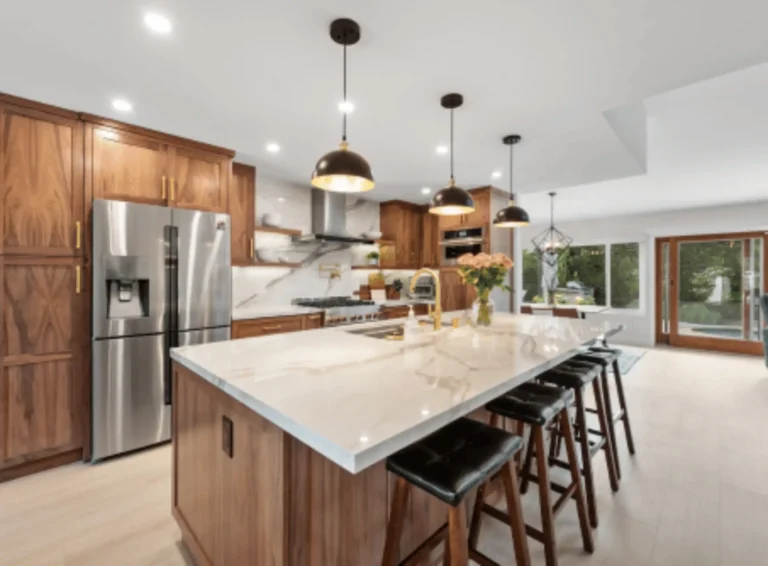
A modern kitchen adds functionality, comfort, and lasting value to your home. At Horizon Construction & Remodeling, our kitchen remodeling experts bring fresh ideas and professional project management tailored to your unique needs. From layout design to material selection, we prioritize delivering a high-standard kitchen that’s both beautiful and energy-efficient — enhancing the way you cook, gather, and live every day.
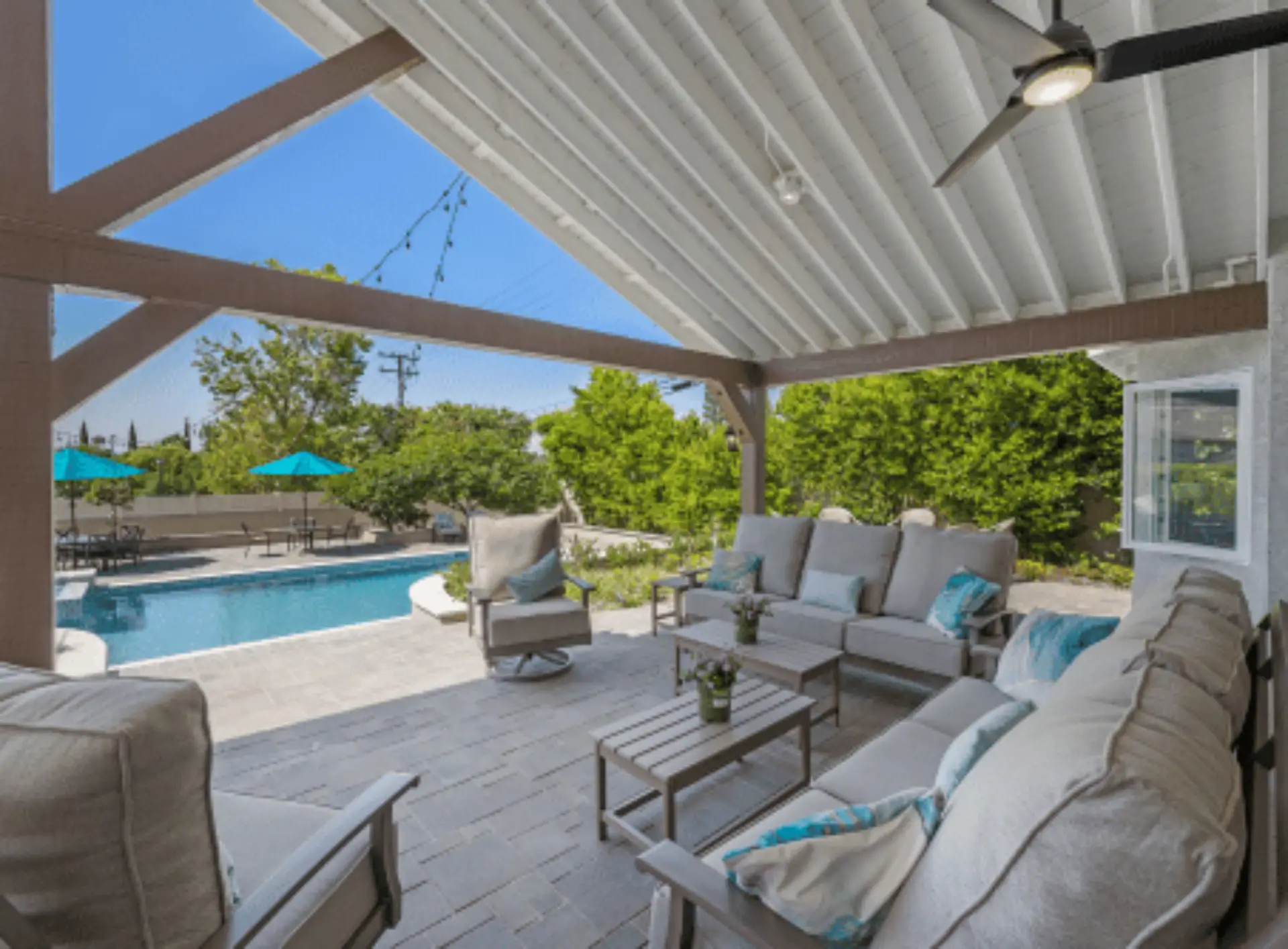
Whether you envision a classic Southern California pool or a fully customized backyard oasis, Horizon Construction & Remodeling delivers the highest level of quality and service. Our comprehensive pool design and remodeling services cover everything from layout and decking to built-in BBQs and final touches like landscaping. Let Horizon be your trusted partner in transforming your backyard into the perfect outdoor retreat.

If you are planning a complete bathroom remodel or simply want to change your tub, shower, update your plumbing fixtures, or make the space more efficient, our team at Horizon will help you through the process with expert advice, professional craftsmanship, and affordable options with beautiful results. Learn more about our bathroom remodeling services.
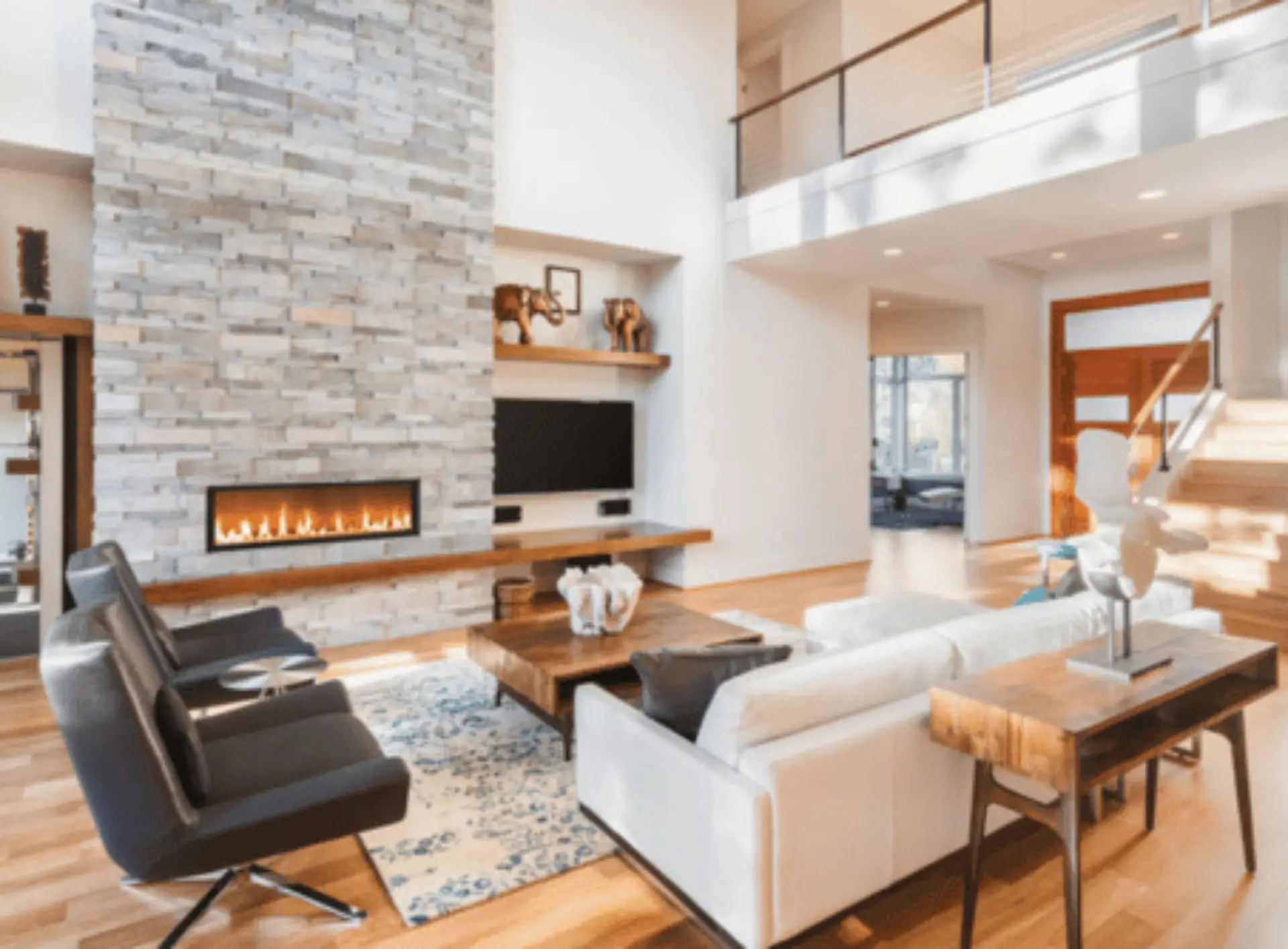
Transform your space with our expert interior work services. We offer a comprehensive range of solutions — from space planning and custom design to the selection of high-quality finishes and materials. Our team of experienced professionals works closely with you to create a space that’s both functional and stylish, tailored to your unique needs, goals, and budget. Whether you’re updating a single room or overhauling your entire interior, we bring precision, creativity, and craftsmanship to every project.
At Horizon, we believe your home is more than just four walls — it’s where life happens. It’s the place you relax, gather with family and friends, and create lasting memories. That’s why we offer a full range of exterior work services designed to elevate your outdoor living space. From patios and hardscaping to custom decks and exterior renovations, we help turn your vision into a dream yard that complements your lifestyle and enhances curb appeal.
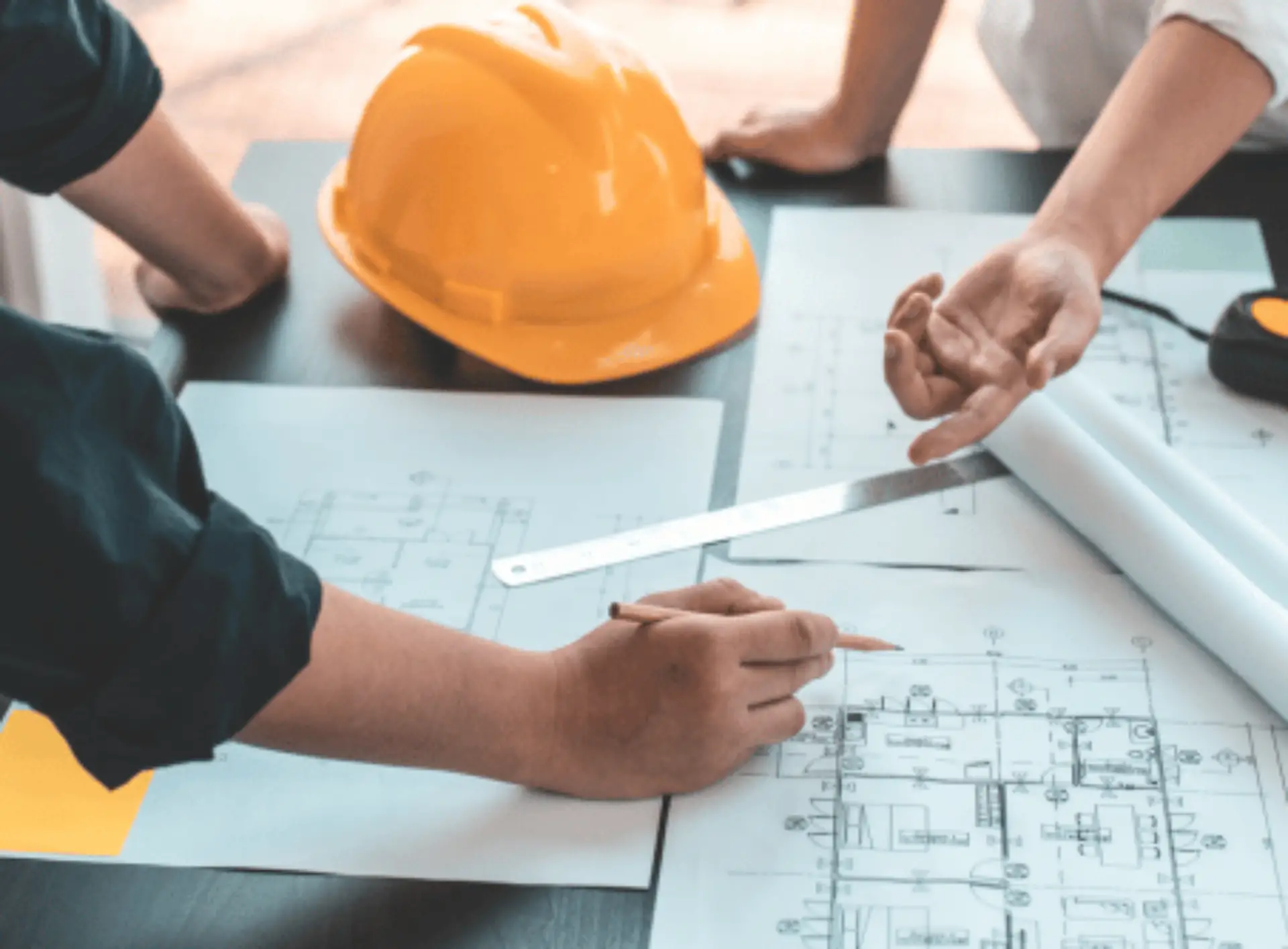
At Horizon Construction & Remodeling, our expert team includes a dedicated design and planning division that works hand-in-hand with licensed architects and structural engineers. We take care of everything — from detailed plans and blueprints to securing city permits — so you don’t have to deal with delays or red tape. Our goal is to streamline the process and provide a fully approved set of documents that aligns with both your vision and city regulations, saving you time and stress.
Why Choose Horizon Remodeling As Your ADU Contractor in Joshua Tree ?
Horizon Construction and Remodeling is a licensed Class B general building contractor, bonded, and has been doing design-build work since 2009. We handle the full scope ourselves: drawing the plan, running it through San Bernardino County Land Use Services and Building and Safety, and completing the build. Because Joshua Tree sits in unincorporated county territory, permits move through the county rather than a city office, and we know how that process runs.
Feasibility questions come before design questions out here. Most parcels in Joshua Tree run on septic tanks and leach fields, and the county ties ADU approval directly to septic capacity. Where a sewer line falls within 200 feet of your property line a connection may be required, and that distance grows by 100 feet for each additional dwelling unit, so we work through those infrastructure details early. The original homestead lots in this area tend to be generous in size, which can work in your favor, but percolation, access, and fire hazard zone still need answers before a plan goes on paper.
California state protections apply regardless of where your parcel sits. There is no owner-occupancy requirement for an ADU, no sprinkler retrofit triggered on the main house, and no impact fees on a unit with 750 square feet or less of interior livable space. We work throughout Joshua Tree Village, Friendly Hills, the Park Boulevard corridor, and along the Twentynine Palms Highway strip.
Schedule a Consultation
ADU Contractor Services in Joshua Tree
View Our ADU Contractor Areas of Service
- ADU Contractor in Adelanto
- ADU Contractor in Apple Valley
- ADU Contractor in Barstow
- ADU Contractor in Big Bear City
- ADU Contractor in Big Bear Lake
- ADU Contractor in Chino
- ADU Contractor in Chino Hills
- ADU Contractor in Colton
- ADU Contractor in Crestline
- ADU Contractor in Fontana
- ADU Contractor in Grand Terrace
- ADU Contractor in Hesperia
- ADU Contractor in Highland
- ADU Contractor in Lake Arrowhead
- ADU Contractor in Loma Linda
- ADU Contractor in Montclair
- ADU Contractor in Needles
- ADU Contractor in Ontario
- ADU Contractor in Phelan
- ADU Contractor in Rancho Cucamonga
- ADU Contractor in Redlands
- ADU Contractor in Rialto
- ADU Contractor in Running Springs
- ADU Contractor in San Bernardino
- ADU Contractor in Twentynine Palms
- ADU Contractor in Upland
- ADU Contractor in Victorville
- ADU Contractor in Wrightwood
- ADU Contractor in Yucaipa
- ADU Contractor in Yucca Valley
ADU Contractor in Joshua Tree FAQ
What is an ADU and why should I build one?
An accessory dwelling unit is a self-contained secondary home on your existing property, taking shape as a detached backyard cottage, a garage conversion, or an attached in-law suite. On the large five-acre parcels that define much of Joshua Tree, that extra space can generate rental income, house extended family, or simply put underused land to work.
How much does it cost to build an ADU in California?
Pricing an ADU in Joshua Tree depends on details no contractor can judge from a distance: the size and type of unit you want, whether you are converting existing space or building a detached structure from scratch, the finish level you choose, and what the site itself demands. On these parcels, most of which run on septic tanks and leach fields rather than municipal sewer, the county evaluates septic capacity before approving an added dwelling unit. That single factor can shape your project budget more than almost anything else, because a system that handled one household may need to be assessed or expanded before San Bernardino County Land Use Services will sign off on your plans.
State law does give you some cost protections worth knowing. Any ADU with 750 square feet or less of interior livable space is exempt from impact fees, school fees apply only above 500 square feet, and connection fees for a junior ADU or a conversion are limited because state law does not treat those as a new residential use. Building an ADU also cannot force a fire sprinkler retrofit on your existing home. We walk every property, confirm the utility situation and setbacks, and give you a fixed scope and price before work begins. One warning worth repeating: the CalHFA ADU grant program is closed and its funding fully allocated, and the agency itself states that anyone offering to help you obtain an ADU grant is running a scam.
Do I need permits for an ADU in Joshua Tree?
Yes, every ADU requires a building permit. Because Joshua Tree sits in unincorporated county territory rather than an incorporated city, the application goes to San Bernardino County Land Use Services, Building and Safety. On parcels across Friendly Hills, the Park Boulevard corridor, and the rest of the area, most properties run on septic, so San Bernardino County Environmental Health reviews capacity as part of the process, and the county checks whether a sewer line falls within 200 feet of the property line before connection is required. Horizon manages the submittal, responds to corrections, and coordinates all inspections.
How long does ADU construction take with Horizon Remodeling?
Most ADU construction projects take between 4 to 8 months from design to completion, depending on scope and permit approvals. Horizon Remodeling prioritizes efficient timelines while maintaining quality workmanship.
What types of ADUs can Horizon Remodeling build?
We specialize in building detached ADUs, attached ADUs, garage conversions, backyard cottages, and junior ADUs (JADUs). Our team can help you choose the right ADU style for your property and goals.
Can I build a detached ADU on my property in Joshua Tree?
Yes, if your property meets California zoning and space requirements. Horizon Remodeling will assess your site, secure the necessary permits, and build a fully detached ADU tailored to your preferences.
Is Horizon Remodeling licensed to build ADUs in my area?
Yes, Horizon Remodeling is fully licensed, bonded, and insured to build ADUs throughout Orange County and surrounding areas. We have over 18 years of experience delivering high-quality ADU projects.
What are the benefits of hiring Horizon Remodeling for my ADU project?
Horizon Construction & Remodeling Inc. handles ADU design, permitting, and construction as a single coordinated process, managing each phase so your project meets code and stays within budget. On the large desert parcels common across Joshua Tree, that process almost always starts with a septic capacity review before a single wall goes up.
Does Horizon Remodeling handle ADU design and permitting?
Absolutely! Horizon Remodeling provides complete ADU design services, including architectural plans and 3D renderings. We also handle city permits and inspections, streamlining your project and reducing stress.
How do I get started on an ADU with Horizon Remodeling?
Reaching out to Horizon Construction & Remodeling Inc. is the first step toward adding an ADU to your Joshua Tree property. We review your parcel, talk through your goals, and deliver a detailed estimate, then guide you through every phase of the project, including septic capacity considerations that county requirements make central to most builds out here.
Explore More in Joshua Tree
Horizon is a licensed Class B general building contractor serving Joshua Tree and the surrounding Orange County communities.
Other Services in Joshua Tree
ADU Contractors Nearby
Related Posts About ADU


