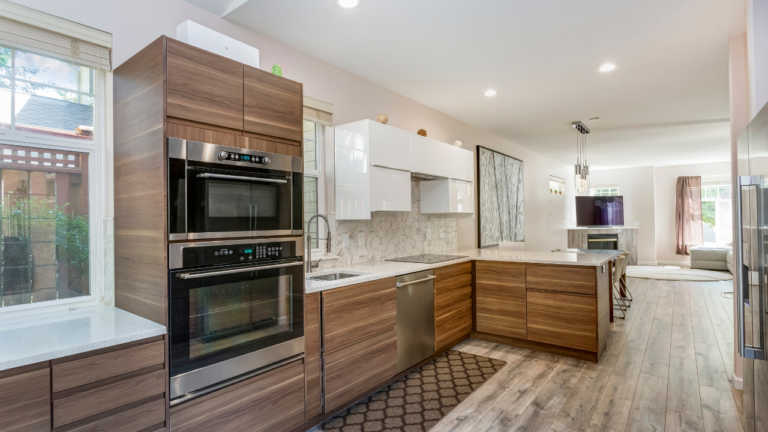
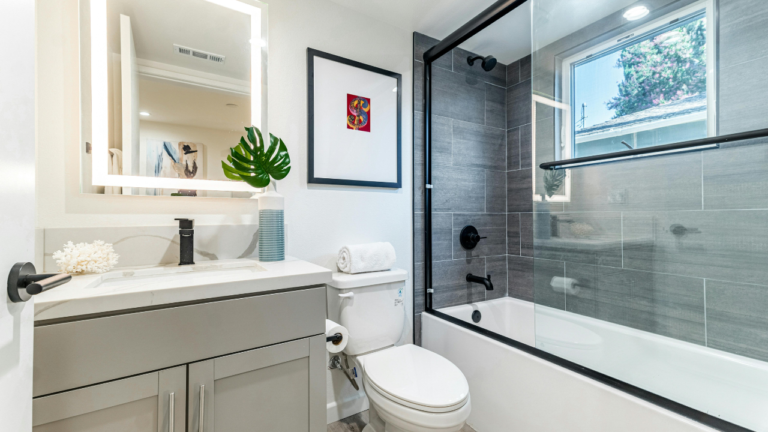
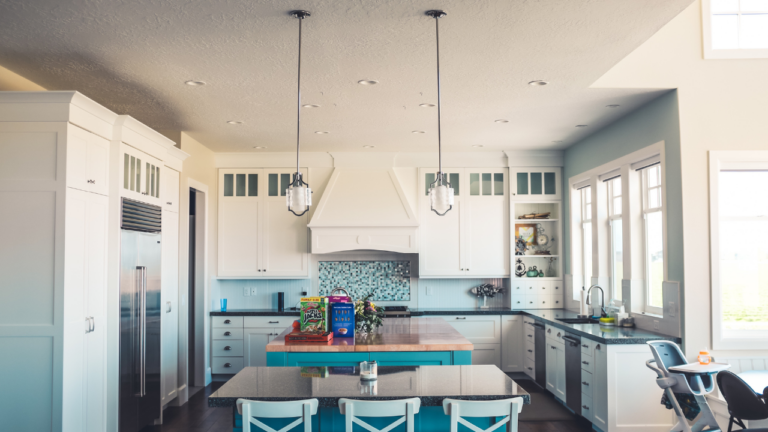
Opening paragraph starting with content… Sustainable interior remodeling is more than just a trend—it’s a smart investment in your home and future. By transforming your living spaces with eco-friendly materials, energy-efficient systems, and mindful planning, you’re not only reducing your environmental footprint, but also enhancing your home’s value and comfort. Whether you’re considering a single room update or a full-scale renovation, embracing sustainable interior remodeling benefits you, future occupants, and the planet. In this guide, I’ll share six effective and achievable strategies that deliver powerful results while keeping your project green and cost-effective.
Eco-Conscious Material Choices for Sustainable Interior Remodeling
One of the cornerstones of sustainable interior remodeling is selecting environmentally responsible materials. These options reduce resource depletion and ensure healthier indoor air—an essential advantage for every family. To make your remodel both stylish and green, consider reclaimed wood, recycled metal, low-VOC paints, bamboo, and cork flooring. These materials are not only durable but offer a timeless look that enhances any space.
- Reclaimed wood: Ideal for feature walls, shelving, or flooring—each piece has history and character.
- Bamboo: Fast-growing and incredibly resilient, it makes for beautiful floors and cabinets.
- Low-VOC and zero-VOC paints: Protect your family’s health while adding vibrant color.
Explore more sustainable options for kitchens in our kitchen remodeling tips collection and discover how the right material choices can elevate your living experience. For additional inspiration, Houzz’s Green Building section offers excellent eco-remodeling case studies.
Reimagining Spaces With Sustainable Interior Remodeling Design
Redesigning your home with a sustainable mindset goes beyond materials—it’s about optimizing the way your spaces work for you. Careful planning and blueprints ensure that every inch of your home serves a purpose, promotes energy savings, and provides lasting comfort. Space planning can make smaller homes feel open and inviting while minimizing unnecessary construction or overuse of resources.
Flexible Layouts for Multigenerational Living
Creating adaptable spaces with moveable partitions, built-in storage, or convertible furniture is ideal for sustainable interior remodeling. These elements allow you to accommodate changing household needs without future renovations. If you’re considering an accessory dwelling unit (ADU) or second suite, learn more about what an ADU contractor can do for you in this area.
Maximizing Natural Light and Airflow
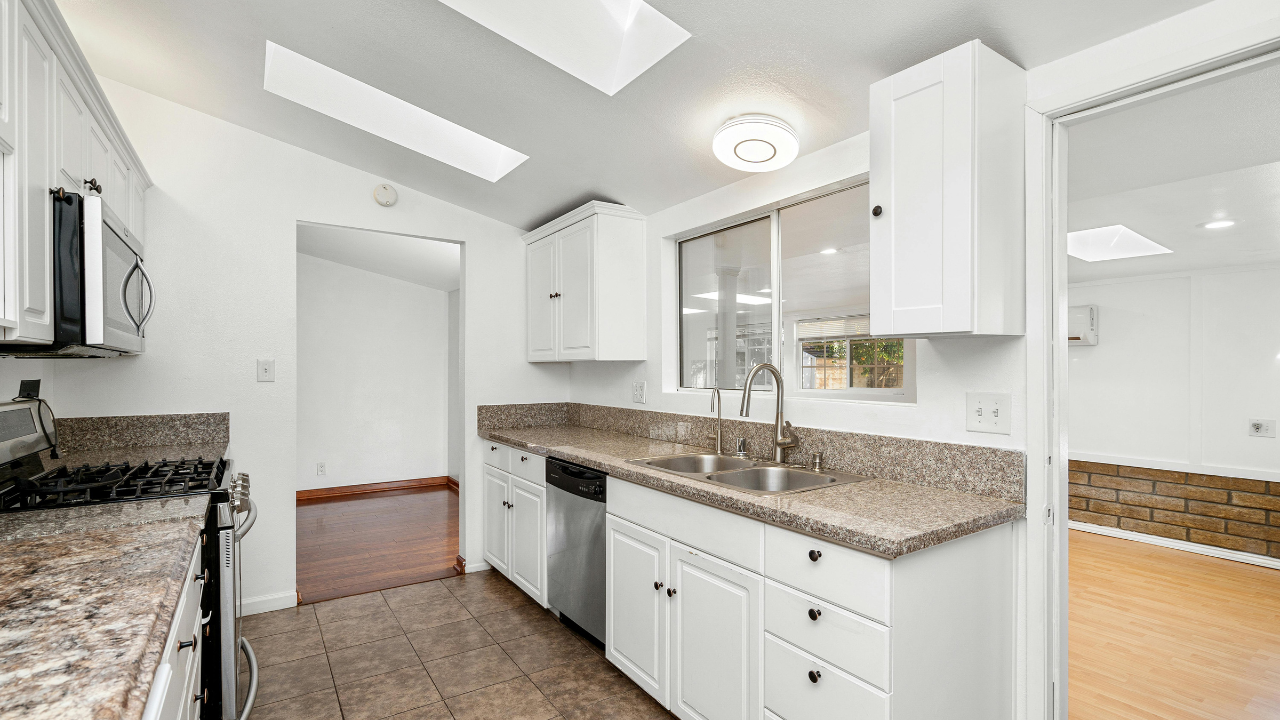
Design your remodel to harness daylight and improve cross-ventilation. Using large windows, skylights, and operable transoms not only reduces the need for artificial lighting, but also boosts indoor air quality and mood. Check out addition and structured work strategies for more ideas on integrating these sustainable features.
Energy Efficiency: A Core Benefit of Sustainable Interior Remodeling
One of the biggest payoffs of sustainable interior remodeling is enhanced energy efficiency. Updating your home’s insulation, windows, and HVAC system minimizes energy loss and reduces utility costs for years to come.
- Install Energy Star-rated appliances and LED lighting
- Upgrade insulation in walls, attics, and basements
- Seal gaps around doors and windows to stop drafts
Don’t overlook opportunities in your kitchen and bath. Review our detailed post on tile advantages for kitchens and bathrooms—tile is not only stylish and durable but can aid radiant floor heating and passive solar strategies. For more on sustainable building systems, DOE’s Energy Saver site is a great reference.
Smart Home Integration for Sustainable Remodeling
Smart thermostats, occupancy sensors, and home automation systems help optimize your energy use. Consider linking these upgrades with your larger interior work projects for seamless integration and even bigger efficiency gains. Many systems let you monitor and adjust usage in real time—a win for sustainability and convenience.
Water Conservation Solutions in Sustainable Interior Remodeling
Water-smart upgrades are a must for sustainable interior remodeling—especially in kitchens, bathrooms, and laundry rooms. Look for WaterSense-certified fixtures, low-flow toilets, leak-detection systems, and efficient dishwashers or washing machines.
- Low-flow faucets and showerheads: Cut down water usage without sacrificing performance
- Dual-flush toilets: Allow tailored flushing for maximum savings
- Greywater recycling: Reuses water from sinks and showers to irrigate gardens
For more tips on bathroom remodeling upgrades that save water and money, explore our step-by-step guides. If you’re interested in industry standards, see EPA WaterSense for certified products and programs.
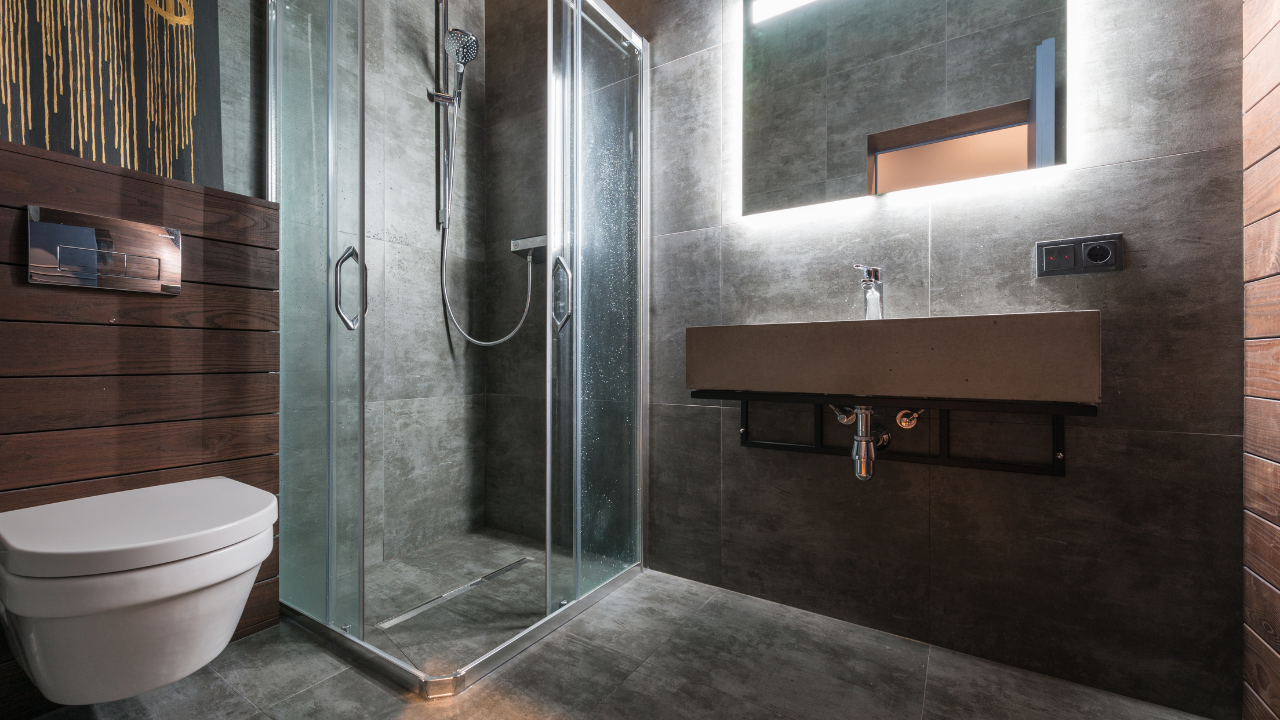
[Suggested Alt Text: Modern bathroom with water-saving fixtures highlighting sustainable interior remodeling benefits]
Indoor Air Quality and Health in a Sustainable Interior Remodel
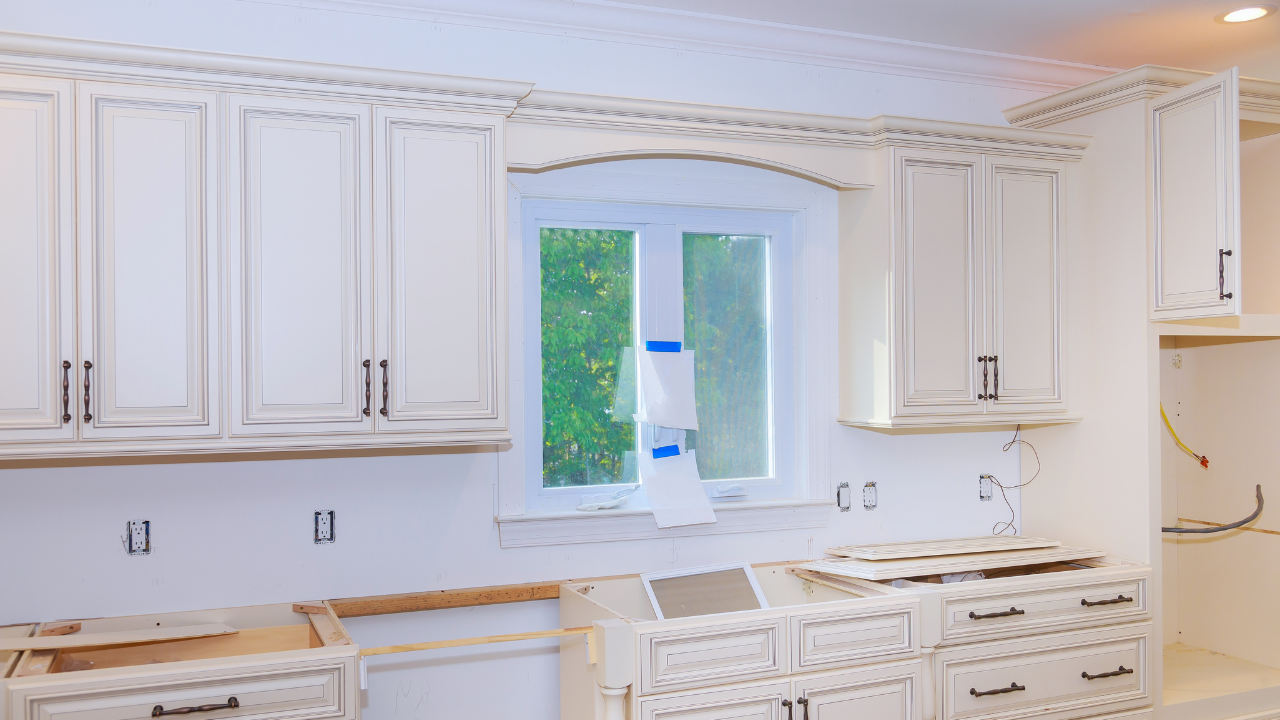
A major advantage of sustainable interior remodeling is the boost in indoor air quality and overall household health. Traditional materials, adhesives, and finishes often emit volatile organic compounds (VOCs) and other toxins that can cause allergies or respiratory issues. Prioritize low- or zero-VOC options for paint, finishing products, and adhesives. Choose cabinetry made with solid wood or formaldehyde-free products. Adequate ventilation, such as range hoods and bathroom exhaust fans, also plays a critical role.
Check out advice on safer exterior work that complements interior air quality. For comprehensive guidance, consult the National Kitchen & Bath Association’s sustainability resources, which align with best practices for healthy, green home design.
Plant-Filled Living Spaces for Natural Air Purification
Incorporate houseplants and green walls into your design. Plants not only look beautiful but act as natural air filters, improving your home’s environmental performance and aesthetic appeal. Studies, as summarized by HGTV’s Sustainable Remodeling Tips, confirm real indoor air benefits from common houseplants—make them an integral part of your plan.
Waste Reduction and Recycling Strategies in Sustainable Interior Remodeling
Limiting construction waste is essential to the ethos of sustainable interior remodeling. A well-executed project recycles, reuses, or donates as much as possible—and you’ll find that a sustainable approach is often a budget-friendly one.
- Deconstruct, don’t demolish—carefully remove cabinets, tiles, light fixtures, or furniture for donation or reuse
- Source salvaged elements, such as antique hardware, doors, and molding for character and sustainability
- Work with contractors who have established recycling programs for construction debris
Some cities offer tax credits or rebates for recycling materials during a remodel, so check local ordinances before you begin. For more creative ways to repurpose items, browse This Old House’s green home remodeling tips. To see how these strategies fit into a bigger seasonal plan, visit our resource on home remodeling project ideas for spring.
Responsible Disposal of Hazardous Materials
Old paints, solvents, or electronics may require special handling. Partner with remodeling pros who follow eco-conscious disposal best practices. For a broad overview of safe practices, Remodeling Magazine’s Green Remodeling section is highly educational.
Smart Investments: The Lasting Value of Sustainable Interior Remodeling
Sustainable interior remodeling isn’t just about doing good for the environment—it increases your home’s market value, decreases ongoing costs, and greatly improves everyday livability. Buyers now demand eco-friendly features and healthy, modern environments. Energy-efficient homes with documented upgrades often sell for a premium and tend to spend less time on the market.
If you’re looking to boost value before selling, start with resource-efficient upgrades in kitchens and bathrooms. Read our post on top reasons to remodel a bathroom to better understand the resale advantages. For added longevity and resilience—especially outdoors, consider integrating your eco upgrades with concrete driveway or paving improvements.
Return on Investment for Green Remodeling
Industry data confirms that sustainable renovation outperforms comparable conventional projects in the long term, thanks to energy savings, lower maintenance, and higher resale prices. For more on green renovation ROI, see recent studies and design ideas on Houzz and Remodeling Magazine. When planning your next remodel, make sustainability the cornerstone for net-positive returns.
Key Takeaways for Sustainable Interior Remodeling
- Sustainable interior remodeling combines eco-friendly materials and smart design to improve both your home and the environment
- Choosing recycled, reclaimed, and low-VOC materials enhances comfort, durability, and indoor air quality
- Energy efficiency upgrades, such as insulation and smart systems, offer long-term savings and comfort
- Water-saving features like low-flow fixtures are essential for every sustainable interior remodel
- Space planning and adaptable layouts ensure your home remains functional for changing needs
- Waste reduction—through deconstruction and recycling—keeps your remodel clean and responsible
- Eco-upgrades increase resale value and align with modern buyer expectations
- Partnering with pros familiar with green practices ensures a successful, truly sustainable remodel
Frequently Asked Questions About Sustainable Interior Remodeling
What makes a remodeling project “sustainable”?
A sustainable interior remodeling project uses environmentally responsible materials, increases energy and water efficiency, reduces waste, and prioritizes occupant health during and after construction.
Will sustainable interior remodeling cost more than traditional remodeling?
While some eco-friendly materials have a higher upfront cost, energy and water savings plus increased home value often offset these expenses in the long run.
Can I incorporate sustainable features into a small remodel?
Absolutely—even a small remodel can include water-saving fixtures, low-VOC paints, recycled or upcycled materials, and energy-efficient lighting for eco-friendly results.
Which rooms benefit the most from sustainable interior remodeling?
Kitchens and bathrooms see the greatest impact from sustainable upgrades, but living areas, bedrooms, and even exterior projects can benefit from eco-conscious improvements.
How do I find quality sustainable materials for my remodel?
Work with remodeling professionals experienced in green design, visit reputable suppliers, and look for certifications such as Energy Star, WaterSense, or FSC for responsible sourcing.
Are there government incentives for sustainable remodeling?
Many cities and states offer rebates or tax credits for energy-efficient and water-saving upgrades. Check local resources for available programs before starting your remodel.