Opening paragraph starting with content… Eco-friendly interior remodeling has become increasingly important for homeowners who value sustainability and healthy living—especially when working with limited square footage. Transforming your small space doesn’t mean compromising on design or comfort; it means finding smarter, greener solutions that maximize function while minimizing your environmental impact. Whether you’re interested in reducing your carbon footprint, improving indoor air quality, or boosting your home’s energy efficiency, making sustainable material choices can help achieve a fresh, inviting interior that aligns with your values and lifestyle.
Why Eco-Friendly Interior Remodeling Matters for Small Spaces
When designing or renovating smaller homes, every design decision counts. The materials you select don’t just influence the overall look—they deeply affect your indoor air quality, energy efficiency, and environmental footprint for years to come. By prioritizing eco-friendly interior remodeling, you contribute to a greener future and create a healthier living environment for you and your loved ones.
With limited space, your choices must do double duty: maximizing utility and style while shrinking your environmental impact. Sustainable home design doesn’t mean bland or boring. By incorporating the right materials, you can enjoy a beautiful, long-lasting space that also aligns with principles of green building and responsible living. For more inspiration on making the most of compact homes, visit our guide on interior remodeling strategies.
Understanding the Principles of Eco-Friendly Interior Remodeling
Choosing sustainable materials goes beyond simply picking what’s labeled “green.” True eco-friendly interior remodeling means assessing materials for:
- Low volatile organic compound (VOC) emissions for clean indoor air
- Renewable or rapidly regenerative sources
- Durability and long lifespan to minimize waste
- Recyclability at end-of-life
- Local sourcing to reduce transportation emissions
These principles are at the heart of modern bathroom remodeling projects and other home upgrades grounded in sustainability.
6 Innovative Materials for Eco-Friendly Interior Remodeling in Small Spaces
Let’s explore the top material choices to transform your compact home or apartment with sustainability at the forefront. Each option below is carefully selected for its environmental benefits, versatility, and suitability for maximizing small spaces.
Bamboo: The Ultimate Renewable Resource for Flooring and Cabinets
Bamboo is a superstar in eco-friendly interior remodeling thanks to its incredible growth rate and durability. Unlike hardwoods, which can take decades to mature, bamboo regenerates in just a few years, making it one of the most renewable building materials available. It’s particularly excellent for:
- Flooring that resists moisture and dents
- Custom cabinetry with a light, natural aesthetic
- Wall panels that open up small rooms visually
Bamboo’s uniform texture and varied stains can create a sense of openness, perfect for maximizing small kitchens and bathrooms. Visit Houzz’s bamboo remodeling guide for more design inspiration.
Recycled Glass: Artistic Surfaces for Kitchens and Baths
Recycled glass countertops, tiles, and backsplashes are a stunning way to add intrigue to small spaces while supporting your eco-friendly interior remodeling goals. These surfaces:
- Contain up to 90% post-consumer glass, reducing landfill waste
- Offer vibrant, luminous colors to brighten compact rooms
- Are highly durable and non-porous for lasting beauty
Pair recycled glass with white or light wood cabinetry for an airy feeling in any kitchen redesign. Learn more about the advantages of sustainable tile in our article on eco-friendly kitchen and bath tile choices.
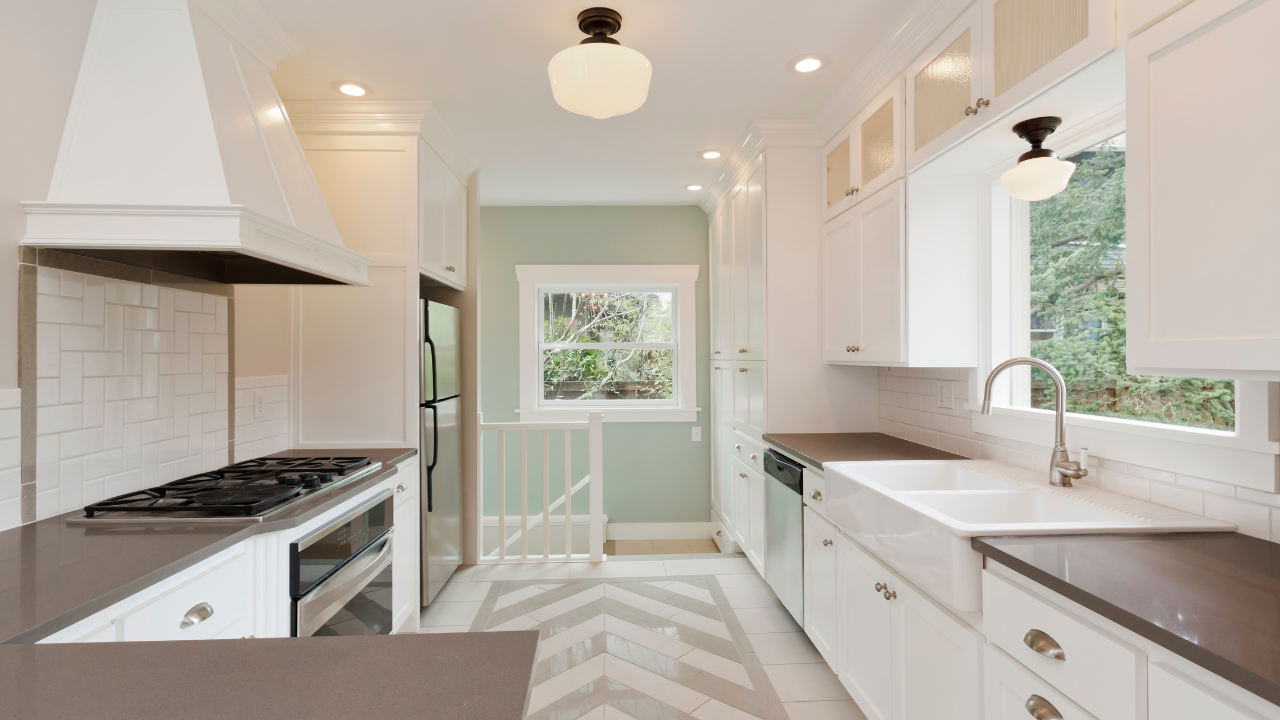
Low and Zero-VOC Paints: Health-Conscious Color for Eco-Friendly Interior Remodeling
Paint plays a major role in both the look and air quality of your home. Traditional formulas can emit VOCs for years, affecting respiratory health—especially in close quarters. Fortunately, today’s low and zero-VOC paints deliver beautiful, durable finishes in every color you can imagine, making them a must-have for eco-friendly interior remodeling projects in small spaces.
Tips for Using Low-VOC Paints in Small Areas
- Opt for light, reflective tones to make confined rooms appear larger
- Choose durable brands certified by EPA Safer Choice or Green Seal
- Remember to properly ventilate during and after painting, even with green products
Explore more on HGTV’s interior paint guide for eco-friendly home color ideas.
Repurposed Wood: Character and Conservation Combined
Love the warmth of wood? Consider reclaimed or salvaged lumber for your eco-friendly interior remodeling. This approach:
- Gives new life to old-growth wood beams, floors, and feature walls
- Prevents valuable materials from being discarded
- Adds unique character through natural patinas and historic details
Reclaimed wood flooring or shelving is not only good for the planet—it also brings timeless charm to contemporary small spaces. Thinking about going custom? Consult our resource on planning your sustainable remodel to get started with the right blueprints.
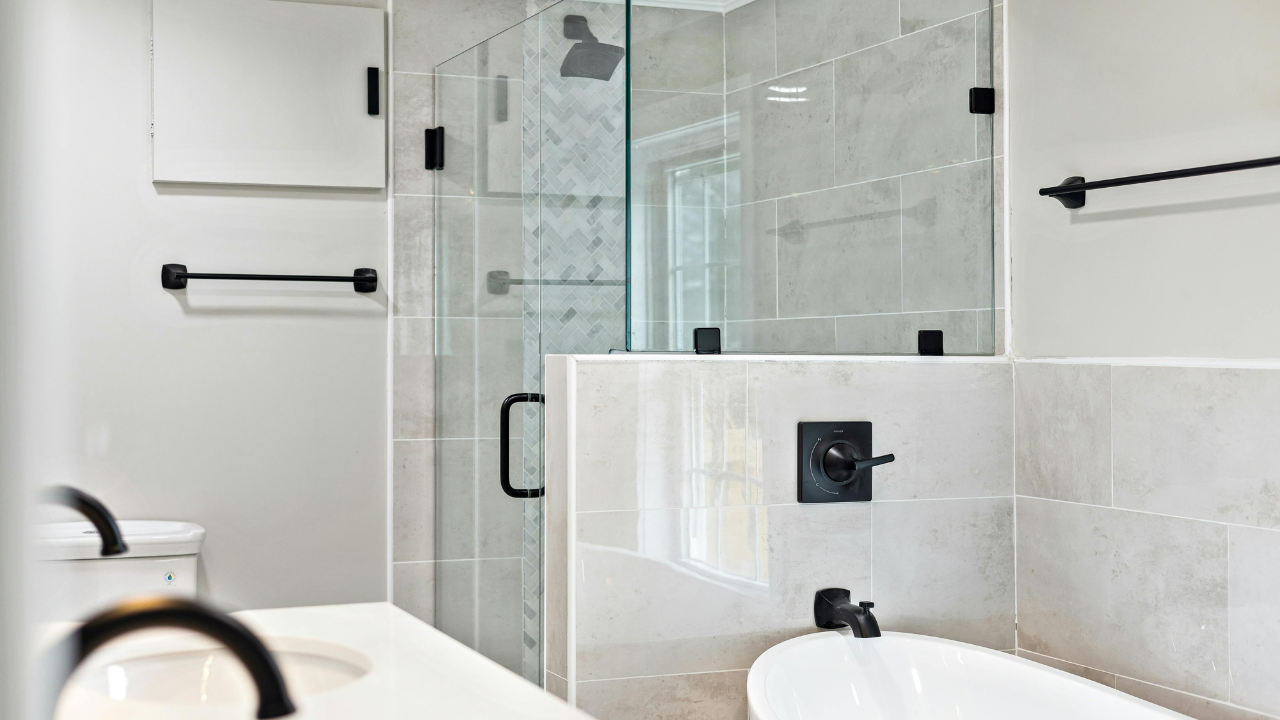
Smart Surface Solutions: Cork and Linoleum in Eco-Friendly Interior Remodeling
Cork and linoleum have long been unsung heroes in the world of sustainable design, especially for homeowners focused on eco-friendly upgrades this season. Here’s what makes them ideal for your small space remodel:
- Cork: Harvested from the bark of cork oak trees in a process that doesn’t harm the tree, cork is naturally antimicrobial, comfortable underfoot, and an effective acoustic insulator—great for tight quarters.
- Linoleum: Often confused with its synthetic cousin vinyl, true linoleum is made from linseed oil, wood flour, and jute. It’s renewable, durable, and available in stylish, modern finishes.
Maximizing Benefits of Cork and Linoleum
For best results in eco-friendly interior remodeling:
- Use cork in bedrooms or home offices for warmth and sound reduction
- Choose linoleum in kitchens and entryways for easy cleaning and moisture resistance
Both options are hypoallergenic and can help your remodeling project attain green certification, such as LEED or WELL standards (USGBC LEED guidelines).
Upcycled and Modular Furniture: Adaptable Eco-Friendly Interior Remodeling
Small spaces call for furniture that’s as flexible as your lifestyle. Upcycled, modular, and multi-purpose furnishings are perfect for eco-friendly interior remodeling, offering benefits like:
- Reduced demand for new raw materials
- Clever storage solutions that decrease clutter
- Lighter manufacturing footprints by using reclaimed components
Try a vintage credenza repurposed as a bathroom vanity, or a modular sofa built from recyclable frames, to add style and green value. Read more about creative small home solutions in our guide on ADU and structured work additions.
Quick List: Where to Source Sustainable Furniture
- This Old House for upcycled ideas
- Certified green furniture makers from organizations like FSC (Forest Stewardship Council)
- Local artisans and secondhand shops to minimize transportation
Efficient Lighting and Energy-Saving Fixtures for Eco-Friendly Interior Remodeling
No eco-friendly interior remodeling project is complete without upgrading your lighting. Modern LED fixtures, occupancy sensors, and daylighting strategies dramatically lower energy use and can create an illusion of more spaciousness in small homes.
Energy-Saving Lighting Tips for Small Spaces
- Opt for warm white LEDs for cozy, efficient ambiance
- Install dimmers for flexibility and extra efficiency
- Maximize natural light with sheer window treatments and light-colored surfaces
Smart fixtures not only cut your utility bills—they also add lasting value to your remodel. For more insights into making your upgrade work year-round, see our article on winter home efficiency improvements.
Integrating Eco-Friendly Interior Remodeling: Planning Tips and Professional Advice
Embarking on a sustainable transformation of your home means careful planning. Here’s how to get the most from your eco-friendly interior remodeling:
- Consult a professional: Experienced designers understand both small space optimization and green building requirements. Explore our company profile to find out how we incorporate sustainability in every remodel.
- Start with your priorities: Focus on spaces you use most—kitchens, bathrooms, home offices—and choose the greenest materials that fit your goals.
- Source locally when possible: Materials sourced close to home generally have a smaller carbon footprint and can support your community’s green economy.
The journey toward sustainable living happens one step at a time, and even the smallest changes can have a big impact. For those considering a comprehensive approach, our overview of summer home improvement offers further tips on integrating eco-friendly practices into your whole-house plan.
Key Takeaways for Eco-Friendly Interior Remodeling Materials in Small Spaces
- Choose renewable materials like bamboo and cork for flooring, cabinetry, and wall finishes in compact homes.
- Prioritize surfaces made from recycled glass and repurposed wood to reduce waste and add unique character.
- Select low or zero-VOC paints to improve indoor air quality, especially in smaller, less-ventilated areas.
- Opt for modular and upcycled furniture for flexible, space-saving, and sustainable solutions.
- Upgrade to LED lighting and energy-saving fixtures for greater efficiency and a brighter, more open feel.
- Source materials locally to support the environment and your community’s economy.
- Consult green building professionals and consider certifications for long-term sustainable value.
Frequently Asked Questions About Eco-Friendly Interior Remodeling for Small Spaces
What are the best flooring materials for eco-friendly interior remodeling?
Bamboo, cork, reclaimed wood, and linoleum are top choices, offering renewability, durability, and low environmental impact while enhancing small spaces.
Do eco-friendly paints really improve indoor air quality?
Yes. Low and zero-VOC paints reduce harmful emissions, making your home safer—especially important for homes with less ventilation or young children.
Can recycled materials still look modern in a remodel?
Absolutely. Recycled glass, reclaimed wood, and other upcycled materials can be crafted into sleek, contemporary designs suitable for any style or space.
Is it more expensive to remodel using eco-friendly materials?
Not always. While some options can carry a premium, many sustainable materials are competitively priced and can actually save money through durability and energy efficiency.
How can I incorporate eco-friendly remodeling in a rental or temporary home?
Focus on reversible changes like modular furniture, energy-efficient lighting, and low-VOC paint; these upgrades are both sustainable and easy to take with you.