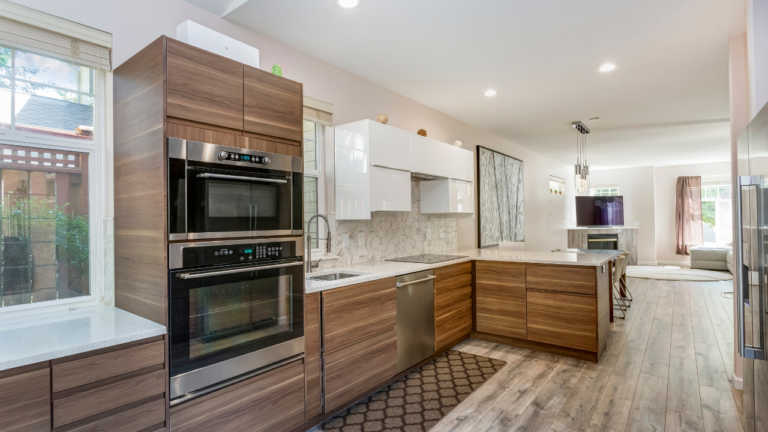
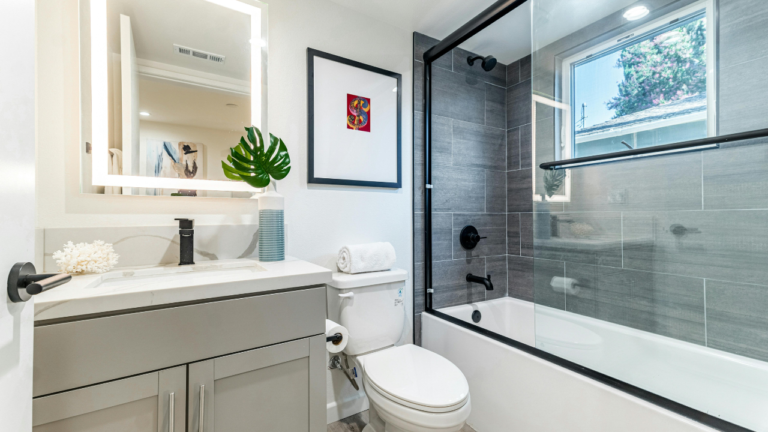
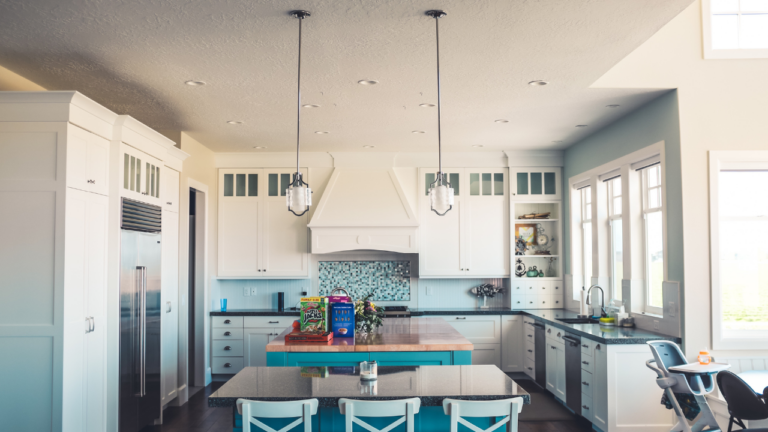
Eco-Friendly Interior Remodeling: 6 Smart Ways to Modernize Your Living Room
Are you looking to breathe fresh, modern life into your living room while making sustainable choices for our planet? Eco-friendly interior remodeling isn’t just a trend—it’s an intelligent, forward-thinking practice that blends style, efficiency, and responsibility. As an experienced home remodeling professional, I can assure you: incorporating eco-friendly interior remodeling techniques will boost your comfort and property value while minimizing your environmental footprint. In this comprehensive guide, I’ll share six actionable ways to transform your living room into a modern, eco-conscious sanctuary, offering both great design and peace of mind.
Why Choose Eco-Friendly Interior Remodeling for Your Living Room?
If you spend significant time in your living room, it makes perfect sense to prioritize eco-friendly interior remodeling strategies. Not only can these sustainable design choices help reduce utility costs and improve indoor air quality, but they also support global efforts to cut down waste and carbon emissions. Whether you’re just starting your interior work journey or planning a large-scale upgrade, these remodeling solutions make a lasting impact on your home and the environment.
- Lower long-term maintenance and energy costs
- Improved comfort and healthier indoor air
- Striking visual upgrades with natural appeal
- Enhanced property value through sustainable design
1. Opt for Recycled and Sustainable Furnishings
One of the most effective ways to advance your eco-friendly interior remodeling goals is by choosing furniture and décor items made from recycled, upcycled, or certified sustainable materials. Look for living room essentials—like coffee tables, bookshelves, and lounge chairs—crafted from reclaimed wood, recycled metals, or eco-certified fabrics.
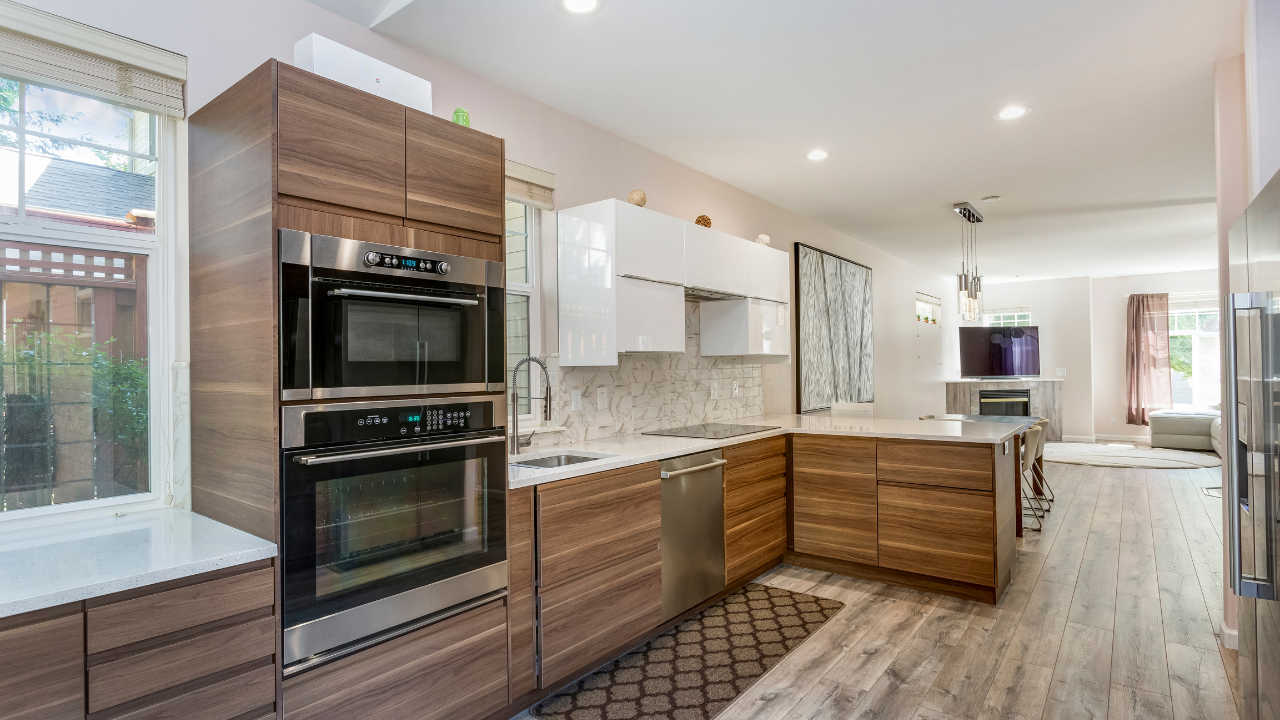
Using recycled materials not only diverts waste from landfills but also imbues your space with a unique, story-rich charm. For cushions and rugs, prioritize organic cotton, bamboo, or wool over synthetic textiles, which often contain harmful chemicals. For a curated look, check out vintage marketplaces or local artisan sources—these finds make your space truly one-of-a-kind and are a cornerstone of eco-friendly interior remodeling principles.
Discover Eco-Friendly Brands and Certifications
- Shop for products with the Forest Stewardship Council (FSC) certification
- Choose GREENGUARD or OEKO-TEX certified textiles for healthier air quality
- Embrace second-hand and vintage pieces to promote reuse and reduce demand for new resources
2. Prioritize Low-VOC Paints and Finishes in Eco-Friendly Interior Remodeling
Did you know that traditional paints and finishes can release VOCs (volatile organic compounds) into your living space for months after application? VOCs contribute to indoor air pollution, triggering allergies and other health issues. For a truly eco-friendly interior remodeling project, always opt for low-VOC or zero-VOC paints and natural finishes when updating your living room walls, trims, and built-ins.
- Brands like Benjamin Moore and Sherwin-Williams offer wide eco-friendly paint selections
- Natural oils and waxes provide rich finishes for wood without harmful side effects
- Look for Green Seal or EcoLogo certifications to verify performance and safety standards

Not only do eco-friendly paints create a safer living room environment, but many also boast enhanced durability and vibrant color retention, making your remodeling choices both practical and beautiful.
3. Enhance Natural Light and Insulation for Sustainable Comfort
Efficient use of natural light and robust insulation are fundamental to eco-friendly interior remodeling. Maximizing daylight reduces your reliance on artificial lighting, while good insulation maintains comfortable temperatures year-round, cutting your energy consumption.
Smart Tips for Boosting Light and Energy Efficiency
- Install energy-efficient windows or add storm windows to existing frames
- Choose sheer or light-colored window treatments that uphold privacy without sacrificing sunlight
- Use light-reflective wall paints or strategically-placed mirrors to amplify available daylight
- Incorporate thermal curtains or rugs to help retain warmth in winter and block heat in summer
As you plan your eco-friendly interior remodeling, consider double-glazed windows and improved weather stripping. These investments support a sustainable living room remodel and can significantly reduce your monthly utility bills. For more practical upgrades, explore winter home improvement ideas that integrate energy efficiency into your design.
4. Upgrade to LED Lighting and Smart Controls in Eco-Friendly Interior Remodeling
Lighting plays a central role in modernizing your living room. Traditional incandescent bulbs waste up to 90% of their energy as heat. In contrast, LED bulbs are incredibly energy efficient, last longer, and come in a spectrum of tones to set the perfect mood for any space. Integrating LED technology is a quick win for eco-friendly interior remodeling.
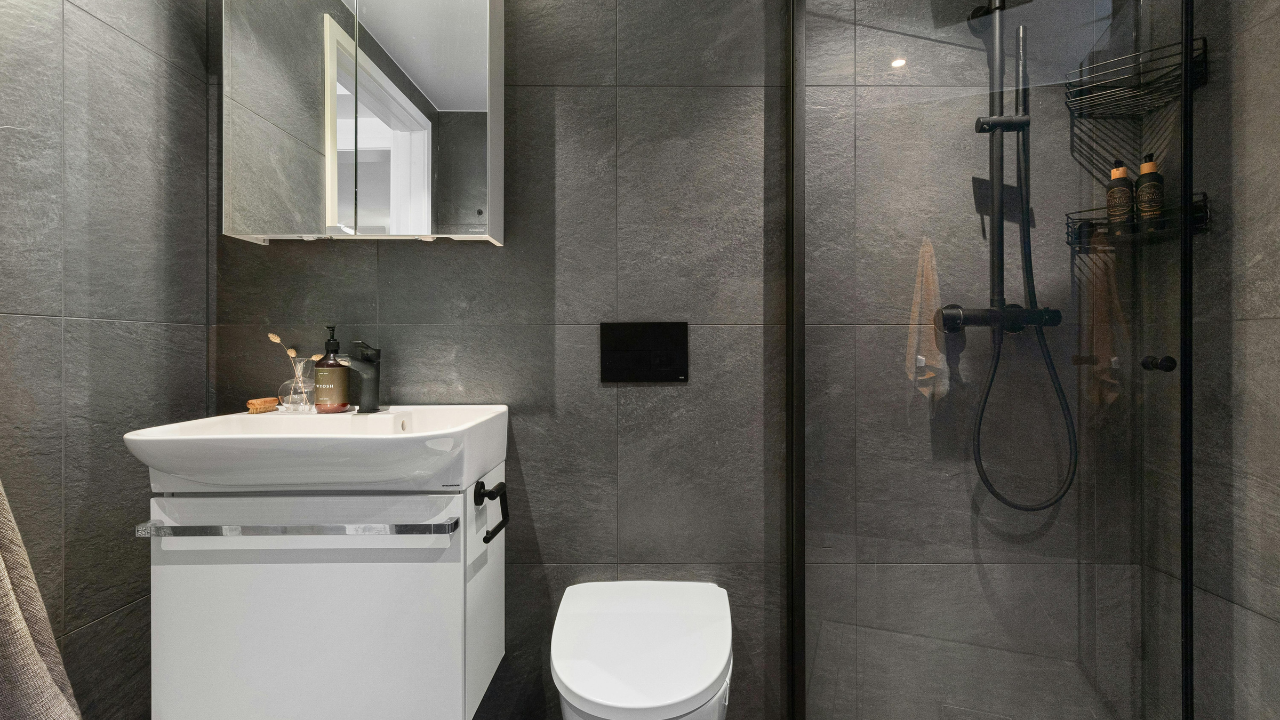
Take things a step further by incorporating smart dimmers and occupancy sensors. These controls automatically adjust light levels or turn off lights when rooms are empty, combining eco-efficiency with cutting-edge convenience.
Choosing the Right Lighting Solutions
- Layer ambient, task, and accent lighting for function and atmosphere
- Install programmable LED strips for flair under shelves or inside niches
- Pair with daylight harvesting systems for maximum sustainability
Learn more about layered lighting and other efficient indoor upgrades from trusted sources like This Old House.
5. Choose Sustainable Flooring, Wall Coverings, and Tiles
Your living room’s surfaces define both its look and feel. Embrace materials that support eco-friendly interior remodeling—including reclaimed hardwood, bamboo, cork, or linoleum—for flooring that’s as resilient as it is green. For wall coverings, consider natural options like recycled wallpaper, sustainable wood paneling, or limewash, all of which contribute texture and warmth.
Natural and Recycled Tile Options
- Opt for ceramic or glass tiles made from recycled content for accent walls and fireplaces
- Explore stone and porcelain with environmentally responsible manufacturing practices
- See more ideas in our guide to kitchen and bath tile advantages, many of which translate beautifully to living room accent zones
Every material choice adds up in eco-friendly interior remodeling—sustainable, non-toxic finishes and locally sourced products ensure you’re building a home that’s healthy for both your family and the environment.
6. Incorporate Biophilic Design and Indoor Greenery
The essence of eco-friendly interior remodeling is the harmonious connection between indoors and outdoors. Biophilic design—a movement rooted in bringing natural elements inside—has been shown to improve mood, air quality, and even productivity. Design your living room with living plants, natural stone, wood, or even water features to foster both beauty and well-being.
- Use plant walls, hanging planters, or oversized potted trees for dramatic, healthy focal points
- Integrate organic shapes and natural materials in furniture and décor
- For ideas on how to extend this approach, see our exterior work solutions that blend outdoor transitions
Easy-Care Indoor Plants for Sustainable Living Rooms
- Snake plant: Excellent for air purification and low maintenance
- Pothos: Hardy climber that thrives in low light
- Fiddle leaf fig: Makes a bold green statement in spacious rooms
Choose planters made from recycled or naturally sourced materials, and consider automated watering systems for ultimate eco-friendly convenience.
Next-Level Eco-Friendly Interior Remodeling Tips
Want to take your living room remodel to the next level? Consider these advanced, sustainable strategies:
- Upgrade HVAC and air filtration for improved efficiency and family health
- Install solar-powered charging stations for gadgets and smart devices
- Embrace modular furniture for flexible arrangements and easier upgrades
- Work with professionals for optimized plans and blueprints based on green building science
How to Start Your Eco-Friendly Living Room Remodel
Every remodeling journey is unique, but sustainable success always starts with a plan. Assess your living room’s current efficiency, note areas for improvement, and prioritize projects based on budget and lifestyle goals. It’s always wise to consult seasoned pros to ensure your eco-friendly interior remodeling is both practical and visionary.
Ready to dream big? Our team can help you explore options for a holistic, earth-friendly approach—see more inspiring ideas in our seasonal home remodeling tips.
Key Takeaways for Eco-Friendly Interior Remodeling in Your Living Room
- Choose recycled or sustainably sourced furnishings and décor to make an immediate impact
- Use low-VOC paints and finishes to safeguard indoor air quality and well-being
- Let natural light shine and bolster insulation to slash energy use year-round
- Opt for LED fixtures and smart lighting controls to combine modern style with sustainability
- Select sustainable flooring, wall coverings, and recycled tiles for durable, beautiful surfaces
- Bring nature indoors with biophilic design and easy-care greenery
- Consult professionals for tailored interior remodeling strategies that match your eco-friendly vision
Frequently Asked Questions About Eco-Friendly Interior Remodeling
What are the main benefits of eco-friendly interior remodeling in the living room?
Eco-friendly remodeling improves indoor air quality, reduces long-term energy and maintenance costs, and enhances the beauty and value of your home while supporting a healthier planet.
Is it more expensive to use sustainable materials and products?
Some green materials have a higher upfront cost, but they often pay off via durability, energy savings, and reduced maintenance, making eco-friendly interior remodeling a smart long-term investment.
How can I make my current living room more energy efficient?
Upgrade to LED lighting, use thermal window treatments, improve insulation, and maximize daylight—all are foundational principles in eco-friendly interior remodeling.
Do I need to hire a professional for eco-friendly living room remodeling?
While many sustainable changes can be DIY, a professional ensures your eco-friendly interior remodeling meets local codes, maximizes efficiency, and delivers a cohesive, stunning look.
What sustainable certifications should I look for in furniture and finishes?
Look for FSC, GREENGUARD, Green Seal, and OEKO-TEX certifications—these show the company meets recognized standards for sustainability and health within eco-friendly interior remodeling.
Where can I find more inspiration for sustainable remodeling projects?
Check reputable industry resources like NKBA and Houzz, or visit our collection of remodeling ideas tailored for eco-conscious homeowners.