Opening paragraph starting with content… Eco-friendly interior remodeling offers an exciting opportunity to transform your living space while protecting the planet and reducing your long-term costs. By focusing on sustainable materials, energy-efficient upgrades, and innovative green design concepts, you’ll not only lower your environmental footprint but also create a healthier, more comfortable home for yourself and your loved ones. In my years as a remodeling professional, I’ve seen first-hand how even simple eco-friendly updates can dramatically enhance daily living and boost your home’s resale value. Whether your goals are to lower utility bills, reduce allergens, or simply live in harmony with nature, these powerful strategies will help you get the most out of eco-friendly interior remodeling.
Understanding the Value of Eco-Friendly Interior Remodeling
Today’s homeowners are increasingly aware of the impact their choices have on both their families and the broader environment. Eco-friendly interior remodeling goes beyond trendy buzzwords; it’s about making conscious, data-driven decisions that prioritize sustainability, energy efficiency, wellness, and durability. Choosing eco-conscious options during a renovation isn’t just good for the earth—it can also improve your home’s performance and comfort.
- Eco-friendly remodeling helps reduce toxins and indoor air pollution
- High-efficiency appliances and fixtures lower utility costs year-round
- Sustainable materials are built to last, cutting down on future replacements and waste
Numerous studies show that eco-friendly upgrades provide a strong return on investment and are now major selling points in the real estate market (source). Embracing green remodeling means building a legacy of stewardship and smarter living.
Smart Material Choices for an Eco-Friendly Interior
Your selection of materials forms the foundation of any eco-friendly interior remodeling project. The right choices minimize waste, reduce toxins, and contribute to a healthier indoor environment. When planning your remodel, prioritize materials that are renewable, responsibly sourced, and low in harmful chemicals.
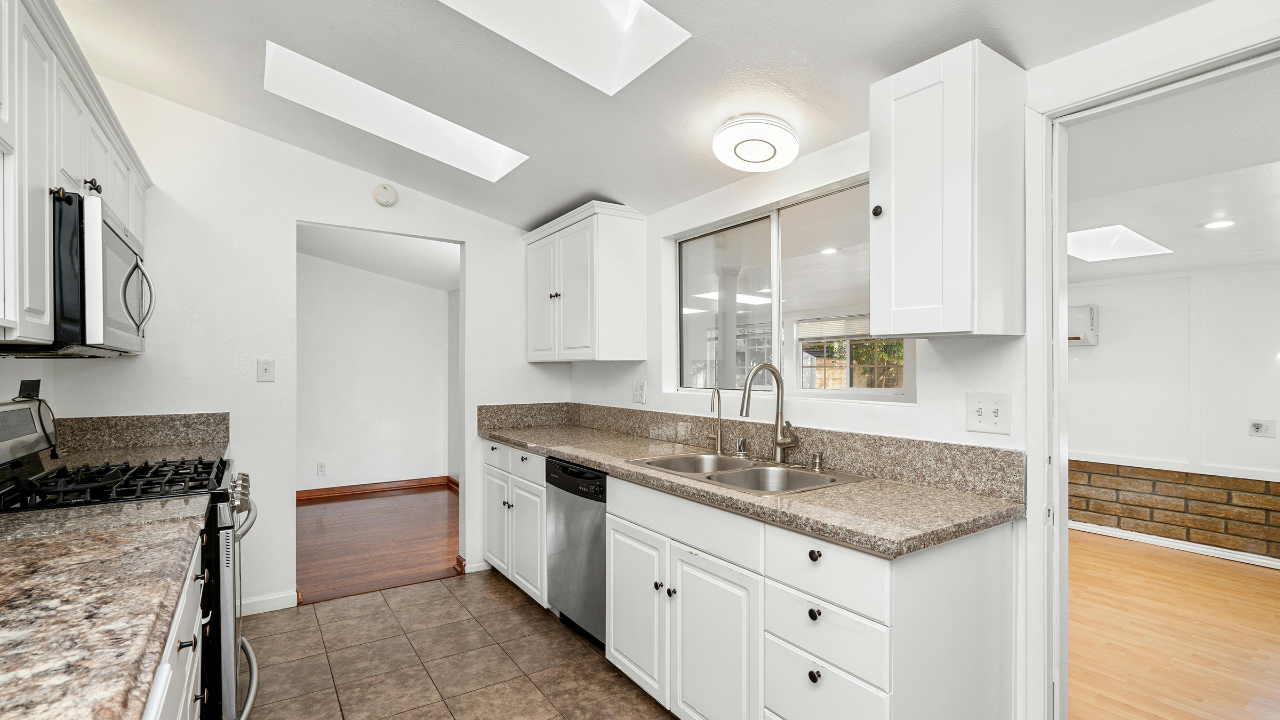
Sustainable Flooring and Surfaces in Eco-Friendly Interior Remodeling
Bamboo, cork, reclaimed hardwoods, and linoleum are excellent eco-friendly flooring options. Not only are they renewable, but their environmental manufacturing process makes them favorites among green remodelers. For countertops, consider recycled glass, composite surfaces, and native stone. These not only look stunning but reduce the need for mining or petroleum-based manufacturing processes.
For inspiration, check out ideas from the pros at HGTV’s green home remodeling guide.
Low-Emission Paints and Wall Coverings
Your walls and ceilings are major contributors to your indoor environment. Opt for paints labeled “low-VOC” or “zero-VOC”—these significantly reduce harmful off-gassing, improving air quality for everyone. Consider wall coverings made from natural fibers such as grasscloth, hemp, or recycled paper for an added sustainable flair.
Maximizing Energy Efficiency with Eco-Friendly Interior Remodeling
Eco-friendly interior remodeling shines when you make your living space more energy efficient. With strategic planning, you can drastically cut your home’s energy use while enhancing comfort, which also dovetails with seasonal home improvement goals.
Insulation and Windows: Upgrades That Matter
Quality insulation, particularly in attics and walls, achieves two things: it keeps your house cooler in summer and warmer in winter. Consider advanced cellulose or spray-foam insulation for maximum performance. Windows are another critical area; look for Energy Star-rated models with double or triple panes and insulated frames for optimal energy savings. Don’t forget the significant boost to property value and curb appeal from these upgrades—as detailed in popular spring remodeling ideas.
Eco-Friendly Lighting and Smart Home Technologies
Switching to LED fixtures throughout your home is a simple move with a massive impact. LEDs use a fraction of the energy that incandescents do—and they last much longer. Go a step further by integrating smart thermostats and lighting controls that allow you to fine-tune energy usage based on occupancy and natural daylight.
- Install motion sensors in low-traffic rooms
- Use dimmers to customize ambiance and cut energy draw
- Explore ENERGY STAR-certified fixtures and appliances
The National Kitchen & Bath Association offers additional guidance for energy-smart lighting plans and fixtures.
Renewable and Repurposed Elements: Building Beauty Into Eco-Friendly Interior Remodeling
Infusing your remodel with recycled and repurposed elements celebrates sustainability and tells the story of your home. Salvaged doors, vintage tiles, and upcycled cabinetry create unique spaces that are truly one-of-a-kind.
Repurposing With Purpose
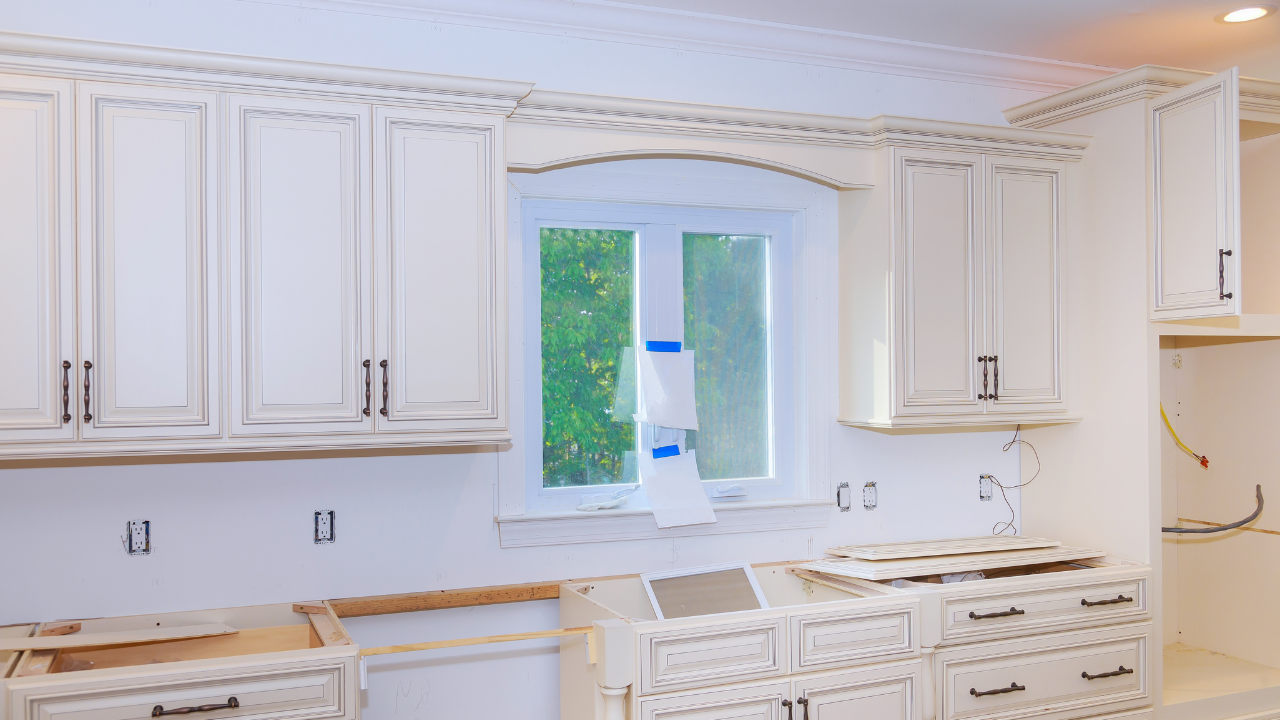
When embarking on eco-friendly interior remodeling, look for ways to repurpose existing structures and furnishings. Refinishing old hardwood floors or converting dressers into bathroom vanities both cut down on landfill waste and add authentic character. If you need professional design insight, check out remodeling plans and blueprint services for maximizing every element of your space.
Water Conservation Trends in Eco-Friendly Interior Remodeling
Water-wise fixtures—think low-flow toilets, aerated faucets, and high-efficiency showerheads—minimize waste and are easy to retrofit during any stage of your remodel. Choose WaterSense-certified products for guaranteed performance and savings. Installing these green upgrades in your bathrooms and kitchens also improves your remodeled bathroom’s sustainability and appeal to future buyers.
- Install dual-flush toilets and aerated showerheads
- Opt for dishwashers and washing machines with high-efficiency ratings
Find tested product lists on the EPA WaterSense program website.
Designing for Wellness in Eco-Friendly Interior Remodeling
Modern eco-friendly interior remodeling is as much about your health and comfort as it is about the environment. Creating spaces that nurture well-being means prioritizing indoor air quality, natural light, and nontoxic materials—in line with key kitchen and bathroom remodeling tips.
Ventilation and Air Purification
Opt for range hoods with external venting, whole-house fans, and fresh-air intake systems to continuously bring clean air inside. Installing HEPA filters, air purifiers, and green-certified HVAC systems ensures your family breathes easy year-round.
Embracing Biophilic Design Principles
Consider incorporating biophilic design elements like indoor plant walls, natural light optimization, and direct views of green spaces. This approach not only improves mood and stress levels, but also boosts overall health—a principle supported by experts at Remodeling Magazine.
- Increase daylight with strategically placed skylights and windows
- Create indoor herb and plant gardens
- Use natural, untreated wood and stone features
Innovative Room-by-Room Strategies for Eco-Friendly Interior Remodeling
Transforming each room in your home offers unique opportunities for sustainable living. Here’s how to prioritize eco-friendly interior remodeling in the areas where you spend the most time.
Eco-Friendly Kitchen Upgrades
The kitchen is often the heart of the eco-friendly remodel. Start by selecting sustainable cabinetry and counters. Consider energy-efficient appliances with top-tier ratings and opt for induction cooktops, which are safer and more efficient than gas or conventional electric ranges. For surfaces, look at recycled glass, stainless steel, or durable quartz.
Green Bathroom Remodeling Essentials
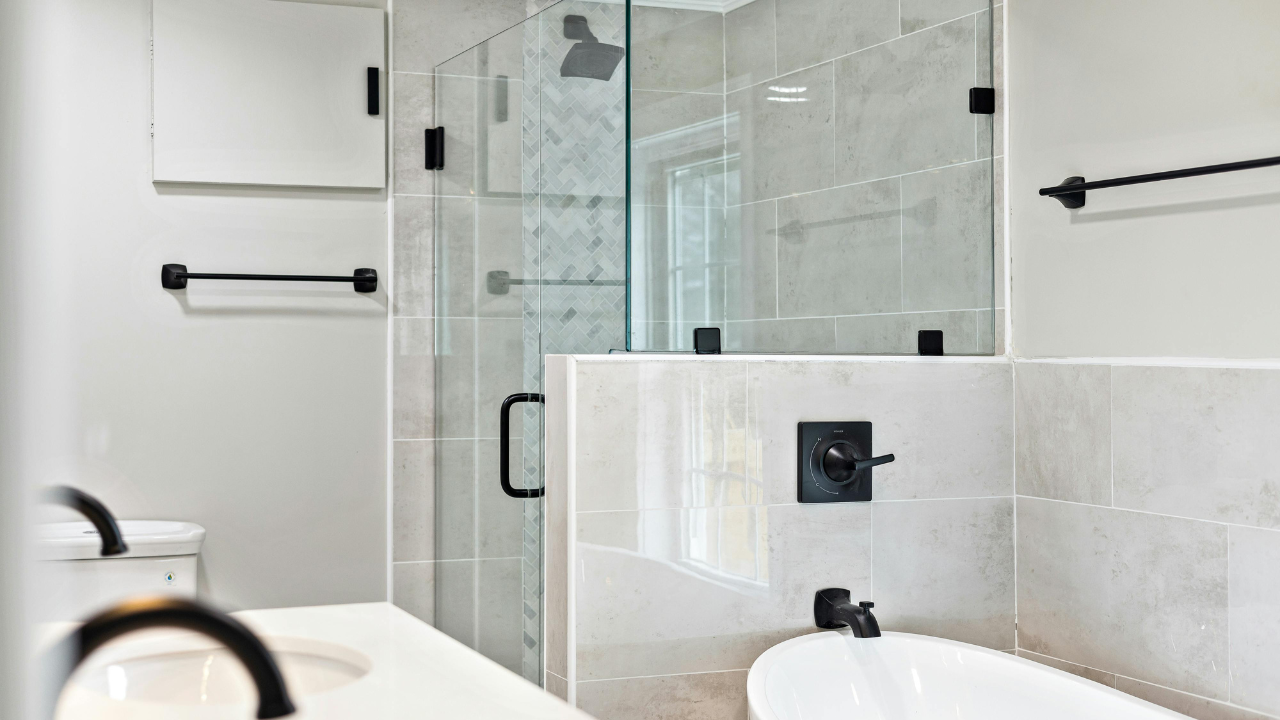
Eco-friendly interior remodeling in the bathroom means minimizing waste and embracing waterwise fixtures, dual-flush toilets, and cabinetry made from FSC-certified woods (visit This Old House’s bathroom tips for inspiration). Upgrade to radiant heat flooring and efficient LED lighting for further savings.
Sustainable Living Rooms and Bedrooms
Choose eco-friendly furnishings with organic upholstery, nontoxic finishes, and frames made from recycled or rapidly renewable materials. Layouts that maximize daylight and incorporate efficient window coverings actively reduce heating and cooling demand. Schedule a free design consultation to make the most of interior remodeling services tailored for sustainability.
The Financial and Lifestyle Benefits of Eco-Friendly Interior Remodeling
Eco-friendly interior remodeling doesn’t just make sense for the planet—it delivers a suite of financial and lifestyle benefits that you’ll appreciate immediately and for the long haul. Many cities and states offer rebates and tax incentives for green upgrades, allowing you to recoup initial investments faster. In addition, an increasing number of buyers specifically seek homes with green certifications, potentially raising your property’s value.
- Lower monthly energy and water bills
- Potential rebates for qualifying energy-efficient upgrades
- Reduced exposure to allergens and chemicals
- Stronger resale value—eco-friendly homes sell faster and for more
Explore how such benefits fit into your next renovation project.
Key Takeaways for Eco-Friendly Interior Remodeling
- Prioritize renewable and non-toxic materials for a healthier, longer-lasting interior
- Upgrade insulation and windows for maximum energy efficiency
- Incorporate LED lighting, smart controls, and efficient appliances throughout your home
- Opt for WaterSense-rated fixtures to conserve water without sacrificing comfort
- Use biophilic design and effective ventilation to improve indoor health and well-being
- Repurpose or reclaim existing materials to add unique style and reduce waste
- Take advantage of rebates and increased resale value from eco-friendly upgrades
Frequently Asked Questions About Eco-Friendly Interior Remodeling
What is the most important first step for eco-friendly interior remodeling?
Start by identifying key areas for improvement—usually insulation, windows, and material selection—then set a realistic budget that includes sustainable options.
Are eco-friendly materials more expensive than traditional materials?
Some sustainable materials may have a higher upfront cost, but they generally offer long-term savings through durability, reduced maintenance, and lower utility bills.
How can I make my bathroom greener during a remodel?
Choose low-flow fixtures, recycled or rapidly renewable surfaces, and nontoxic paints or finishes; using professionals with eco-friendly know-how makes implementation easy.
Can eco-friendly remodeling increase my home’s resale value?
Yes—homes with sustainable features often attract more buyers and can command higher prices due to lower running costs and improved indoor living quality.
Where can I find inspiration for effective eco-friendly remodeling ideas?
Resources like Houzz, HGTV, and NKBA offer project galleries and expert tips for every room in your home.