Opening paragraph starting with content… If you’ve ever walked into a hallway and immediately felt a sense of welcome, chances are the ambient lighting for hallways played a starring role. The right lighting transforms what’s often an overlooked, transitional space into a vibrant and functional part of your home. Whether you’re eager to upgrade a dark, narrow corridor or just want to add a dash of modern style, understanding how ambient lighting for hallways can impact your daily experience is essential. As a professional with years of home remodeling under my belt, I’m here to help you explore creative, smart strategies that will make every step through your hallways truly shine.
Why Well-Planned Ambient Lighting for Hallways Matters
For many homeowners, hallways are simply the passages that connect rooms. However, overlooking their lighting design can leave these areas feeling dim, cramped, or uninviting. Purposeful ambient lighting for hallways isn’t just about making the space brighter—it’s about boosting mood, safety, and style. With effective illumination, you can:
- Enhance visibility and reduce trip hazards
- Create a warm, inviting transition between rooms
- Showcase architectural features and decor
- Establish a consistent design theme throughout your home
Your goal should be to move beyond purely functional fixtures and embrace lighting solutions that add personality and comfort to your corridors. According to the National Kitchen & Bath Association, integrating layered lighting into underused spaces like hallways is a key trend in modern home design.
Types of Ambient Lighting for Hallways That Work Wonders
When designing the perfect ambient lighting for hallways, it’s important to consider a blend of light sources that can deliver both ample brightness and visual interest. Here are some tried-and-true options that transform mundane passages:
Recessed and Flush Mount Ceiling Fixtures
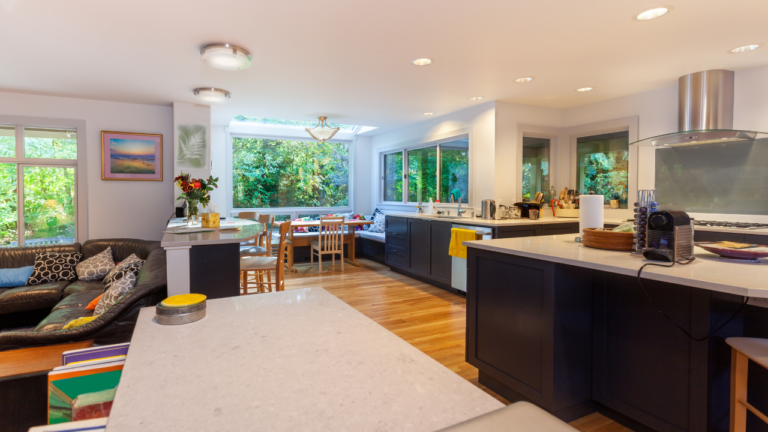
One of the best ways to create even illumination is by utilizing recessed lights or sleek flush mount fixtures. These options offer powerful ambient lighting for hallways without encroaching on valuable headspace—perfect for homes with lower ceilings. Spacing fixtures strategically (every 6-8 feet, depending on ceiling height) ensures a consistent, shadow-free glow. Consider energy-efficient LED options for long-term savings and smart-home compatibility. Need tips on selecting ceiling lighting for hallway remodels? Check out our guide to interior work for inspiring ideas.
Wall Sconces and Accent Lighting for Hallway Ambience
Wall sconces are a classic yet versatile choice for providing ambient lighting for hallways. They add both wall-washing light and decorative flair. For a cohesive effect, line up sconces at regular intervals, approximately 60 to 66 inches from the floor. Paired with accent lighting, such as LED strip lights along baseboards or artwork illumination, you can generate layers of warmth and visual intrigue. See how creative additions can incorporate unique lighting features into hallways for a truly custom feel.
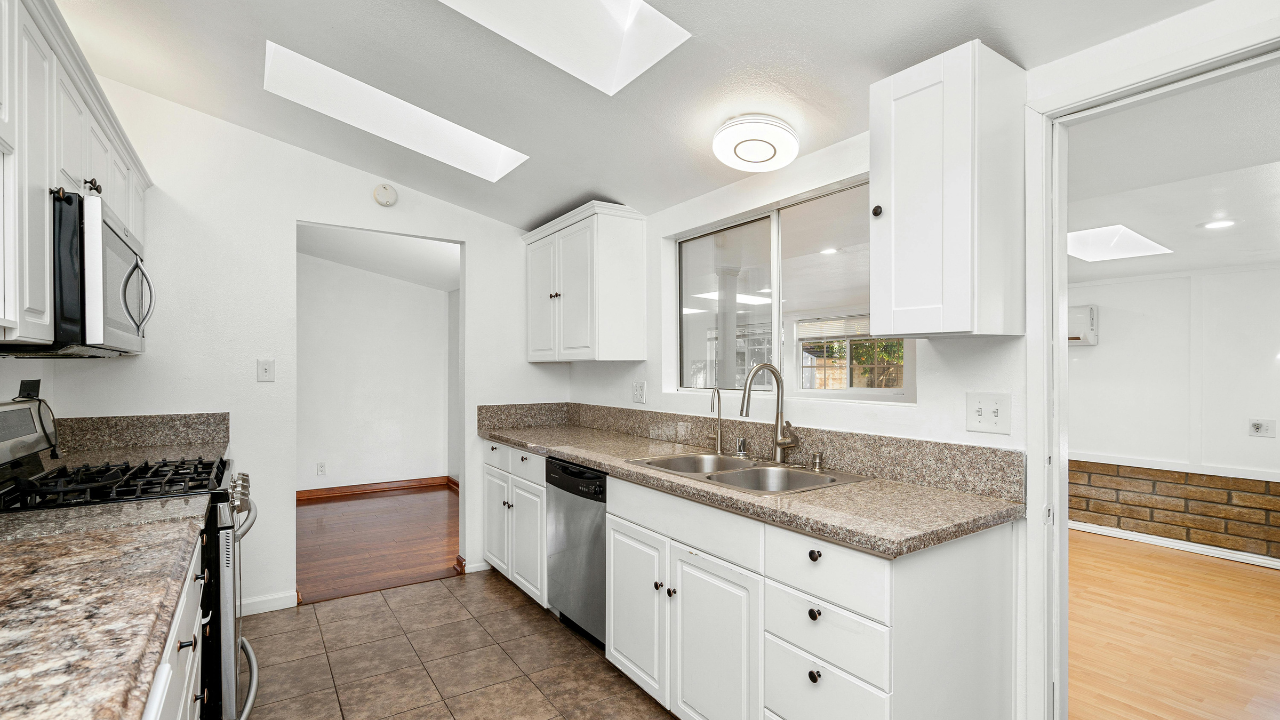
Smart Ambient Lighting for Hallways: Motion Sensors and Dimmers
Make your ambient lighting for hallways even more user-friendly with smart technology. Installing motion sensors means lights turn on automatically when you enter a hallway—ideal for hands-free safety at night or when carrying groceries. Dimmers allow you to set the perfect mood, whether you want a subtle glow for late-night strolls or full brightness for cleaning. Explore additional hallway lighting tips on Houzz to discover how technology is making lighting more adaptable than ever.
Designing Cohesive Ambient Lighting for Hallways
An effective ambient lighting plan shouldn’t isolate your hallway’s style from the rest of your home. Ideally, your lighting choices will complement the overall design—be it contemporary, traditional, or a blend of both. Here’s how to make sure your ambient lighting for hallways supports a unified aesthetic:
Matching Fixture Styles for Seamless Home Flow
Select finishes, shapes, and materials for your hallway lighting that coordinate with fixtures in adjoining rooms. For example, brushed nickel in the hallway blends beautifully with stainless kitchen hardware. Consistent fixture styles help create visual continuity, making narrow spaces feel less segmented. Discover more about maintaining design flow with our kitchen remodeling and bathroom remodeling services.
Layered Lighting for Hallway Flexibility
Don’t rely on a single light source for your ambient lighting for hallways. Combining overhead fixtures, wall-mounted options, and accent lighting lets you adapt the ambience for various tasks or moods. This approach is widely recognized by lighting experts such as HGTV, emphasizing both function and style.
- Overhead: Consistent brightness
- Sconces: Add decorative touches and eliminate shadows
- Accent: Highlight art, photos, or architectural details
Integrating Energy-Efficient Solutions in Modern Hallways
Modern ambient lighting for hallways should strike a balance between aesthetic appeal and energy efficiency. Opt for LED bulbs, integrated fixtures, and programmable controls to save on utility bills and minimize maintenance. These technologies also align with green building trends and can set your home apart in terms of smart, sustainable living. For expert tips on modern remodeling for energy efficiency, take a look at our seasonal remodeling advice.
Practical Steps to Install Ambient Lighting for Hallways
Ready to transform your space? Here’s a step-by-step approach to getting the best results from your hallway lighting project:
- Assess your hallway’s size and natural light: Narrow, windowless spaces need more focused illumination, while wider or sunlit halls benefit from subtle ambient effects.
- Choose your main lighting type: Decide between recessed, flush mount, track, or linear lights for overall brightness.
- Add layers: Incorporate sconces or accent lighting for dimension and style.
- Integrate controls: Consider dimmers or smart switches to dial in the perfect ambiance.
- Mind the wiring: If your project involves new fixtures or moving electrical boxes, consult an experienced contractor or check out our custom plans and blueprints services for expert design guidance.
Remember, safety first! If you’re not comfortable with electrical work, always hire a certified professional to handle installations, especially in older homes where wiring may need updates.
Highlighting Art and Architecture with Hallway Lighting
The right ambient lighting for hallways can do more than provide basic visibility. By using directed ceiling spots or adjustable accent lighting, you can turn family photos, art collections, or unique architectural features into focal points. This layered approach transforms a purely functional corridor into a curated gallery walk. For creative examples, explore the beautiful project galleries on This Old House or see our own portfolio for inspiration on custom hallway designs.
Upgrading Ambient Lighting for Hallways: Renovation Tips
If a complete remodel is in your plans, integrating new ambient lighting for hallways is an opportunity to add long-term value to your property. Upgrades to consider:
- Adding a skylight or solar tube for daylight enhancement
- Running new electrical circuits for additional fixtures
- Installing crown or baseboard LED strips for modern flair
- Choosing smart bulbs that allow for color customization and scheduling
For complex remodeling work, consult with professionals who specialize in exterior or interior home projects to ensure your upgrades are both beautiful and code-compliant. You might even find that transforming the hallway inspires larger changes—like adding an ADU or expanding living spaces.
Common Mistakes to Avoid With Hallway Lighting Design
Even seasoned homeowners can slip up when planning ambient lighting for hallways. These are some of the most frequent missteps—and tips to sidestep them:
- Under-lighting: Hallways need more illumination than you think, especially in homes with dark flooring or walls.
- Poor color temperature: Opt for bulbs with a warm (2700K–3000K) white for residential comfort. Avoid overly cool (blue) LEDs, which can feel harsh.
- Inconsistent fixture heights: Align sconces, pendants, or spotlights at consistent heights to maintain symmetry and flow.
- Ignoring dimmers: Skip the on/off switch alone—a dimmer adds incredible flexibility.
- Neglecting decor integration: Choose fixtures that enhance, not clash with, your architectural features and artwork.
Child and Senior Safety With Ambient Lighting for Hallways
Hallway safety is paramount in family homes—especially if you have kids or aging relatives. Good ambient lighting for hallways helps prevent falls and makes after-dark trips safer for everyone. Consider night-light features, motion-activated step lights, or continuous LED strips along the floor to provide guidance when other lights are off. For more on tailored safety solutions, our bathroom remodel page details similar upgrades for entire-home accessibility.
How to Choose Fixtures for Ambient Lighting in Your Hallway
With so many styles and technologies available, narrowing down the best fixtures for your ambient lighting for hallways can feel overwhelming. Here’s what to look for when making final selections:
- Fixture Size: Proportion matters! Small fixtures suit narrower halls, while wide or vaulted spaces benefit from elongated or statement designs.
- Light Output: Aim for at least 20 lumens per square foot for adequate overall brightness (consult manufacturer specs or DOE Lighting Guide for more details).
- Adjustability: Fixtures with movable heads or shade designs allow you to redirect light where it’s most needed.
- Ease of Maintenance: Choose fixtures with easily accessible bulbs for quicker replacement and cleaning.
Before purchasing, visualize how each lighting option will look in your actual space—some brands offer augmented reality previews or sample kits. For more on selecting durable, stylish materials, reference our guide to tile and surface choices which applies many of the same principles to hardware and finish selection.
Color Palettes and Reflective Surfaces for Lighter Hallways
Your paint and decor selections are just as important as the fixtures themselves. Light wall colors, glossy trim, and strategically placed mirrors will multiply the impact of ambient lighting for hallways. Using semi-gloss or satin paint increases reflectivity, while metallic or glass accents catch and spread light throughout the corridor. Want to refresh your hallway’s look? Our winter home improvement tips go further into surface choices that brighten darker spaces even before you upgrade your lighting.
Key Takeaways for Ambient Lighting for Hallways
- Thoughtful ambient lighting for hallways dramatically improves safety, style, and comfort.
- Combine recessed lights, wall sconces, and accent features for an even, inviting glow.
- Integrate dimmers or smart controls for adjustable ambience and energy savings.
- Choose fixtures and finishes that harmonize with your home’s existing decor for seamless transitions.
- Prioritize energy-efficient technologies, including LED bulbs and programmable systems.
- Layer light sources and incorporate reflective surfaces to maximize brightness in narrow spaces.
- Hire experienced contractors for wiring or extensive remodeling to ensure lasting results.
Frequently Asked Questions About Ambient Lighting for Hallways
How bright should ambient lighting for hallways be?
You should aim for at least 20 lumens per square foot to ensure safe and pleasant illumination, adjusting higher for darker paint schemes or wider corridors.
What’s the best color temperature for hallway lights?
Choose a warm white (2700K–3000K) color temperature for most homes—it creates a cozy, inviting effect and works well with natural wood or soft color palettes.
Should I use motion sensors for hallway lights?
Yes, incorporating motion sensors improves energy efficiency and convenience, especially for nighttime use or homes with children and seniors.
What’s the difference between ambient, task, and accent lighting?
Ambient lighting provides general illumination, task lighting focuses on functional needs (like reading), and accent lighting highlights artwork or architectural features.
Can I install new ambient lighting for hallways myself?
Basic fixture upgrades may be DIY-friendly, but for new wiring or extensive remodels, hiring a professional ensures safety and compliance with code requirements.