
Hardscape & Outdoor Living in Joshua Tree
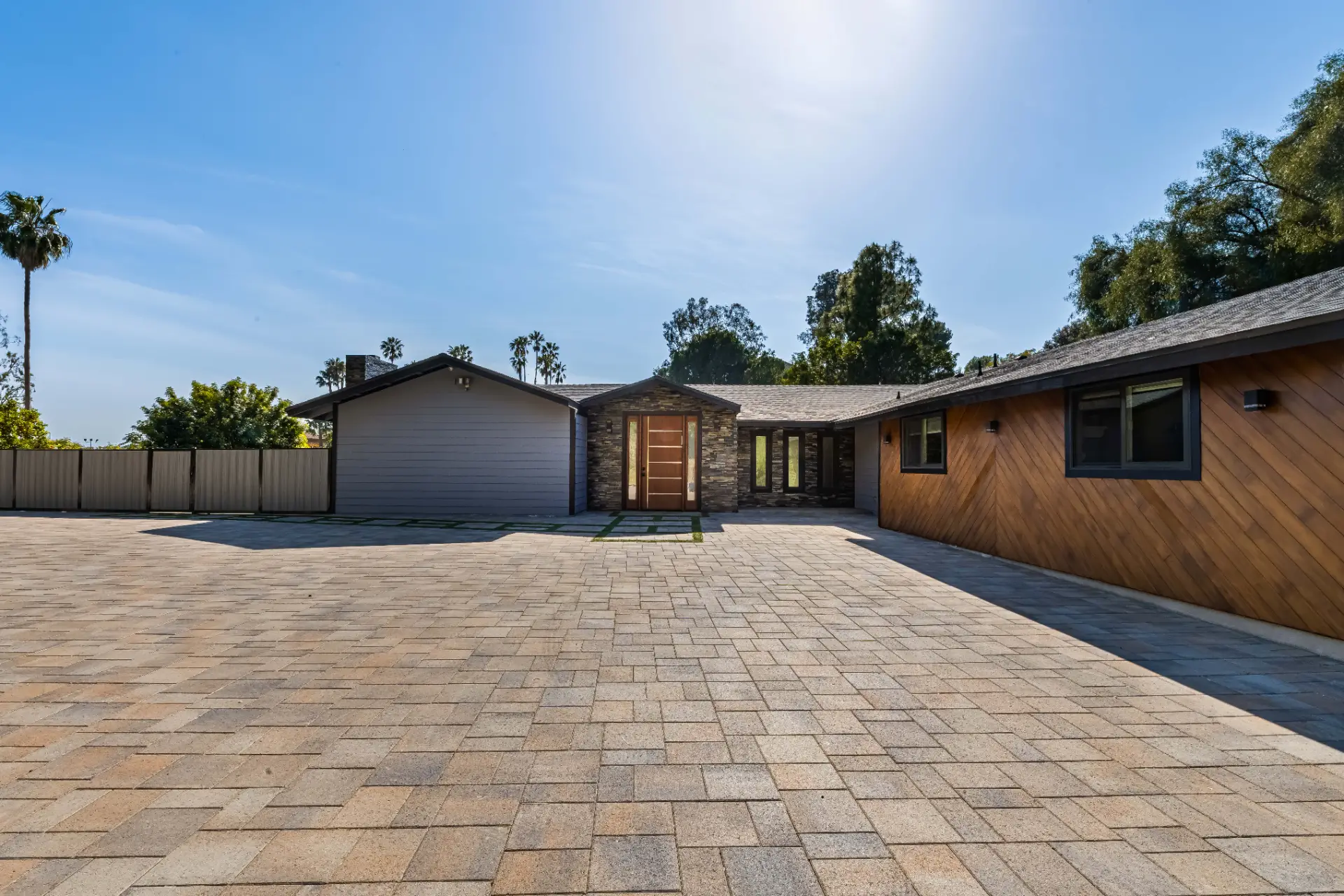
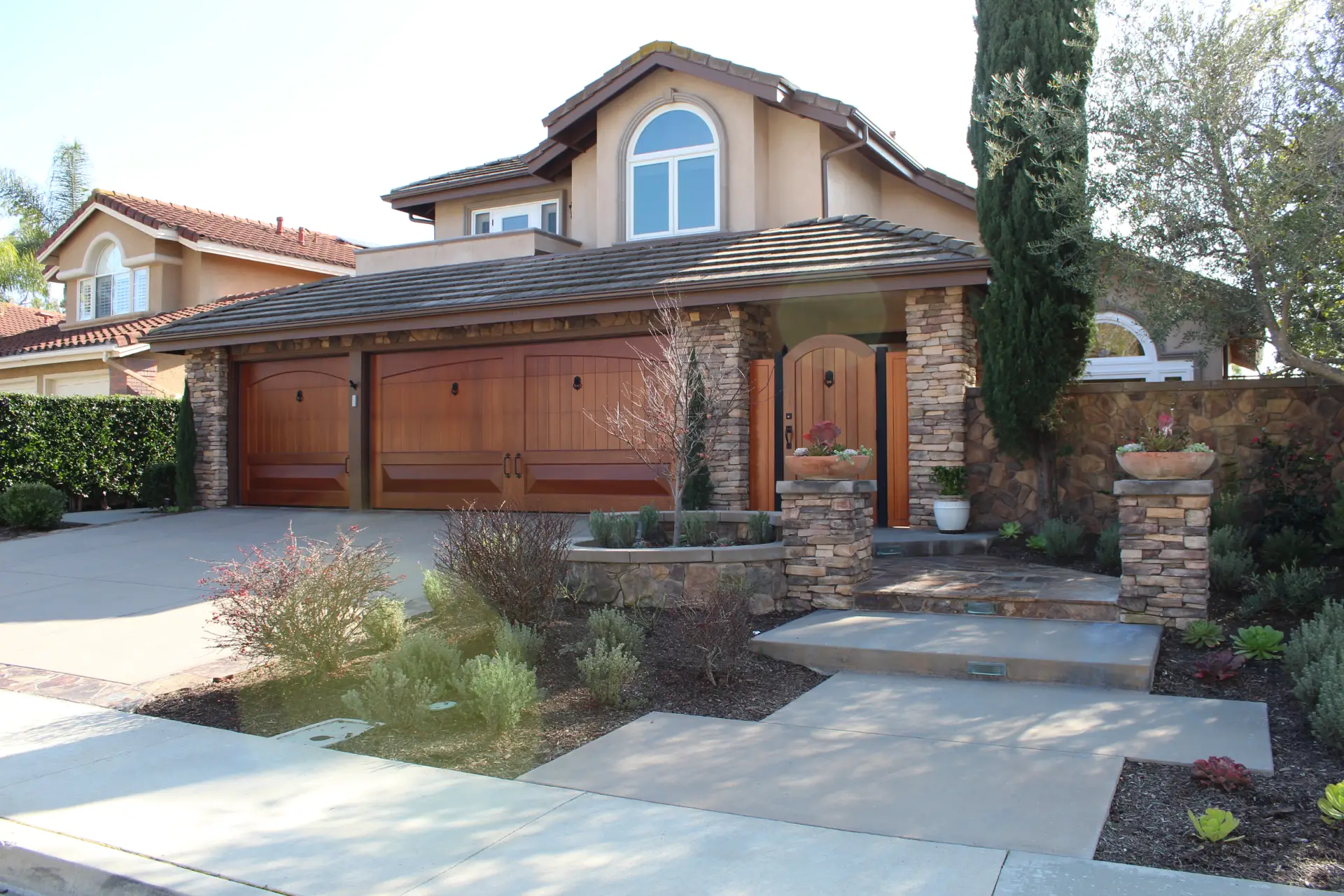
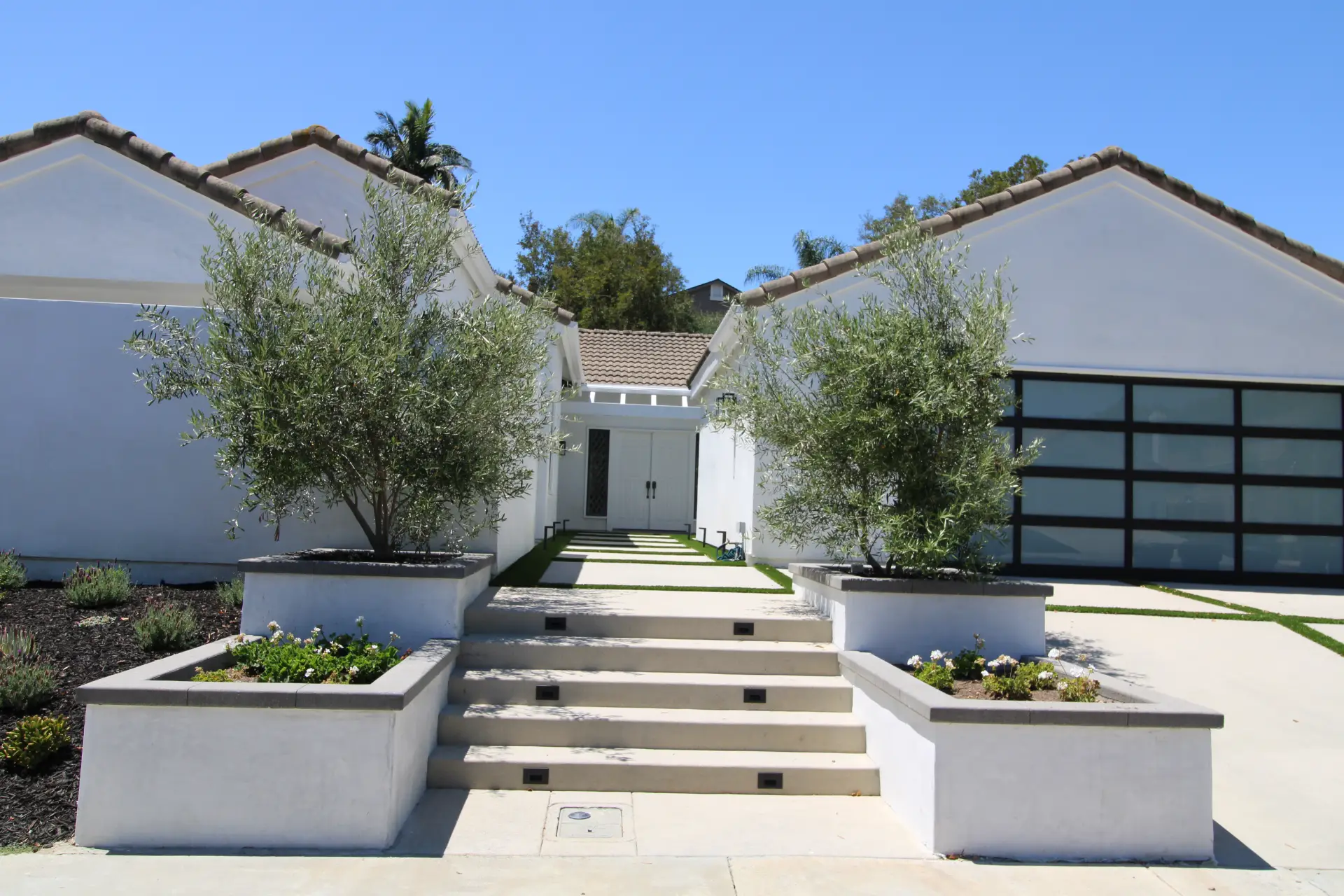
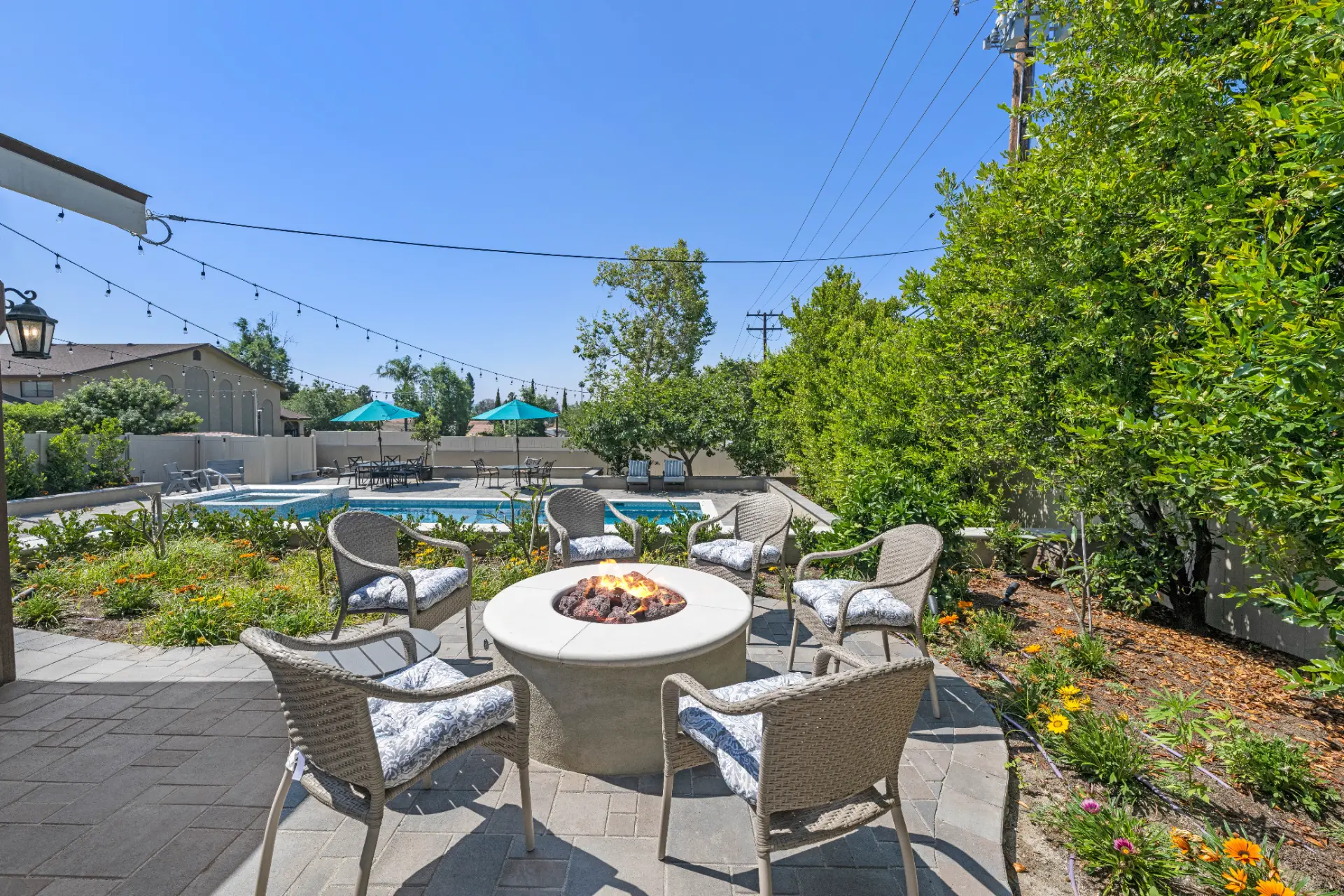
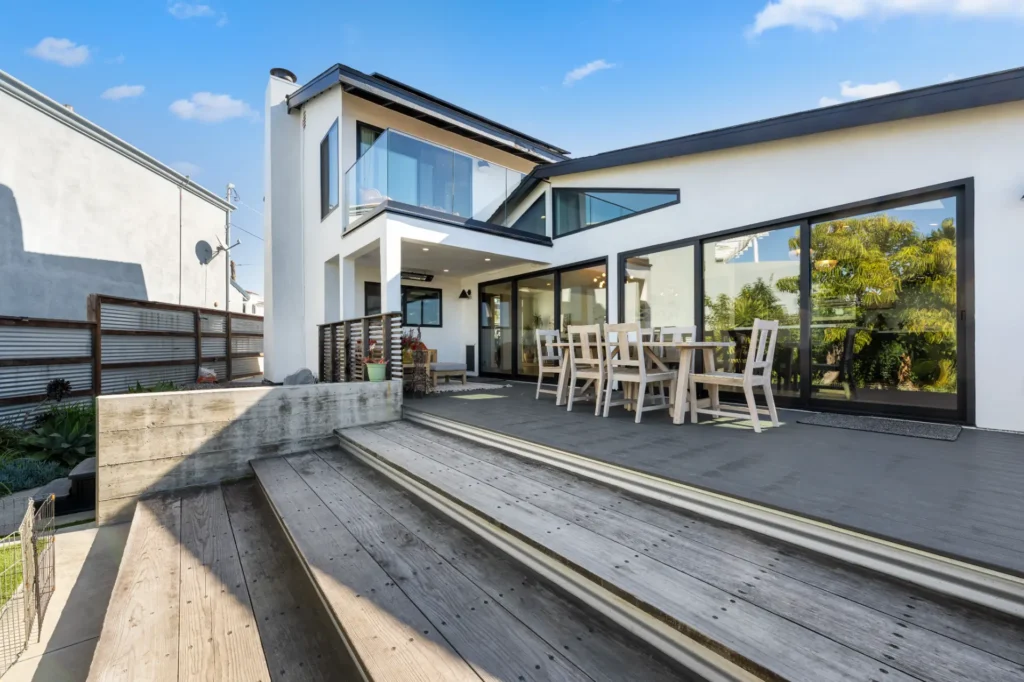
Hardscape that fails usually fails underneath, where the base was too thin or water had nowhere to drain. Horizon Construction and Remodeling handles patios, driveways, entries, retaining walls, steps and fire pits in Joshua Tree, with drainage built into the plan from the beginning. Many yards here still carry original slabs, walks and walls laid on homestead parcels claimed under the Small Tract Act in the 1940s and 1950s, and decades of desert heat and settling have left a lot of that work cracked, sunken or leaning. We work throughout Joshua Tree Village, Friendly Hills, the Park Boulevard corridor and the Twentynine Palms Highway area, managing design, permits through San Bernardino County Land Use Services, and construction under a single contract.
Services We Offer
Drainage & Grading
Fire Pits & Fireplaces
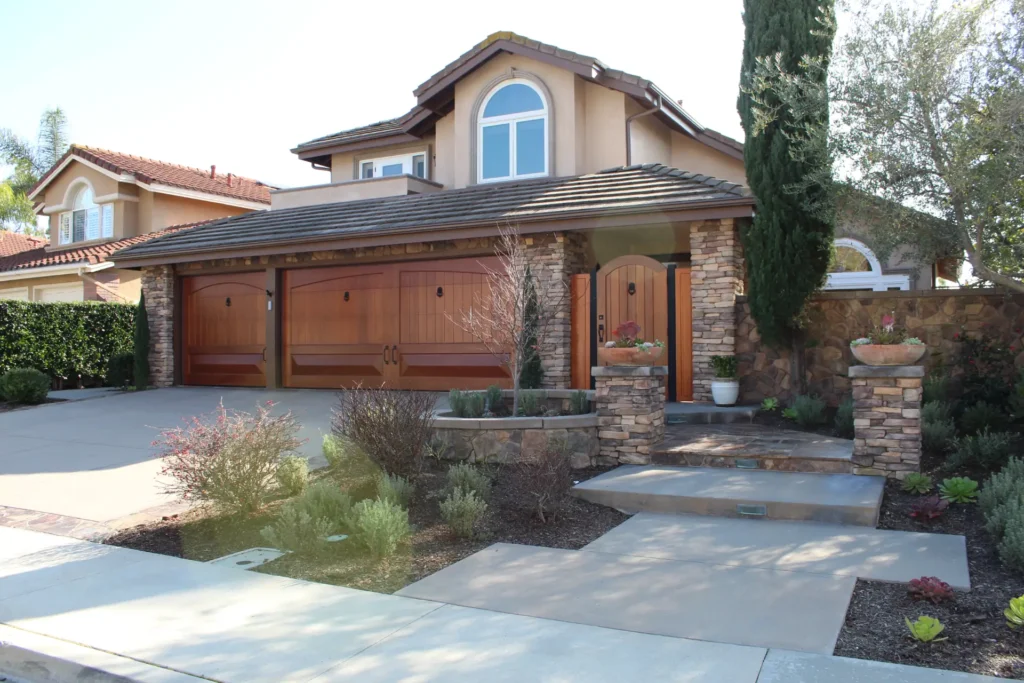
Entries, Walks & Steps

Our Hardscape & Outdoor Living Process in Joshua Tree
Hardscape and outdoor living in Joshua Tree begins with a site visit because the desert setting demands it. The large parcels that trace back to Small Tract Act homesteading leave a lot of variables from one property to the next: grade changes, unclear drainage paths, aging slabs, and existing walls that have shifted over decades. We record where water moves now, how equipment will reach the work area, and what the soil is doing before anything goes on paper. From those notes we build the layout, finished grades, drain locations, wall details, and material selections in-house, so adjustments happen in the design rather than after work begins.
Once the plans are set, we pull whatever permits San Bernardino County Land Use Services, Building and Safety requires for the scope, since Joshua Tree sits in unincorporated county territory. Demolition and excavation follow utility locates. While the ground is open, drain lines, sub-drains, conduit, and any gas rough-in go in. The base goes down in compacted lifts with slope built in, then walls, steps, and the finished surface. A county inspection and a walk-through with you close out the project.
Read More →
Because Joshua Tree sits in unincorporated San Bernardino County, building permits and approvals run through San Bernardino County Land Use Services, Building and Safety rather than a city hall. That distinction shapes the paperwork from the start. A patio laid at grade typically does not need its own building permit, but retaining walls over the standard exemption height, gas lines serving fire features, lighting circuits, and attached patio covers each require one. We work through what applies to your specific lot before the design is settled.
Retaining walls are where most of the code questions land. The common exemption covers walls no taller than four feet measured from the bottom of the footing to the top of the wall, and only where the wall is not holding back a surcharge such as a slope, driveway, or structure above it. A wall that reads three feet above grade can exceed four feet once the footing depth is added in. Every wall we build, permitted or not, gets a perforated drain line and compacted gravel behind it with proper outlets, because saturated soil is what pushes walls over in the first place.
One detail that comes up often on Joshua Tree parcels is septic. Most lots here run on septic tanks and leach fields, and San Bernardino County requires a sewer connection only when a sewer line falls within 200 feet of the property line, with that distance increasing by 100 feet for each additional dwelling unit. In practical terms, adding a bedroom or an ADU triggers a look at septic capacity rather than a sewer tie-in. Any hardscape or grading work near a leach field has to account for that system, and we factor it into the site plan early.
Drainage matters across the whole project. Parts of Southern California sit on expansive soils that move with moisture, so we grade surfaces away from the house, add area drains or channel drains where paving cannot shed water naturally, and tie downspouts into the overall system. On lots within a mapped fire hazard zone, CAL FIRE guidance treats the first five feet around the structure as the most critical zone, and pavers, concrete, or gravel belong there in place of bark or mulch. Permeable pavers are worth considering where site conditions allow, though they typically need an underdrain on heavier soils.
Other Remodeling Services We Offer
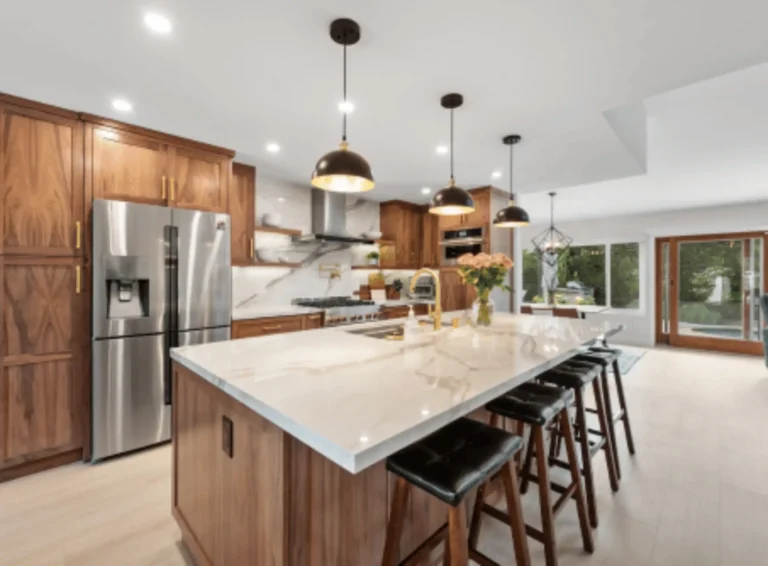
A kitchen remodel touches more trades than any other room in the house: layout, cabinetry, plumbing, electrical, ventilation and finishes. Horizon designs and builds kitchen remodels under one contract, from the measured layout to the final inspection.
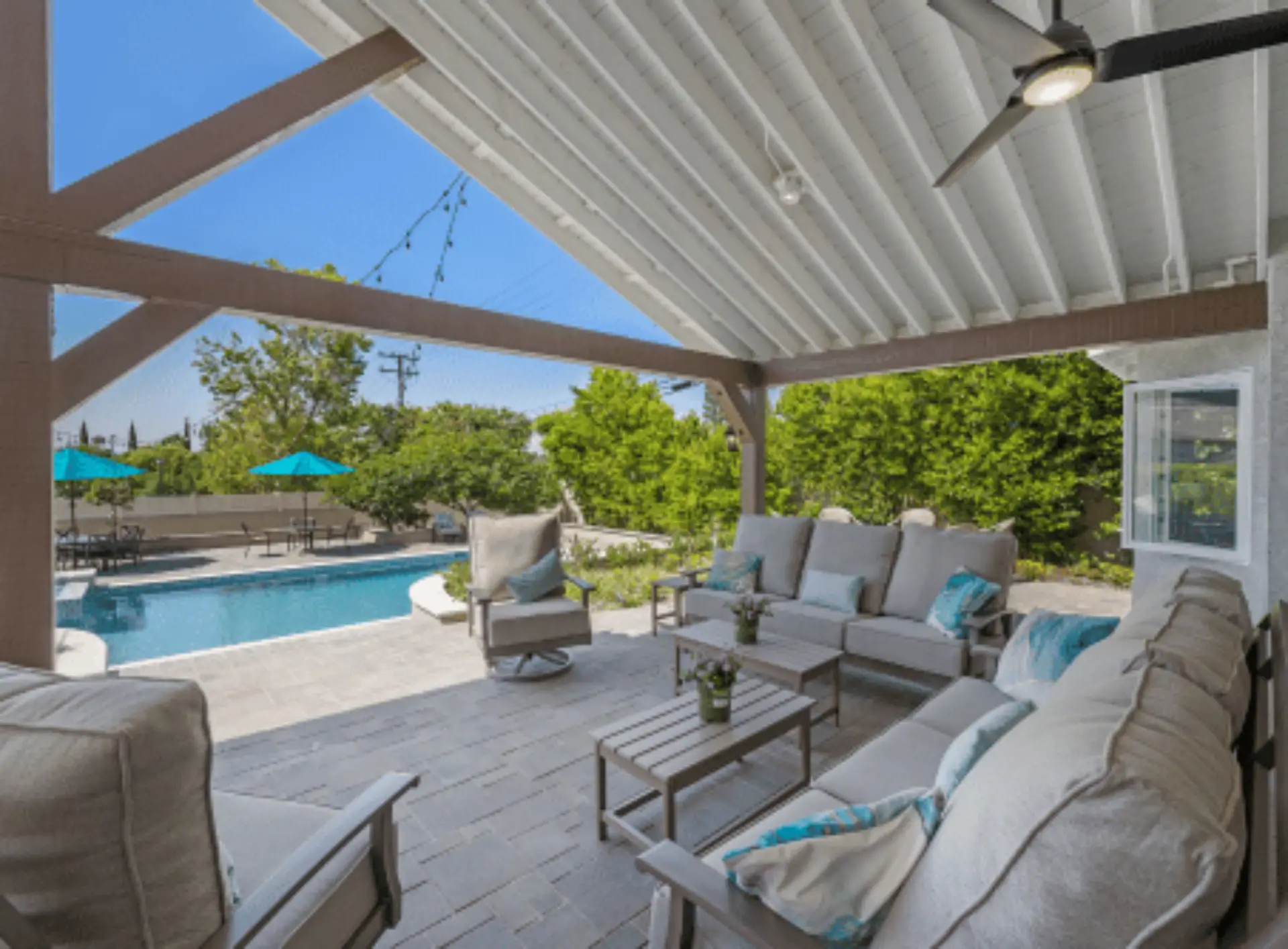
Whether you envision a classic Southern California pool or a fully customized backyard oasis, Horizon Construction & Remodeling delivers the highest level of quality and service. Our comprehensive pool design and remodeling services cover everything from layout and decking to built-in BBQs and final touches like landscaping. Let Horizon be your trusted partner in transforming your backyard into the perfect outdoor retreat.

If you are planning a complete bathroom remodel or simply want to change your tub, shower, update your plumbing fixtures, or make the space more efficient, our team at Horizon will help you through the process with expert advice, professional craftsmanship, and affordable options with beautiful results. Learn more about our bathroom remodeling services.
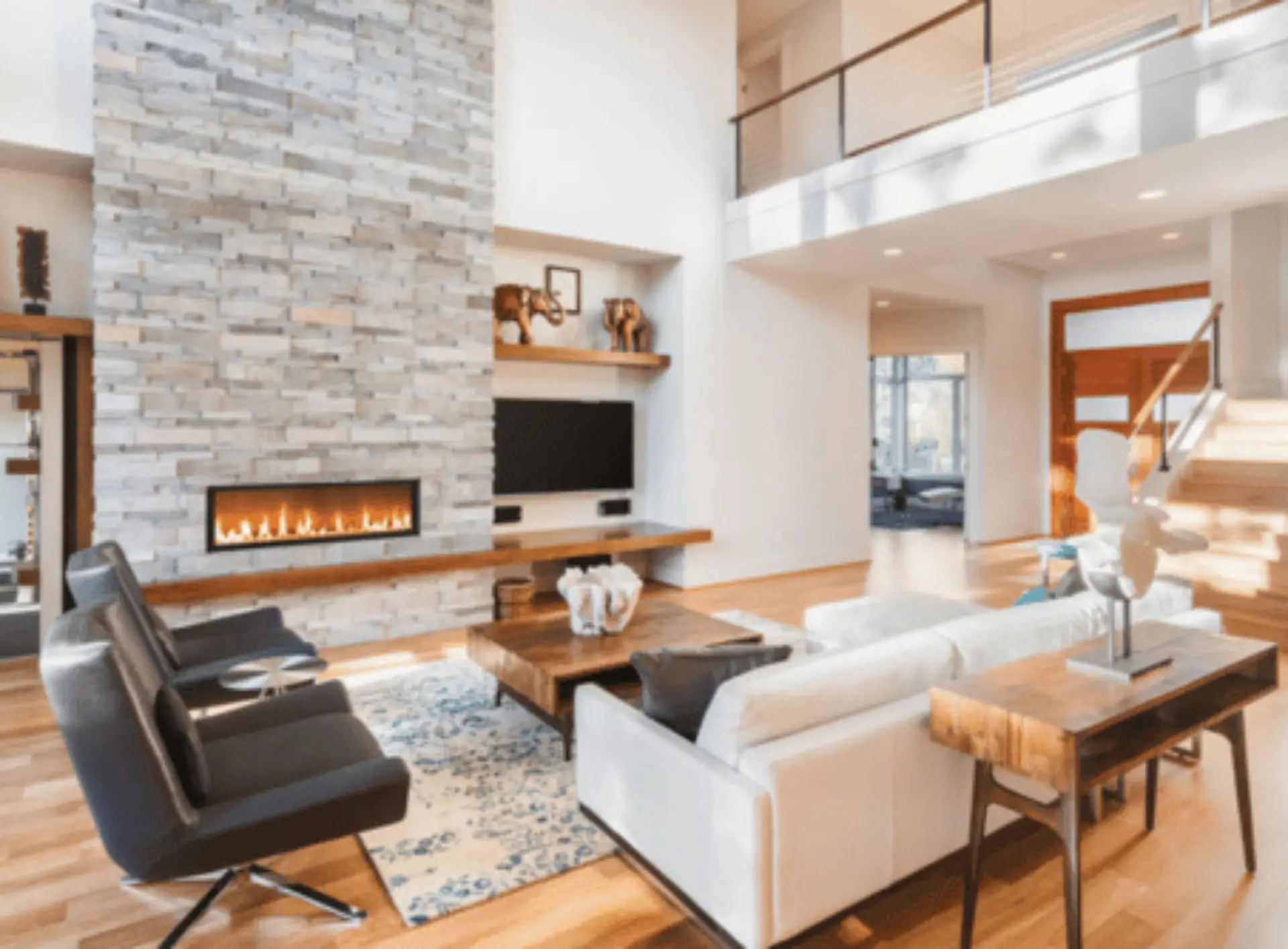
Transform your space with our expert interior work services. We offer a comprehensive range of solutions — from space planning and custom design to the selection of high-quality finishes and materials. Our team of experienced professionals works closely with you to create a space that’s both functional and stylish, tailored to your unique needs, goals, and budget. Whether you’re updating a single room or overhauling your entire interior, we bring precision, creativity, and craftsmanship to every project.
At Horizon, we believe your home is more than just four walls — it’s where life happens. It’s the place you relax, gather with family and friends, and create lasting memories. That’s why we offer a full range of exterior work services designed to elevate your outdoor living space. From patios and hardscaping to custom decks and exterior renovations, we help turn your vision into a dream yard that complements your lifestyle and enhances curb appeal.

At Horizon Construction & Remodeling, our expert team includes a dedicated design and planning division that works hand-in-hand with licensed architects and structural engineers. We take care of everything — from detailed plans and blueprints to securing city permits — so you don’t have to deal with delays or red tape. Our goal is to streamline the process and provide a fully approved set of documents that aligns with both your vision and city regulations, saving you time and stress.
Why Choose Horizon Remodeling For Hardscape & Outdoor Living in Joshua Tree
Horizon Construction and Remodeling has been a licensed and bonded Class B general building contractor in Southern California since 2009. On a hardscape project, coordinating grading, drainage, structural walls, and any trade-specific work under one general contractor matters more than homeowners sometimes expect. We manage one project manager from the first site visit through final inspection, and we handle the permit process with San Bernardino County Land Use Services rather than leaving that paperwork to you.
Because Joshua Tree is unincorporated county territory, every permit goes through the county rather than a city building department. That distinction shapes the timeline and the documentation we prepare. Septic capacity is another factor we account for early. Most parcels here run on septic tanks and leach fields, so an outdoor kitchen, a covered patio addition, or any project that adds a dwelling unit brings septic considerations into the planning conversation before design is final.
Our proposals break out demolition, base work, drainage, walls, and surface materials so you can compare what goes into a bid against what a competing bid actually covers. Call (714) 449-9035 to schedule a site visit and free estimate.
Schedule a Consultation
Hardscape & Outdoor Living FAQ

Do I need a permit for hardscape in Joshua Tree?
A patio laid at grade typically does not require a building permit on its own, but retaining walls above the exemption height, gas lines to fire features, lighting circuits, attached patio covers, and any driveway work touching the public right-of-way generally do. Because Joshua Tree sits in unincorporated county territory, those permits run through San Bernardino County Land Use Services, Building and Safety rather than a city hall. We verify the current requirements and manage the applications as part of our design process.
Pavers or concrete for a driveway?
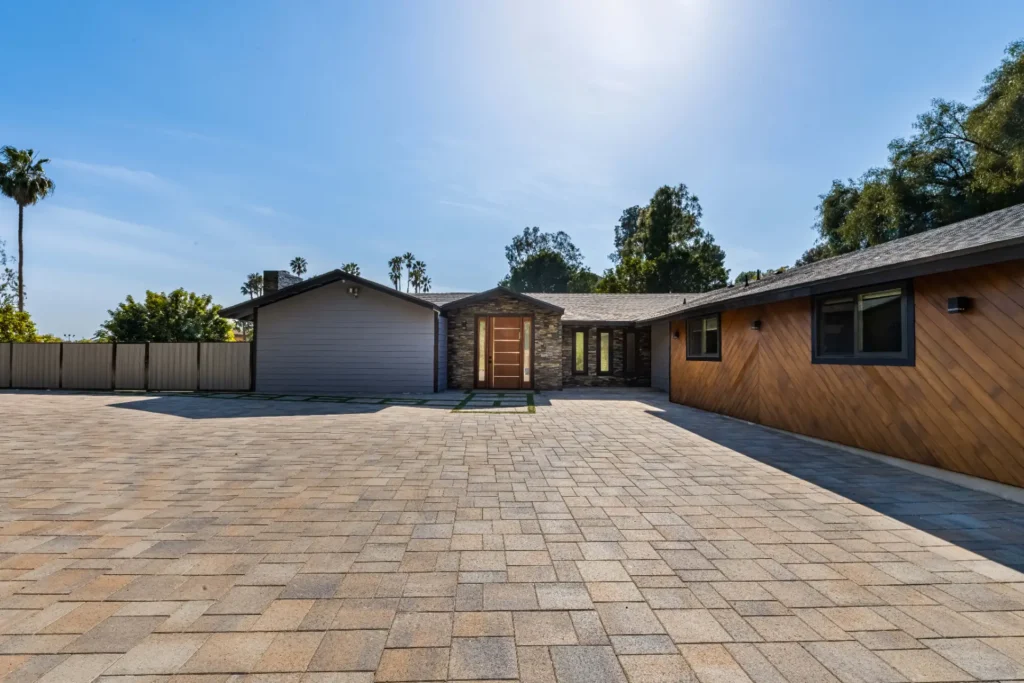
Pavers and poured concrete both hold up well when the base preparation is done correctly. Because pavers are individual units, they flex with minor ground movement rather than cracking across a large surface, and any section can be lifted and reset if a utility line underneath needs attention. Poured concrete forms a single continuous slab that cleans up easily, though control joints are cut into it to keep inevitable cracking in straight, predictable lines. On desert parcels like those throughout Joshua Tree, where sandy or shifting soils are common, pavers are often the more forgiving choice.
How tall can a retaining wall be without a permit?
Retaining walls under 4 feet from footing bottom to top wall cap generally fall within the no-permit exemption, provided the wall carries no surcharge load from a slope, driveway, pool, or structure bearing down on it from above. Because Joshua Tree sits in unincorporated county territory, that threshold is confirmed with San Bernardino County Land Use Services, Building and Safety before any wall goes to design, since some jurisdictions draw the line lower when a slope is nearby.
How long does a hardscape project take?
Hardscape and outdoor living projects in Joshua Tree vary in length depending on what the scope actually includes. A straightforward patio or driveway replacement typically takes a few weeks on site once materials are secured and any required permits from San Bernardino County Land Use Services are in hand. More involved work, such as engineered retaining walls, gas line rough-ins, or drainage systems across a large five-acre parcel, adds time before and during construction. A full yard buildout with walls, drainage, and a fire feature can run a couple of months from start to finish. We provide a schedule with every proposal and keep you updated if inspections or weather shift the timeline.
What drives the cost of hardscape?
Hardscape costs in Joshua Tree are driven mostly by what goes beneath the surface rather than what you see on top. Demolition and debris hauling, equipment access across large desert parcels, soil preparation, base depth, drainage pipe, and engineered retaining walls with footings and steel account for a significant share of any budget. Surface materials, pattern cuts, gas and electrical work coordinated through licensed subcontractors, and San Bernardino County Building and Safety permit fees add to that total. Every written proposal breaks each line out separately.
Can you work with my HOA and plan for later phases?
Yes, we prepare the drawings and material samples an architectural review requires and work that process into the project schedule from the start. On Joshua Tree’s large five-acre homestead parcels, where owners have long added rooms outward rather than upward, planning ahead matters: if a patio cover, outdoor kitchen, or additional structure comes later, we rough in drains, gas stubs, and conduit now so the next phase does not mean tearing up finished paving.
Explore More in Joshua Tree
Horizon is a licensed Class B general building contractor serving Joshua Tree and the surrounding San Bernardino County communities.
Other Services in Joshua Tree
Hardscape & Outdoor Living Nearby
More Hardscape & Outdoor Living Service Areas Near Joshua Tree
VIEW OUR HARDSCAPE & OUTDOOR LIVING AREAS OF SERVICE
- Hardscape & Outdoor Living in Adelanto
- Hardscape & Outdoor Living in Apple Valley
- Hardscape & Outdoor Living in Barstow
- Hardscape & Outdoor Living in Big Bear City
- Hardscape & Outdoor Living in Big Bear Lake
- Hardscape & Outdoor Living in Chino
- Hardscape & Outdoor Living in Chino Hills
- Hardscape & Outdoor Living in Colton
- Hardscape & Outdoor Living in Crestline
- Hardscape & Outdoor Living in Fontana
- Hardscape & Outdoor Living in Grand Terrace
- Hardscape & Outdoor Living in Hesperia
- Hardscape & Outdoor Living in Highland
- Hardscape & Outdoor Living in Lake Arrowhead
- Hardscape & Outdoor Living in Loma Linda
- Hardscape & Outdoor Living in Montclair
- Hardscape & Outdoor Living in Needles
- Hardscape & Outdoor Living in Ontario
- Hardscape & Outdoor Living in Phelan
- Hardscape & Outdoor Living in Rancho Cucamonga
- Hardscape & Outdoor Living in Redlands
- Hardscape & Outdoor Living in Rialto
- Hardscape & Outdoor Living in Running Springs
- Hardscape & Outdoor Living in San Bernardino
- Hardscape & Outdoor Living in Twentynine Palms
- Hardscape & Outdoor Living in Upland
- Hardscape & Outdoor Living in Victorville
- Hardscape & Outdoor Living in Wrightwood
- Hardscape & Outdoor Living in Yucaipa
- Hardscape & Outdoor Living in Yucca Valley