Opening paragraph starting with content… Ready to transform your cooking space into a sanctuary that’s as good for the planet as it is for your family? Eco-friendly kitchen remodeling doesn’t just reduce your home’s carbon footprint—it also enhances functionality, boosts property value, and delivers a healthier environment for everyone. Whether you’re motivated by sustainability, health concerns, or a desire to create a chic, modern space with timeless beauty, adopting eco-friendly kitchen remodeling ideas can yield spectacular results you haven’t yet considered. Let’s empower your next project with unique solutions that make your kitchen—and your impact—greener than ever.
Integrating Sustainable Materials into Your Eco-Friendly Kitchen Remodeling
One of the most powerful ways to infuse sustainability into your kitchen is by selecting materials that are renewable, recycled, or responsibly sourced. Swap out conventional options for surfaces and cabinetry that tell a green story:
- Bamboo and reclaimed wood cabinets: These options offer beauty, durability, and minimal environmental impact.
- Recycled glass or paper composite countertops: Not only are they visually stunning, but they also repurpose materials destined for landfill.
- Low-emission flooring: Cork, linoleum, and FSC-certified hardwoods are perfect for eco-friendly kitchen remodeling, and they minimize indoor air pollutants.
- Recycled metal backsplashes: Add an industrial flair while supporting closed-loop manufacturing processes.
When planning your sustainable kitchen remodel, always confirm certifications such as FSC (Forest Stewardship Council) or GreenGuard. Reliable suppliers are often highlighted on trusted sites like Houzz and NKBA.
Prioritizing Non-Toxic Finishes in Eco-Friendly Kitchen Design
Protect your family from harmful chemicals with non-toxic paints, finishes, and adhesives. Seek out products labeled as low-VOC (volatile organic compounds) or zero-VOC, which vastly improve indoor air quality. Don’t overlook cabinet and flooring glues—these are often hidden sources of pollutants. Consider brands specifically recommended by green building authorities like This Old House for kitchen-safe finishes.
Reducing Energy Consumption with Smart Eco-Friendly Kitchen Remodeling
Saving energy isn’t just about appliances—it’s an integral part of mindful kitchen design. Here’s how to maximize efficiency:
- LED lighting: Swap outdated fixtures for energy-efficient bulbs and smart lighting controls.
- ENERGY STAR appliances: Refrigerators, dishwashers, and ovens with ENERGY STAR ratings consume up to 50% less energy.
- Induction cooktops: These not only cook food faster, but they’re more energy-efficient and keep your kitchen cooler by minimizing heat loss.
- Task lighting and natural light: Use under-cabinet lighting and maximize window placement—both reduce reliance on artificial sources.
Pair these upgrades with proper insulation and consider integrating solar panels to dramatically lower utility costs. For design inspiration, check out resources from HGTV’s eco-friendly kitchen gallery.
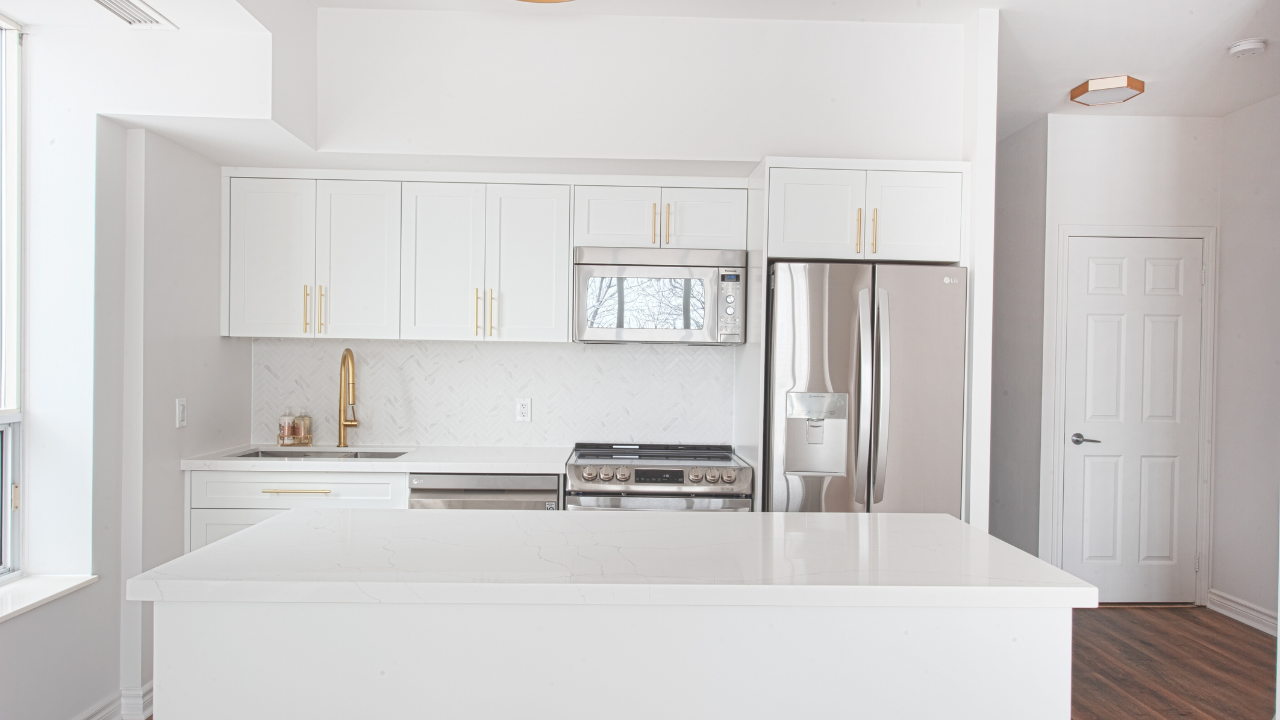
Smarter Water Use in Your Eco-Friendly Kitchen Remodeling
Minimizing water waste is a core principle of sustainable remodeling. Install low-flow faucets and aerators to reduce consumption without sacrificing pressure. Consider motion-activated sinks for extra efficiency, especially if you have children. Dishwashers and refrigerators with eco modes can also make a significant difference—many models recommended on Remodeling Magazine’s product lists support maximum water conservation.
Upcycling and Repurposing for a Unique Eco-Friendly Kitchen Makeover
Eco-friendly kitchen remodeling doesn’t have to mean everything brand new. In fact, some of the most stylish kitchens borrow from the past:
- Source vintage or second-life cabinetry, islands, and shelving from salvage yards or online platforms
- Repurpose old wood for open shelves and accent features
- Transform reclaimed metal into range hoods or light fixtures
- Upcycle glass containers and jars for accessible storage on countertops
These personal touches create warmth and authenticity while keeping usable materials out of landfills. For more on creative upcycling, browse the latest innovative remodeling ideas designed to put character front and center.
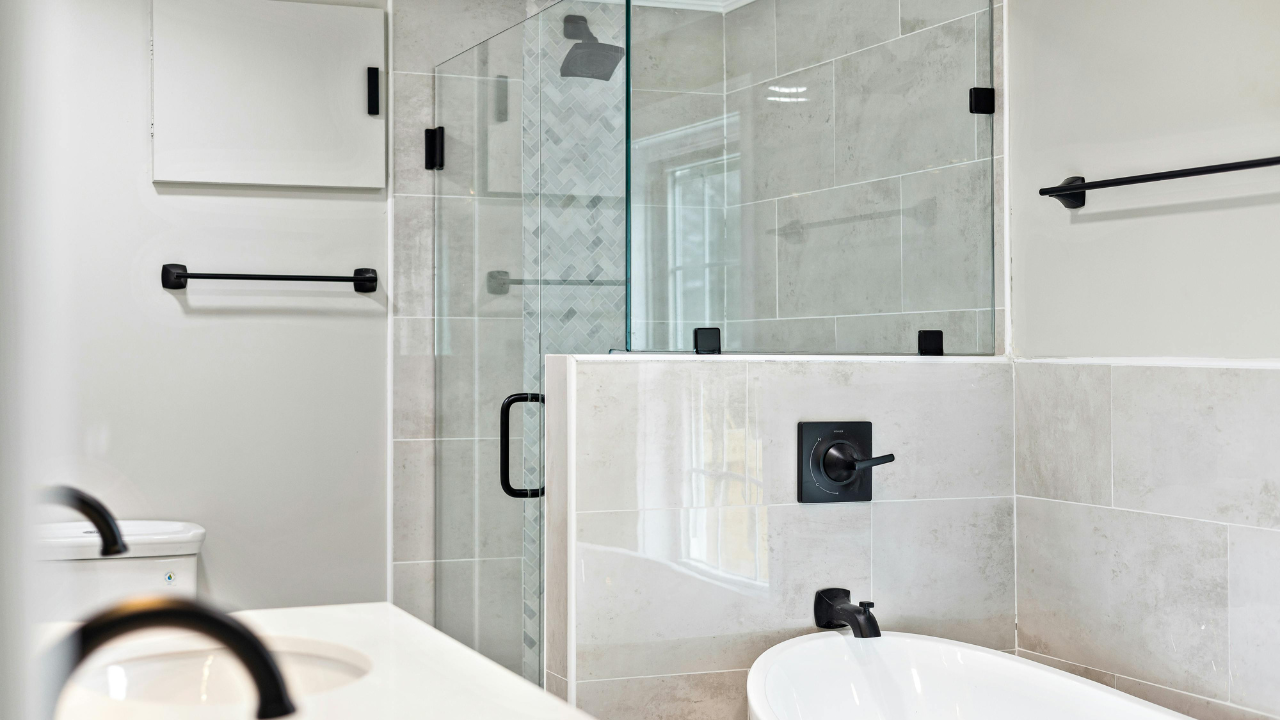
Healthy Air and Better Living: Ventilation in Eco-Friendly Kitchen Remodeling
You can avoid a stifling kitchen by prioritizing effective ventilation. Install a powerful range hood that vents to the outdoors to eliminate cooking fumes and excess moisture. For natural airflow, add operable windows or a skylight—crucial during heavy meal prep. If installing new windows, select models with high energy efficiency ratings to preserve comfortable living. For expert planning, consult a remodeling expert for blueprints that maximize both air quality and efficiency.
Eco-Friendly Kitchen Remodeling for Every Budget
Remodeling sustainably doesn’t need to break the bank. Here are budget-friendly steps to start your journey towards an eco-friendly kitchen without compromise:
- Paint existing cabinets with a new low-VOC finish or change hardware for a modern update
- Reuse current appliances if they’re ENERGY STAR certified
- Replace only high-impact items like faucets or lighting for maximum return on investment
- Shop local for materials and supplies to lower transportation emissions
Even small, incremental changes can snowball into meaningful savings for your wallet and the environment. For more on economically savvy transformations, see our tips on affordable kitchen updates.
Minimizing Construction Waste During Remodeling
Avoid landfill waste by working with contractors who follow deconstruction and recycling best practices. Sort and recycle drywall, metals, and glass when removing old features. Many donation centers gladly accept gently used cabinetry, sinks, and countertops—an excellent way to give back while keeping your project eco-friendly.
Design Innovations That Define Eco-Friendly Kitchen Remodeling
Modern eco-friendly kitchens aren’t just about materials—they’re about smart, functional design that withstands changing trends. Here’s how you can elevate your remodel:
- Integrated composting systems: Build a compost chute or pull-out bin directly into your prep area for effortless food scrap management
- Streamlined recycling zones: Incorporate multibin drawers to simplify sorting and encourage sustainable habits
- Dedicated indoor herb gardens: Install a small hydroponic or vertical garden under windows for fresh, homegrown ingredients year-round
Creative touches like these lead to lasting eco benefits and can also be a selling point if you ever decide to move. Discover smart strategies in California kitchen remodeling tips for eco-conscious homeowners.
Blending Nature and Style in Your Kitchen Sanctuary
Bring the outdoors in with natural wood elements, thriving plants, and earthy colors—fostering calm, wellness, and inspiration. Thoughtful use of green features in your eco-friendly kitchen remodeling can reduce stress and encourage healthier eating. Vertical green walls, potted herbs, and warm-toned surfaces create a welcome retreat right at home. Get started on your vision by checking out design-forward ideas from Houzz’s kitchen galleries.
Planning and Executing Your Eco-Friendly Kitchen Remodeling Project
Success starts with a step-by-step plan. Set clear sustainability goals. Define your budget, timeline, and the specific products you want to include. Collaborate with contractors who have demonstrated expertise in green remodeling practices. Always prioritize honest communication, accurate quotes, and a willingness to customize your vision.
Don’t forget to check local codes and obtain all necessary permits—standards for green building are continually evolving, especially in eco-forward states like California. For professional advice and comprehensive planning, our design team can guide your eco-friendly project from concept to completion.
Beyond the Kitchen: Whole-Home Eco Remodeling Ideas
If you’re inspired to extend sustainability beyond the heart of the home, explore interconnected upgrades. Energy-efficient windows, sustainable tile in your bathroom remodel, or adding an Accessory Dwelling Unit (ADU) with green materials all contribute to a healthier, more valuable property. Long-term, these improvements can significantly reduce utility bills and environmental impact across your household.
Key Takeaways for Eco-Friendly Kitchen Remodeling
- Choose renewable, recycled, or low-impact materials to set the foundation for sustainability.
- Opt for low-VOC paints and adhesives to create a healthier indoor environment.
- Incorporate ENERGY STAR appliances and LED lighting to boost energy efficiency and reduce costs.
- Embrace water-saving fixtures and smart appliance features for resource conservation.
- Repurpose vintage and salvaged elements to add character and minimize waste.
- Plan for dedicated composting, recycling, and indoor gardens for daily greener living.
- Work with green-certified contractors and reputable suppliers to ensure eco goals are met.
- Start with small, budget-friendly upgrades and scale up as your vision evolves.
Frequently Asked Questions About Eco-Friendly Kitchen Remodeling
What is the most eco-friendly countertop material for kitchens?
Recycled glass, paper composite, quartz, and reclaimed wood are among the top eco-friendly countertop choices due to their durability, sustainability, and low environmental impact.
How can I reduce energy use in my kitchen during a remodel?
Prioritize LED lighting, ENERGY STAR appliances, and induction cooktops, and improve insulation and natural lighting for a comprehensive approach to energy savings.
Can I make my kitchen more eco-friendly on a tight budget?
Yes—start by updating with low-VOC paints, LED bulbs, and water-saving faucets. Reusing or refinishing existing cabinetry and sourcing materials locally are cost-effective steps.
Are eco-friendly kitchens more expensive?
While certain sustainable products can cost more upfront, long-term utility and maintenance savings often offset the initial investment, leading to greater overall value.
Which appliances should I upgrade first for the biggest green impact?
Focus on upgrading old refrigerators and dishwashers to ENERGY STAR-certified models, as these appliances run most frequently and use the most energy in the kitchen.