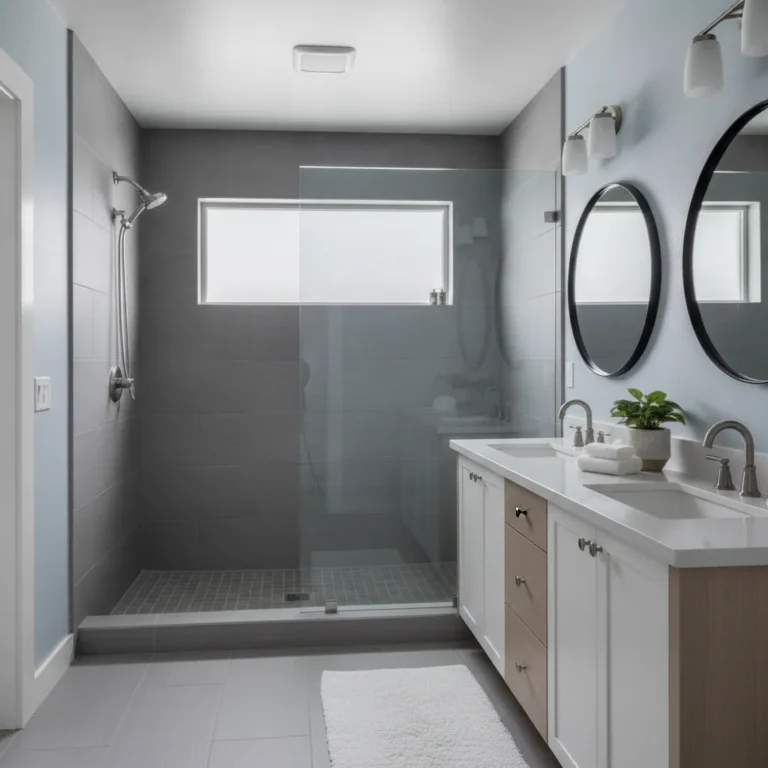
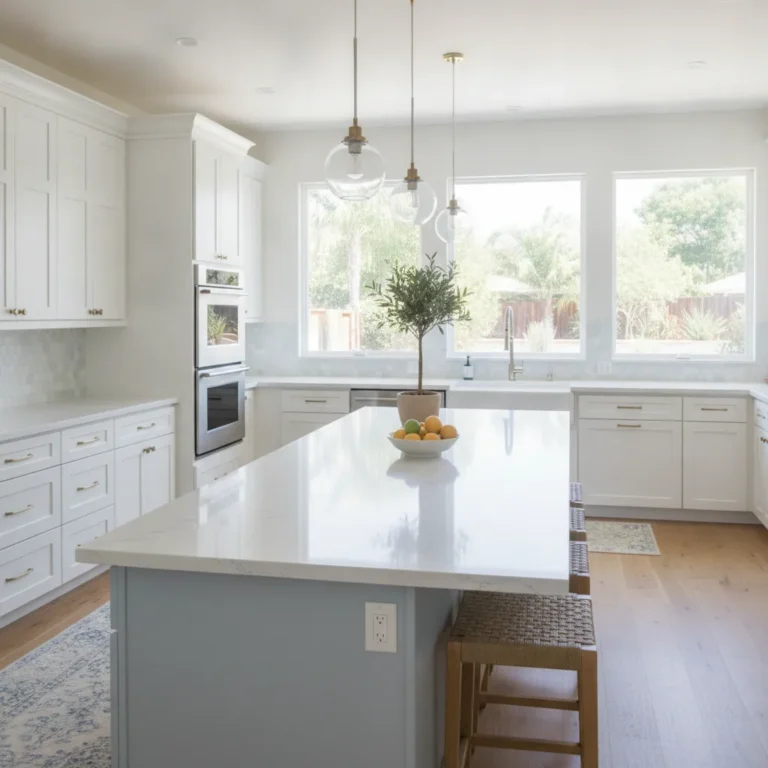
Eco-Friendly Interior Remodeling: 9 Smart Ways to Transform Your Living Room Sustainably
If you’re dreaming of a refresh for your living space, now is the perfect moment to explore eco-friendly interior remodeling strategies. By prioritizing sustainability, you can reduce your environmental impact without compromising on comfort or style. Drawing on decades of home renovation expertise, I’ll walk you through nine actionable ways to approach eco-friendly interior remodeling for your living room, blending smart design with sustainable practices that can raise both value and well-being in your home.
Why Choose Eco-Friendly Interior Remodeling for Your Living Room?
Eco-friendly interior remodeling is more than a passing trend—it’s an intentional approach to minimizing waste, optimizing energy use, and selecting healthier materials for your home environment. Living rooms, which often serve as the heart of a home, present endless possibilities for sustainable transformation. Whether you’re motivated by health benefits, energy savings, or increased resale value, sustainable interior design delivers lasting rewards for both your household and the planet.
- Reduce your carbon footprint and household waste
- Improve indoor air quality for loved ones
- Lower energy bills through smart upgrades
- Boost home value with modern, sustainable features
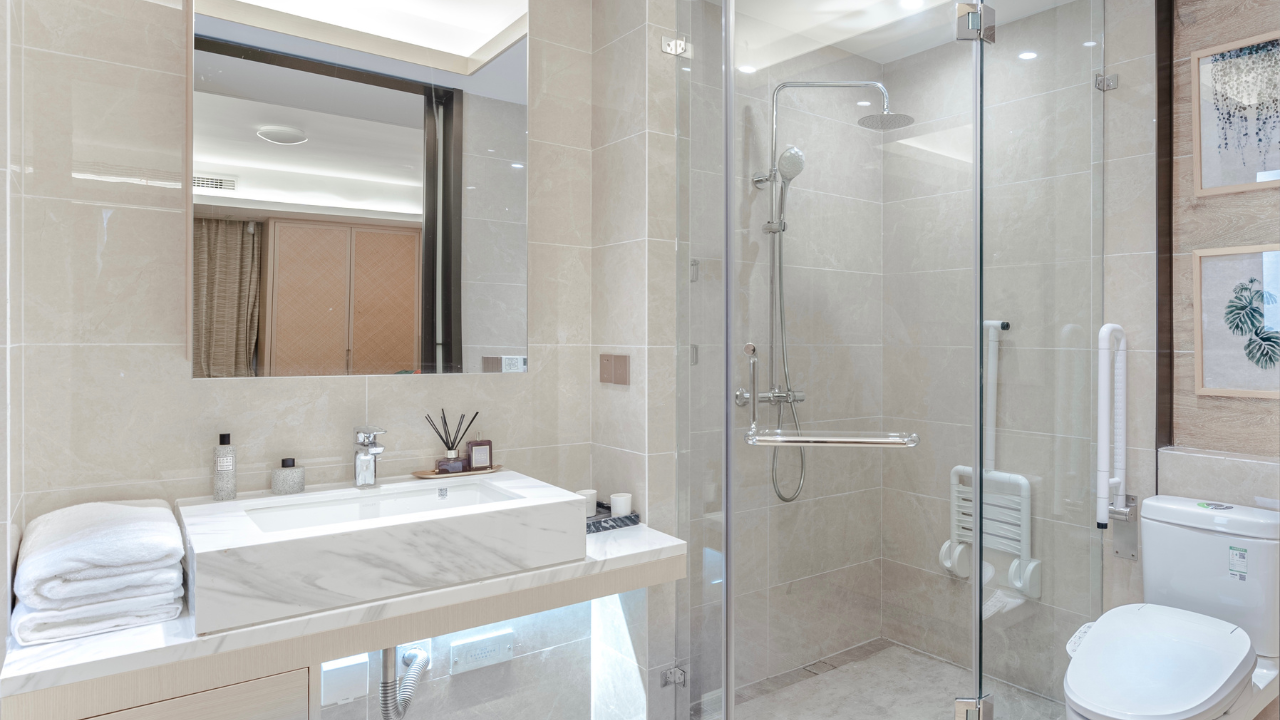
1. Upcycle and Repurpose: Sustainable Furnishing for Your Eco-Friendly Living Room
Want instant eco-friendly interior remodeling impact? Start by upcycling or repurposing existing furniture and décor. Instead of sending old sofas or coffee tables to the landfill, give them a second life with repair, stylish reupholstery, or a fresh lick of low-VOC paint.
Where to Find Sustainable Materials and Inspiration
- Visit local thrift stores or salvage yards for one-of-a-kind treasures
- Check out community swap groups for free or low-cost pieces
- Investigate sustainable design ideas from Houzz’s eco-friendly interiors guide
By making the most of what you already have—or giving preloved items new purpose—you minimize waste and embrace the core of eco-friendly interior remodeling.
2. Eco-Friendly Flooring: Responsible Choices from the Ground Up
Flooring is a foundational aspect of sustainable interior design. Classic hardwood is always handsome, but traditional options may carry a large environmental toll. Today, there are multiple earth-conscious choices perfect for eco-friendly interior remodeling:
- Bamboo: Fast-growing, durable, and stylish, bamboo is a top pick.
- Reclaimed Wood: Salvaged floorboards provide unique character and minimize new resource use.
- Cork: Soft underfoot, low-allergen, and easily renewable.
- Recycled Tiles: Consider tiles made from repurposed glass or porcelain, which pair beauty with sustainability for living rooms that flow seamlessly into kitchens or bathrooms. Learn more on our kitchen and bath tile advantages page.
Nontoxic Finishes and Installation
Opt for adhesives and finishes that are water-based, low-VOC, and formaldehyde-free. This enhances indoor air quality and aligns with the goals of eco-friendly interior remodeling.
3. Energy-Efficient Windows: Natural Light Meets Sustainability
A sustainable living room is bright, welcoming, and naturally energy-efficient. If your current windows are drafty or single-pane, upgrading can be one of the most impactful steps in eco-friendly interior remodeling.
- Double- or triple-pane windows improve insulation and reduce heating/cooling costs.
- Look for ENERGY STAR®-rated products to ensure top performance. Reference NKBA’s sustainable product resources for trusted brands.
Maximizing Daylight with Smart Design
- Consider the window orientation for passive solar gain.
- Use sheer or organic fiber curtains to diffuse natural light without blocking it.
- Light-colored walls and reflective surfaces can amplify brightness, reducing the need for artificial lighting.
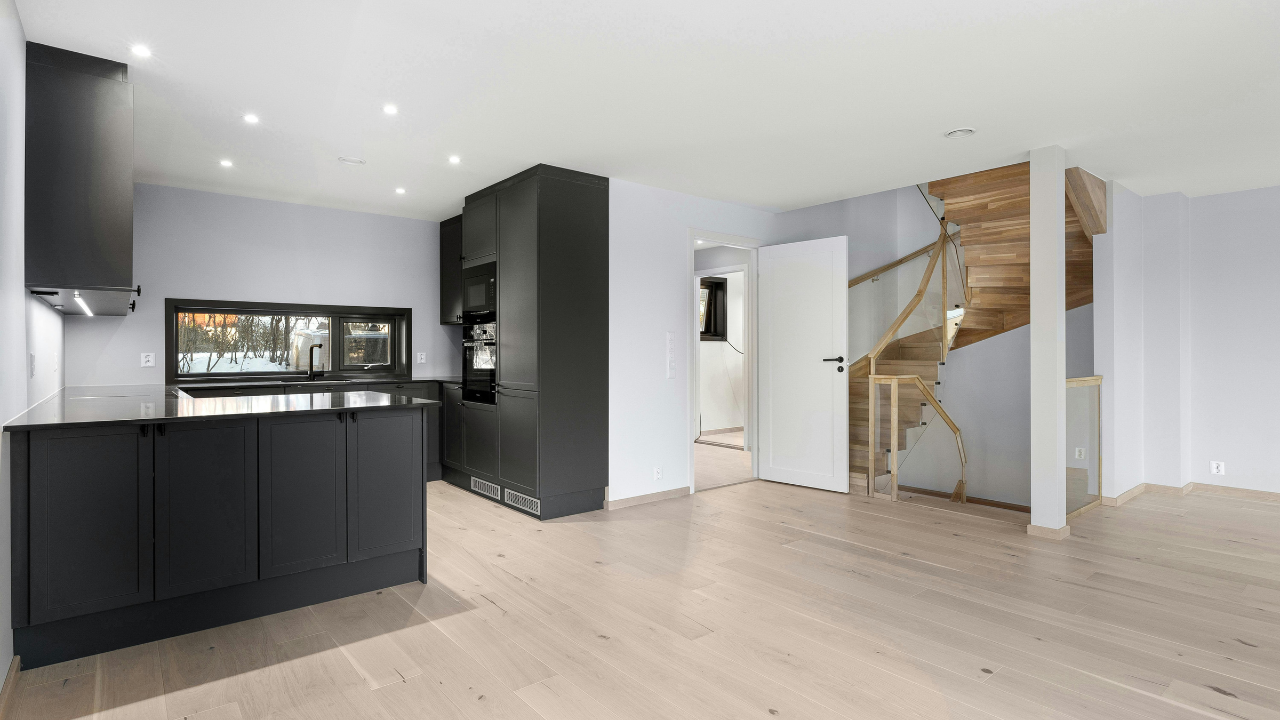
4. Sustainable Paints and Wall Treatments for Healthier Interiors
That fresh paint smell you remember? It’s actually off-gassing volatile organic compounds (VOCs) which can impact health over time. Prioritize low- or zero-VOC paints, stains, and wallcoverings to align your remodel with eco-friendly interior remodeling standards.
Textured and Living Walls
- Explore textured clay or lime-based plasters for a rustic, breathable finish.
- Create a living wall with preserved moss or vertical plants for added oxygenation and a bold statement.
5. Eco-Conscious Lighting: LEDs, Controls, and Placement Tips
Lighting has come a long way, and no eco-friendly interior remodeling project is complete without energy-wise upgrades. Here’s how:
- Swap incandescent or CFLs for LEDs, which last years longer and significantly cut energy use.
- Install dimmers or smart switches to have precise control of your living room’s ambiance.
- Maximize the effect of natural illumination from your new windows, further reducing the need for artificial light.
Smart controls and zoned lighting not only create mood but also advance the goals of eco-friendly interior remodeling by slashing unnecessary power draw. For design inspiration, explore HGTV’s guide to sustainable interiors.
Choosing Eco-Friendly Lighting Fixtures
- Look for fixtures made from recycled metals or sustainable woods.
- Opt for minimal packaging and locally manufactured products where possible.
6. Greener Furniture: Healthy, Responsible & Long-Lasting
New furniture is an investment—why not make it an investment in the planet, too? When shopping for new pieces, keep these eco-friendly interior remodeling principles at heart:
- Choose furniture certified by organizations like FSC® (Forest Stewardship Council) for responsible wood sourcing.
- Prioritize items crafted from natural fibers (organic cotton, hemp, linen), recycled materials, or responsibly harvested woods.
- Seek out manufacturers committed to non-toxic glues, natural finishes, and zero-waste processes.
Solid, well-made pieces not only reduce the frequency of replacement (and associated resource use) but also enhance the comfort and style of your newly remodeled space.
Local Options for Eco-Friendly Interior Remodeling
- Support local artisans and woodworkers for custom, regionally-sourced designs.
- Shop at eco-conscious boutiques or utilize certified vendors featured on This Old House’s green home furnishing guide.
7. Smart Heating and Cooling: Environmentally-Friendly Climate Control
Efficient climate control is central to eco-friendly interior remodeling. A living room that stays comfortable year-round with minimal energy input is a win-win.
- Upgrade to a programmable smart thermostat that learns your usage patterns and adapts to save energy.
- Consider energy-efficient ceiling fans to circulate air, reducing demand on heating or AC systems.
- Seal cracks and gaps around windows and doors to prevent energy loss. For more on weatherization, check out our exterior work solutions.

8. Eco-Friendly Interior Décor and Accessories That Make an Impact
What you choose to display says a lot about your sustainability priorities. Let your décor complete the story of your eco-friendly interior remodeling:
- Decorate with secondhand finds, vintage heirlooms, or artworks from recycled materials.
- Introduce potted plants for improved air quality and biophilic appeal (proven to reduce stress and increase happiness).
- Opt for pillows, throws, and curtains made from GOTS-certified organic textiles or upcycled fabrics. Learn more about selecting sustainable materials on our project planning page.
Biophilic Design in Eco-Friendly Living Spaces
Biophilic elements nourish your connection to nature. The inclusion of indoor plants, water features, and natural textures transforms the feel of your living room while actively purifying your air—a hallmark of well-executed eco-friendly interior remodeling projects.
9. Waste-Reduction and Resource Efficiency: Remodel Clean, Remodel Green
One of the biggest ways to champion eco-friendly interior remodeling is to minimize waste during and after your project. Here’s how to streamline the process:
- Donate materials and appliances you’re replacing to local charities when possible.
- Source products locally to cut transportation emissions and support community businesses.
- Request detailed waste diversion or recycling plans from your remodeling contractor. For more on working with professionals committed to sustainability, see our company values page.
- Choose modular or multi-functional living room elements that adapt as your needs evolve.
Water Conservation in Interior Remodeling
Don’t forget plumbing fixtures if your living room adjoins a wet bar or half-bath. Low-flow faucets and eco-friendly plumbing design cut water waste as part of your holistic eco-friendly interior remodeling journey.
How to Start Your Eco-Friendly Interior Remodeling Project Today
Ready to take the first step toward a healthier, more sustainable living room? Start by evaluating your needs, researching eco-friendly interior remodeling options, and consulting with your trusted design-build professionals. Whether your transformation is major or modest, remember: every positive change counts toward a greener home and planet. For step-by-step guidance and expert remodeling ideas, don’t miss our resource guides, like kitchen remodeling tips and home remodeling ideas for every season.
Key Takeaways for Eco-Friendly Interior Remodeling in the Living Room
- Choose upcycled or responsibly-made furniture to reduce waste and support sustainable manufacturing.
- Opt for non-toxic paints, sustainable flooring, and energy-efficient windows for healthier, more eco-friendly interiors.
- Enhance your living room’s ambiance and efficiency with LED lighting, smart controls, and abundant natural light.
- Implement biophilic design and natural décor to boost well-being and interior air quality.
- Partner with eco-conscious contractors for responsible project management and waste reduction.
- Select multi-functional and modular elements that adapt to evolving needs without future demolition.
- Take incremental steps—every change in your eco-friendly interior remodeling journey makes an impact!
Frequently Asked Questions About Eco-Friendly Interior Remodeling
- What is the first step in eco-friendly interior remodeling for my living room?
- Start by assessing your current furnishings and finishes, then prioritize upgrades that deliver the biggest energy and health benefits, such as insulation and low-VOC materials.
- Are sustainable materials more expensive than traditional ones?
- While some eco-friendly products may carry a higher upfront cost, they often offer long-term savings through durability, lower energy bills, and reduced need for replacement.
- Can I remodel my living room sustainably on a budget?
- Absolutely! Upcycling, shopping secondhand, and focusing on small-but-impactful changes like paint or lighting can all fit within modest budgets.
- Which living room upgrades have the most environmental impact?
- Improving insulation, choosing energy-efficient windows, and swapping to LED lighting are among the most effective ways to boost both comfort and sustainability.
- How do I find contractors who specialize in eco-friendly interior remodeling?
- Look for contractors with experience in green building, check their certifications, and ask about their preferred materials and waste reduction policies. Local directories and remodeler associations can help connect you with trusted professionals.
- What indoor plants are best for air quality in remodeled living rooms?
- Consider snake plants, pothos, peace lilies, and spider plants—these are all effective at filtering toxins and thrive indoors.
Eco-friendly interior remodeling is a rewarding journey toward a more beautiful, comfortable, and responsible home. Every sustainable choice you make not only upgrades your living room but also contributes to a greener, healthier future. If you’re inspired to take action, explore our complete interior remodeling services or discover more about sustainable design ideas in our project planning resources.
Frequently Asked Questions About Eco-Friendly Home Remodeling
What materials are considered eco-friendly for a living room remodel?
Sustainable choices include reclaimed wood, bamboo flooring, cork, recycled-content tiles, and furniture certified by the Forest Stewardship Council. Paints and adhesives should be low- or zero-VOC to protect indoor air quality. These materials reduce resource demand without sacrificing durability or looks.
How much can I save on energy bills with eco-friendly home remodeling upgrades?
Actual savings vary by home size, climate, and which upgrades you choose, but energy-efficient windows, LED lighting, and smart thermostats are among the highest-impact changes you can make. Upgrading from single-pane windows to ENERGY STAR-rated double-pane units, for example, can noticeably reduce heating and cooling loads in Southern California climates. A licensed contractor can help you prioritize upgrades based on your home's current energy performance.
Do I need permits for eco-friendly interior remodeling in Fullerton or Orange County?
Structural changes, window replacements, and HVAC upgrades typically require permits from the local building department, while cosmetic work like painting or flooring usually does not. In Fullerton and other Orange County cities, permit requirements depend on the scope and value of work. Horizon Construction and Remodeling handles permit coordination as part of every project so nothing is missed.
Is eco-friendly remodeling more expensive than a standard remodel?
Some sustainable materials carry a higher upfront cost, but many pay for themselves over time through lower energy bills and reduced maintenance. Reclaimed wood, upcycled furniture, and low-VOC paints are often competitively priced compared to conventional alternatives. Getting a detailed estimate lets you weigh first cost against long-term savings for each upgrade.
How do I find a contractor experienced in eco-friendly home remodeling near me?
Look for a licensed general contractor with documented experience in sustainable materials, energy upgrades, and local permit processes. In California, verify any contractor's CSLB license before signing a contract. Horizon Construction and Remodeling (CSLB License #938230) serves Fullerton, Orange County, and surrounding communities with a single team from design through final walkthrough.
Related Services
Contact Horizon Construction and Remodeling today for a free estimate on your eco-friendly home remodeling project in Fullerton or anywhere in Orange County. Call (714) 449-9035.
Frequently Asked Questions About Eco-Friendly Home Remodeling
What makes a home remodeling project eco-friendly?
An eco-friendly home remodeling project prioritizes materials with low environmental impact, such as reclaimed wood, bamboo, or recycled tile, alongside upgrades that reduce energy consumption like ENERGY STAR windows and LED lighting. It also means minimizing construction waste and using adhesives, paints, and finishes that are low- or zero-VOC to protect indoor air quality.
Is eco-friendly home remodeling more expensive than a standard remodel?
Some sustainable materials and energy-efficient products carry a higher upfront cost, but many pay for themselves over time through lower utility bills and reduced maintenance. Options like upcycled furniture, cork flooring, and low-VOC paint are often comparable in price to conventional alternatives, so going green does not have to stretch your budget significantly.
Do I need special permits for eco-friendly upgrades in Orange County or Fullerton?
Permit requirements depend on the scope of work rather than whether a project is green. Replacing windows, adding insulation, or upgrading HVAC systems typically require a permit through your city's building department in Fullerton or the applicable Orange County jurisdiction. A licensed general contractor like Horizon, holding CSLB license #938230, can pull the correct permits and ensure the work passes inspection.
Which living room upgrade delivers the best return on an eco-friendly remodel?
Energy-efficient windows combined with LED lighting and a programmable thermostat tend to deliver the clearest, fastest return because they cut monthly utility costs immediately. Sustainable flooring such as bamboo or reclaimed wood also adds resale appeal in the Southern California market, where buyers increasingly value durable, responsibly sourced materials.
How do I know if the materials a contractor proposes are truly sustainable?
Ask for certifications: FSC for wood products, GREENGUARD or GREENGUARD Gold for low-emission finishes and adhesives, and ENERGY STAR for windows and appliances. A reputable contractor will provide documentation and be transparent about sourcing, so you can verify claims before work begins.
Can I live in my home during an eco-friendly living room remodel?
In most cases, yes. Living room remodels are generally contained to one area of the home, and using low-VOC products significantly reduces off-gassing that might otherwise make the space uncomfortable during work. Your contractor should give you a realistic timeline and sequence tasks to minimize disruption so you can stay in the home safely throughout the project.
Related Services
Contact Horizon Construction and Remodeling today for a free estimate on your eco-friendly home remodeling project in Fullerton or anywhere across Orange County, CSLB license #938230. Call (714) 449-9035.
Frequently Asked Questions About Eco-Friendly Home Remodeling
What materials are considered eco-friendly for a living room remodel?
Sustainable choices include reclaimed wood, bamboo flooring, cork, recycled-content tiles, and furniture certified by the Forest Stewardship Council. Paints and adhesives should be low- or zero-VOC to protect indoor air quality. These materials reduce resource demand without sacrificing durability or looks.
How much can I save on energy bills with eco-friendly home remodeling upgrades?
Actual savings vary by home size, climate, and which upgrades you choose, but energy-efficient windows, LED lighting, and smart thermostats are among the highest-impact changes you can make. Upgrading from single-pane windows to ENERGY STAR-rated double-pane units, for example, can noticeably reduce heating and cooling loads in Southern California climates. A licensed contractor can help you prioritize upgrades based on your home's current energy performance.
Do I need permits for eco-friendly interior remodeling in Fullerton or Orange County?
Structural changes, window replacements, and HVAC upgrades typically require permits from the local building department, while cosmetic work like painting or flooring usually does not. In Fullerton and other Orange County cities, permit requirements depend on the scope and value of work. Horizon Construction and Remodeling handles permit coordination as part of every project so nothing is missed.
Is eco-friendly remodeling more expensive than a standard remodel?
Some sustainable materials carry a higher upfront cost, but many pay for themselves over time through lower energy bills and reduced maintenance. Reclaimed wood, upcycled furniture, and low-VOC paints are often competitively priced compared to conventional alternatives. Getting a detailed estimate lets you weigh first cost against long-term savings for each upgrade.
How do I find a contractor experienced in eco-friendly home remodeling near me?
Look for a licensed general contractor with documented experience in sustainable materials, energy upgrades, and local permit processes. In California, verify any contractor's CSLB license before signing a contract. Horizon Construction and Remodeling (CSLB License #938230) serves Fullerton, Orange County, and surrounding communities with a single team from design through final walkthrough.
Related Services
Contact Horizon Construction and Remodeling today for a free estimate on your eco-friendly home remodeling project in Fullerton or anywhere in Orange County. Call (714) 449-9035.
Frequently Asked Questions About Eco-Friendly Home Remodeling
What makes a home remodeling project eco-friendly?
An eco-friendly home remodeling project prioritizes materials with low environmental impact, such as reclaimed wood, bamboo, or recycled tile, alongside upgrades that reduce energy consumption like ENERGY STAR windows and LED lighting. It also means minimizing construction waste and using adhesives, paints, and finishes that are low- or zero-VOC to protect indoor air quality.
Is eco-friendly home remodeling more expensive than a standard remodel?
Some sustainable materials and energy-efficient products carry a higher upfront cost, but many pay for themselves over time through lower utility bills and reduced maintenance. Options like upcycled furniture, cork flooring, and low-VOC paint are often comparable in price to conventional alternatives, so going green does not have to stretch your budget significantly.
Do I need special permits for eco-friendly upgrades in Orange County or Fullerton?
Permit requirements depend on the scope of work rather than whether a project is green. Replacing windows, adding insulation, or upgrading HVAC systems typically require a permit through your city's building department in Fullerton or the applicable Orange County jurisdiction. A licensed general contractor like Horizon, holding CSLB license #938230, can pull the correct permits and ensure the work passes inspection.
Which living room upgrade delivers the best return on an eco-friendly remodel?
Energy-efficient windows combined with LED lighting and a programmable thermostat tend to deliver the clearest, fastest return because they cut monthly utility costs immediately. Sustainable flooring such as bamboo or reclaimed wood also adds resale appeal in the Southern California market, where buyers increasingly value durable, responsibly sourced materials.
How do I know if the materials a contractor proposes are truly sustainable?
Ask for certifications: FSC for wood products, GREENGUARD or GREENGUARD Gold for low-emission finishes and adhesives, and ENERGY STAR for windows and appliances. A reputable contractor will provide documentation and be transparent about sourcing, so you can verify claims before work begins.
Can I live in my home during an eco-friendly living room remodel?
In most cases, yes. Living room remodels are generally contained to one area of the home, and using low-VOC products significantly reduces off-gassing that might otherwise make the space uncomfortable during work. Your contractor should give you a realistic timeline and sequence tasks to minimize disruption so you can stay in the home safely throughout the project.
Related Services
Contact Horizon Construction and Remodeling today for a free estimate on your eco-friendly home remodeling project in Fullerton or anywhere across Orange County, CSLB license #938230. Call (714) 449-9035.