Opening paragraph starting with content… If you’ve ever longed for a home that sparks tranquility, creativity, and well-being the moment you step through the door, biophilic interior remodeling may be the design approach you’re searching for. Unlike fleeting trends, this evidence-backed design philosophy places your connection to nature front-and-center — whether you’re reimagining a cramped bathroom, updating your kitchen, or planning a new living space. With biophilic interior remodeling, you don’t just add plants to a windowsill; you create environments that nurture body and mind by bringing the benefits of the outdoors in. Let’s explore the game-changing ways this nature-inspired renovation strategy can transform your home into a restorative retreat you’ll truly love.
Why Choose Biophilic Interior Remodeling for Your Next Home Upgrade?
At its core, biophilic interior remodeling means purposefully weaving natural elements, light, and textures into your home’s structure and everyday experience. The goal isn’t just to beautify; it’s to harness proven benefits like boosted productivity, improved air quality, and even lowered stress levels. In today’s world of fast-paced routines and screen-centric living, these advantages have never felt more essential. If you’re considering kitchen remodeling, a bathroom refresh, or a larger home addition, integrating biophilic principles can greatly enhance both resale value and daily satisfaction.
Understanding the Concept of Biophilia in Modern Homes
Theories on biophilia, popularized by pioneers like Edward O. Wilson, explain our innate affinity for nature. Modern architecture and interior design trends are catching up, embracing features such as green walls, daylight maximization, and organic materials. According to the National Kitchen & Bath Association, homeowners seeking the latest upgrades increasingly ask for features inspired by outdoor settings. Biophilic interior remodeling doesn’t just follow a trend – it sets a foundation for happier, healthier living.
Six Refreshing Ways Biophilic Interior Remodeling Transforms Your Space
1. Abundant Natural Light for Greater Vitality
Lighting isn’t just about visibility — it directly affects your circadian rhythms, mood, and comfort. One of the hallmarks of biophilic interior remodeling is optimizing and amplifying daylight throughout your space. By enlarging windows, adding skylights, or incorporating glass doors, you invite the sun’s dynamic spectrum inside. According to Houzz, open floor plans and transparent partitions further extend the sense of natural flow between inside and out.
- Add clerestory windows in hallways or bathrooms for morning sun
- Choose reflective finishes to maximize available light
- Layer window treatments to shift between privacy and openness
If your renovation includes bathroom remodeling or a kitchen overhaul, prioritize layouts that amplify daylight in high-use areas.
2. Living Greenery: The Ultimate Natural Statement
It’s hard to overstate the impact of living plants within interior design. Biophilic interior remodeling elevates this by planning for plant integration at every stage: built-in planter walls, living ceilings, or window-proximate shelving for trailing botanicals. The inclusion of greenery directly filters toxins, humidifies air, and provides a daily connection to the rhythms of growth and seasons. Don’t overlook vertical gardens or compact indoor trees, which fit seamlessly even in small spaces, such as powder rooms or compact ADUs. For more plant-savvy ideas, visit HGTV’s guides to indoor gardening.
3. Harnessing Organic Materials for Authentic Texture
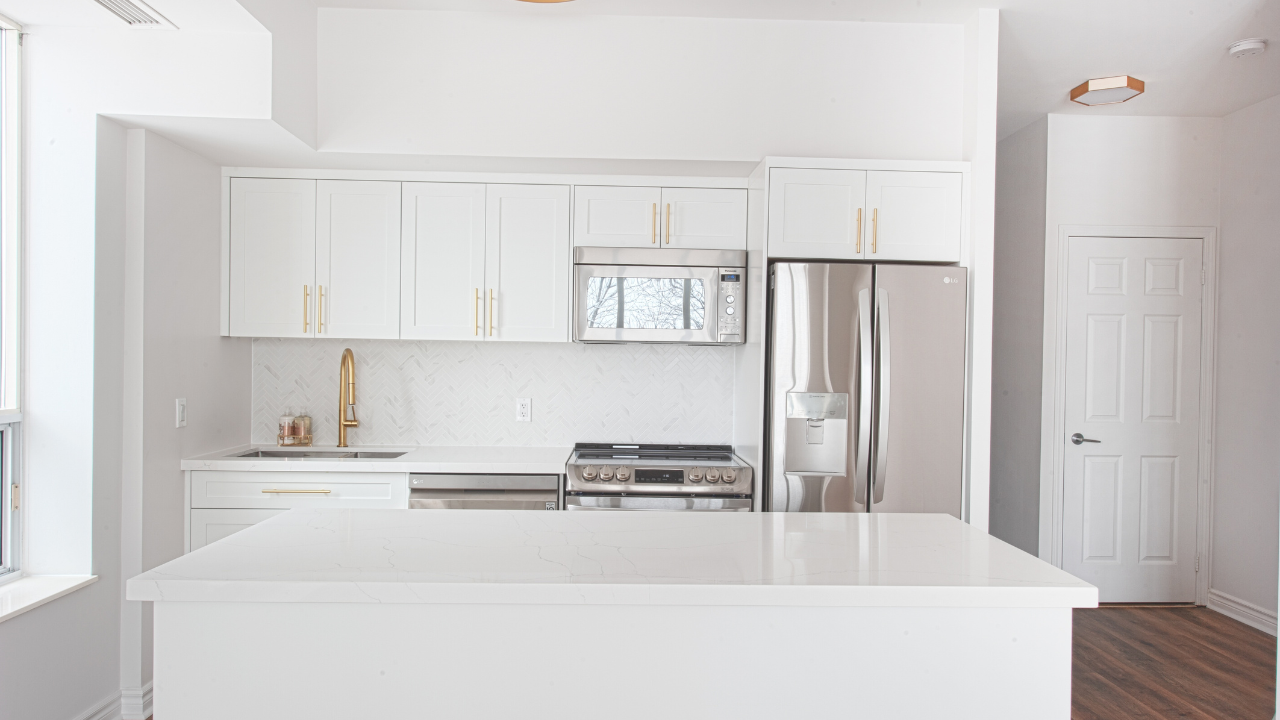
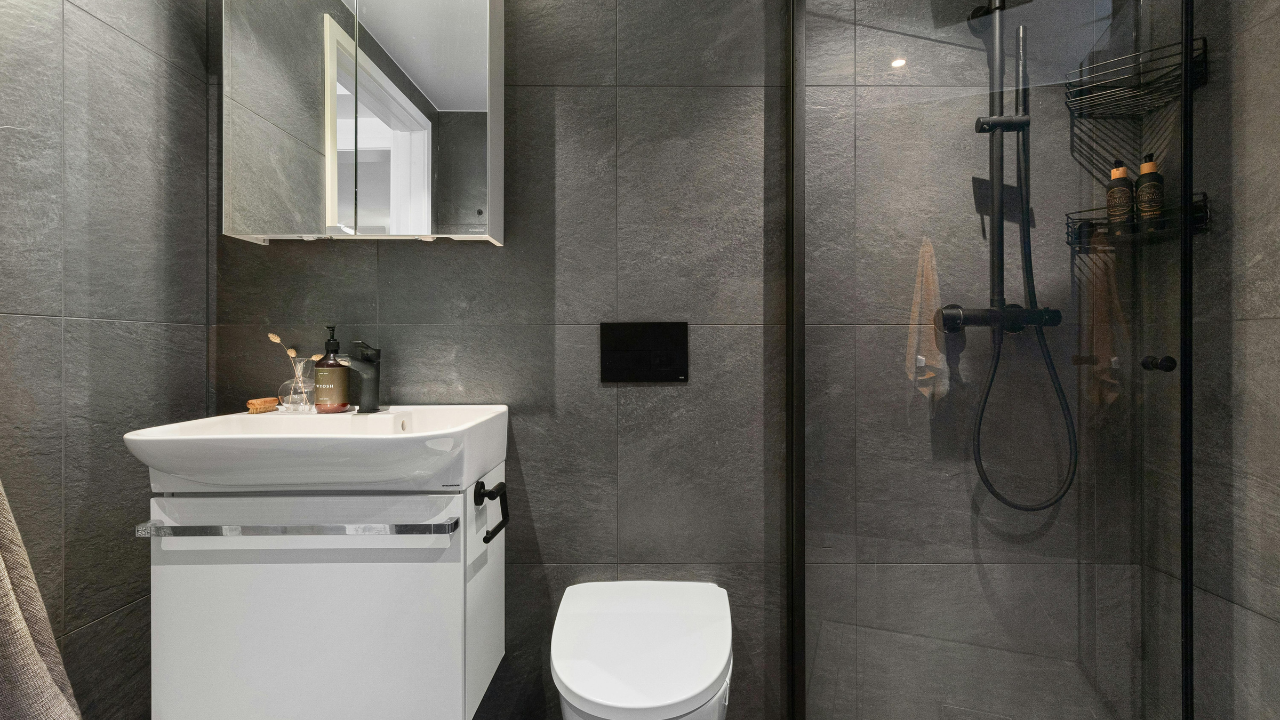
From the grain of hardwood floors to the cool elegance of stone countertops, the tactile experience is central to biophilic interior remodeling. Choosing materials like bamboo, cork, recycled glass, and locally sourced wood fosters both sustainability and sensory delight. You’ll find these earthy finishes not only look stunning but also contribute to environmental harmony. Integrating organic textures can start in a single room—such as swapping out vinyl flooring for wide-plank oak, or adding a slate accent wall to your next bathroom redesign.
Tips for Blending Materials in Biophilic Projects
- Mix polished and matte natural stone in kitchens for subtle depth
- Opt for reclaimed wood shelves and counters to reduce your carbon footprint
- Layer textiles made from cotton, linen, and wool for touchable comfort
How Biophilic Interior Remodeling Improves Well-Being
4. Enhanced Air Quality Through Smart Design Choices
Beyond aesthetics, biophilic interior remodeling addresses your home’s health. Adequate ventilation, air-filtering plants, and low-VOC (volatile organic compound) paints can greatly improve indoor air quality. Research links these improvements to fewer allergies, better sleep, and sharper focus. When planning a remodel, ensure all interior work includes air-friendly building materials and considers innovative options such as green roofs or operable windows.
5. Fluid Transitions: Blurring the Lines Between Indoors and Outdoors
One signature goal of biophilic interior remodeling is to dissolve barriers between your home and its surroundings. Sliding doors, sunrooms, and decks create sensory continuity with gardens or cityscapes. Even a simple kitchen remodel can achieve this effect by rearranging cooking spaces to face a backyard view or adding herb boxes just outside a window. Projects like ADU additions often thrive when they include private patios or green courtyards, expanding both living area and your daily connection to nature.
Ways to Connect Indoors and Outdoors
- Install folding or pocket walls in living and dining rooms
- Use patios, decks, or balconies as true extensions of interior space
- Frame outdoor views with built-in seating or custom window nooks
6. Artistic Nature-Inspired Touches for Personalized Serenity
While large-scale changes make a powerful impact, subtle decorative accents can also bring biophilic interior remodeling to life. Consider botanical patterns for wallpaper, water features that create soothing soundscapes, or thoughtfully chosen artwork reflecting natural themes. If designing with younger family members in mind, add interactive terrariums, pebble mosaics, or sensory corners for tactile play and relaxation. These details turn any room—from your primary bathroom to multipurpose ADU—into a highly individualized calming sanctuary.
Integrating Biophilic Interior Remodeling Into Key Home Areas
Smart Kitchens: Cooking with a View
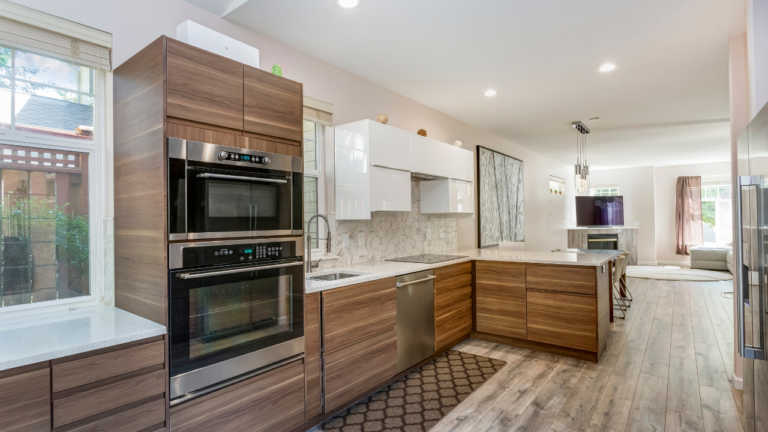
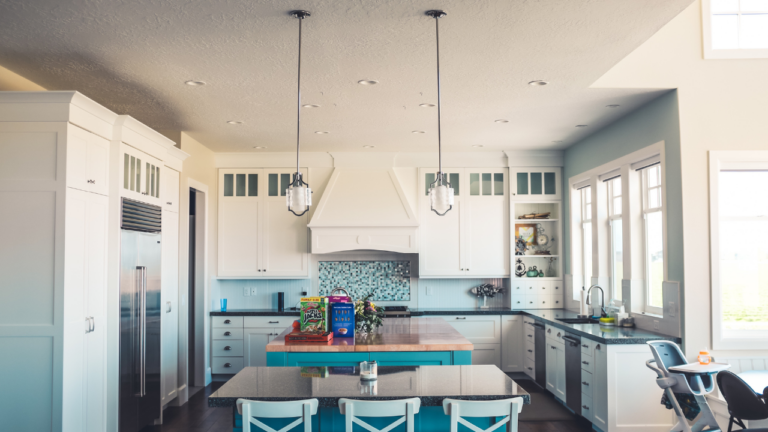
The kitchen is the heart of any home, and it’s a perfect place to implement biophilic interior remodeling concepts. Imagine prepping meals near a garden window, using stone countertops, and wooden cabinetry that all invite in natural energy. With a focus on practical kitchen remodeling tips, you can maximize ergonomics while infusing fresh air and daylight, creating an uplifting culinary workspace that also boosts nutrition through garden-to-table inspiration.
Bathrooms as SPA Sanctuaries
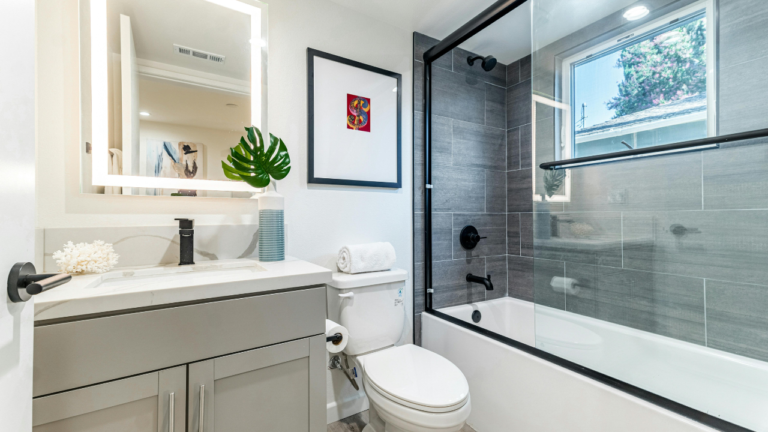
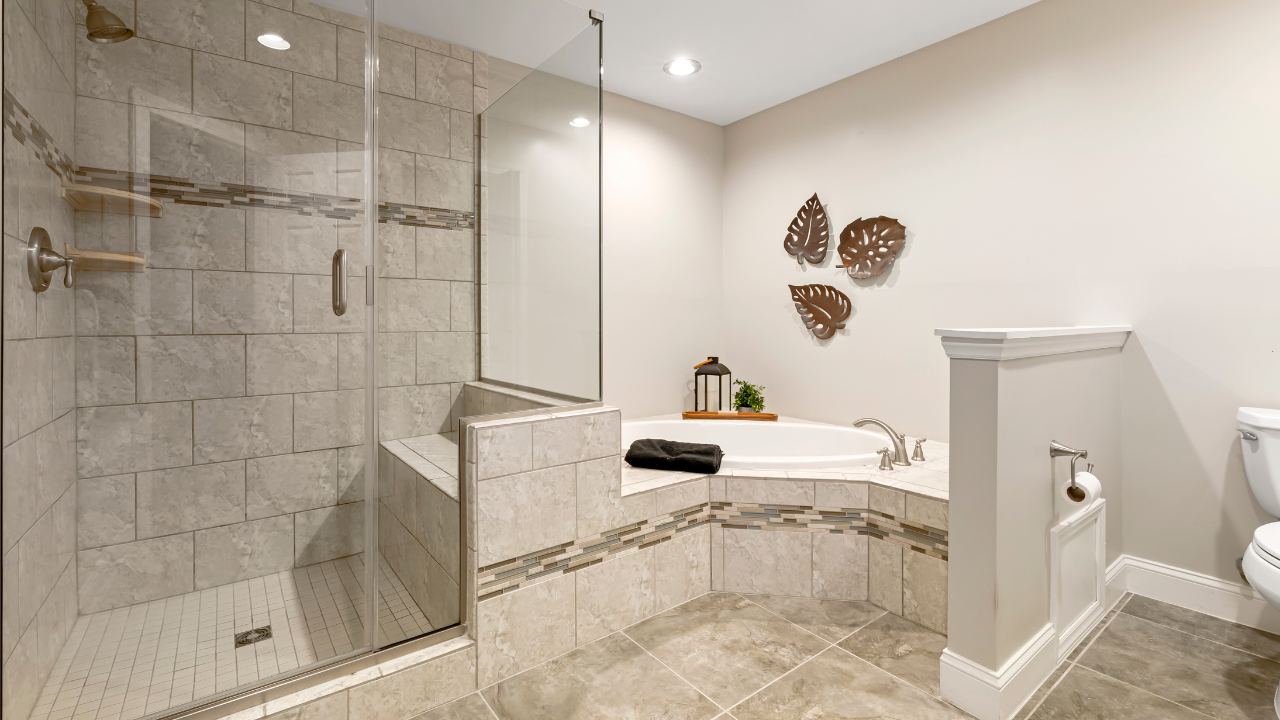
Transforming your bathroom through biophilic interior remodeling takes the luxury of a home spa and makes it accessible every day. Natural stones, rainfall showers, and even subtle moss walls combine for sensory indulgence that naturally lowers stress. Add real or faux plants in wall niches, and consider operable windows for fresh ventilation. For even more renovation ideas, browse our bathroom transformation advice.
Expanding Addressable Space with Nature-Infused ADUs
Accessory dwelling units (ADUs) and home additions are a prime opportunity to start fresh with biophilic interior remodeling. Whether you’re building a guesthouse, a home office, or a flexible studio, these spaces benefit from thoughtful placement, generous sunlight, and connections to existing landscape features. As you plan, work with a team skilled in custom blueprints and layout optimization to achieve results that both elevate value and offer lasting serenity.
Design Strategies for Lasting Success with Biophilic Interior Remodeling
Collaboration With Design Professionals
Although many biophilic upgrades can be completed as DIY weekend projects, a comprehensive remodel often benefits from working with professionals who understand the nuances of spatial planning, structural integrity, and local building regulations. When you choose a provider with proven experience in modern home remodeling, you’ll ensure every element—from plant selection to lighting controls—functions harmoniously for years to come.
Finishing Touches: Maintenance and Evolution
The beauty of a biophilic space lies in its adaptability and seasonal evolution. Choose plants and materials that thrive in your climate and adjust layouts as needs and aesthetics shift. For ongoing inspiration on maintenance and seasonal upgrades, see trending tips for spring renovations and winter home improvements.
Choosing Biophilic Interior Remodeling for a Sustainable, Healthier Home
Biophilic interior remodeling isn’t just a design choice; it’s an investment in happier, healthier living. By blending natural textures, abundant light, and organic forms, every corner of your house becomes a supportive environment. As sustainability becomes increasingly important, this approach’s synergy with eco-friendly materials and energy efficiency makes it a smart choice for both you and the planet. Explore more about the value of green remodeling at This Old House.
Key Takeaways for Biophilic Interior Remodeling
- Biophilic interior remodeling improves well-being by reconnecting your living space with nature’s calming influences.
- Prioritize daylight, organic materials, and living greenery for transformative results across kitchens, bathrooms, and living areas.
- Smart ventilation, low-VOC materials, and plant integration can significantly enhance indoor air quality.
- Blurring boundaries between indoor and outdoor spaces fosters openness, relaxation, and creativity.
- Even small rooms and ADUs benefit from simple biophilic upgrades, from water features to botanical art.
- Work with experienced professionals for structural changes and optimal design outcomes.
- Choose sustainable, climate-friendly materials for a resilient, eco-considerate home.
Frequently Asked Questions About Biophilic Interior Remodeling
What is biophilic interior remodeling and how is it different from adding plants?
Biophilic interior remodeling is a comprehensive approach that deeply integrates natural elements—light, materials, views, and air quality—into home structure and design, not just the decoration with plants.
Can biophilic remodeling be applied in small spaces or apartments?
Absolutely! Even small homes or apartments can benefit by maximizing natural light, adding vertical greenery, and selecting organic finishes suited to limited square footage.
Is biophilic interior remodeling expensive?
It can be scaled to fit most budgets. Small changes, such as swapping in low-VOC paint, adding a skylight, or choosing sustainable flooring, make a big difference without requiring a full renovation.
How does biophilic design support physical health?
This design philosophy improves air quality, encourages physical movement, and can reduce everyday stress, which benefits both mental and physical well-being.
Which home remodeling projects most benefit from biophilic concepts?
Kitchens, bathrooms, and living rooms especially benefit, but even home offices and additions like ADUs are transformed by improved light, views, and natural materials.