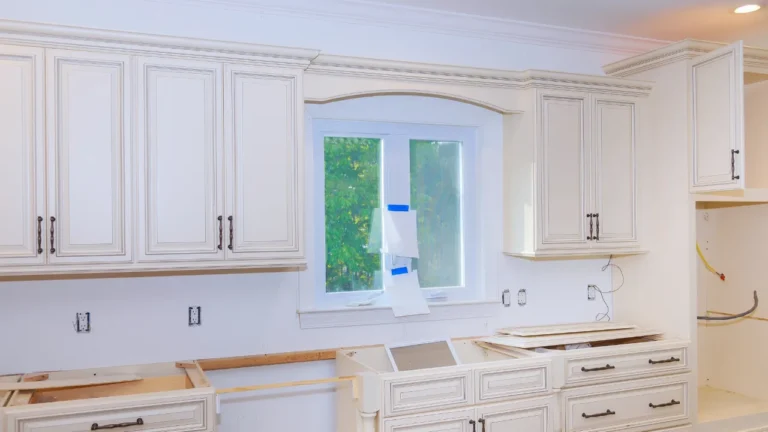
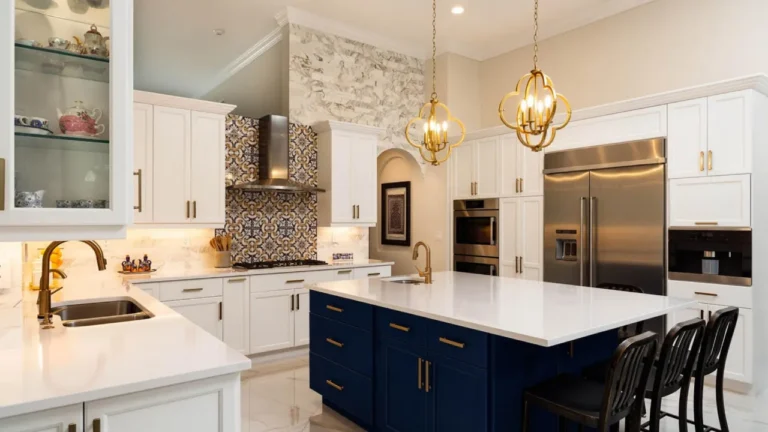
Starting your kitchen remodeling planning with a clear vision not only sets the stage for a stunning transformation but also prevents unwelcome budget surprises down the road. When you embark on a renovation journey, an effective plan alleviates stress and helps you focus on design, materials, and functional layout—all while keeping costs firmly in check.
Foundations of Effective Kitchen Remodeling Planning for Budget Control
At the heart of successful kitchen remodeling planning is the need to establish a realistic budget that accommodates everything from design fees to hidden costs. Many homeowners jump into renovations without a comprehensive financial plan, only to face unexpected expenses that derail the project. By defining your spending limits early, assessing potential contingencies, and prioritizing your must-haves, you create a roadmap that keeps your project on track. Leveraging smart budgeting tactics can make the difference between a chaotic renovation and a smooth, enjoyable process.
Defining Your Kitchen Remodeling Planning Objectives
Before you start ordering materials or calling contractors, outline your renovation objectives. Consider the functionality you need, the appliances you desire, and the overall aesthetic vision for your kitchen. Establishing clear goals keeps you from overspending on elements that may not add long-term value. Using strategies like prioritizing layout improvements over luxury finishes can help you get the most from every dollar spent. If you’re curious how layout changes can enhance your kitchen design, check out detailed blueprints and design tips available on our website.
Establishing a Realistic Budget with Detailed Estimates
Budget planning in kitchen remodeling planning involves more than just adding up the cost of materials. It’s essential to incorporate labor, permits, unexpected repairs, and even design consultation fees. By breaking down each expense into categories, you can identify areas that offer room for savings. For instance, opting for refurbished cabinets instead of custom-made ones or choosing energy-efficient appliances may balance upfront costs with long-term benefits. To learn more about cost-saving design strategies, explore our kitchen remodeling tips.
Strategic Design Choices in Kitchen Remodeling Planning
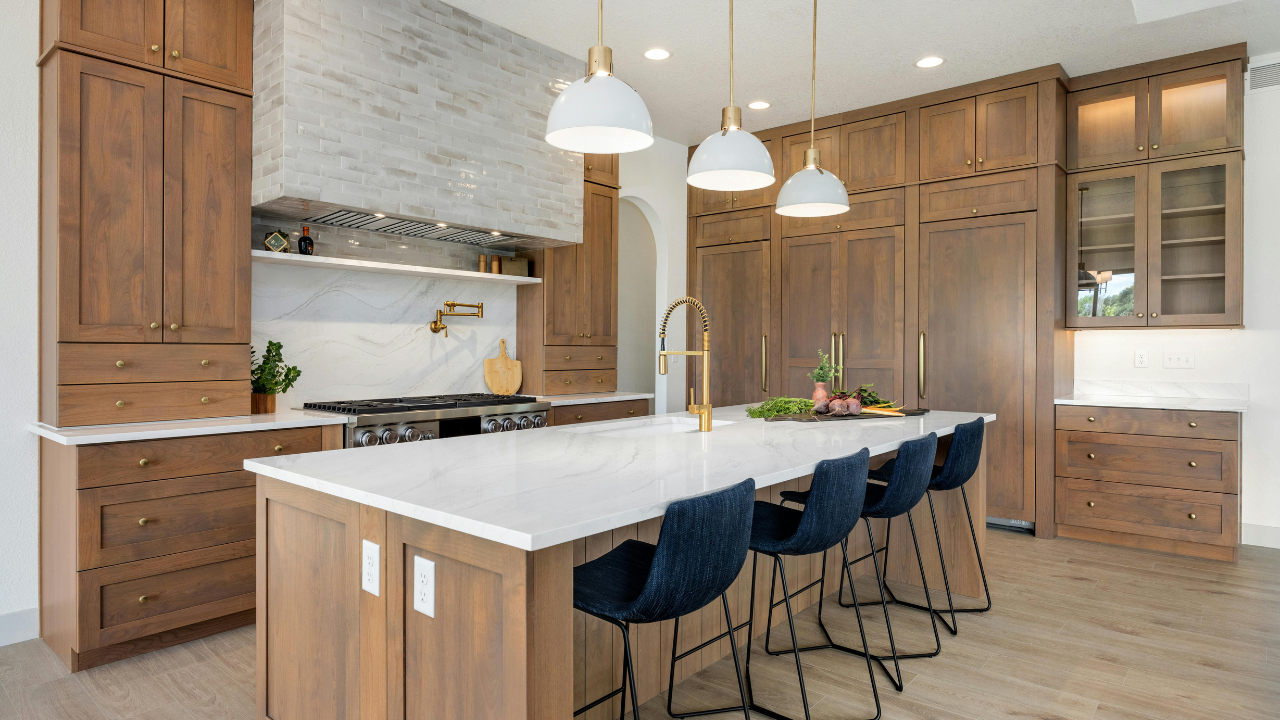
Smart design choices are central to effective kitchen remodeling planning. By carefully weighing options like storage solutions, appliance placement, and workflow patterns, you can create a space that is both beautiful and practical. Consider these design strategies to elevate your project:
- Opt for an open plan layout to improve usability and space flow.
- Install hidden storage solutions to maximize available space and reduce clutter.
- Choose multi-functional islands that double as seating areas and workspaces.
When you seamlessly blend aesthetic elements with functional design, you set the stage for a remodeling project that meets your lifestyle needs without unexpected costs. For further inspiration, you might appreciate the innovative ideas featured on our kitchen remodeling gallery.
Incorporating Functionality and Efficiency
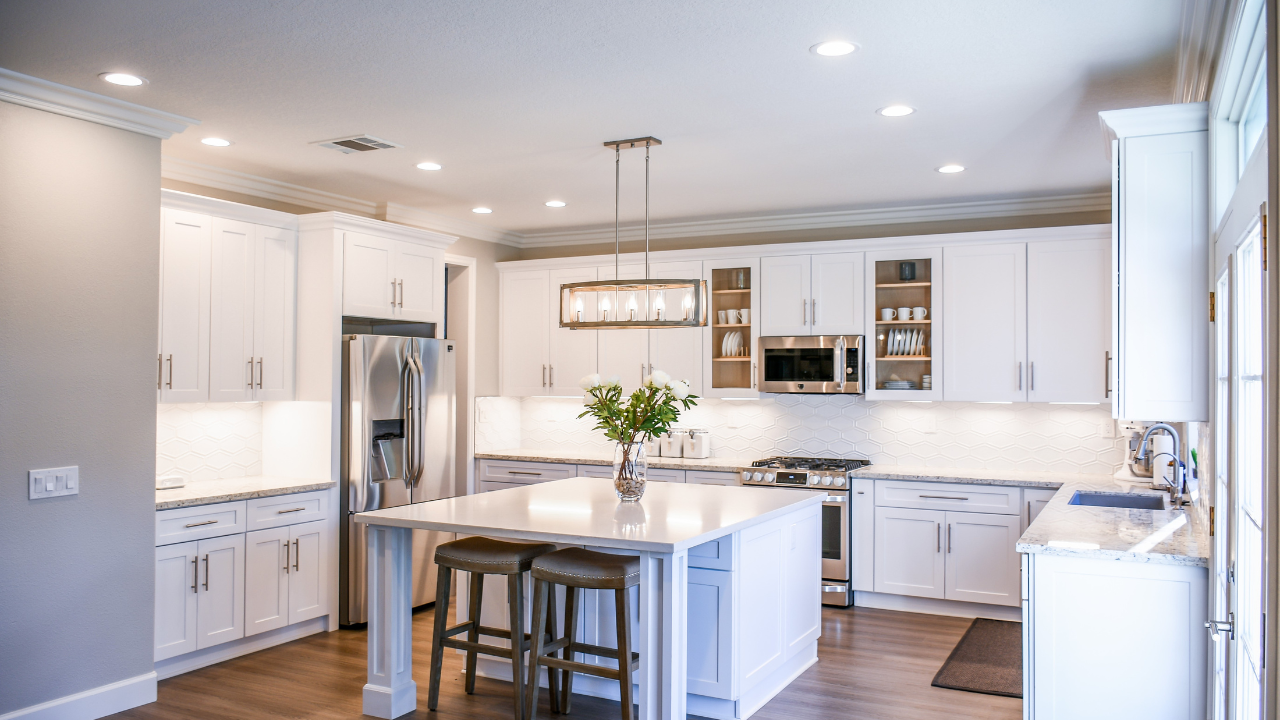
Efficiency is a critical component of any kitchen project. By integrating design principles that enhance workflow—such as placing the sink, stove, and refrigerator within easy reach—you reinforce the value of careful kitchen remodeling planning. Cutting-edge innovations like under-cabinet lighting, smart storage, and energy-efficient appliances not only boost functionality but also drive down energy costs over time. Understanding the balance between aesthetics and functionality is key, and for additional guidance on modern layouts, check out resources on HGTV and NKBA.
Leveraging Expert Advice and Resources for Kitchen Remodeling Planning
Expert insights are indispensable when it comes to narrowing down your project vision. Engaging with industry professionals can reveal practical solutions of which you might not have been aware, ultimately enhancing your kitchen remodeling planning process. Consultation with experienced remodeling contractors provides personalized advice, ensures compliance with local building codes, and explains the nuances of material selection.
Utilizing Industry Expertise and Professional Guidance
One of the best ways to avoid hidden pitfalls is to consult with experts who have a track record in kitchen renovations. Professionals help you scrutinize every detail of the planning process—from permits and inspections to final installations. For a glimpse of what professional guidance entails, you might find value in learning about our expert team and the success stories on our website.
Accessing Online Resources and Design Inspiration
The digital age offers tremendous resources for honing your kitchen remodeling planning. Whether it’s browsing through design blogs, watching video walkthroughs, or using online budgeting tools, taking advantage of digital content can empower you with knowledge and fresh ideas. Websites like Houzz and This Old House are excellent for gathering inspiration and practical advice. They detail trends, benchmarks for costs, and innovative design inspirations that can be tailored to your personal taste.
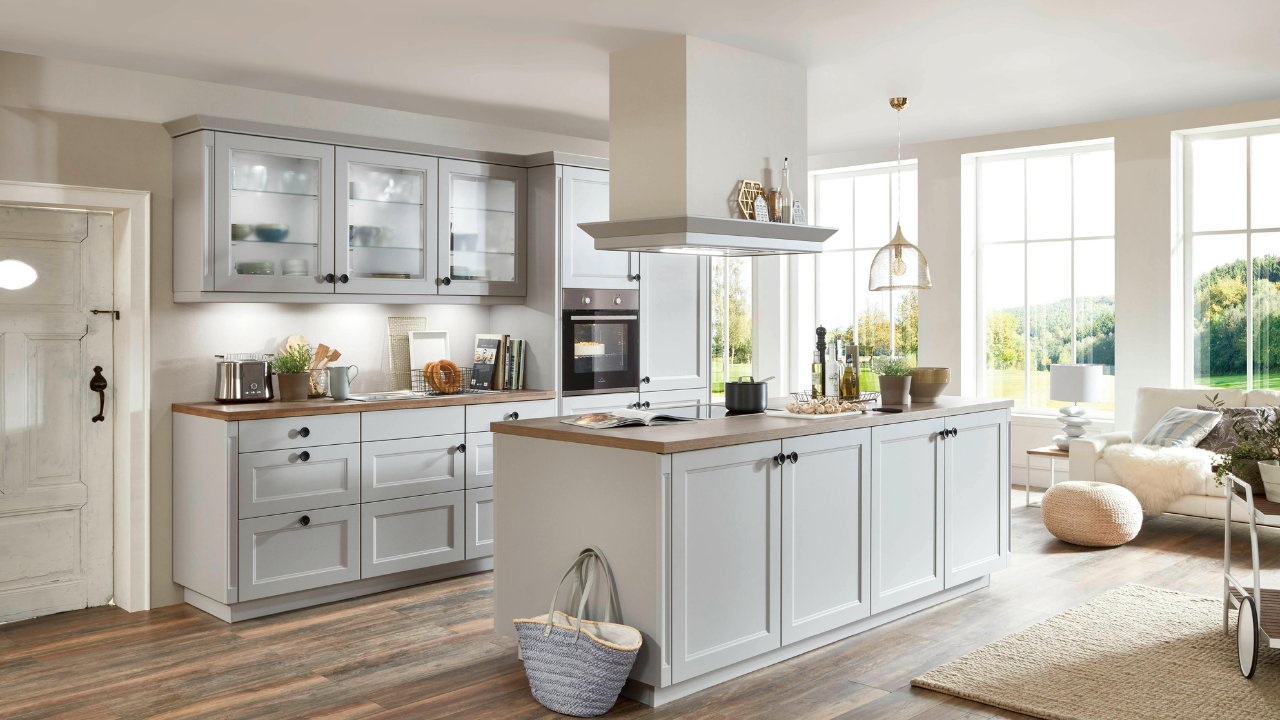
[Suggested Alt Text: Modern kitchen showcasing eco-friendly kitchen remodeling materials and sustainable design]
Proactive Risk Management in Kitchen Remodeling Planning
Even with thorough planning, unpredictable challenges may emerge over the course of a remodel. However, proactive risk management is an integral part of kitchen remodeling planning. Anticipating potential delays, cost overruns, or supply chain issues allows you to develop contingency strategies that keep the project on schedule and budget.
Preparing for Permits, Regulations, and Unexpected Costs
Understanding local building regulations and securing the right permits early in the process is essential for avoiding fines or delays. It’s also wise to include a contingency fund that accounts for unforeseen costs such as structural repairs or updated safety requirements. Research local code requirements on reputable government or industry websites like Remodeling HW and NKBA for comprehensive guidance. This foresight, integrated as part of your kitchen remodeling planning, safeguards against last-minute budgetary shocks.
Coordinating Seamless Contractor and Supplier Communication
The success of your remodeling project largely depends on transparent and frequent communication with contractors and suppliers. Establishing clear milestones, updating project timelines, and reviewing contracts meticulously are all steps that reinforce your planning process. Scheduling regular check-ins and progress updates can unearth issues early, making it easier to implement corrective measures. For more on selecting reliable contractors, you might appreciate insights from our page on what is an ADU contractor.
Innovative Trends Shaping Modern Kitchen Remodeling Planning
The landscape of kitchen remodeling planning is ever-evolving, with new trends and technologies constantly emerging. Staying abreast of these changes can provide you with a competitive edge, ensuring that your remodel not only meets current demands, but is also future-proof. From smart home integrations to eco-friendly materials, innovative trends are influencing both design and function.
Smart Technology Integration in Your Kitchen
Modern kitchens are increasingly incorporating smart appliances, voice-activated lighting, and automated systems that harmonize seamlessly with your lifestyle. Integrating such technology during the planning phase enhances both convenience and the overall efficiency of your remodel. Research the latest offerings on platforms like Houzz or industry-focused publications to ensure your kitchen stays ahead of the curve.
Sustainable Materials and Energy-Efficient Solutions
Today’s remodeling projects prioritize sustainability, using energy-efficient appliances and recycled or renewable materials. Implementing these elements not only helps the environment but also reduces long-term energy costs and adds value to your home. Incorporating these eco-friendly solutions requires careful planning and collaboration with suppliers and contractors. Learn more about sustainable practices in remodeling on California kitchen remodeling tips, where experts discuss balancing sustainability with cost-effectiveness.
Key Takeaways for Kitchen Remodeling Planning
- Start with a clear vision and realistic budget to guide your kitchen remodeling planning.
- Define your project objectives early to ensure design choices align with functional needs.
- Break down expenses into detailed categories, including contingencies for unexpected costs.
- Incorporate expert advice using professional consultations and reliable online resources.
- Plan for risk management by preparing for permits, regulations, and potential delays.
- Employ smart technology and sustainable practices to future-proof your remodeled kitchen.
- Maintain open communication with contractors and suppliers throughout the project.
Frequently Asked Questions About Kitchen Remodeling Planning
How do I start my kitchen remodeling planning process?
Begin by setting clear project objectives and establishing a realistic budget. Research design styles, consult with professionals, and outline essential elements to create a comprehensive plan.
What steps can I take to prevent budget surprises?
Include a contingency fund in your budget, secure detailed estimates from contractors, and address all regulatory requirements early. Regular progress checks also help identify and mitigate emerging issues.
Why is professional consultation important in kitchen remodeling planning?
Expert advice can help refine your design concepts, ensure compliance with local codes, and identify potential pitfalls. This guidance saves time, ensures a smoother process, and maximizes the value of your investment.
How can sustainable practices impact my remodeling project?
Incorporating eco-friendly materials and energy-efficient appliances not only reduces long-term energy costs but also increases the home’s value. Sustainable practices are integral to modern kitchen remodeling planning.
What role does technology play in modern kitchen remodels?
Smart technology enhances convenience, improves energy management, and creates a more interactive cooking space. Integrating these solutions during the planning phase can future-proof your kitchen against evolving trends.