There are some places in every home that need extreme protection. Such as the balcony, staircase and possibly other outdoor spaces. Especially when you reside in an older building, the balconies might not be safe for children, people with disabilities, or the elderly. The barrier that gives protection and safety to a balcony or staircase is called a railing. Besides giving protection, railings add beauty and great worth to the value of your home.
Points to consider while selecting balcony or staircase railings include the following: 1) Safety; 2) Type of material used; and 3) Impact on the overall house appeal.
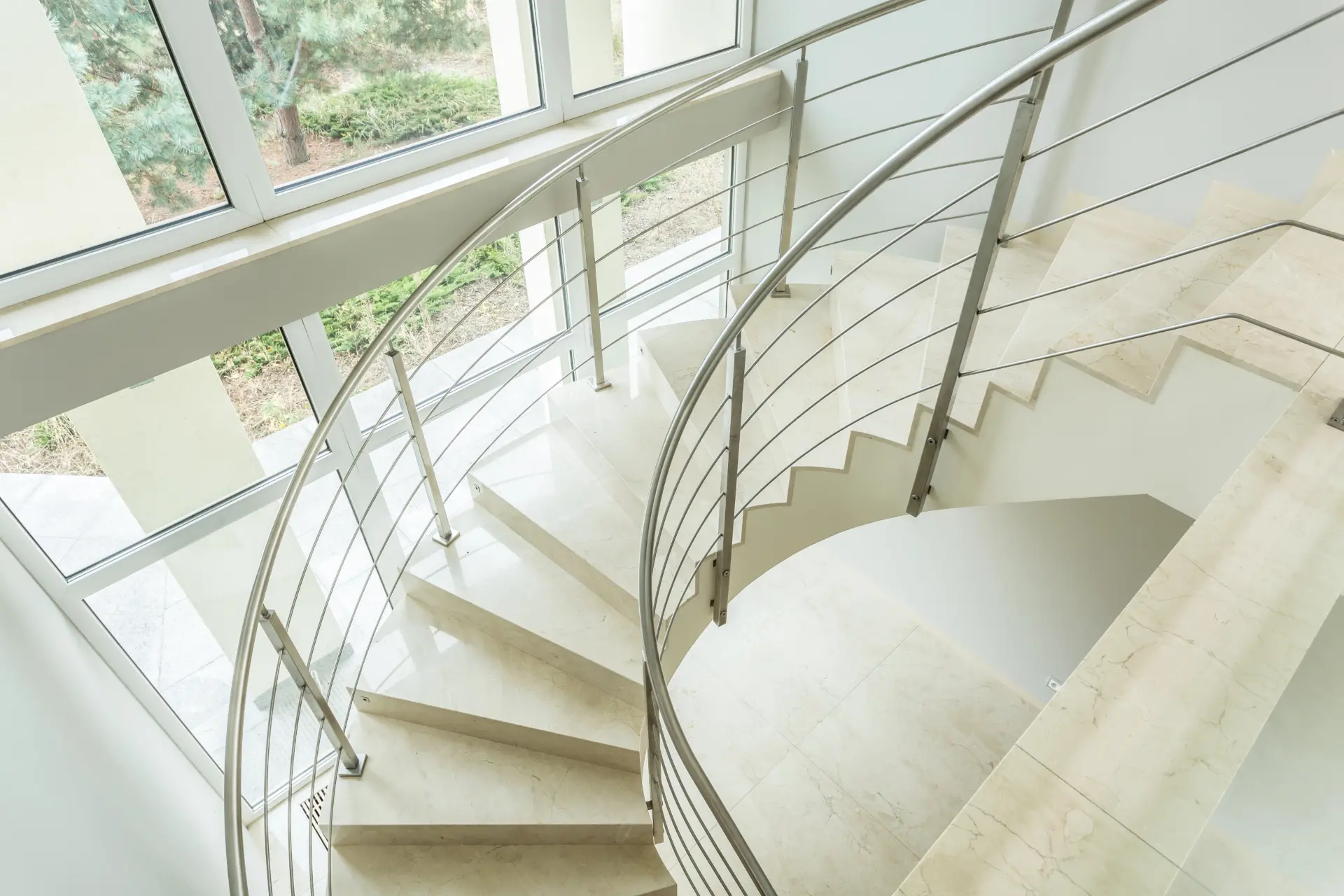
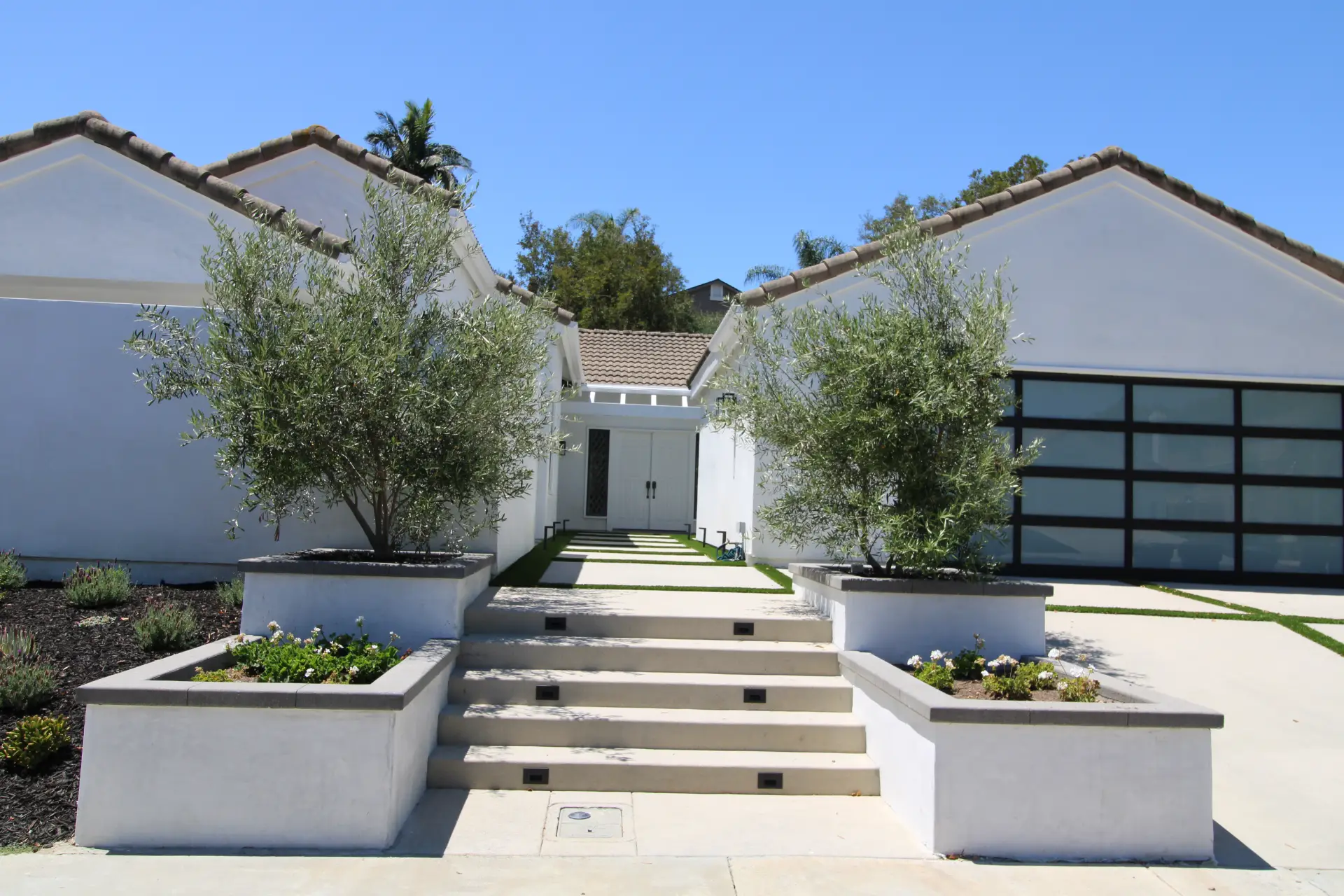
The first important point to consider in staircase and balcony railings is safety. Make sure all of your inside and outside home railings are properly attached to the building and fulfill all the relevant and applicable building codes.
As to the railing materials, the majority of railings are made either from wood or metals like iron. The material which is most commonly used for the construction of a balcony railing is metal. Metal is a commonly used railing material due to the fact that it is a robust substance and strong enough to provide support. Metal railings come in various designs, and the inclusion of a railing with unique or decorative design work will assuredly give your home an elegant look.
As already pointed out, apart from providing safety, balcony railings serve as a tool in improving the visual appearance of a home. Balconies are highly dangerous if there is no installation of railings. Be sure that your home balcony and staircase railings are properly installed by using the construction experts and professionals at Horizon Remodeling, Inc. – https://horizonremodelinginc.com.
They will install safe and beautiful railings in your home to ease your home safety worries.
If you are interested in interior, exterior, staircase, sun deck, or balcony railings for your home contact Horizon Remodeling today at https://horizonremodelinginc.com.

Planning Your Home Railings Project
If you are planning a project like this in Orange County or Los Angeles County, Horizon Construction & Remodeling can help with design, permits and construction through our exterior remodeling services. For more background, see the Contractors State License Board.
What to Know Before Installing or Replacing Home Railings
Choosing and installing home railings involves more than picking a style you like online. After working on railing projects across Fullerton, Anaheim, and other Orange County cities for over 15 years, our team at Horizon Construction and Remodeling, License #938230, has found that homeowners consistently have the same blind spots. Here is what tends to get overlooked and why it matters.
Building Code Compliance Is Not Optional
California's residential building code sets specific requirements for railing height, baluster spacing, load capacity, and attachment methods. These rules exist because a railing that fails under pressure is worse than no railing at all. Before any material is purchased, a licensed contractor should review the site and confirm what your local building department requires. In Fullerton and much of Orange County, a permit is required for most railing installations, and inspections are part of the process. We manage permits directly so our clients do not have to guess at the paperwork.
Material Choice Affects Long-Term Cost
The upfront price of a railing is only part of the equation. Consider the following when comparing materials:
- Wood: Lower initial cost, but requires periodic sealing, staining, or painting to prevent rot and splinter hazards, particularly on exterior applications in Southern California's sun.
- Wrought iron: Durable and attractive, but needs rust-inhibiting coating and occasional touch-ups, especially near the coast.
- Aluminum: Lightweight, rust-resistant, and low-maintenance. A practical choice for many outdoor railings in Orange County.
- Cable and glass systems: Modern and visually open, but require careful hardware maintenance and professional tensioning to stay code-compliant over time.
Design Should Match the Structure and the Neighborhood
Home railings work best when they complement the existing architecture rather than fight it. A craftsman bungalow in Fullerton calls for a different look than a contemporary home in Irvine. We walk clients through design options that fit both the home's style and the practical demands of the space, whether that is an interior staircase, a second-floor balcony, or an exterior deck. Getting that fit right the first time avoids costly changes later.
Installation Quality Determines How Long Railings Last
A railing is only as strong as its connection points. Poor anchoring into wood framing, concrete, or masonry is the most common cause of railing failure we see when evaluating existing installations. Our team uses a single-crew model from design through the final walkthrough, meaning the people who plan the project are the same people who build it. That continuity reduces errors and ensures the finished installation holds up under real-world use.
Frequently Asked Questions About Home Railings
What is the minimum height required for home railings in California?
California's Building Code generally requires guardrails to be at least 42 inches high on decks and balconies more than 30 inches above the floor or grade. For staircase handrails, the required height is between 34 and 38 inches measured vertically from the stair nosing. Always confirm current requirements with your local building department before starting a project.
How do I know if my existing railings are up to code?
A licensed contractor can inspect your railings for structural integrity, correct height, proper baluster spacing, and secure attachment to the structure. In California, balusters must be spaced so a 4-inch sphere cannot pass through, which prevents small children from getting stuck or falling. If your home was built before modern code updates, there is a reasonable chance your existing railings need attention.
What railing material lasts longest outdoors in Southern California?
Powder-coated steel and aluminum are popular choices for outdoor use in Southern California because they resist the sun, coastal humidity, and temperature swings better than untreated wood. Stainless steel cable systems are also durable and low-maintenance while offering a clean, modern look. Wood can work outdoors but requires regular sealing and inspection to prevent rot and splintering.
Can I replace just part of a railing, or do I need to replace the whole system?
In many cases you can replace damaged sections, but the new section must meet current code even if the rest of the railing pre-dates those requirements. A contractor will assess whether a partial repair is structurally sound or whether a full replacement is the safer and more cost-effective choice. Mixing old and new materials can sometimes create weak points, so professional evaluation matters here.
Do I need a permit to install or replace railings in Fullerton or Orange County?
Generally yes, especially when railings are attached to a structure or when the work involves a deck or balcony. The City of Fullerton and most Orange County jurisdictions require a building permit for railing installation to ensure the work meets current safety codes. Horizon Construction and Remodeling, License #938230, handles permit coordination as part of every project so homeowners do not have to navigate that process alone.
How much do home railings typically cost to install?
Costs vary considerably based on material, linear footage, design complexity, and site conditions. Simple wood handrails on interior stairs are generally the most affordable option, while custom wrought iron or cable systems on exterior decks sit at the higher end of the range. Getting a detailed, itemized estimate from a licensed contractor is the best way to understand the full scope and avoid surprises.
Related Services
Contact Horizon Construction and Remodeling today for a free estimate on your home railings project in Orange County or Los Angeles County. Call (714) 449-9035.