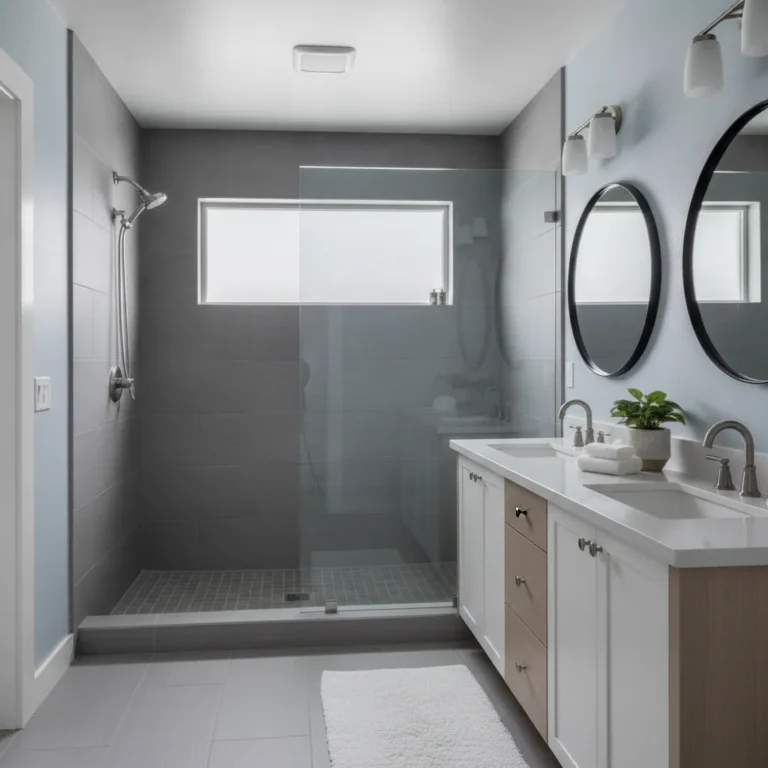
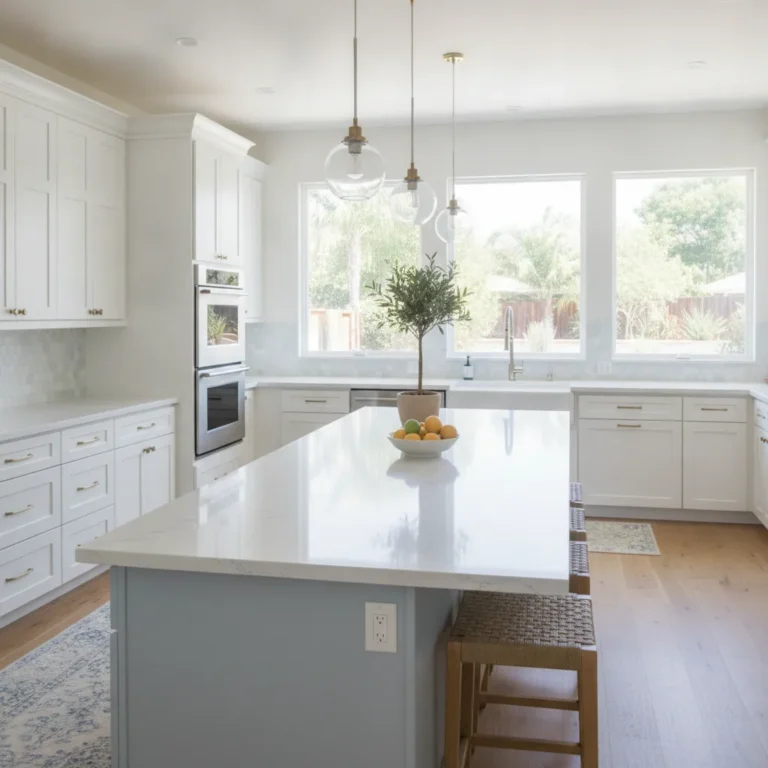
Wall accents refer to decorative elements or features that are added to a wall to enhance its visual appeal. These can take various forms and serve different aesthetic purposes. Some common types of wall accents include:
Artwork: Paintings, prints, sculptures, or other artistic pieces can be hung on walls to add color, texture, and visual interest.
Wall Decals: These are stickers or decals that adhere to the wall and come in various designs, patterns, and shapes. They can be easily applied and removed, making them a versatile option.
Wall Murals: Large-scale images or scenes that cover an entire wall, creating a dramatic focal point in a room.
Textured Wall Coverings: Materials like wood paneling, reclaimed barn wood, or 3D wall panels that add texture and depth to a wall.
Shelves and Wall Niches: Installing shelves or built-in wall niches allows you to display decorative items, books, or other objects, adding both function and style to a space.
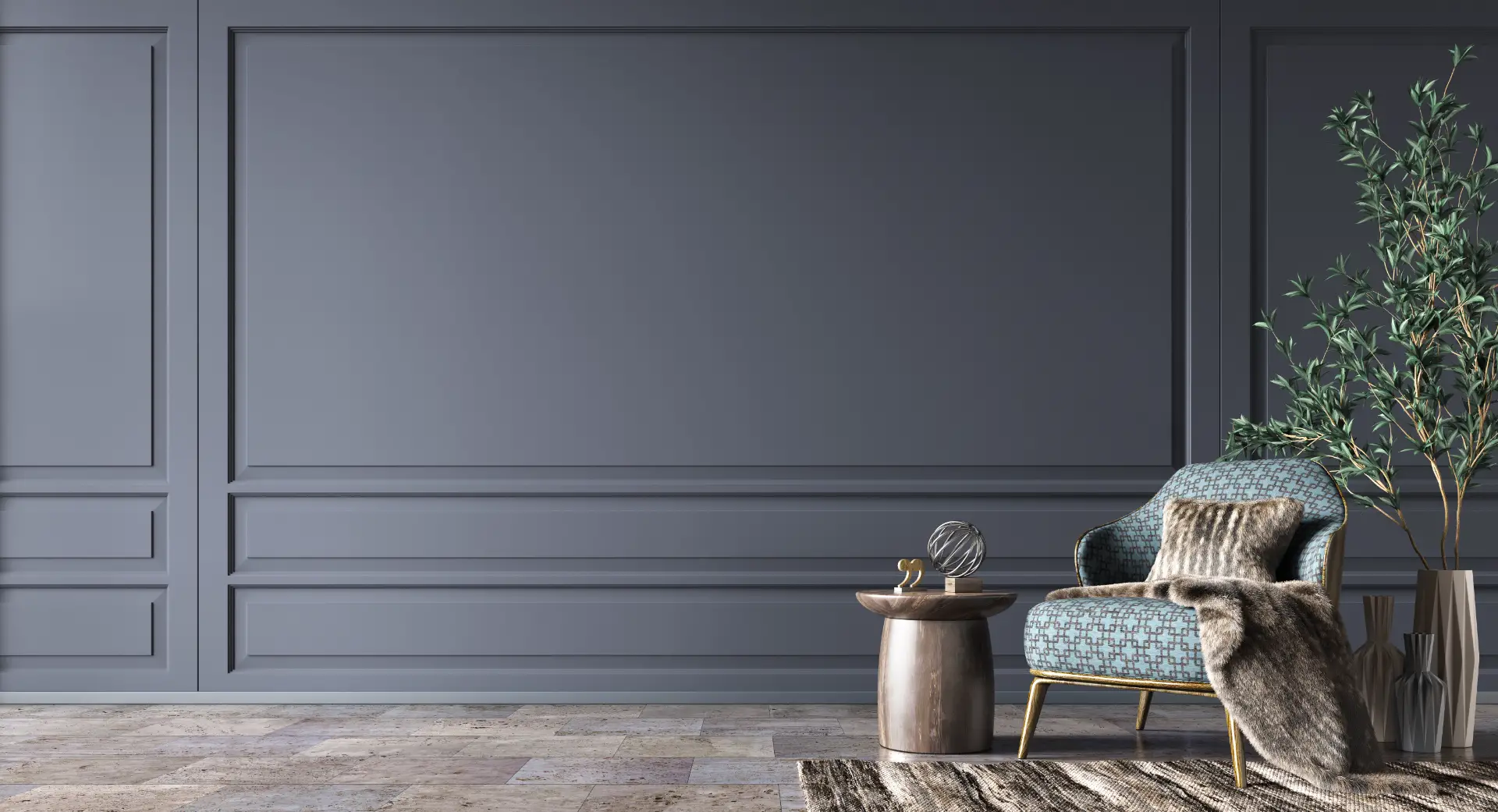
Wainscoting and Paneling: Wooden paneling applied to the lower part of a wall, often used for decorative purposes and to protect the wall from damage.
Mirrors: Mirrors not only serve a functional purpose but can also make a space feel larger and brighter. They come in various shapes and sizes to suit different design preferences.
Accent Paint or Wallpaper: Choosing a bold color or unique wallpaper for one wall (an accent wall) can be a simple yet effective way to add visual interest to a room.
Tapestry and Fabric Hangings: Hanging textiles on the wall, such as tapestries or fabric panels, can add warmth and texture to a space.
Lighting Fixtures: Wall-mounted lights, sconces, or other lighting fixtures can serve as both functional and decorative elements on a wall.
When selecting wall accents, it’s essential to consider the overall design and color scheme of the room to ensure a cohesive and harmonious look. The choice of wall accents can significantly impact the atmosphere and style of a space.
Planning Your Wall Accents Project
If you are planning a project like this in Orange County or Los Angeles County, Horizon Construction & Remodeling can help with design, permits and construction through our interior remodeling services. For more background, see the U.S. Department of Energy guide to efficient remodeling.
How to Plan Wall Accents That Actually Work in Your Home
Choosing wall accents is easy. Getting them to look intentional and cohesive once installed is where most homeowners run into trouble. After working on interior remodeling projects across Orange County and Los Angeles for over 15 years, our team at Horizon Construction & Remodeling has seen the same planning gaps come up repeatedly. The section below covers what to think through before you buy a single panel or pick up a paintbrush.
Start With the Wall Itself
Before selecting any material or finish, assess the condition of the wall surface. Drywall that has moisture damage, settlement cracks, or uneven texture will show through most wall accents, especially smooth paneling and wallpaper. Repairing the substrate first is not optional. It is the step that separates a finished result from one that looks like a weekend project.
Think About Scale and Proportion
A common mistake is selecting accent elements that are the wrong size for the wall. A small piece of art centered on a large blank wall looks lost. A wide wood panel feature on a narrow wall between two doorways looks crowded. Measure the wall carefully and sketch the layout to scale before ordering materials.
Coordinate With Existing Architecture
Your home already has a visual language defined by its trim profiles, ceiling height, floor material, and existing molding. Wall accents that ignore those details tend to feel added on rather than designed in. For example, adding a modern slatted wood panel accent to a room with traditional crown molding and raised-panel doors creates a conflict that is hard to fix without changing one or the other.
Materials That Hold Up in Southern California Conditions
- MDF paneling: Affordable and paintable, but vulnerable to moisture. Avoid it in bathrooms or any wall that runs along an exterior in a humid microclimate.
- Real wood or wood veneer: More durable and takes stain well. It moves slightly with seasonal temperature changes, which is normal in California homes.
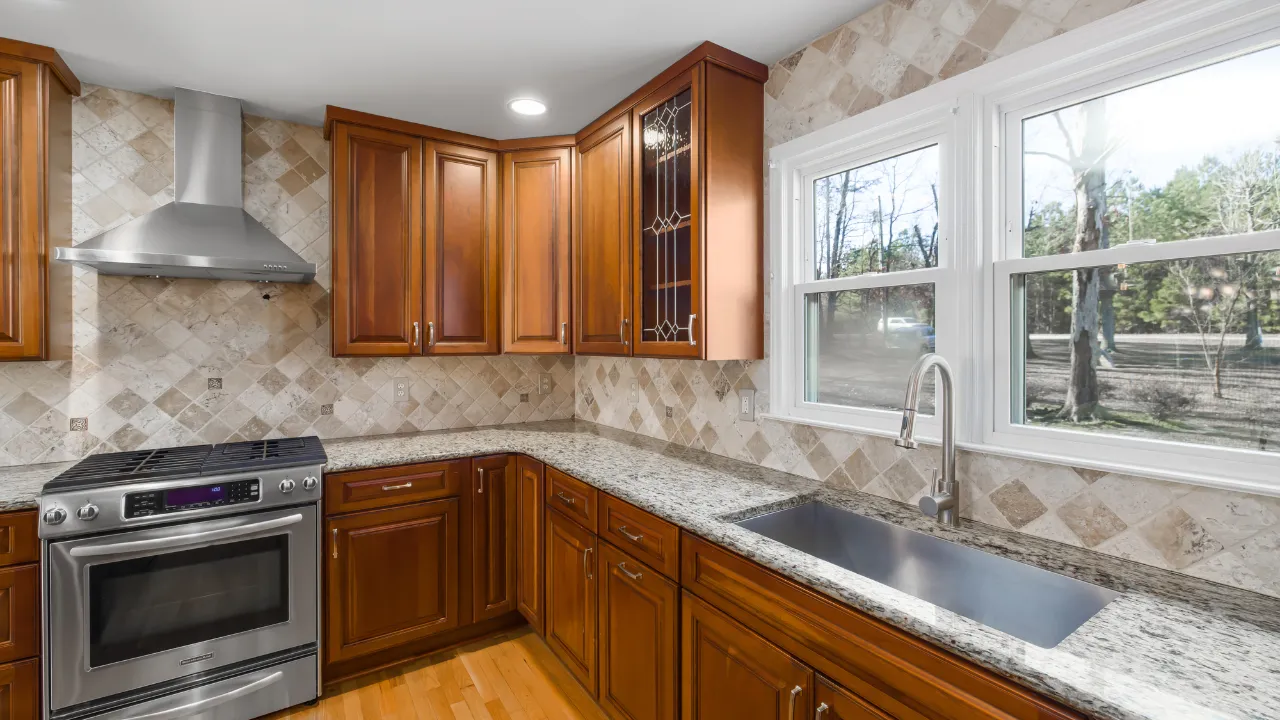
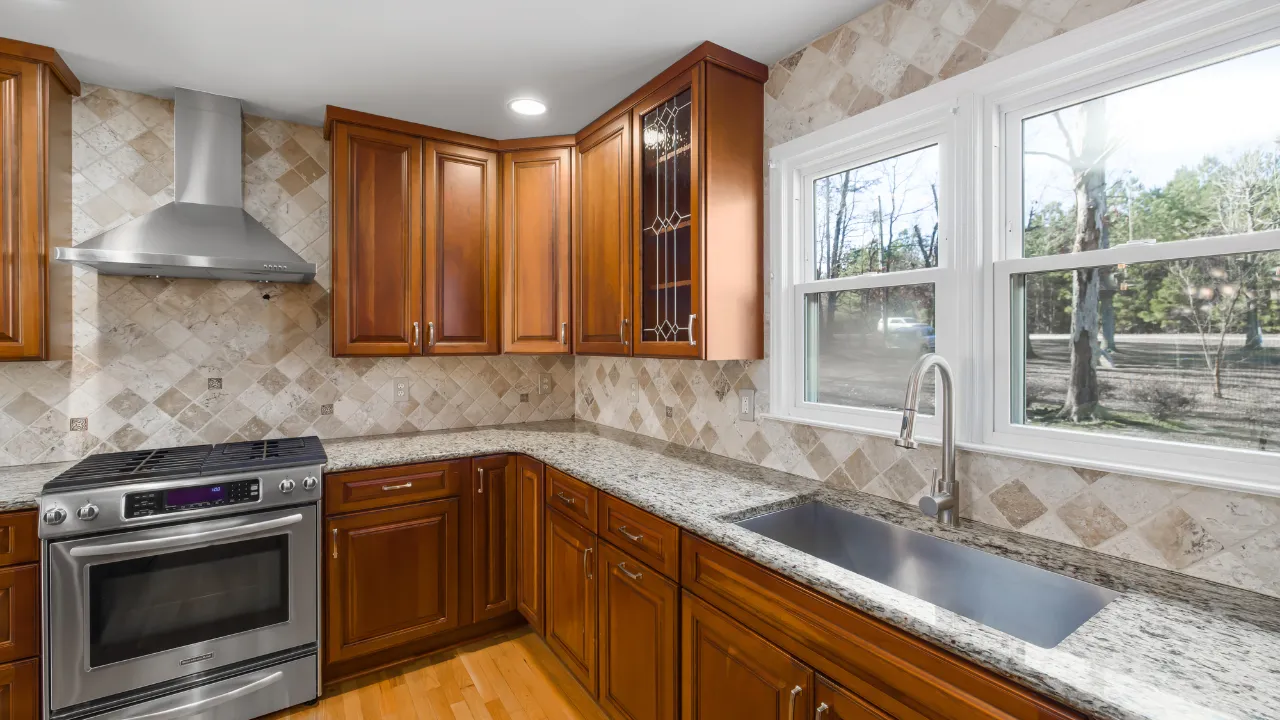
- Tile or stone: Excellent for kitchen and bathroom wall accents. Requires proper substrate preparation and, in some cases, a permit if the work involves plumbing or structural changes nearby.
- Wallpaper and wall murals: Modern peel-and-stick options have improved significantly, but professionally hung traditional wallpaper still provides a cleaner, longer-lasting result on textured California drywall.
Planning wall accents with the full picture in mind, surface condition, scale, architectural context, and material performance, is what turns a simple update into something that holds up and adds real value. Our team handles this process from initial design conversation through final installation, with one crew from start to finish rather than multiple subcontractors. CSLB License #938230 (verify active status).
Related Services
Contact Horizon Construction & Remodeling today for a free estimate on your wall accents or interior remodeling project in Orange County or Los Angeles County. Call (714) 449-9035.