
General Contractor in Rolling Hills Estates
Any Rolling Hills Estates project that touches structural work, pulls a permit, and brings in more than one trade needs a licensed general contractor coordinating the job. Ranch land on the north side of the Palos Verdes Peninsula was subdivided into large residential lots after the city incorporated in 1957, and those generous lot sizes still give most homeowners room to expand a kitchen or family room outward rather than up. Doing that right means framing, plumbing, electrical, and finishes managed together, not separately. Horizon Construction and Remodeling is a California Class B general building contractor, and we carry the permit, the trades, and the inspections from the first drawing through final sign-off.
Services We Offer
Room Additions & ADUs
Whole Home Remodels
New Construction


About Working with a General Contractor in Rolling Hills Estates
How We Manage Your Project in Rolling Hills Estates
Working with a general contractor in Rolling Hills Estates begins with a site visit and a written scope of work, followed by in-house drawings and, where the project calls for it, a licensed structural engineer or energy consultant. Because most homes here sit on large lots carved out after the city incorporated in 1957, there is often room to push a kitchen or family room outward at grade rather than adding a second story, and we plan accordingly. We write a home improvement contract that spells out the work, payment schedule, and start and completion dates, then handle plan preparation, respond to plan-check comments from the City of Rolling Hills Estates Building and Safety Division, and pull the permit under our license.
Once construction starts, one project manager sequences demolition, framing, and all subcontracted trade work in the right order, orders materials ahead of need, and calls for each required inspection. All fixture and finish selections are confirmed before any crew arrives, so no decision mid-project delays the schedule. Every change you request receives a written change order showing its effect on cost and schedule before the work proceeds. At the end we close out the permit, collect lien releases, and walk the finished project with you.
Read More →
Submitting plans to the City of Rolling Hills Estates Building and Safety Division is a routine part of any remodel or addition we manage here, but the permit process carries local weight that goes beyond a standard residential review. Rolling Hills Estates has worked deliberately to preserve its semi-rural, equestrian character, and that intention shows up in the rules. The city maintains roughly 25 miles of bridle paths, publishes horsekeeping practices, and keeps a standing Equestrian Committee active. On a large residential lot near the Rolling Hills Country Club or the streets around the Chadwick School area, what you can build and where you can build it is shaped by more than basic setbacks and zoning envelopes. We account for those site-specific constraints before a contract is signed, not after a plan check comes back with comments.
The licensing question matters on any multi-trade project, and it is worth understanding what the classifications actually mean before you hire anyone. A California Class B general building contractor license covers work that draws on at least two unrelated building trades, or any project involving framing or carpentry on a structure where people live or work. A specialty licensee, a C-10 electrician or a C-36 plumber for example, can do skilled work within a single trade but cannot legally act as the prime contractor on a remodel that crosses trade lines. Before signing a contract with any general contractor in Rolling Hills Estates, look up the license number directly on the Contractors State License Board website. Confirm the license is active, held in the correct classification, and listed in the company’s legal name. The record will also show whether a bond and workers’ compensation coverage are currently on file.
California Business and Professions Code 7159 governs home improvement contracts, and the requirements are specific. The contract must be in writing and include a clear description of the work, a payment schedule tied to actual progress rather than calendar dates, approximate start and completion dates, and required consumer notices, including your right to cancel under certain circumstances. Business and Professions Code 7159.5 caps the down payment a contractor may collect and prohibits progress payments that run ahead of the work completed. A contractor who pushes for a large sum up front before work begins is signaling something worth taking seriously.
Two additional matters come up on most jobs and are worth knowing in advance. Subcontractors and material suppliers who go unpaid can record a mechanics lien against your property even if you paid the general contractor in full, which is why preliminary notices often arrive during a project. Collecting signed lien releases as each payment goes out is the standard protection. Separately, any work that disturbs painted surfaces in a home built before 1978 falls under the EPA Renovation, Repair and Painting rule, which requires the firm performing that work to hold current EPA Lead-Safe Firm certification. Given that most Rolling Hills Estates housing dates to the post-1957 buildout period, many homes sit close enough to that threshold that the question is worth raising at the start of your consultation.
Other Remodeling Services We Offer
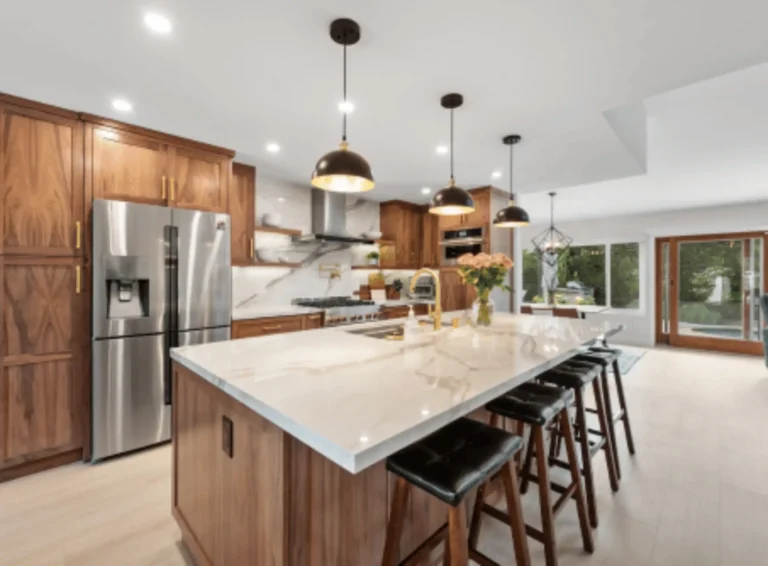
A kitchen remodel touches more trades than any other room in the house: layout, cabinetry, plumbing, electrical, ventilation and finishes. Horizon designs and builds kitchen remodels under one contract, from the measured layout to the final inspection.
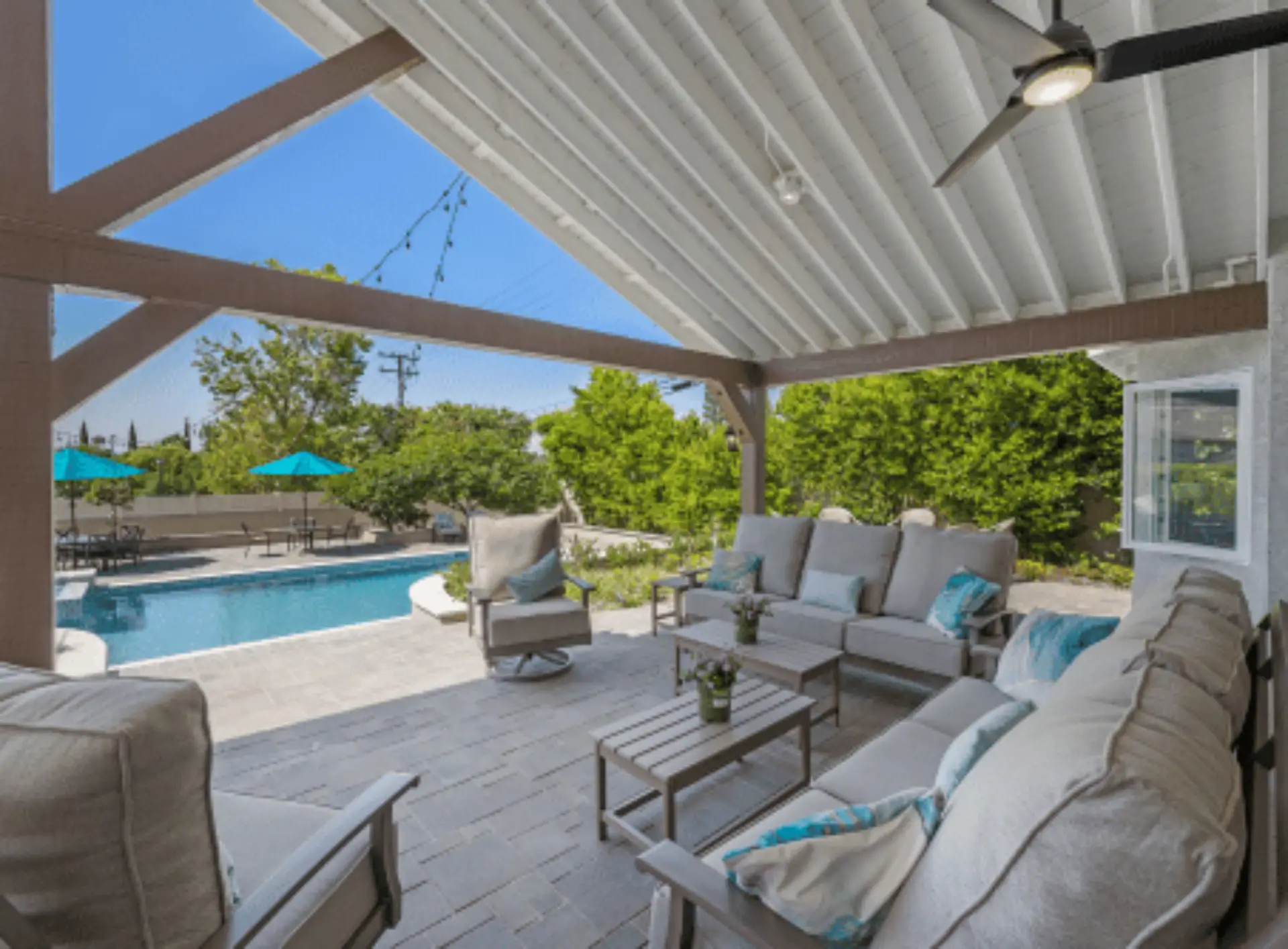
Whether you envision a classic Southern California pool or a fully customized backyard oasis, Horizon Construction & Remodeling delivers the highest level of quality and service. Our comprehensive pool design and remodeling services cover everything from layout and decking to built-in BBQs and final touches like landscaping. Let Horizon be your trusted partner in transforming your backyard into the perfect outdoor retreat.

If you are planning a complete bathroom remodel or simply want to change your tub, shower, update your plumbing fixtures, or make the space more efficient, our team at Horizon will help you through the process with expert advice, professional craftsmanship, and affordable options with beautiful results. Learn more about our bathroom remodeling services.
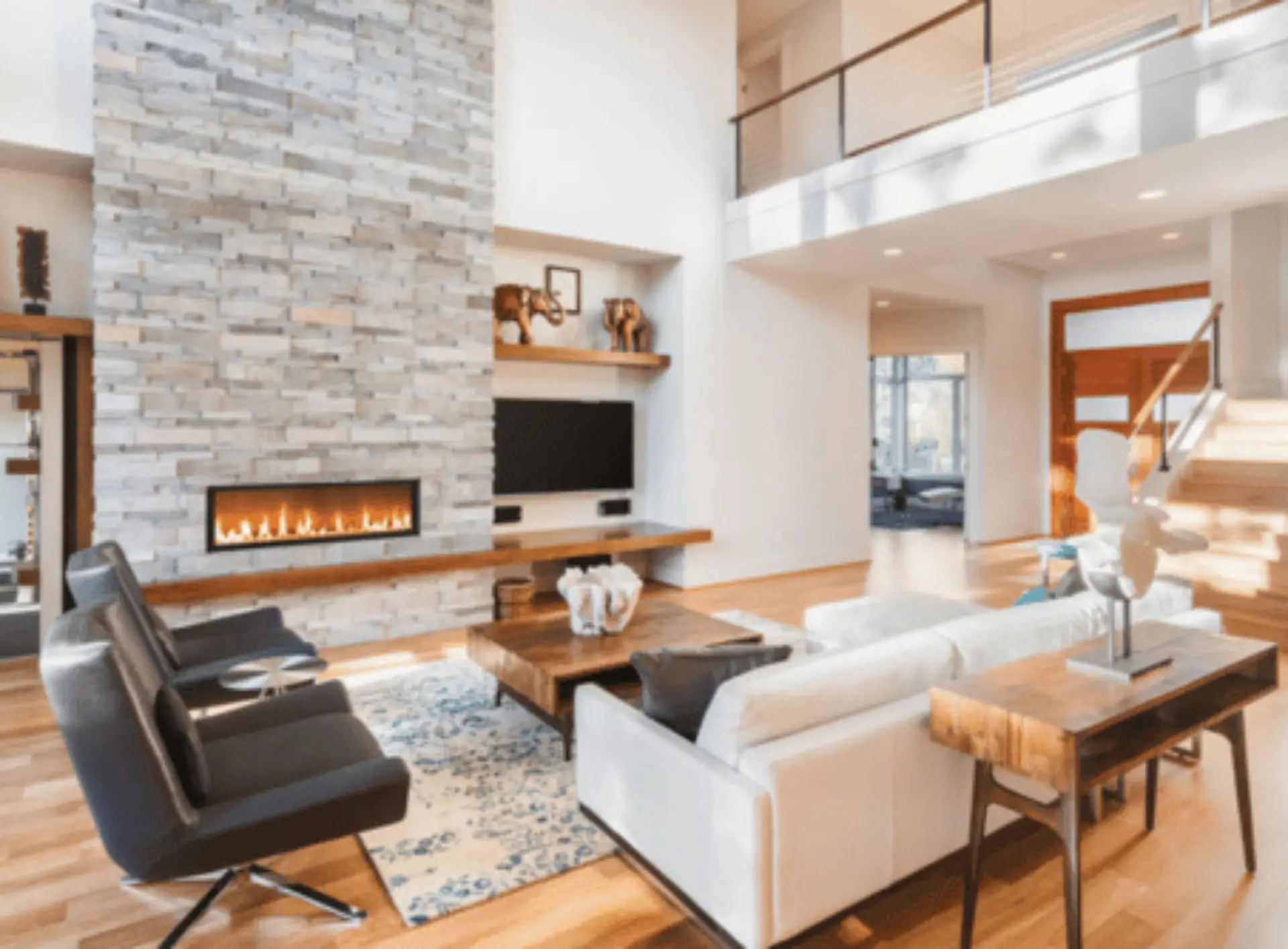
Transform your space with our expert interior work services. We offer a comprehensive range of solutions — from space planning and custom design to the selection of high-quality finishes and materials. Our team of experienced professionals works closely with you to create a space that’s both functional and stylish, tailored to your unique needs, goals, and budget. Whether you’re updating a single room or overhauling your entire interior, we bring precision, creativity, and craftsmanship to every project.
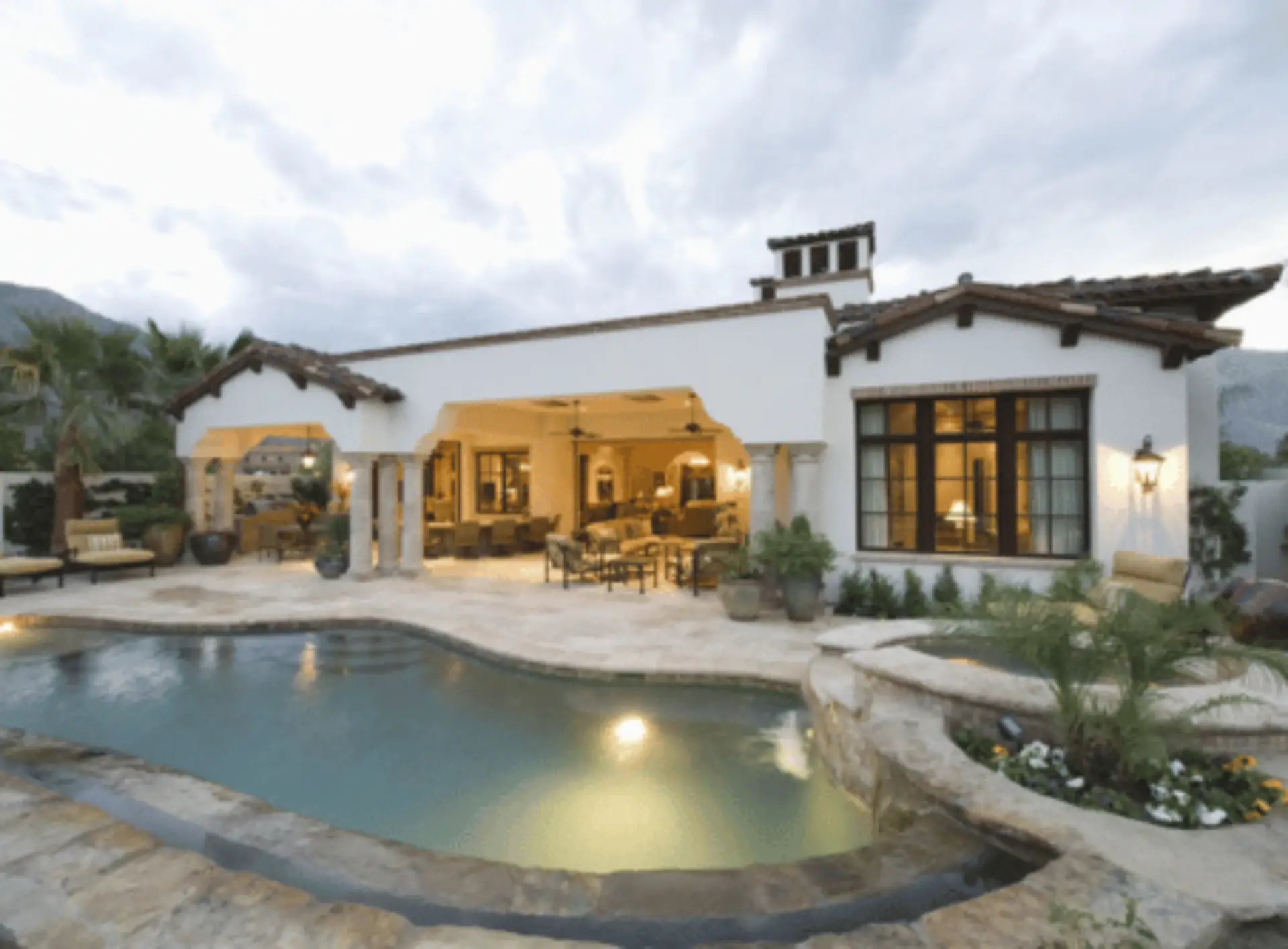
At Horizon, we believe your home is more than just four walls — it’s where life happens. It’s the place you relax, gather with family and friends, and create lasting memories. That’s why we offer a full range of exterior work services designed to elevate your outdoor living space. From patios and hardscaping to custom decks and exterior renovations, we help turn your vision into a dream yard that complements your lifestyle and enhances curb appeal.

At Horizon Construction & Remodeling, our expert team includes a dedicated design and planning division that works hand-in-hand with licensed architects and structural engineers. We take care of everything — from detailed plans and blueprints to securing city permits — so you don’t have to deal with delays or red tape. Our goal is to streamline the process and provide a fully approved set of documents that aligns with both your vision and city regulations, saving you time and stress.
Why Choose Horizon Remodeling For General Contractor in Rolling Hills Estates
Horizon has held a California Class B General Building license since 2009, which means we have been doing this work for over 15 years. We are licensed and bonded, and the license number on your contract is the same one used to pull permits through the City of Rolling Hills Estates Building and Safety Division. There are no separate entities or subcontracted license holders managing that paperwork on your behalf.
We work under a design-build model, so drawings, engineering coordination, permitting, and construction are handled under a single contract with one project manager accountable from start to finish. That structure matters on the kinds of projects a general contractor is built for: whole-home remodels, room additions, ADUs, structural work, and new construction, where a missed handoff between trades translates directly into lost time and added cost.
Rolling Hills Estates lots tend to be generous, a byproduct of the large-lot subdivisions platted after the city incorporated in 1957, and that often makes a ground-floor addition a practical option rather than a last resort. The city’s equestrian character also shapes what is possible on a given parcel, so we factor those considerations into scope discussions early rather than discovering conflicts mid-permit.
Schedule a Consultation
General Contractor FAQ
Do I need a general contractor for my project in Rolling Hills Estates?
For any project that requires a building permit, involves two or more unrelated trades, or touches framing, California generally requires a licensed contractor holding the right classification. A multi-trade job calls for a Class B general building contractor. Homeowners can take the owner-builder route on their own residence, but that puts scheduling, inspections, and potential employer obligations on their plate. In Rolling Hills Estates, where large lots and equestrian easements add layers beyond standard setbacks, most owners find that managing all of that alongside a remodel or addition becomes a full-time job on its own.
Who pulls the permit, and who deals with the inspector?
Yes, Horizon pulls permits directly under our license through the City of Rolling Hills Estates Building and Safety Division, and we carry that responsibility through every inspection stage, from foundation and framing to rough mechanical work and final sign-off. If an inspector flags anything, we handle the correction and schedule the re-inspection ourselves. We also close out the permit on record with the city, which protects you when you refinance or sell a home in this community.
How long does a general contractor project take?
Project timelines vary by scope and by the building department handling your permit. For homes in Rolling Hills Estates, design and engineering on a larger remodel or addition often take several weeks to a few months, and plan check with the City of Rolling Hills Estates Building and Safety Division can add several more weeks depending on workload and any correction rounds. A single-room remodel may run several weeks in construction, while a whole-home remodel, addition, or new build typically takes many months. Once your scope is defined, we give you a realistic schedule.
What drives the cost of a general contractor project?
Scope and structure are the biggest cost drivers in any general contracting project in Rolling Hills Estates. Adding square footage or reconfiguring a roofline brings in engineering, framing work, and additional inspections through the City of Rolling Hills Estates Building and Safety Division. Updating older electrical service, replacing plumbing, or meeting current Title 24 energy standards adds to the overall workload. On the large lots common here, site conditions including soil, slope, and access also factor in, as do your finish selections. Changes made after construction begins are the most avoidable expense, so we lock in every selection before the build starts.
How much can a contractor ask for up front?
California law caps how much a contractor can collect upfront on a home improvement contract, and after that initial payment, what you owe should track the work actually completed on your property. A contract that demands a large share of the total before a single wall moves is a warning sign worth taking seriously. In Rolling Hills Estates, where large-lot homes around Rolling Hills Country Club or the Chadwick School area often involve phased remodels tied to city building and safety approvals, a clearly staged payment schedule matters. Our contracts follow the statute, tie each payment to a defined stage of completed work, and include every consumer notice the law requires.
Do you use subcontractors?
Yes, like nearly every general contractor, we use licensed specialty subcontractors for certain trades, and they work on our schedule and under our direct supervision. We take responsibility for their work, pay suppliers and subs on time, and provide lien releases as payments go out, so a preliminary notice from a supplier stays routine paperwork rather than a concern. In Rolling Hills Estates, where lot conditions and equestrian easements can add layers to any project, having one project manager coordinate every trade makes a real difference.
Explore More in Rolling Hills Estates
Horizon is a licensed Class B general building contractor serving Rolling Hills Estates and the surrounding Los Angeles County communities.
Other Services in Rolling Hills Estates
General Contractor Nearby
More General Contractor Service Areas Near Rolling Hills Estates
View Our General Contractor Areas of Service
- General Contractor in Agoura Hills
- General Contractor in Alhambra
- General Contractor in Arcadia
- General Contractor in Artesia
- General Contractor in Azusa
- General Contractor in Baldwin Park
- General Contractor in Bell
- General Contractor in Bell Gardens
- General Contractor in Bellflower
- General Contractor in Calabasas
- General Contractor in Carson
- General Contractor in Cerritos
- General Contractor in Claremont
- General Contractor in Commerce
- General Contractor in Compton
- General Contractor in Covina
- General Contractor in Cudahy
- General Contractor in Culver City
- General Contractor in Diamond Bar
- General Contractor in Downey
- General Contractor in Duarte
- General Contractor in El Monte
- General Contractor in El Segundo
- General Contractor in Gardena
- General Contractor in Glendale
- General Contractor in Glendora
- General Contractor in Hawaiian Gardens
- General Contractor in Hawthorne
- General Contractor in Hermosa Beach
- General Contractor in Huntington Park
- General Contractor in Inglewood
- General Contractor in La Cañada Flintridge
- General Contractor in La Habra Heights
- General Contractor in La Mirada
- General Contractor in La Puente
- General Contractor in La Verne
- General Contractor in Lakewood
- General Contractor in Lancaster
- General Contractor in Lawndale
- General Contractor in Lomita
- General Contractor in Long Beach
- General Contractor in Los Angeles
- General Contractor in Lynwood
- General Contractor in Manhattan Beach
- General Contractor in Maywood
- General Contractor in Monrovia
- General Contractor in Montebello
- General Contractor in Monterey Park
- General Contractor in Norwalk
- General Contractor in Palmdale
- General Contractor in Palos Verdes Estates
- General Contractor in Paramount
- General Contractor in Pasadena
- General Contractor in Pico Rivera
- General Contractor in Pomona
- General Contractor in Rancho Palos Verdes
- General Contractor in Redondo Beach
- General Contractor in Rosemead
- General Contractor in San Dimas
- General Contractor in San Fernando
- General Contractor in San Gabriel
- General Contractor in San Marino
- General Contractor in Santa Fe Springs
- General Contractor in Santa Monica
- General Contractor in Sierra Madre
- General Contractor in Signal Hill
- General Contractor in South El Monte
- General Contractor in South Gate
- General Contractor in South Pasadena
- General Contractor in Temple City
- General Contractor in Torrance
- General Contractor in Walnut
- General Contractor in West Covina
- General Contractor in West Hollywood
- General Contractor in Whittier