With the rising costs of living and a growing need for additional space, California homeowners are increasingly turning to Accessory Dwelling Units (ADUs) as a smart investment. These versatile structures provide a range of benefits, from generating rental income to accommodating family members. If you’re considering maximizing your property’s potential, understanding the advantages of ADU construction can help you make an informed decision that enhances both your home’s value and your lifestyle.
The Legislative Landscape Fueling ADU Growth
Key State Laws and Policies Accelerating Construction
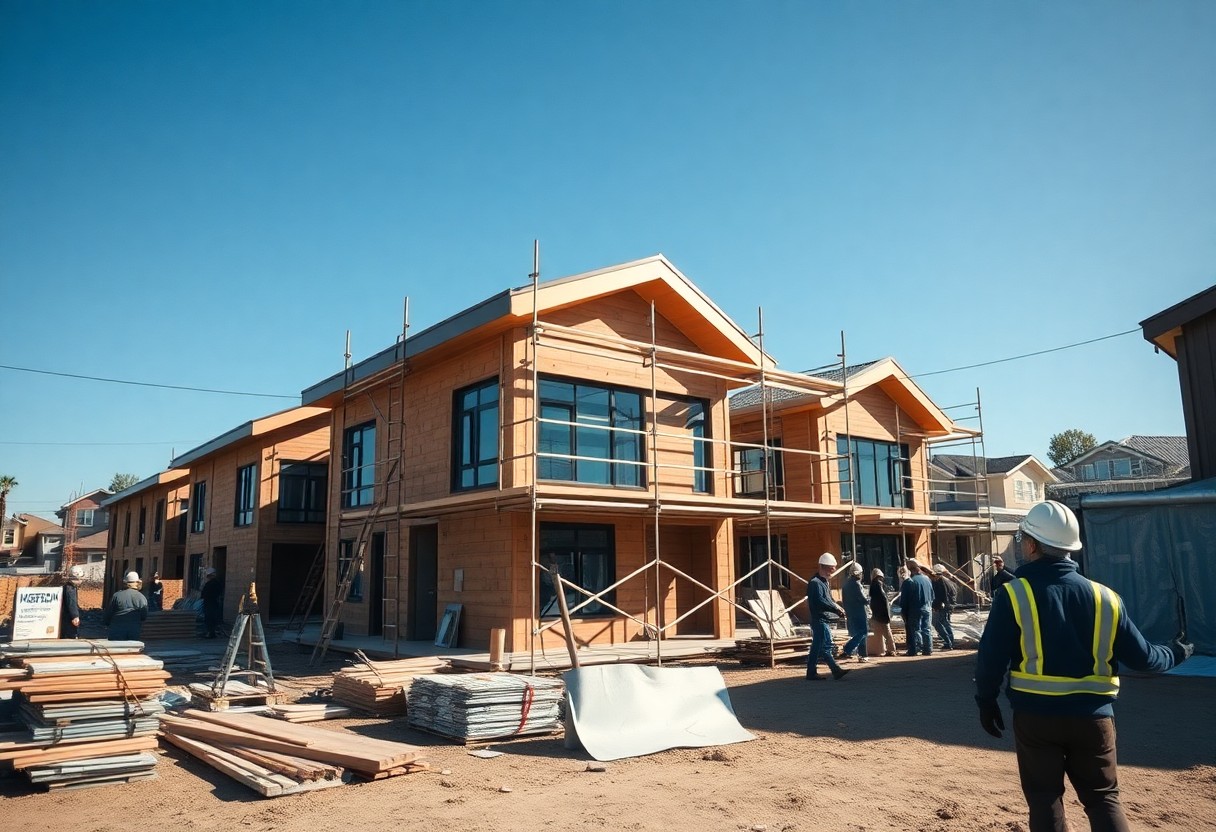
California’s legislative framework plays a significant role in promoting ADU development. Recent laws, such as SB 1069 and AB 2299, streamline approval processes and reduce barriers for homeowners. These policies enable quicker permitting, ensure ADUs adhere to building codes, and protect homeowners from undue local restrictions. As a result, you can capitalize on the increased opportunities for building an accessory dwelling unit, turning it into a functional space for family or rental income.
Local Zoning Changes Transforming Property Potential
Many California cities have transformed their zoning codes to facilitate ADU construction. For example, cities like Los Angeles and San Diego have relaxed regulations on parking and lot size, allowing more homeowners to add ADUs to their properties. You can now explore options previously unavailable, boosting your property’s potential and investment value.
Local jurisdictions are increasingly recognizing the dual benefit of ADUs: increased housing supply and enhanced property value. With the elimination of minimum lot size requirements and adjusted parking mandates, homeowners can maximize their land and create new revenue streams. In areas once limited by stringent zoning laws, you now have the opportunity to transform your backyard, garage, or other underutilized spaces into valuable ADUs. Whether you’re considering a rental unit or a guest suite, these zoning changes provide the flexibility to meet your needs and contribute to your community’s housing solutions.

The Financial Advantage of ADUs: A Smart Investment
Enhancing Property Value Through ADU Addition
Adding an ADU can significantly increase your property’s value. According to a study from the California Department of Housing and Community Development, homes with ADUs can see a value increase of up to 25%. This enhancement not only makes your property more appealing to potential buyers but also positions you better in a competitive real estate market.
Rental Income as a Revenue Stream
Creating an ADU opens the door to generating rental income, a smart strategy for homeowners looking to offset mortgage costs or increase their overall property earnings. Depending on your location and the size of your ADU, you could earn anywhere from $1,500 to $3,000 per month. This income can transform your financial landscape, making it easier to manage expenses and invest in other opportunities.
For instance, if you live in a desirable neighborhood where short-term rentals are permitted, you could capitalize on platforms like Airbnb or VRBO. Many homeowners report seeing a remarkable return on investment through rental income alone, helping you pay off your ADU construction costs faster while providing a steady cash flow that can support your family’s financial goals.
Challenging California’s Housing Crisis: A Viable Solution
Addressing the Shortage of Affordable Housing
ADUs present a practical solution to California’s pressing shortage of affordable housing. By utilizing existing residential properties, homeowners can create additional living spaces without the need for extensive new developments. This approach not only diversifies housing options but also makes homeownership more attainable for many families, contributing to an overall decrease in housing demand pressures.
The Role of ADUs in Urban Density
Increasing urban density through ADUs offers California a pathway to sustainable growth. As cities expand, keeping housing costs manageable becomes imperative. ADUs allow homeowners to capitalize on their property’s potential, transforming single-family lots into multi-unit residences without compromising neighborhood integrity. This gradual densification enhances community vibrancy while supporting local infrastructure.
ADUs promote urban density by seamlessly integrating into existing neighborhoods, minimizing the disruptions typically associated with larger developments. For instance, cities like San Diego have seen an uptick in ADU construction as homeowners convert garages and basements into rental units. This not only creates more living spaces but also invigorates local economies, with increased foot traffic benefiting nearby businesses. The potential of ADUs to house diverse populations, including young professionals and retirees, makes them a vital component in addressing California’s housing crisis and fostering vibrant communities.
Eco-Friendly Living: The Sustainability of ADUs
Green Building Practices in ADU Construction
ADUs often utilize green building practices that prioritize sustainability and resource conservation. These practices include using sustainable materials, minimizing waste, and implementing water-efficient landscaping. Many builders also source materials locally to reduce environmental impact. By incorporating eco-friendly designs and construction methods, ADUs contribute to a healthier living environment and reduce the carbon footprint of housing developments.
Energy Efficiency Benefits for Homeowners
California homeowners benefit significantly from the energy efficiency of ADUs. Newer construction methods, coupled with modern appliances, lead to lower energy consumption and reduced utility bills. Many ADUs are equipped with energy-efficient systems, such as LED lighting, high-quality insulation, and solar panels, which help homeowners save money while reducing their environmental impact.
Homeowners can expect their energy savings to be substantial. For instance, integrating solar panel technology into your ADU might reduce your electricity bill by up to 50%, depending on local incentives and usage. Additionally, high-efficiency HVAC systems ensure that your ADU maintains a comfortable temperature without expending excess energy. These savings not only enhance your return on investment but also align with California’s ambitious sustainability goals, making your property a beacon of modernization and eco-friendliness.
The Flexibility of Space: More Than Just Rental Units
ADUs as Multi-Generational Living Solutions
ADUs are an ideal choice for families seeking to create multi-generational living environments. By adding a separate dwelling on your property, you can provide a private space for elderly parents or adult children returning home, fostering close-knit family dynamics while allowing everyone their independence. This arrangement not only enhances family support systems but can also alleviate the stress of caregiving by keeping loved ones nearby.
Creative Uses Beyond Housing: Offices, Studios, and More
Homeowners are discovering that ADUs can serve purposes beyond traditional housing. Whether you need a dedicated workspace, an artistic studio, or a private gym, the versatility of ADUs allows for a wide range of creative applications. This innovative use of space can transform your lifestyle, fitting the needs of your growing family or evolving career.
For instance, setting up a home office in an ADU can significantly improve productivity while maintaining work-life balance, reducing distractions from household activity. Artists can design studios that inspire creativity without the need for lengthy commutes to external spaces. Furthermore, fitness enthusiasts can utilize ADUs as personal gyms, accommodating workout routines without sacrificing indoor living space. The potential for customization in ADUs encourages you to tailor your environment precisely to your personal and professional needs, ultimately enhancing your quality of life.
Navigating the Construction Process: What Homeowners Should Know
Finding the Right Contractors and Designers
Selecting contractors and designers who understand your vision is crucial for a successful ADU project. Look for professionals with experience specifically in ADU construction, as they are familiar with local regulations and can provide insights into design options that maximize functionality. Seek recommendations from friends or family, read online reviews, and schedule consultations to assess their willingness to collaborate and share ideas that align with your needs.
Permitting and Compliance: A Step-by-Step Guide
Obtaining the necessary permits can be straightforward if you follow a structured approach. Begin by researching local zoning laws and building codes specific to ADU development in your city. Prepare necessary documents, including site plans and utility assessments, and submit your application to the relevant local authority. It’s advisable to stay organized and keep track of deadlines to avoid any delays in the process.
Understanding the Permitting Process
| Step | Description |
|---|---|
| 1. Research Requirements | Investigate local regulations applicable to ADUs. |
| 2. Gather Documentation | Compile necessary paperwork like site plans and architectural designs. |
| 3. Submit Applications | File your application with city or county offices. |
| 4. Address Feedback | Respond to any requests for additional information from authorities. |
| 5. Secure Final Approval | Once compliance is verified, receive your building permit. |
Throughout the permitting and compliance process, staying informed about local housing policies can significantly benefityour project. Many municipalities offer online resources and workshops to help homeowners navigate requirements effectively, which can enhance your understanding. By staying proactive in communication with your local planning department and understanding your project’s needs, you can streamline approvals and bring your ADU vision closer to reality.
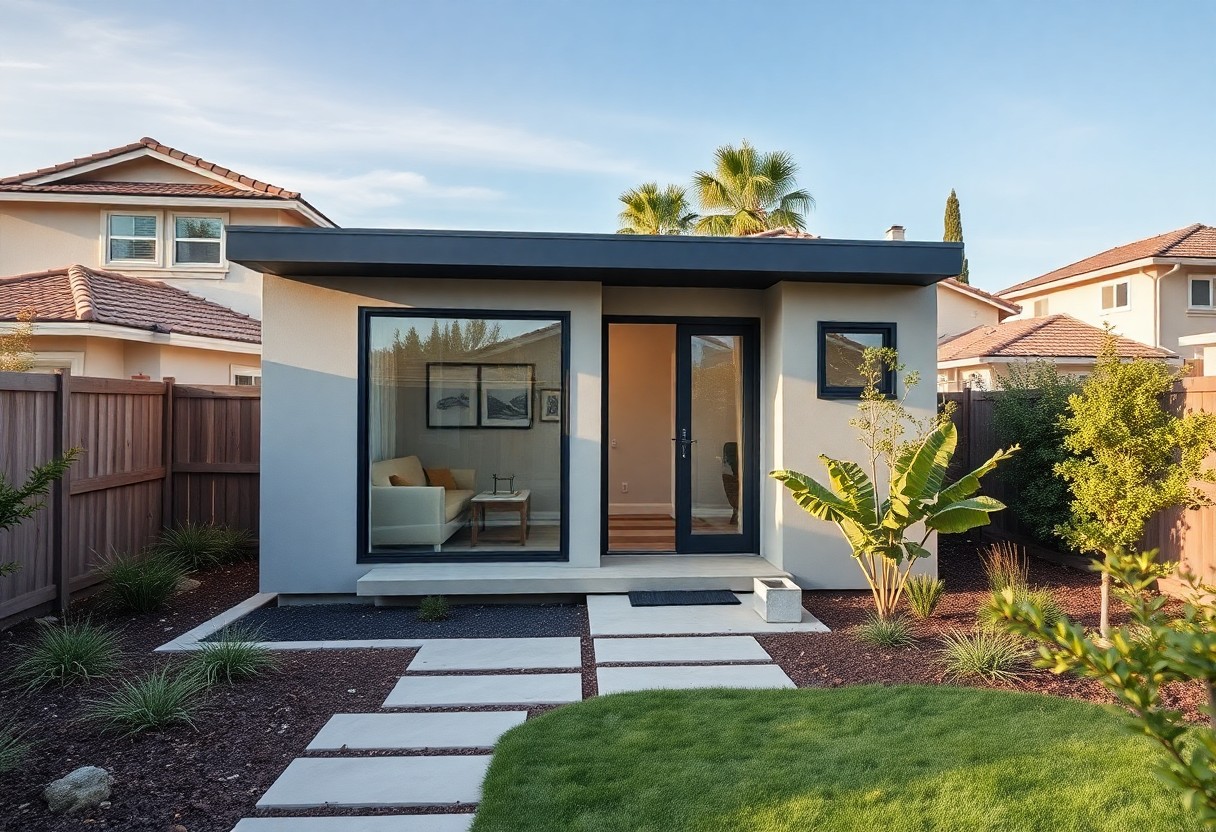
Risks and Considerations: What to Keep in Mind
Potential Pitfalls in the ADU Investment Journey
Investing in an ADU comes with its own set of potential pitfalls. One common challenge homeowners face is navigating local zoning laws and building codes, which can vary widely from one municipality to another. Failing to understand these regulations can lead to costly delays or even project cancellation. Additionally, underestimating the construction costs or overestimating rental income can derail your financial projections, leaving you with unexpected expenses.
Long-Term Maintenance and Management Concerns
Ongoing maintenance of your ADU requires time, effort, and financial resources. As the property ages, you’ll need to budget not only for routine upkeep but also for potential renovations or repairs that may arise. Tenant management can also become a significant aspect, especially if you choose to rent out the unit; finding reliable tenants and handling lease agreements can be more involved than anticipated.
Over the years, the wear and tear on an ADU can lead to sizable maintenance expenses. Systems like plumbing, HVAC, and roofing may require upgrades or replacement, which can strain your budget if you haven’t earmarked funds for unforeseen repairs. If you’re renting, you might also encounter issues with tenant turnover, which could mean spending extra on marketing the space or preparing it for new occupants. Proper management, through a property management service or dedicated DIY efforts, can help mitigate these concerns but requires a commitment of your time and money.
Inspiring Success Stories: Homeowners Transforming Their Properties
Lessons Learned from ADU Additions
Homeowners who have ventured into ADU construction often share valuable insights from their experiences. Managing expectations regarding timelines and budgets is necessary, while embracing flexibility can lead to unexpected design improvements. Engaging with local contractors who specialize in ADUs can streamline the process and ensure compliance with regulations, providing a smoother journey from conception to completion.
Real-Life Benefits Derived from ADU Investments
Investing in an ADU not only enhances your property value but can also provide significant financial and lifestyle benefits. Many homeowners are reaping the rewards of rental income, which helps cover mortgage payments and fosters financial stability. Additionally, ADUs can serve as versatile spaces for aging family members, guests, or as home offices, enhancing your living experience while providing separation and privacy.
The real-life benefits of ADU investments extend beyond mere financial returns. For instance, one homeowner in San Diego converted their garage into a one-bedroom unit and now rents it out for $2,000 per month, effectively covering their mortgage. Another couple in the Bay Area transformed their backyard into a sleek studio, which not only serves as an office during work hours but also accommodates relatives during holidays. These success stories illustrate how ADUs can enhance your lifestyle, provide necessary space, and contribute to financial freedom, making them an attractive option for many California homeowners.
To wrap up
So, if you’re a California homeowner considering additional living space or a way to generate income, investing in ADU construction could be a wise decision. Not only can it enhance your property’s value, but it also provides versatility, enabling you to accommodate family members or create rental opportunities. With growing demand for housing and supportive state regulations, now is an opportune moment to explore the benefits of ADUs and how they can meet your needs while contributing positively to your community.
Frequently Asked Questions About Adu Construction California
How long does ADU construction in California typically take from permit to move-in?
For a standard detached ADU in Orange County, the full timeline from permit submission to final inspection usually runs between six and twelve months. Variables include plan check backlogs at the local building department, site conditions, and the size of the unit. Working with a licensed contractor who is familiar with city-specific review processes helps keep the schedule realistic.
What permits are required to build an ADU in California?
At minimum you will need a building permit, and depending on the scope, separate mechanical, electrical, and plumbing permits as well. Cities like Fullerton and Irvine require plan check approval before any work begins, and the plans must comply with both state ADU law and local zoning ordinances. Your contractor should pull all permits directly and coordinate with the building department on your behalf.
Does building an ADU in California increase property taxes significantly?
California's Proposition 13 limits reassessment to the value of new construction only, so only the ADU itself is added to your assessed value rather than your entire property being reassessed. The increase is typically modest relative to the rental income or equity gain the unit produces. Confirm the current assessed value impact with your county assessor before breaking ground.
Can I build an ADU if I have an HOA?
State law, specifically AB 3182, restricts HOAs from prohibiting or effectively prohibiting ADUs on single-family lots. However, HOAs may still enforce reasonable design standards that do not unreasonably increase cost or delay construction. Review your CC&Rs and confirm compliance with both HOA rules and city ordinances before submitting plans.
What is the difference between a detached ADU, an attached ADU, and a JADU?
A detached ADU is a fully separate structure on the same lot as the primary home, while an attached ADU shares at least one wall with the existing structure. A Junior ADU, or JADU, is converted entirely from existing space within the primary home and is capped at 500 square feet under California law. Each type has its own setback, size, and permitting requirements, so the right choice depends on your lot layout and goals.
How do I find a reputable ADU contractor in California?
Verify that any contractor you consider holds an active California Class B General Contractor license through the CSLB lookup tool before signing anything. Ask for references from completed ADU projects in your city, request a detailed scope of work, and confirm that the contractor will pull all permits themselves rather than passing that responsibility to you. A contractor who has built ADUs locally will already know your city's plan check requirements and common correction items.
Related Services
- trusted ADU contractor serving Orange County
- ADU construction cost breakdown
- questions to ask your ADU contractor before starting
Contact Horizon Construction and Remodeling today for a free estimate on your ADU project. We hold CSLB license #938230 and have been building in Orange County and the greater Los Angeles area for over 15 years. You can verify our active Class B license status at the <a href="https://www.cslb.ca.gov/OnlineServices/CheckLicenseII/CheckLicense.aspx" target="_blank" rel="noopener">CSLB license lookup</a>. Call (714) 449-9035.
Frequently Asked Questions About Adu Construction California
How long does ADU construction in California typically take?
Most detached ADU projects in California take between six and twelve months from permit approval to final inspection, depending on scope and local building department workload. Attached or garage-conversion ADUs can sometimes be completed faster. Working with a licensed contractor who knows your local permitting office helps keep the schedule on track.
What permits do I need to build an ADU in California?
You will need a building permit from your city or county building department, and the plans must meet California residential building code as well as any local ordinances. Some jurisdictions, including Orange County cities like Fullerton and Irvine, have adopted pre-approved ADU plan programs that can shorten review time. Your contractor should pull and manage all permits on your behalf.
How much does it cost to build an ADU in California?
Costs vary widely based on size, site conditions, and finish level, but most California ADUs run between $150,000 and $350,000 for a detached unit. Garage conversions tend to cost less because the structure already exists. Getting an itemized estimate from a licensed contractor before you commit is the best way to understand your specific investment.
Can I rent out my ADU as a short-term rental in California?
State law allows rental of ADUs, but short-term rental rules are set at the city level and vary significantly. Some California cities restrict or ban short-term rentals outright, while others require a business license or host permit. Check your local municipal code before listing on any platform.
Does adding an ADU increase my property taxes in California?
Under Proposition 13, only the value of the newly constructed ADU is reassessed, not your existing home. That means your current property tax base stays the same and only the ADU addition is added to your assessed value. Many homeowners find the rental income potential far outweighs the modest tax increase.
What is the difference between an attached ADU, a detached ADU, and a JADU?
An attached ADU shares at least one wall with the primary home, while a detached ADU is a fully separate structure on the same lot. A Junior ADU, or JADU, is created within the existing footprint of the home, often from a bedroom or garage, and is capped at 500 square feet by California law. Each type has different permit requirements and cost profiles.
Related Services
- trusted ADU contractor serving Orange County
- ADU construction cost breakdown explained
- questions to ask your ADU contractor before starting
Contact Horizon Construction and Remodeling today for a free ADU estimate and let our licensed team (CSLB #938230) guide you from design through final walkthrough. Call (714) 449-9035.
Frequently Asked Questions About Adu Construction California
How long does ADU construction in California typically take from permit to move-in?
For a standard detached ADU in Orange County, the full timeline from permit submission to final inspection usually runs between six and twelve months. Variables include plan check backlogs at the local building department, site conditions, and the size of the unit. Working with a licensed contractor who is familiar with city-specific review processes helps keep the schedule realistic.
What permits are required to build an ADU in California?
At minimum you will need a building permit, and depending on the scope, separate mechanical, electrical, and plumbing permits as well. Cities like Fullerton and Irvine require plan check approval before any work begins, and the plans must comply with both state ADU law and local zoning ordinances. Your contractor should pull all permits directly and coordinate with the building department on your behalf.
Does building an ADU in California increase property taxes significantly?
California's Proposition 13 limits reassessment to the value of new construction only, so only the ADU itself is added to your assessed value rather than your entire property being reassessed. The increase is typically modest relative to the rental income or equity gain the unit produces. Confirm the current assessed value impact with your county assessor before breaking ground.
Can I build an ADU if I have an HOA?
State law, specifically AB 3182, restricts HOAs from prohibiting or effectively prohibiting ADUs on single-family lots. However, HOAs may still enforce reasonable design standards that do not unreasonably increase cost or delay construction. Review your CC&Rs and confirm compliance with both HOA rules and city ordinances before submitting plans.
What is the difference between a detached ADU, an attached ADU, and a JADU?
A detached ADU is a fully separate structure on the same lot as the primary home, while an attached ADU shares at least one wall with the existing structure. A Junior ADU, or JADU, is converted entirely from existing space within the primary home and is capped at 500 square feet under California law. Each type has its own setback, size, and permitting requirements, so the right choice depends on your lot layout and goals.
How do I find a reputable ADU contractor in California?
Verify that any contractor you consider holds an active California Class B General Contractor license through the CSLB lookup tool before signing anything. Ask for references from completed ADU projects in your city, request a detailed scope of work, and confirm that the contractor will pull all permits themselves rather than passing that responsibility to you. A contractor who has built ADUs locally will already know your city's plan check requirements and common correction items.
Related Services
- trusted ADU contractor serving Orange County
- ADU construction cost breakdown
- questions to ask your ADU contractor before starting
Contact Horizon Construction and Remodeling today for a free estimate on your ADU project. We hold CSLB license #938230 and have been building in Orange County and the greater Los Angeles area for over 15 years. You can verify our active Class B license status at the <a href="https://www.cslb.ca.gov/OnlineServices/CheckLicenseII/CheckLicense.aspx" target="_blank" rel="noopener">CSLB license lookup</a>. Call (714) 449-9035.
Frequently Asked Questions About Adu Construction California
How long does ADU construction in California typically take?
Most detached ADU projects in California take between six and twelve months from permit approval to final inspection, depending on scope and local building department workload. Attached or garage-conversion ADUs can sometimes be completed faster. Working with a licensed contractor who knows your local permitting office helps keep the schedule on track.
What permits do I need to build an ADU in California?
You will need a building permit from your city or county building department, and the plans must meet California residential building code as well as any local ordinances. Some jurisdictions, including Orange County cities like Fullerton and Irvine, have adopted pre-approved ADU plan programs that can shorten review time. Your contractor should pull and manage all permits on your behalf.
How much does it cost to build an ADU in California?
Costs vary widely based on size, site conditions, and finish level, but most California ADUs run between $150,000 and $350,000 for a detached unit. Garage conversions tend to cost less because the structure already exists. Getting an itemized estimate from a licensed contractor before you commit is the best way to understand your specific investment.
Can I rent out my ADU as a short-term rental in California?
State law allows rental of ADUs, but short-term rental rules are set at the city level and vary significantly. Some California cities restrict or ban short-term rentals outright, while others require a business license or host permit. Check your local municipal code before listing on any platform.
Does adding an ADU increase my property taxes in California?
Under Proposition 13, only the value of the newly constructed ADU is reassessed, not your existing home. That means your current property tax base stays the same and only the ADU addition is added to your assessed value. Many homeowners find the rental income potential far outweighs the modest tax increase.
What is the difference between an attached ADU, a detached ADU, and a JADU?
An attached ADU shares at least one wall with the primary home, while a detached ADU is a fully separate structure on the same lot. A Junior ADU, or JADU, is created within the existing footprint of the home, often from a bedroom or garage, and is capped at 500 square feet by California law. Each type has different permit requirements and cost profiles.
Related Services
- trusted ADU contractor serving Orange County
- ADU construction cost breakdown explained
- questions to ask your ADU contractor before starting
Contact Horizon Construction and Remodeling today for a free ADU estimate and let our licensed team (CSLB #938230) guide you from design through final walkthrough. Call (714) 449-9035.