
Backyard Remodeling in Fountain Valley
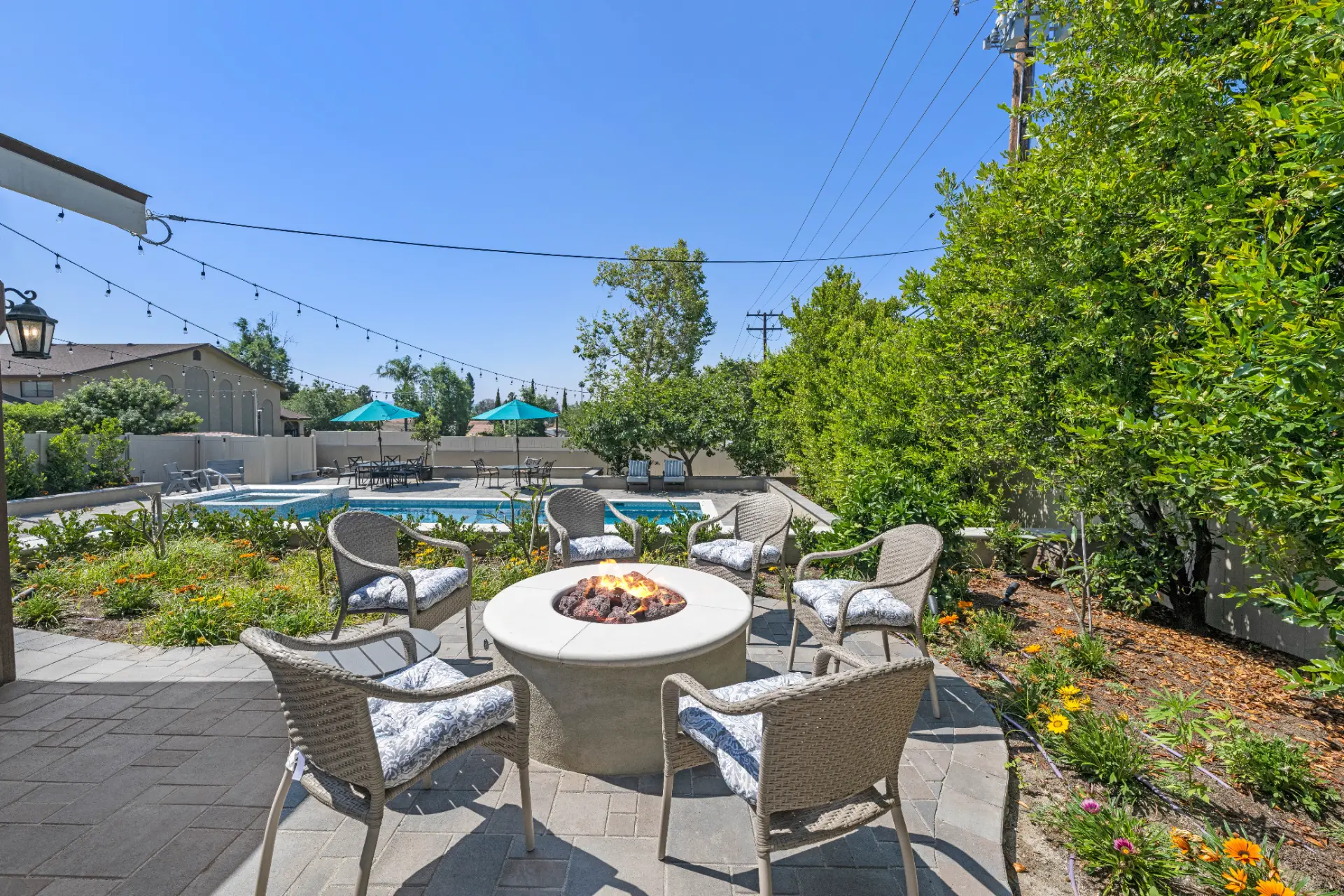
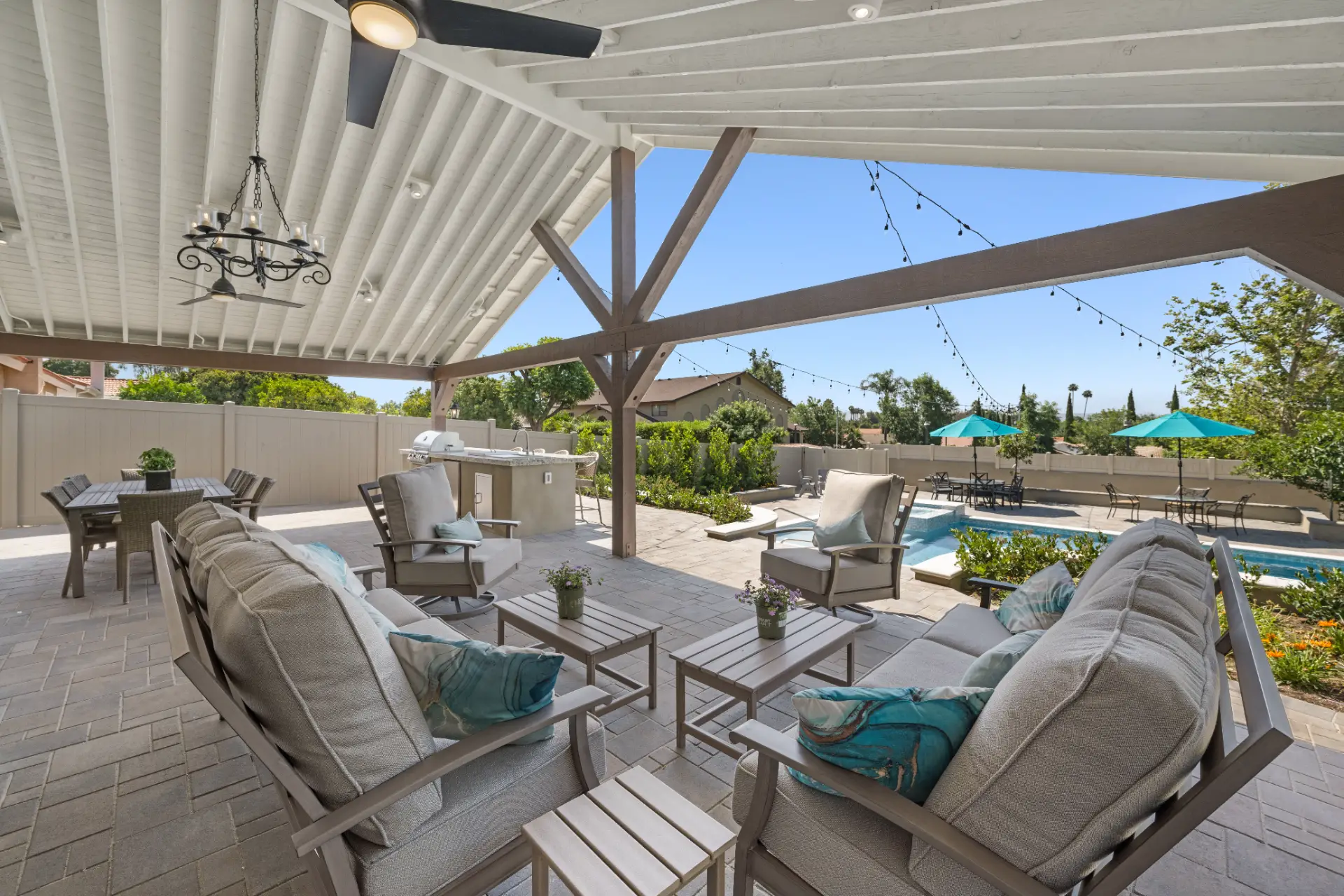
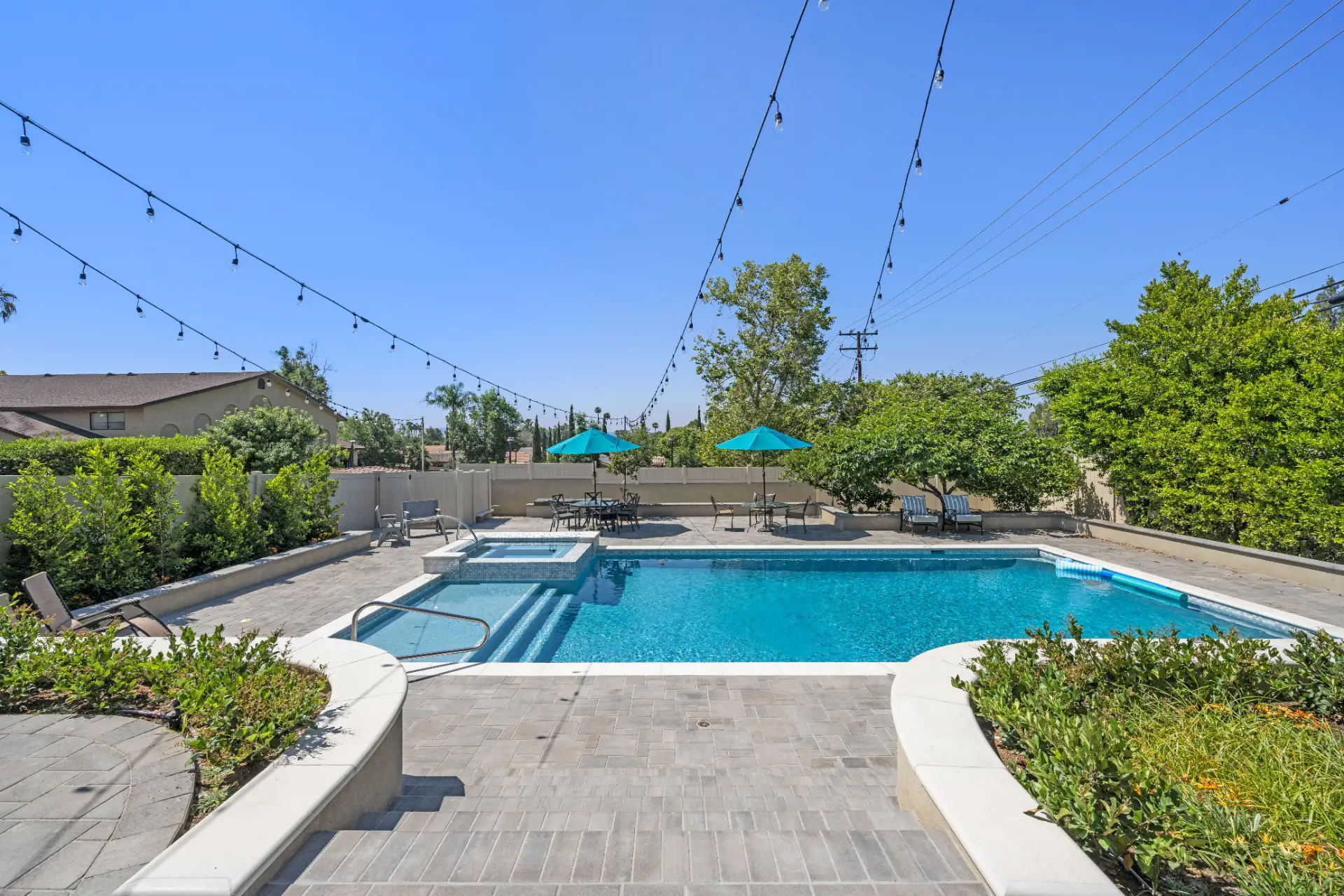
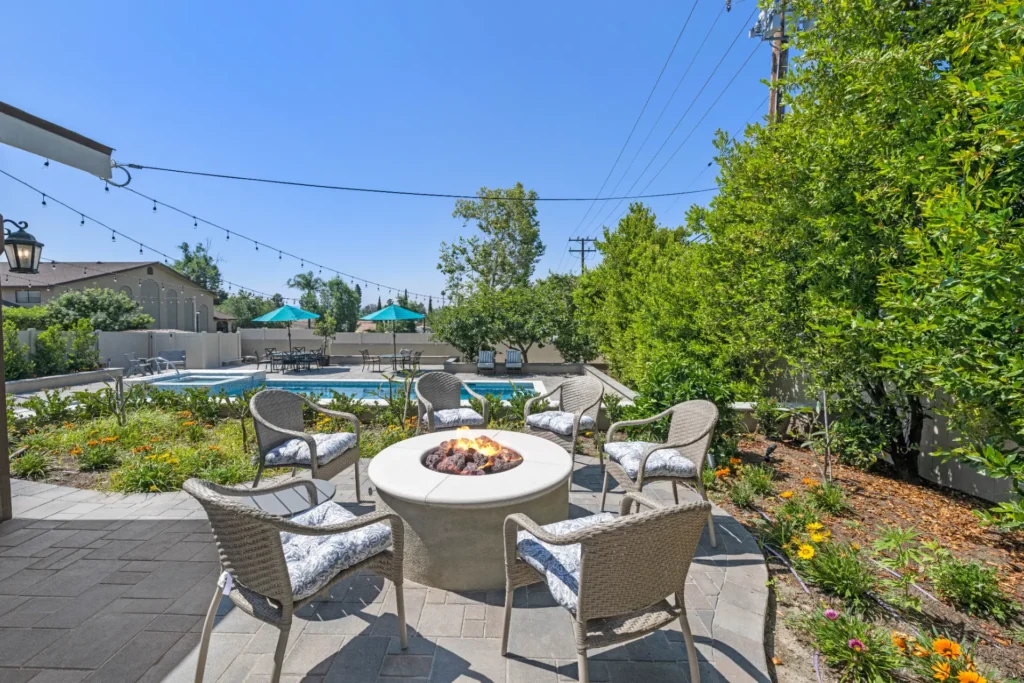
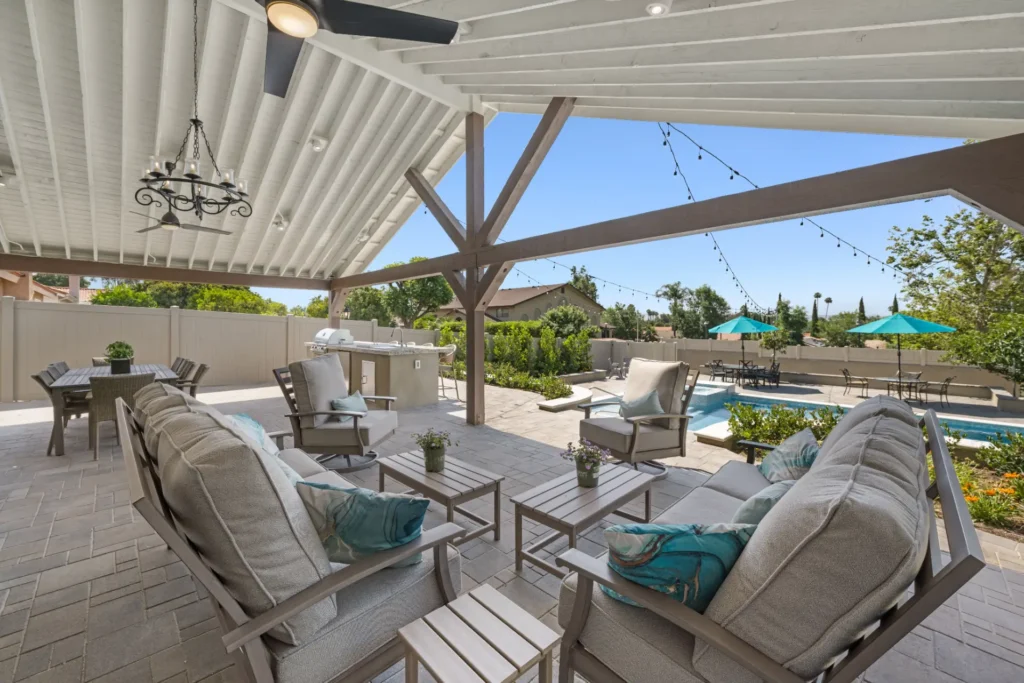
Backyard remodeling in Fountain Valley usually begins with a single problem: a patio cover that rotted out, an outdoor kitchen that never got built, or a lawn that the years finally finished off. The housing stock here dates to the large tract developments of the 1960s and 1970s, and the age of those lots shows up in the backyard first, in mature tree roots lifting old slabs and drainage lines nobody planned for a modern yard. Green Valley, Tiburon, Southpark, and the Mile Square Park area are all neighborhoods we work in regularly. Our scope covers a full design-build yard as well as a tear-out and rebuild of one that stopped functioning, drawn as a single plan and executed by one licensed team.
Services We Offer
Covers & Outdoor Kitchens
Drainage & Landscape
Yard Tear-Out & Rebuild

Our Backyard Remodeling Process in Fountain Valley
How We Approach Backyard Remodeling in Fountain Valley
Backyard remodeling in Fountain Valley starts with a site visit where we look at slope, side-yard access, existing structures, utility locations, and how water currently drains across the lot. Because so many homes here were built on slab foundations during the tract-building era of the 1960s and 1970s, we also check for any work that may never have been permitted, and we document what is failing and why before a single plan is drawn. From there we survey the full lot, including setbacks and easements, and produce drawings that cover every element: decking, shade structures, outdoor kitchens, grading, and drainage.
You make finish selections before demolition begins. We then coordinate any required engineering, submit plans to the City of Fountain Valley Building Division, and handle HOA paperwork where applicable. Fountain Valley’s floodplain and seismic hazard overlay districts can add review steps, so we factor that into the schedule from the start. Underground runs for utilities and drainage are inspected before backfill, then structures and surfaces go in, followed by planting, lighting, equipment startup, final inspections, and a walk-through with you.
Read More →
Backyard remodeling in Fountain Valley moves through the City of Fountain Valley Building Division, and the permitting list is longer than most homeowners expect. Pools and spas always require a permit, and so do patio covers, California rooms, new gas lines serving a grill, fire pit or pool heater, new electrical circuits, and any retaining wall or grading work that crosses the local thresholds. What adds a layer of complexity here compared to some nearby cities is the zoning map itself. Fountain Valley carries floodplain and seismic hazard overlay districts that sit on top of the base zoning, so certain projects trigger additional review requirements depending on where on the map your property lands. We check setbacks for pools, equipment pads, covers and fire features during the layout stage rather than waiting for plan check, because catching a conflict early keeps the schedule intact. If your neighborhood falls under an HOA, the architectural committee typically reviews pools, covers, walls and visible landscape changes before the city does, and we build that review window into the project calendar from the start.
Drainage planning is one of the less visible parts of a backyard remodel, but it determines how well the finished yard holds up over time. Every new patio surface, pool deck and solid patio roof cover reduces the ground area that can absorb rainwater, so runoff increases. We address that in the drawings by setting grades so water moves away from the house on all sides, tying downspouts into dedicated drain lines, and placing area or channel drains wherever hardscape meets the building. Permeable pavers, gravel or planted zones go in where the layout allows. The outlet for all of that water needs to be one the city approves, which typically means the street, not over the fence onto an adjacent lot. Retaining walls get drainage behind them as part of the construction, not as an afterthought, because a wall holding back soil without a way for water to escape will not stay straight for long. Many building departments require a permit for any retaining wall taller than four feet measured from the bottom of the footing, or for a wall holding back a slope, driveway or structure, regardless of height.
Landscape work on a backyard project in California falls under the Model Water Efficient Landscape Ordinance, which every city and county adopts at a minimum or replaces with a stricter local version. Smaller rehabilitation projects often stay below the thresholds that trigger the full requirements, while larger permitted landscapes can need a water budget and an irrigation plan included with the submittal. If you are planning to remove lawn and your water agency offers a turf replacement rebate, the rebate approval has to happen before any grass comes out, the replacement area has to remain permeable, and synthetic turf generally does not qualify under those programs.
For properties that fall within a CAL FIRE mapped Fire Hazard Severity Zone, the design approach near the house changes. The five feet immediately adjacent to the structure, referred to as Zone 0, carry the most weight under CAL FIRE guidance, so we use hardscape or gravel in that zone rather than bark mulch or dense planting. Fire pits are positioned clear of structures, overhangs and overhead tree canopy, and any attached patio cover is designed with ignition resistance factored in from the beginning. Pool and spa projects carry a separate state requirement as well: when a permit is issued for a new or remodeled pool or spa at a single-family residence, California law requires that at least two of seven specified drowning-prevention features be in place before the project receives final inspection.
Other Remodeling Services We Offer
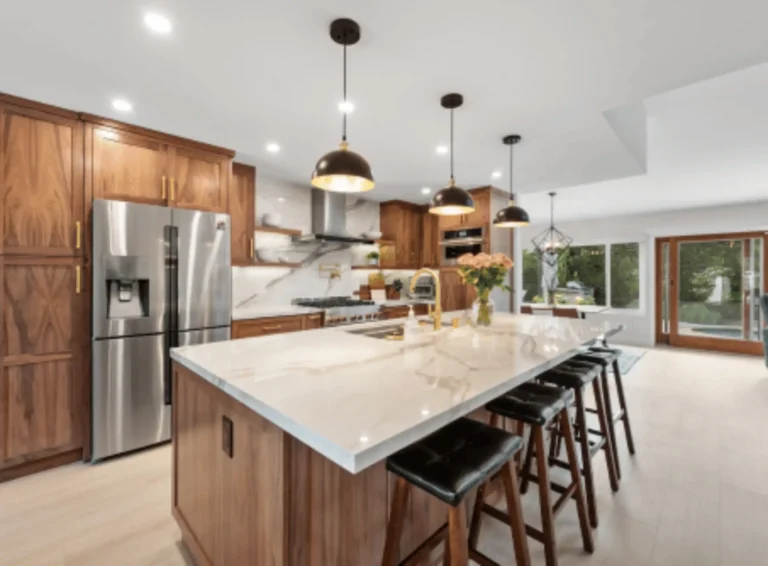
A kitchen remodel touches more trades than any other room in the house: layout, cabinetry, plumbing, electrical, ventilation and finishes. Horizon designs and builds kitchen remodels under one contract, from the measured layout to the final inspection.
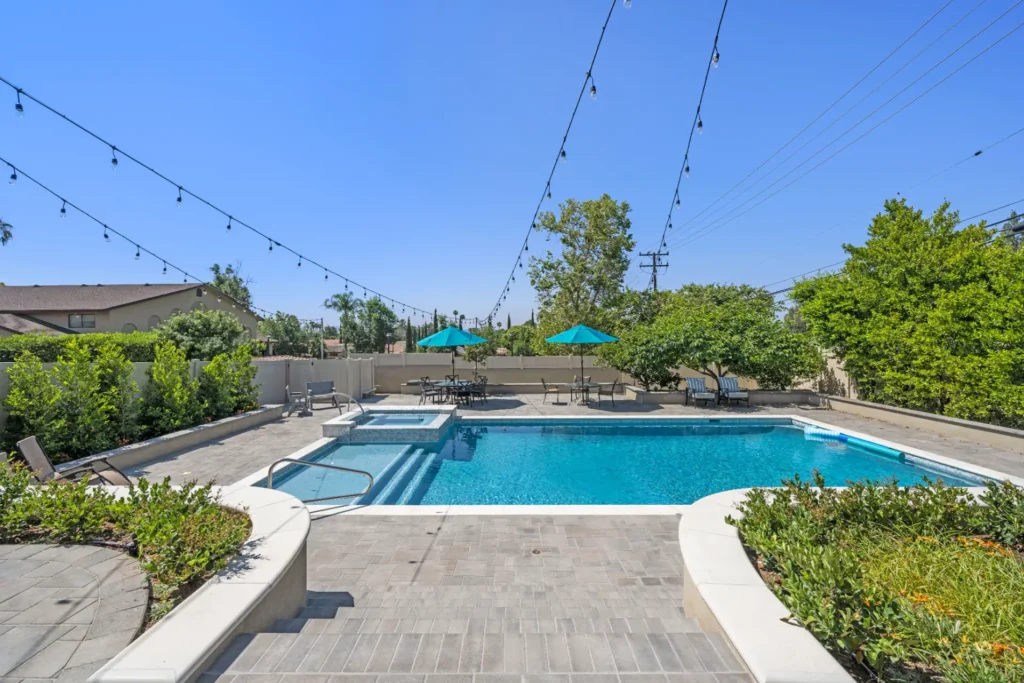
Whether you envision a classic Southern California pool or a fully customized backyard oasis, Horizon Construction & Remodeling delivers the highest level of quality and service. Our comprehensive pool design and remodeling services cover everything from layout and decking to built-in BBQs and final touches like landscaping. Let Horizon be your trusted partner in transforming your backyard into the perfect outdoor retreat.

If you are planning a complete bathroom remodel or simply want to change your tub, shower, update your plumbing fixtures, or make the space more efficient, our team at Horizon will help you through the process with expert advice, professional craftsmanship, and affordable options with beautiful results. Learn more about our bathroom remodeling services.
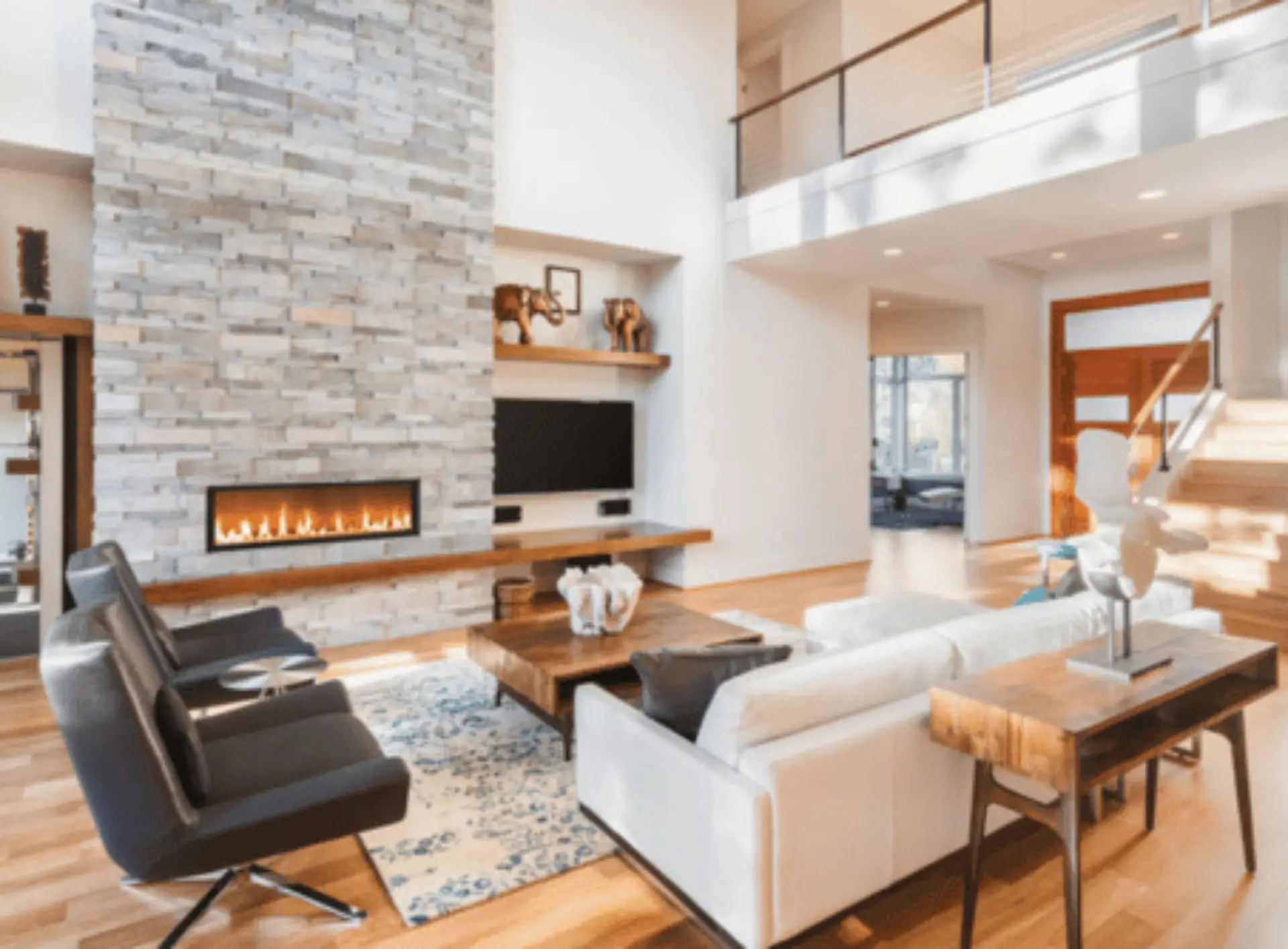
Transform your space with our expert interior work services. We offer a comprehensive range of solutions — from space planning and custom design to the selection of high-quality finishes and materials. Our team of experienced professionals works closely with you to create a space that’s both functional and stylish, tailored to your unique needs, goals, and budget. Whether you’re updating a single room or overhauling your entire interior, we bring precision, creativity, and craftsmanship to every project.
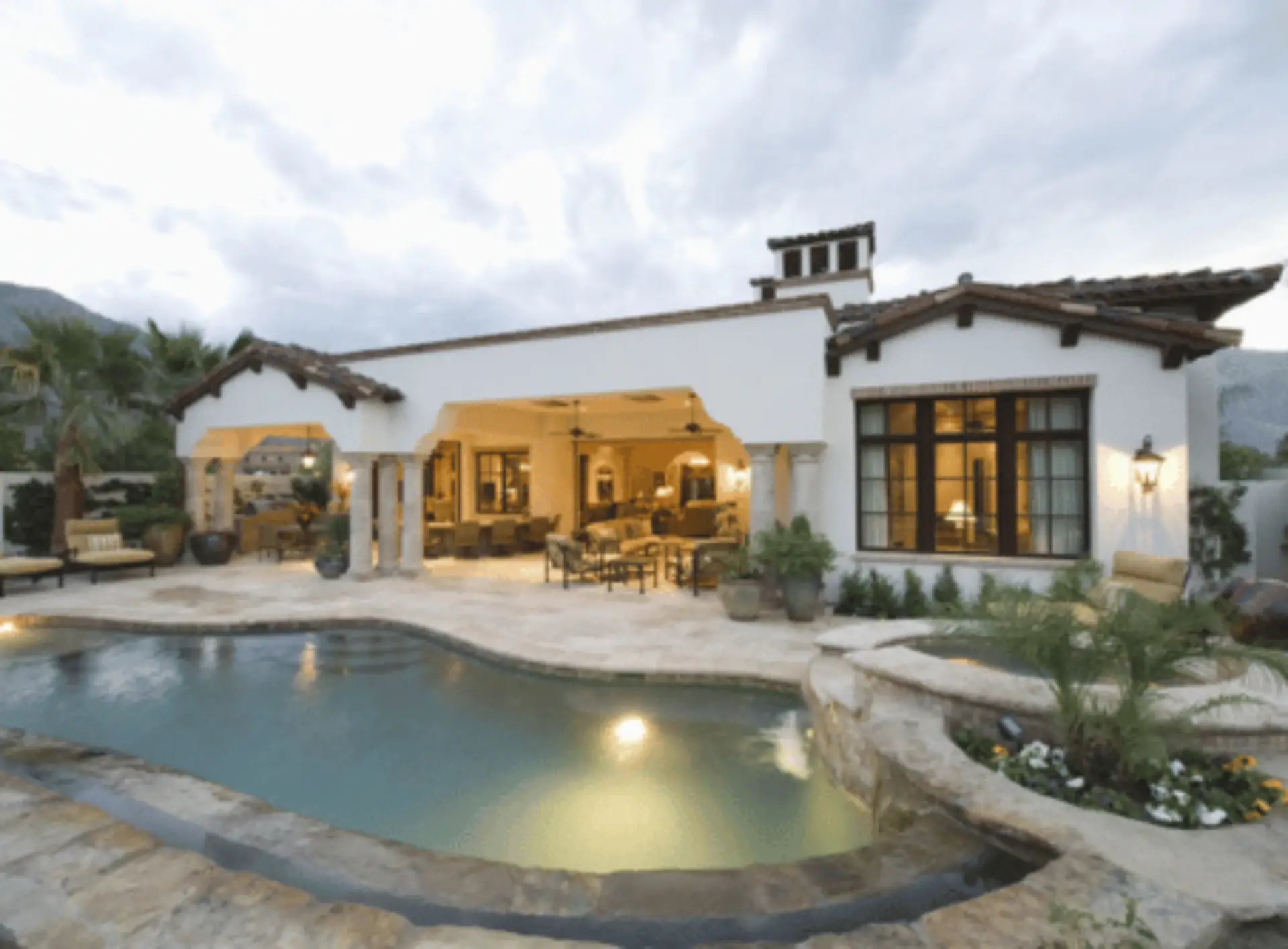
At Horizon, we believe your home is more than just four walls — it’s where life happens. It’s the place you relax, gather with family and friends, and create lasting memories. That’s why we offer a full range of exterior work services designed to elevate your outdoor living space. From patios and hardscaping to custom decks and exterior renovations, we help turn your vision into a dream yard that complements your lifestyle and enhances curb appeal.

At Horizon Construction & Remodeling, our expert team includes a dedicated design and planning division that works hand-in-hand with licensed architects and structural engineers. We take care of everything — from detailed plans and blueprints to securing city permits — so you don’t have to deal with delays or red tape. Our goal is to streamline the process and provide a fully approved set of documents that aligns with both your vision and city regulations, saving you time and stress.
Why Choose Horizon Remodeling For Backyard Remodeling in Fountain Valley
Horizon Construction and Remodeling is a licensed and bonded Class B general building contractor, and that classification matters for backyard work in Fountain Valley. A backyard remodel is rarely a single trade. Concrete flatwork, framing for a patio cover, and the plumbing or electrical rough-in for an outdoor kitchen all land on the same job, and a Class B license covers that kind of multi-trade scope in a way a specialty contractor’s license does not.
We have been doing this work since 2009, and we run every project on a design-build basis. Design, engineering coordination, permitting, and construction sit under one contract with one project manager on your side. That matters here because the City of Fountain Valley Building Division applies floodplain and seismic hazard overlay requirements on top of the base zoning, which can add steps that catch homeowners off guard when they are managing separate contractors.
The ranch-era tract homes that make up most of Fountain Valley’s housing stock typically sit on slab foundations with modest rear yard setbacks, and we account for those site conditions from the first visit. Call (714) 449-9035 to set up a site visit and a free estimate.
Schedule a Consultation
Backyard Remodeling FAQ
Do I need a permit for a backyard remodel in Fountain Valley?
Most backyard remodeling work in Fountain Valley does require permits, though minor jobs like replacing plants or resurfacing a small patio typically do not. Patio covers, California rooms, pools and spas, taller retaining walls, significant grading, new gas lines, and new electrical circuits all go through the City of Fountain Valley Building Division. Because much of the city sits within floodplain and seismic hazard overlay districts, some projects carry extra requirements on top of the base zoning rules. Gas, electrical, and plumbing runs are inspected before burial, and pool construction must incorporate state-required drowning-prevention features to pass final inspection. We review the applicable rules during layout, prepare the necessary drawings, pull every permit the project requires, and work through plan-check comments until all permits are issued.
How long does a backyard remodel take?
Project length for backyard remodeling in Fountain Valley depends on scope, permit timing, HOA review, and how quickly material selections get made. A hardscape-and-planting job can run a few weeks of construction once permits are in hand, while a yard combining a patio cover and outdoor kitchen commonly runs a few months, with design and permitting taking as long as the build itself. Because Fountain Valley carries floodplain and seismic hazard overlay districts, drainage work or engineered retaining walls can add time up front. Your proposal includes a project-specific schedule.
What drives the cost of a backyard remodel?
Backyard remodeling costs in Fountain Valley shift based on a long list of site-specific factors, so no two projects land at the same number. Access matters first: a yard reached only through a narrow side gate limits equipment size and adds hand labor. Slope and soil conditions drive excavation scope and whether retaining walls are needed. Distance from the gas meter and electrical panel, along with panel capacity, affects utility rough-in work. The type of patio cover, material selections, and how much existing hardscape must be demolished and hauled away all move the budget. Fountain Valley’s floodplain and seismic hazard overlay districts can layer additional requirements on top of standard City of Fountain Valley Building Division permits, which is worth accounting for early. Pool work adds its own variables: a new pool is priced differently than a remodel of an existing one, and opening an old pool often uncovers plumbing that needs replacement. Any HOA submittals or landscape plan requirements add time and cost as well.
What's the difference between a backyard remodel and a backyard renovation?
Backyard remodeling in Fountain Valley works best when drainage and underground work are figured out before any surface goes in, and that principle applies whether you are starting fresh or fixing what has failed. Some projects are purely additive, pulling together hardscape, shade structures, an outdoor kitchen, and planting into a single coordinated plan. Others begin with removal, cracked or heaved concrete, a rotting deck, dead turf, poor drainage, or unpermitted structures that have to come out first. Most jobs are both, and we approach them the same way.
Can we build the backyard in phases?
Yes, phasing a backyard remodel is common and workable. The approach that holds up best is drawing the complete yard plan before any ground is broken, then running all underground lines for gas, electrical, plumbing, drainage, and irrigation in the first phase so future work never cuts through finished concrete. If an outdoor kitchen, cover, or fire pit is even a possibility down the road, we sleeve the gas line or conduit under the slab now. Phasing does mean paying for mobilization and inspections more than once.
Can you keep my pool and replace everything around it?
In many cases, yes, an older pool can keep its shell while the surrounding work gets replaced. Cracked or lifted decking, loose coping, and failed expansion joints are common on the ranch-tract homes built across Fountain Valley in the 1960s and 1970s, where slab-on-grade construction and the city’s seismic and floodplain overlay requirements make proper drainage correction essential. We replace the deck and address the drainage failure that caused the damage, and if the pool also needs resurfacing, new tile, or equipment, we coordinate both scopes together so the deck is only poured once.
Explore More in Fountain Valley
Horizon is a licensed Class B general building contractor serving Fountain Valley and the surrounding Orange County communities.
Other Services in Fountain Valley
Backyard Remodeling Nearby
More Backyard Remodeling Service Areas Near Fountain Valley
View Our Backyard Remodeling Areas of Service
- Backyard Remodeling in Aliso Viejo
- Backyard Remodeling in Anaheim
- Backyard Remodeling in Brea
- Backyard Remodeling in Buena Park
- Backyard Remodeling in Costa Mesa
- Backyard Remodeling in Coto De Caza
- Backyard Remodeling in Cowan Heights
- Backyard Remodeling in Cypress
- Backyard Remodeling in Dana Point
- Backyard Remodeling in Dove Canyon
- Backyard Remodeling in East Irvine
- Backyard Remodeling in Foothill Ranch
- Backyard Remodeling in Fullerton
- Backyard Remodeling in Garden Grove
- Backyard Remodeling in Huntington Beach
- Backyard Remodeling in Irvine
- Backyard Remodeling in La Habra
- Backyard Remodeling in La Palma
- Backyard Remodeling in Ladera Ranch
- Backyard Remodeling in Laguna Hills
- Backyard Remodeling in Laguna Niguel
- Backyard Remodeling in Laguna Woods
- Backyard Remodeling in Lake Forest
- Backyard Remodeling in Las Flores
- Backyard Remodeling in Lemon Heights
- Backyard Remodeling in Los Alamitos
- Backyard Remodeling in Midway City
- Backyard Remodeling in Mission Viejo
- Backyard Remodeling in Newport Beach
- Backyard Remodeling in Newport Coast
- Backyard Remodeling in North Tustin
- Backyard Remodeling in Orange
- Backyard Remodeling in Placentia
- Backyard Remodeling in Portola Hills
- Backyard Remodeling in Rancho Santa Margarita
- Backyard Remodeling in Rossmoor
- Backyard Remodeling in San Clemente
- Backyard Remodeling in San Juan Capistrano
- Backyard Remodeling in Santa Ana
- Backyard Remodeling in Seal Beach
- Backyard Remodeling in South Laguna
- Backyard Remodeling in Stanton
- Backyard Remodeling in Talbert
- Backyard Remodeling in Tustin
- Backyard Remodeling in Villa Park
- Backyard Remodeling in Westminster
- Backyard Remodeling in Yorba Linda