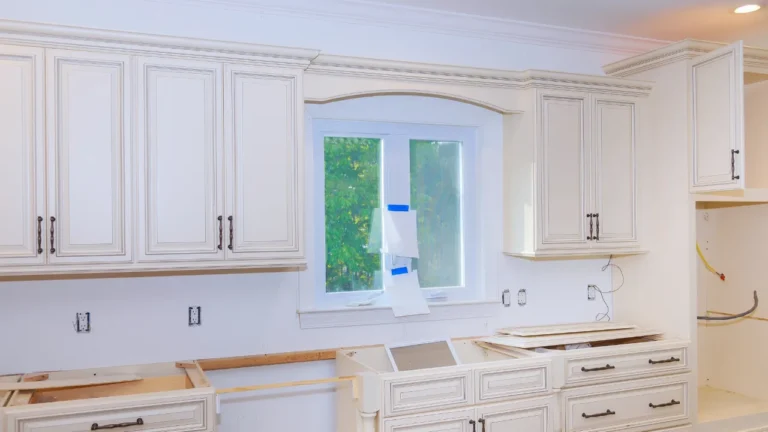
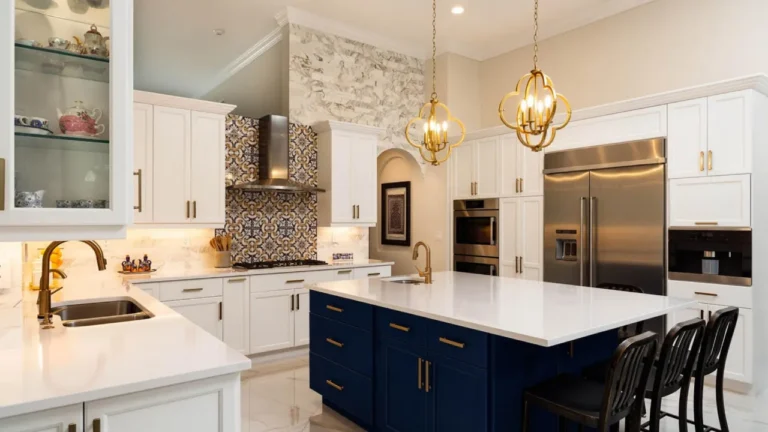
Opening paragraph with content that introduces the essential aspects of kitchen remodeling planning while offering expert insights to make your contractor coordination experience seamless and stress-free. When you begin your kitchen renovation, having a strategic plan is crucial in ensuring that every element, from budgeting to material selection, aligns perfectly with your goals. As an experienced home remodeling professional, I’ve learned that clear communication and meticulous scheduling are the keys to a smooth process, and these insights are invaluable for anyone looking to transform their space.
Strategic Kitchen Remodeling Planning for Seamless Contractor Coordination
Your journey toward an efficient kitchen remodel starts with comprehensive kitchen remodeling planning. This stage involves setting your priorities, establishing a realistic timeline, and understanding the intricate details of contractor coordination. By outlining your goals early, you empower yourself to make informed decisions about design, budgeting, and material selection. You might also consider checking out trusted remodeling tips that align with your vision.
One of the first steps in successful kitchen remodeling planning is developing a detailed blueprint. Begin by listing your must-have features and desired functionality, ensuring that every piece of the puzzle – from cabinets and countertops to lighting and storage – is accounted for. Use detailed sketches or digital plans, and communicate your concepts clearly to your contractors. Taking this time to lay out your ideas reduces future surprises and aligns your plans with regulatory requirements and design standards.
Step-by-Step Methods for Efficient Kitchen Remodeling Planning
Establish a step-by-step approach to manage every phase of your project. Start with these core activities:
- Budgeting: Define a clear budget to control costs and allocate funds appropriately.
- Design Development: Work with designers or architects to capture your vision.
- Timeline Setting: Develop a realistic schedule that accommodates unexpected delays.
- Contractor Selection: Research and interview potential contractors to ensure they have the right expertise.
- Material Research: Choose durable and chic materials that match your design goals.
By approaching each step methodically, your kitchen remodeling planning becomes a manageable process, reducing the stress of coordinating multiple contractors and vendors.
Effective Budgeting and Timeline Setting in Your Kitchen Remodel
Integral to every remodeling project is ensuring that your financial and time considerations are well-managed. Detailed kitchen remodeling planning involves aligning your budget with your desired outcomes and factoring in additional margins for unexpected expenses. Determine your spending priorities early, as this allows you to balance quality and cost. Similarly, set a clear timeline by mapping out each phase of the project, from initial design consultations to final installations, while understanding that flexibility is key.
Essential Contractor Coordination Tips for Kitchen Remodeling Planning
Contractor coordination is at the heart of successful kitchen remodeling planning. Seamless communication between you, your contractors, and suppliers avoids misinterpretations and delays. To achieve this, engage professionals who are known for their reliability and transparent communication practices. Don’t hesitate to ask for referrals or review past projects on trusted sites like HGTV and Houzz.
To further fortify your contractor coordination, ensure that contract terms are clearly defined, particularly regarding project timelines, deliverables, and payment schedules. Regular update meetings or progress reports can help you stay informed of the project status and act swiftly if adjustments are needed. Moreover, utilizing tools like shared digital calendars or project management software can significantly streamline the process.

Design and Functionality Tips in Kitchen Remodeling Planning
Your kitchen should not only be beautiful but also highly functional. In your kitchen remodeling planning, consider incorporating design elements that maximize space utility and appeal. For instance, the layout should promote ease of movement and workflow, and the selection of fixtures, cabinetry, and appliances should balance aesthetics with practicality. You could gain additional insights by exploring expert kitchen remodeling tips available on our website.
Integrate sustainable design principles—like energy-efficient appliances and eco-friendly materials—which can reduce future maintenance costs and environmental impact. When discussing these options, ensure your contractor understands your commitment to both style and efficiency to avoid renovations that compromise either aspect.
Innovative Materials and Modern Techniques in Remodeling Planning
Another aspect to consider during your kitchen remodeling planning process is the selection of materials and modern techniques. Technology has enabled the development of custom solutions like smart appliances, under-cabinet LED lighting, and durable countertops that make routine maintenance practically effortless. Ask your contractor about the latest trends and product warranties to secure a modern, future-proof kitchen. An informed decision in this realm adds long-term value to your renovation project.
Besides, familiarize yourself with materials that are both visually appealing and functional. For example, quartz countertops and reclaimed wood cabinets offer durability and eco-appeal, merging convenience with sustainability. Check reputable sources like National Kitchen & Bath Association for updated guidelines on material specifications and innovative designs.
Integrating Technology and Communication for Streamlined Remodeling
Utilizing technology is a powerful aspect of advanced kitchen remodeling planning. Digital project management tools help you track progress, communicate effectively with your contractor, and store all vital documents from permits to design approvals. A blend of traditional planning methods with modern digital tools can be especially effective in keeping your kitchen remodel on track.
Leveraging Digital Tools in Kitchen Remodeling Planning
Today’s technology offers numerous solutions that simplify contractor coordination. For example, cloud-based platforms allow you to share architectural plans, budgets, and timelines with your team in real time. This transparency minimizes miscommunication and ensures more accurate tracking of project deliverables. Tools like these ensure everyone is on the same page, enhancing the overall efficiency of your planning process.
Integrate apps and software designed for home improvement to give you a bird’s-eye view of your project. This proactive approach not only saves time and money but also keeps stress levels to a minimum, ensuring that each phase of your remodel is executed with precision.
Collaborative Strategies for Enhanced Kitchen Remodeling Planning
Effective collaboration in kitchen remodeling planning starts with selecting professionals who are receptive to modern communication methods. Regular check-ins via video calls, collaborative online documents, and shared calendars are instrumental in keeping your renovation organized. These practices foster a team environment, ensuring a streamlined workflow even when unexpected changes arise. You can also learn more about these methods by visiting our interior work insights.
Additionally, holding frequent in-person meetings as your project progresses helps in validating design choices, monitoring contractor performance, and updating project timelines. An open channel of communication can also be extended to your supplier network, ensuring that your chosen materials are delivered on time and match your specifications.
Navigating Permits, Regulations, and Backup Plans in Remodeling
Thorough kitchen remodeling planning also means understanding local building codes and obtaining the necessary permits. Adhering to regulations saves you from potential legal hiccups and costly project delays. Consult with professionals who have a proven track record in obtaining permits smoothly, and always double-check that all modifications are compliant with local safety standards. Resources like This Old House offer valuable advice on navigating regulatory requirements for remodels.
Ensuring Compliance and Safety in Your Remodel
Before hiring any contractor, ensure they are up-to-date with the latest local building codes and safety standards. This level of diligence in your kitchen remodeling planning protects both your investment and the wellbeing of everyone involved. Engage with contractors who hold the necessary certifications and have strong recommendations; this proactive approach lowers risk and secures a successful remodel outcome.
Backup Strategies and Contingency Plans in Remodeling Projects
No project is immune to unexpected challenges. Thus, incorporate contingency plans into your kitchen remodeling planning from the beginning. Allocating a portion of your budget for unforeseen expenses and scheduling buffer time into your timeline will help mitigate any delays. With backup strategies in place, you’re better prepared to handle material shortages or contractor scheduling conflicts, ensuring the project stays on course.
For more insights on managing unpredictable projects and setting realistic expectations, consider visiting our section on plans and blue prints.
Building Your Dream Kitchen: Final Steps in Remodeling Planning
Your kitchen remodeling planning isn’t just about laying the groundwork—it’s about envisioning a space that reflects your lifestyle and needs. The final stages of planning should involve a thorough review of all project details, final adjustments to the timeline and budget, and ensuring that all contractor agreements are clear and mutually understood. With everything in place, you can look forward to a streamlined remodeling experience that transforms your kitchen beyond your expectations.
Remember, the key lies in proactive management and clear communication. Rely on expert advice, robust planning tools, and trustworthy contractors, and you’ll be well on your way to creating a stunning kitchen space that is both functional and inspiring. For further inspiration on related home projects, check out remodeling ideas for spring or explore tips on exterior improvements at our exterior work section.
Key Takeaways for Effective Kitchen Remodeling Planning
- Clearly define your design goals and budget early in the kitchen remodeling planning process.
- Create a detailed timeline and blueprint to streamline contractor coordination.
- Integrate digital project management tools to enhance communication and transparency.
- Ensure compliance with local building codes and obtain necessary permits to avoid delays.
- Engage reliable contractors with proven track records and robust referrals.
- Adopt sustainable design practices and modern materials to add long-term value.
- Prepare contingency plans to manage unforeseen challenges effectively.
Frequently Asked Questions About Kitchen Remodeling Planning
What are the first steps in effective kitchen remodeling planning?
The first steps include defining your design goals, setting a realistic budget, creating a detailed timeline, and researching trusted contractors. Establishing these foundations helps in overcoming unexpected challenges down the line.
How can I ensure seamless contractor coordination during my remodel?
Clear communication, regular progress meetings, and using digital project management tools are key. Additionally, selecting contractors with robust reputations and verified experience further ensures smooth coordination.
Why is it important to include contingencies in my remodeling plan?
Contingencies help you manage unexpected expenses and delays. Allocating extra time and budget buffers minimizes disruptions and keeps the project on track even when unforeseen challenges arise.
How do I balance design choices with budget constraints?
Prioritize essential features and focus on materials that offer durability and aesthetic appeal without a premium price. Discuss cost-saving alternatives with your contractor and designer while maintaining quality and functionality.
What technological tools can help in the kitchen remodeling planning process?
Digital tools like cloud-based project management platforms, shared online calendars, and design apps can assist in tracking progress, managing budgets, and collaborating effectively with contractors and suppliers.
How can I be confident that my remodel complies with local regulations?
Engage certified contractors familiar with local codes, and verify permit requirements with your local building department to ensure the project meets all legal and safety standards.