“`html
Transform Your Space with 9 Smart Eco-Friendly Flooring Ideas for Interiors
Are you searching for innovative ways to update your home’s interior while making a positive environmental impact? Eco-friendly flooring for interiors is rapidly becoming the new standard for sustainable home design. Not only do these options minimize your carbon footprint, but they also bring unique style, comfort, and durability to any space. As a seasoned home remodeling professional, I’ve seen firsthand how choosing the right eco-friendly flooring for interiors can transform a room and add long-term value to your property. In this guide, you’ll discover nine powerful, earth-conscious flooring ideas that can help you create a greener, healthier living environment.
Why Choosing Eco-Friendly Flooring for Interiors Matters
When you opt for eco-friendly flooring for interiors, you do more than just enhance your home’s visual appeal—you support sustainable living. Traditional flooring materials like vinyl and certain carpets are known to emit toxins (volatile organic compounds or VOCs) and contribute to landfill waste. Eco-friendly flooring for interiors minimizes these issues by prioritizing renewable resources, recycled content, and non-toxic manufacturing processes. These sustainable interior design choices not only protect indoor air quality but also deliver lasting performance with minimal environmental impact.
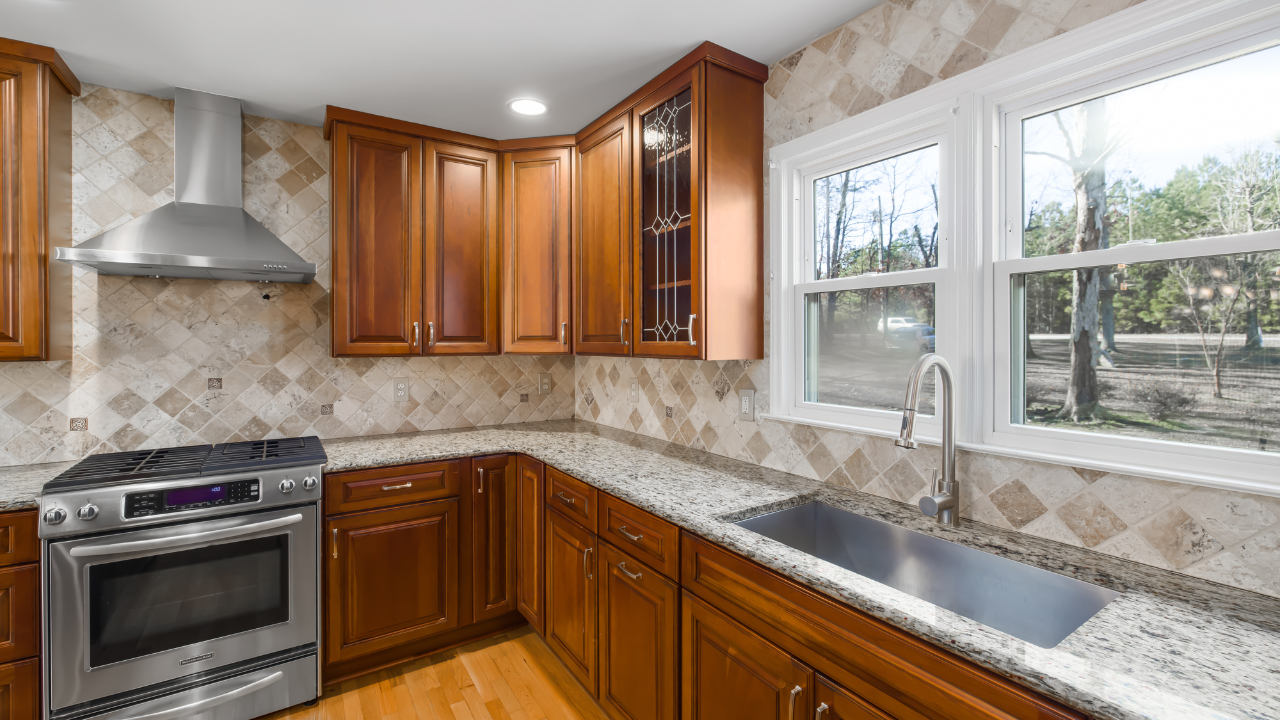
Top 9 Eco-Friendly Flooring Ideas for Sustainable Interiors
Ready to breathe new life into your space? Let’s dive into the most popular and effective flooring solutions for homeowners committed to sustainable interior design. Each option below highlights the benefits, best applications, and what makes it an ideal choice for eco-friendly flooring for interiors.
Bamboo: The Rapidly Renewable Wonder
Bamboo flooring ranks among the best eco-friendly flooring for interiors due to its remarkable renewability. Bamboo stalks grow to maturity in just three to five years (compared to decades for hardwood trees), making them a highly sustainable resource. Modern manufacturing techniques produce bamboo floors that are both stylish and rock-solid—even suitable for high-traffic areas.
- Bamboo offers a clean, contemporary look, ideal for kitchens, living rooms, and even bedrooms.
- Look for FSC-certified bamboo to ensure responsible harvesting.
- Low-VOC adhesives and finishes keep your indoor air fresh and toxin-free.
Cork: Comfort and Insulation from Nature
Cork is gaining traction in eco-friendly flooring for interiors because it’s harvested from the bark of cork oak trees without harming the plant—allowing bark to regrow for future harvests. Cork flooring is naturally resilient, springy, and offers outstanding sound and temperature insulation.
- Perfect for playrooms, bedrooms, and offices. Cork flooring is easy on the feet and joints.
- Antimicrobial and hypoallergenic, making it great for allergy-sensitive households.
- Discover more cork benefits for eco-friendly interiors.
Reclaimed Wood: Timeless Beauty, Responsibly Rescued
Reclaimed wood floors infuse your interiors with unmatched character and history while keeping valuable resources out of landfills. By repurposing timbers from old barns, factories, or homes, you reduce demand for new lumber and embrace high-end, sustainable interior design.
- Learn about reclaimed wood trends from our interior remodeling experts.
- Each plank is unique—showcasing original knots, grain, and aged patina.
- Ideal for living rooms, dining rooms, and spaces wanting rustic charm.
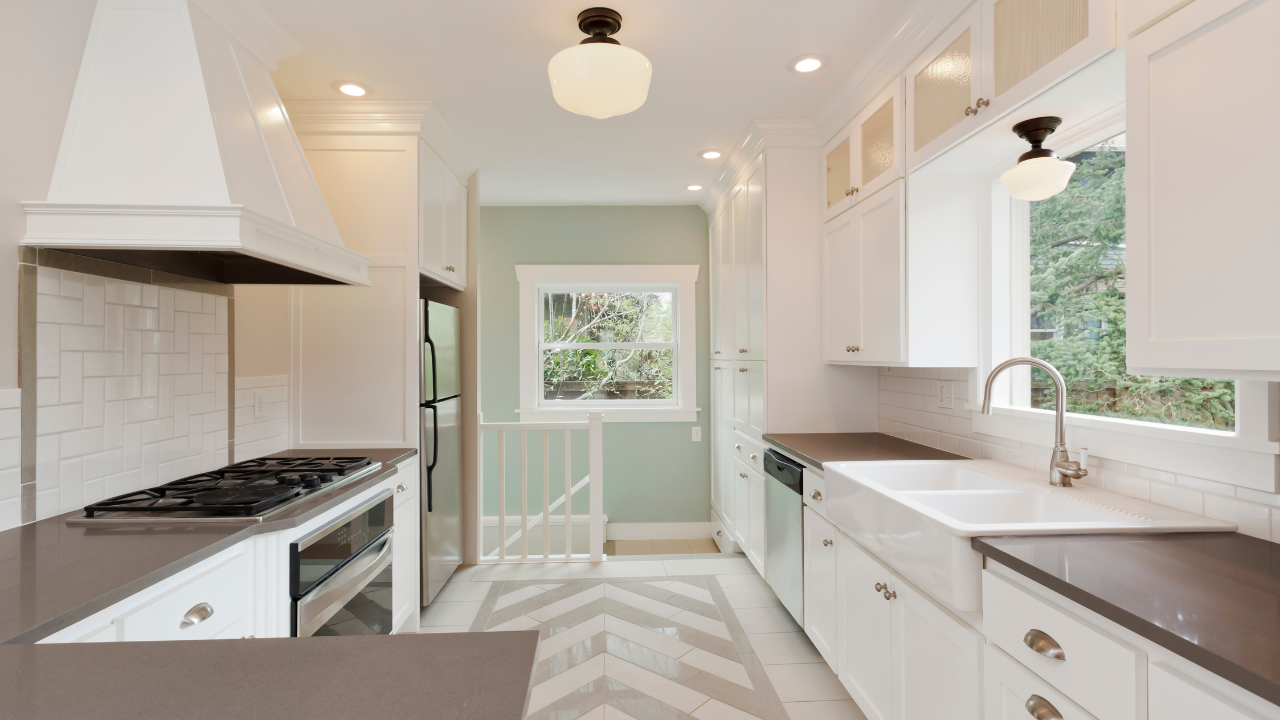
Linoleum: Classic, Organic, and Durable Eco-Friendly Flooring for Interiors
Don’t confuse linoleum with vinyl! Real linoleum is crafted from all-natural, biodegradable materials—like linseed oil, cork dust, and resin on a jute backing—making it a stellar option for eco-friendly flooring for interiors. Its color runs through the entire thickness, resisting scuffs and fading for decades.
- Wide range of colors and patterns; great for creative and playful designs.
- Resilient, water-resistant, and easy to maintain. Perfect for kitchens, bathrooms, and entryways.
- Look for certified brands for quality assurance.
Polished Concrete: Industrial Chic Meets Sustainability
Polished concrete isn’t just for warehouse lofts. It’s a durable, versatile choice for eco-friendly flooring for interiors. If your home already has a concrete slab, polishing it minimizes additional resource use and offers a modern, low-maintenance finish.
- Best for basements, open-plan living areas, and contemporary kitchens.
- Can be stained, tinted, or patterned for custom looks.
- Tips for concrete surfaces from our expert team.
Recycled Metal Tile: Sleek, Sustainable, and Unique
Metal tile flooring, made from recycled aluminum, stainless steel, or copper, is a bold and futuristic choice for eco-friendly flooring for interiors. These tiles are exceptionally durable, moisture-proof, and easy to clean. Plus, they make a stunning statement in modern kitchens and bathrooms.
- Available in various shapes, finishes, and inlays for personalized designs.
- Explore more metal tile possibilities.
Wool Carpet: Soft, Renewable, and Low-Impact Flooring for Interiors
Wool is a natural, biodegradable fiber that makes for luxurious carpets and area rugs—an excellent choice for eco-friendly flooring for interiors. Unlike synthetic carpets, wool is free from harsh chemicals and provides excellent insulation and sound absorption.
- Choose 100% pure wool with natural dyes and jute backing for maximum eco-friendliness.
- Ideal for bedrooms, nurseries, and cozy living areas.
- Easy to clean, naturally flame-resistant, and hypoallergenic.
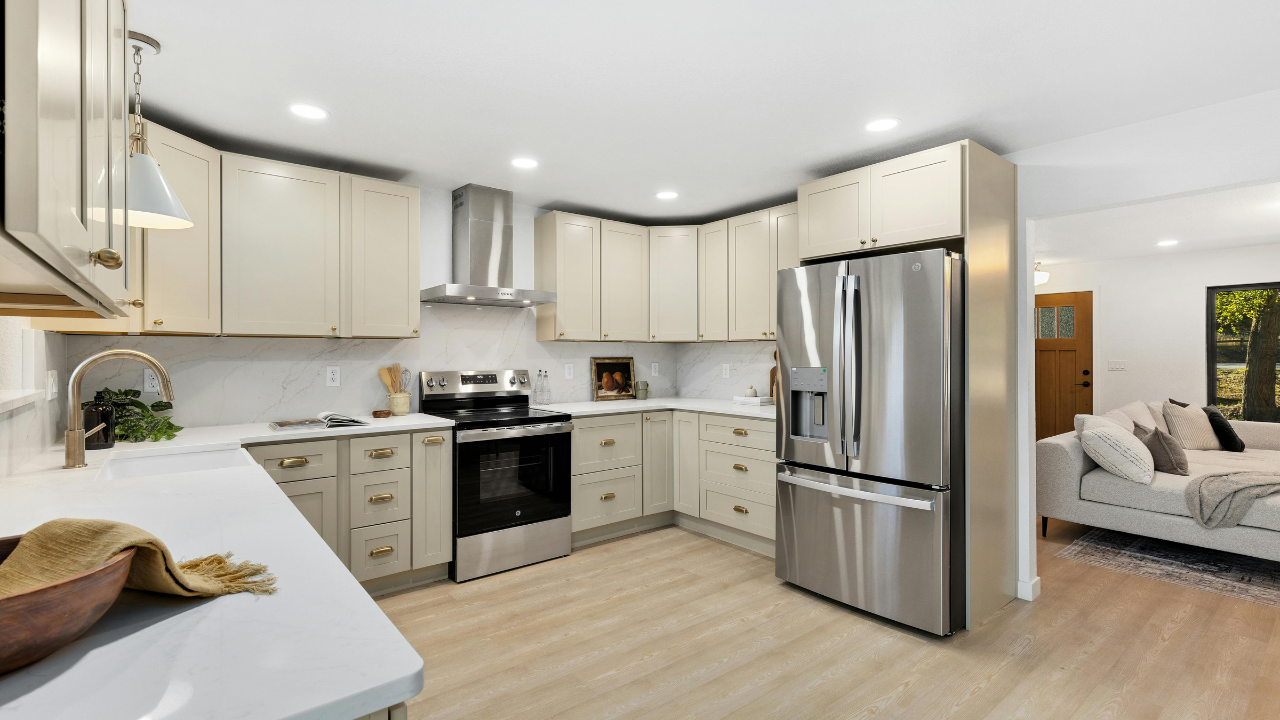
Recycled Rubber: Resilient and Earth-Friendly Flooring Solution
Recycled rubber flooring—commonly created from old tires and industrial scrap—offers slip resistance, noise reduction, and easy maintenance, making it a fantastic eco-friendly flooring for interiors, especially in active households or commercial spaces.
- Used in home gyms, playrooms, mudrooms, and laundry areas.
- Available in tiles or rolls; can be custom colored or patterned.
- Lasts for years and is soft underfoot.
Recycled Glass Tile: Colorful Upcycling for Floors
Recycled glass tiles are both eye-catching and sustainable. These tiles, crafted from post-consumer and post-industrial glass, waste reduce landfill overflow and bring vibrant color to bathrooms, kitchens, and entryways. Their non-porous surface also makes them waterproof and stain-resistant.
- Perfect for creative statements in small areas, bathrooms, or as accent sections mixed with other eco-friendly flooring for interiors.
- Check for reputable recycled glass options.
Choosing the Right Eco-Friendly Flooring for Interiors: What to Consider
With so many stunning options, how do you decide which sustainable flooring fits your home and lifestyle best? Here are essential criteria to weigh when making your decision for eco-friendly flooring for interiors:
- Room Functionality: Is it a high-moisture area, a place needing warmth, or a zone with heavy foot traffic?
- Maintenance Requirements: Some surfaces, like wool or cork, require unique cleaning approaches.
- Budget: Options like linoleum and rubber tend to be cost-effective, while reclaimed wood and recycled glass tiles can command premium pricing.
- Installation Process: Professional installation is recommended for certain materials to maximize sustainability and performance.
Be sure to consult with interior remodel specialists who have experience selecting and installing eco-friendly flooring for interiors. They can recommend solutions tailored to your home’s unique needs.
How Eco-Friendly Flooring for Interiors Boosts Your Home’s Value
Investing in eco-friendly flooring for interiors delivers impressive ROI, both in property value and everyday health. Homebuyers are increasingly attuned to green features, making your home more attractive on the market. You’ll also breathe easier, literally, with low- or zero-VOC materials improving air quality and reducing allergic reactions. Plus, many sustainable flooring options qualify for LEED points or local tax incentives, maximizing long-term benefits.
- For homes undergoing bathroom remodeling or kitchen updates, eco-friendly flooring can set your space apart from the rest.
Integrating Eco-Friendly Flooring with Your Home’s Design Vision
Eco-friendly flooring for interiors doesn’t just help save the planet—it’s a canvas for creative self-expression. Consider blending sustainable tile with reclaimed wood floors, or add a bold recycled glass entryway to set the tone for the rest of the home. The colors, finishes, and texture you choose will have a huge impact on your interior’s overall atmosphere.
- Collaborate with pros familiar with custom plans and blueprints to realize your eco-friendly vision from the foundation up.
- Ask your remodeler about locally sourced materials to further reduce your project’s carbon footprint.
Maintaining and Caring for Eco-Friendly Flooring for Interiors
Proper maintenance is crucial to safeguarding your investment in eco-friendly flooring for interiors. Each sustainable material has its distinct care requirements:
- Cork and Bamboo: Clean with PH-neutral, non-abrasive cleaners. Avoid prolonged standing water.
- Wool Carpet: Vacuum regularly, treat spots swiftly, and opt for professional, eco-friendly carpet cleaning quarterly.
- Recycled Glass: Wipe with gentle, streak-free cleaner to maintain shine and color intensity.
- For more tips, explore seasonal home care ideas to keep your beautiful interiors looking fresh all year long!
Smart Remodeling Upgrades Beyond Eco-Friendly Flooring for Interiors
Eco-friendly flooring is just the start of your sustainable home transformation. When you’re ready to go green, consider these additional upgrades for comprehensive environmentally conscious renovations:
- Switch to LED or solar-powered lighting fixtures for maximum energy savings.
- Incorporate low-flow plumbing and energy-efficient appliances into kitchen and bathroom remodels. See our guide to kitchen and bath tile advantages for more inspiration.
- Look for non-toxic, plant-based paints and wall finishes to complement eco-friendly flooring for interiors.
- Improve insulation and airtightness during additions or ADU projects to reduce energy waste.
Key Takeaways for Eco-Friendly Flooring for Interiors
- Eco-friendly flooring for interiors dramatically reduces environmental impact and improves indoor air quality.
- Top sustainable flooring options include bamboo, cork, reclaimed wood, linoleum, polished concrete, recycled metal, wool, rubber, and glass tiles.
- Each material has unique advantages in durability, style, and function—choose based on room needs and aesthetic.
- Sustainable flooring increases home value and attracts environmentally-conscious buyers.
- Proper installation and premium maintenance extend the lifespan of your eco-friendly floors.
- Pair eco-friendly flooring with other green remodeling upgrades for maximum impact.
- Work with skilled remodelers for expert guidance on design, installation, and material sourcing.
Frequently Asked Questions About Eco-Friendly Flooring for Interiors
- What is the most durable eco-friendly flooring for interiors?
- Bamboo, polished concrete, and reclaimed hardwood are among the most durable, sustainable options for active spaces.
- How do I know if my flooring is truly eco-friendly?
- Look for third-party certifications like FSC, GreenGuard, or Cradle to Cradle and ask about materials, adhesives, and manufacturing processes used.
- Can eco-friendly flooring for interiors fit any design style?
- Absolutely! Sustainable floors are available in a wide range of colors, textures, and patterns to match any traditional or modern décor.
- Is eco-friendly flooring more expensive than traditional options?
- Some options may have a higher upfront cost, but their longevity, health benefits, and energy efficiency often deliver better long-term value.
- Do I need to hire a specialist to install sustainable floors?
- For the best results, work with contractors experienced in eco-friendly flooring for interiors who understand material-specific installation techniques and best practices.
“`