Opening paragraph starting with content… If you’ve ever walked into a small, dimly lit room and wished it felt more open and welcoming, you’re not alone. Struggling with limited sunlight can make even the most charming spaces feel cramped or uninspired. Learning how to maximize natural light is a game-changer for small rooms, instantly transforming the look, mood, and energy of any area in your home. From my years helping homeowners unlock their rooms’ true potential, I know that making smart design choices can flood your space with uplifting daylight—no renovations required! Let’s explore six expert-approved ways to maximize natural light for a vibrant, inviting abode that will make you love every square foot.
Maximize Natural Light With Thoughtful Window Treatments
One of the easiest ways to maximize natural light is to start with your windows. Thick drapes or heavy blinds can stifle sunshine, making your room look darker and smaller than it should. Instead, opt for light-filtering treatments like sheer curtains or woven shades. These materials maintain your privacy while allowing daylight to pour in and visually expand the area.
- Choose sheer white or cream curtains to reflect more sunlight into the room.
- For even more control, layer light sheers with blackout shades that you can pull down only at night.
- Keep window sills clutter-free; avoid placing bulky furniture or decorative objects directly in front of windows, as they disrupt light pathways.
- Install curtain rods a few inches above the window frame and extend them wider than the frame itself—this creates an optical illusion of broader windows and prevents fabric from blocking the light.
If you’re planning a remodel, consider enlarging existing windows or installing transom or clerestory windows to improve daylight flow. For inspiration, check out the expert insights on window upgrades and exterior remodeling.
Reflect and Amplify: Using Mirrors to Maximize Natural Light
Mirrors are your secret weapon when you want to instantly maximize natural light in a cozy space. By strategically placing mirrors opposite or adjacent to windows, you double the impact of incoming sunlight and visually broaden the room. This trick works in living rooms, bedrooms, bathrooms, and even small kitchens that tend to feel shadowed.
Best Practices for Mirror Placement
If you’re not sure where to start, consider these pro tips:
- Mount a large mirror directly across from a window to capture and redistribute daylight throughout the room.
- Choose mirrored or high-gloss furniture like side tables or cabinet fronts to bounce more light around.
- Try placing mirrors near corners to minimize shadows and make the most of every sunbeam.
- For setups with narrow or limited wall space, a series of smaller mirrors in a unified style can create a similar effect.
Remodeling pros often use these reflection strategies in modern interior makeovers because they yield bold results without breaking the bank. For more visual tricks, browse expert articles on HGTV.
Brighten Up With the Right Paint Colors to Maximize Natural Light
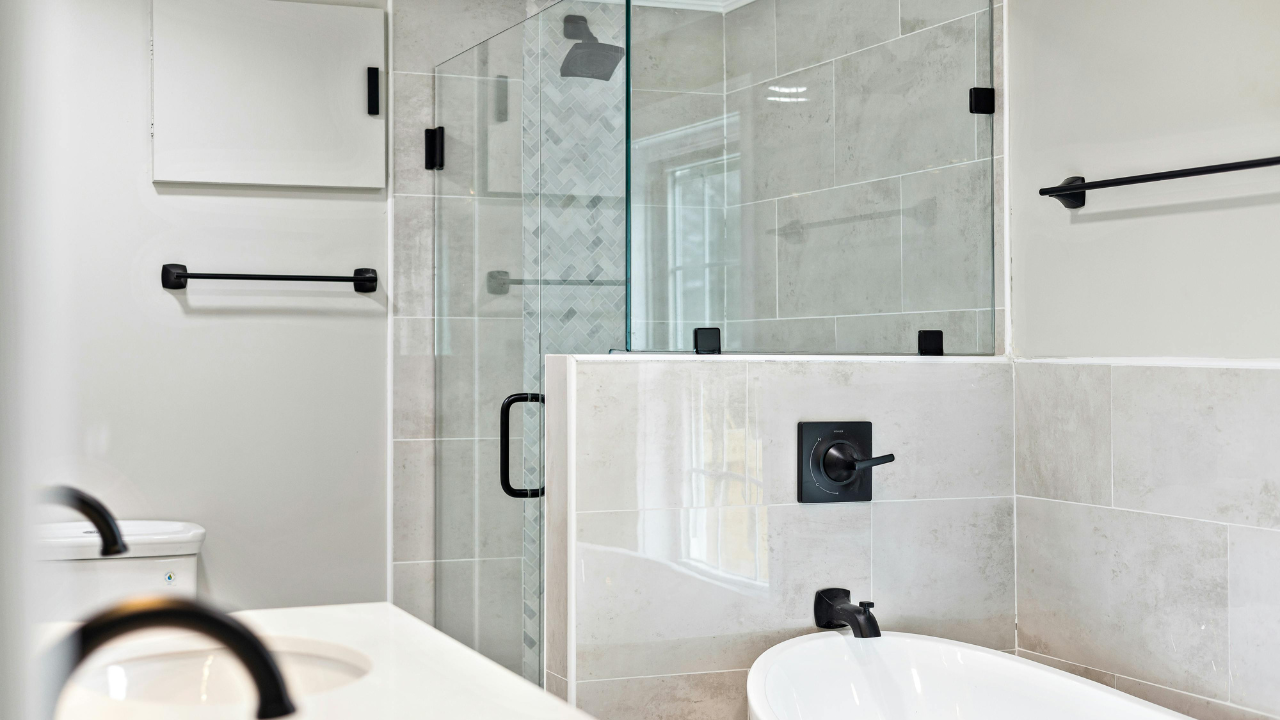
The paint color you select isn’t just about aesthetics—it plays a crucial role in helping you maximize natural light. Lighter hues reflect beams instead of absorbing them, making rooms feel fresh, open, and expansive.
Top Paint Choices for Small, Sun-Starved Spaces
- Opt for crisp, clean whites, soft creams, pale blues, and muted grays to bounce daylight across every surface.
- Use a satin or eggshell finish for walls and a semi-gloss finish for trim or ceilings to enhance reflectivity.
- Paint window frames a lighter color than your walls for contrast and to “frame” the view outside, bringing more focus to the light source.
- If you want a touch of color, stick to pastels or cool-toned neutrals for a serene effect.
Thinking about a bigger change? Visit plans and blueprints for remodeling for guidance on choosing the ideal palettes for your project. The National Kitchen & Bath Association (NKBA) also highlights trending light-reflective finishes for every room.
Optimize Furniture and Layout to Maximize Natural Light
Sometimes, maximizing natural light is about rearranging—not replacing—what you already have. The wrong furniture placement can cast deep shadows and block light, so arrange your pieces to promote sunlight flow.
Layout Tips for a Sunlit Room
- Prioritize open-space layouts; keep pathways clear and avoid clustering large items near windows.
- Opt for lightweight, low-profile furniture with legs that allow sunlight to pass underneath.
- Choose glass, acrylic, or metallic elements for tables, shelving, or accents—they subtly reflect light without overwhelming the space.
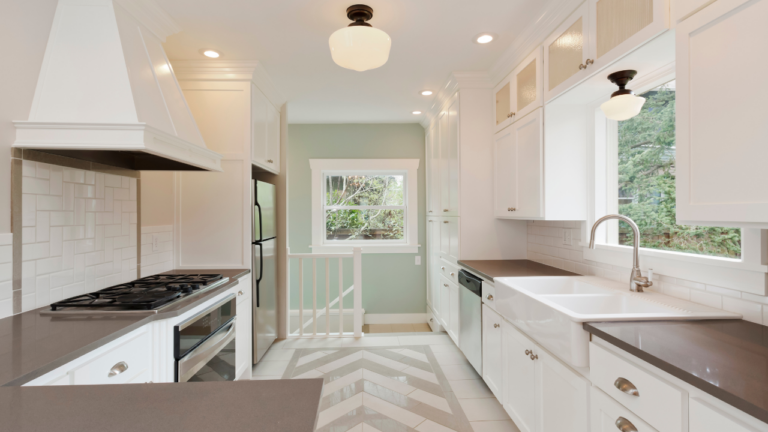
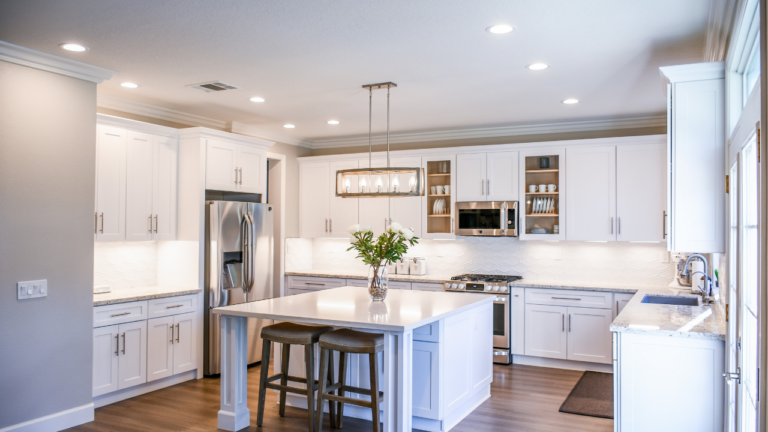
- In tiny kitchens, use compact center islands or floating shelves to keep things airy and bright. Explore more with these kitchen remodeling tips.
For dividing functional zones, try using open or see-through partitions like slatted screens rather than solid walls, which can disrupt daylight flow entirely.
Clever Lighting and Fixtures That Enhance Natural Light
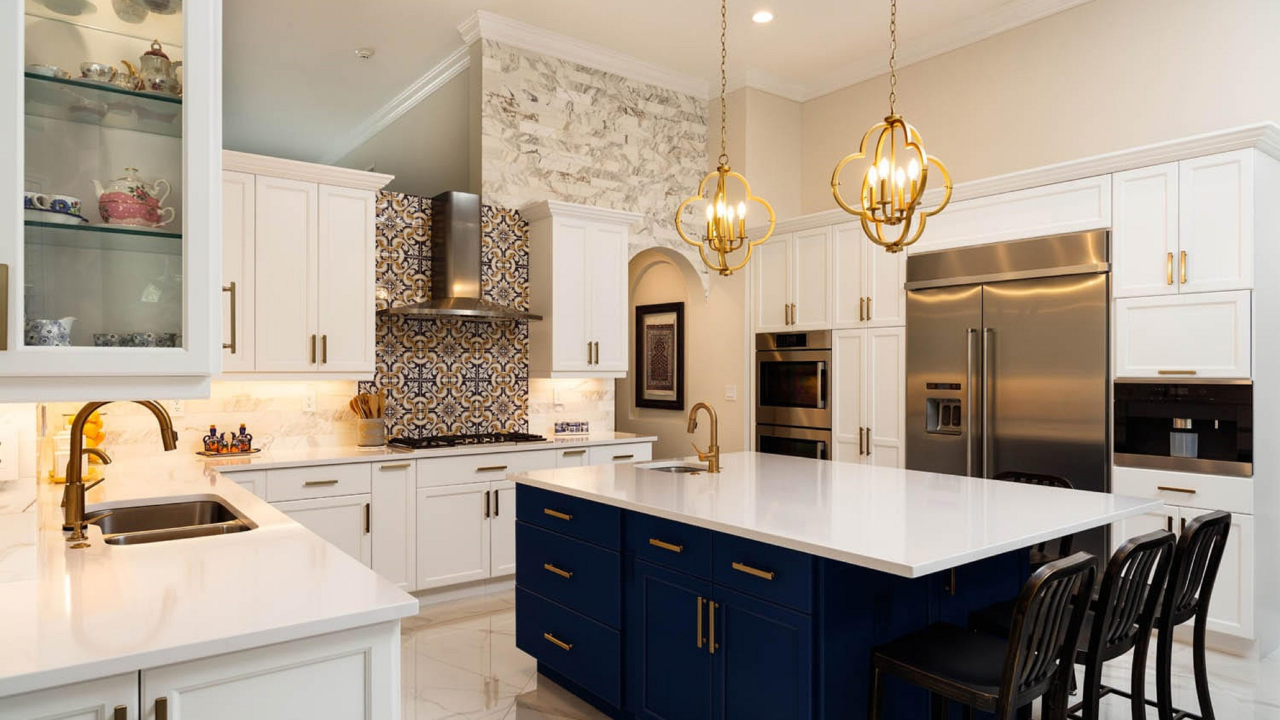
Excellent lighting design doesn’t just supplement natural sunshine—it complements and amplifies it. When you maximize natural light with the right artificial fixtures, your small room will look welcoming even on cloudy days or after sunset.
- Install layered lighting (ambient, task, accent) to ensure balanced brightness throughout the day.
- Use unobtrusive fixtures such as recessed LEDs, wall sconces, or slim-profile pendants that direct light upward or outward.
- Choose bulbs with a color temperature between 2700K and 3500K, which mimic warm daylight.
- Smart dimmers and adjustable systems allow you to tweak the atmosphere in response to changing daylight. Learn about energy-efficient upgrades on This Old House Lighting Tips.
Where appropriate, use glass lamp shades or fixtures with reflective surfaces. Consider creative lighting layouts during your next addition or structured work project to blend artificial and natural brightness seamlessly.
Architectural Features That Maximize Natural Light
If you’re open to structural improvements, a few architectural tweaks can dramatically maximize natural light in small rooms. Even older homes can benefit from contemporary upgrades designed for brightness and openness.
Renovation Ideas for Increasing Daylight
- Add skylights or solar tubes to bring natural beams into spaces with limited window access.
- Replace solid doors with French doors or glass inserts to connect rooms and let sunshine travel deeper into your home.
- Remove non-essential walls—or use “pocket” doors—to turn individual rooms into flexible, sunlit open plans.
- Consider installing reflective or light-colored flooring materials, like polished wood or light ceramic tiles. See more tile ideas for light reflection on kitchen and bath tile advantages.
Whenever possible, coordinate your remodeling plans with a professional to ensure every adjustment fits your room’s character, budget, and intended use. Refer to home improvement ideas for summer for seasonal daylight-boosting changes.
Accessorize to Maximize Natural Light
The right accessories can subtly yet powerfully maximize natural light. Small changes—like selecting lighter area rugs, using chrome or glass décor, and curating greenery—invite sunshine in while personalizing your small rooms.
Effective Accessory Approaches
- Place glossy, metallic, or glass décor pieces near light sources to amplify the “bounce-back” effect.
- Select pale-colored, lightweight fabrics for throws, pillows, and rugs to create a cohesive bright look.
- Position indoor plants near windows; they’ll thrive on the extra sunlight and soften the overall design.
- If you display artwork, choose light-colored frames or use floating glass frames that don’t cut off light flow.
For more design inspiration on enhancing small rooms, review guides from Houzz Magazine and consult with experienced remodelers who can help you integrate accessories with function in mind.
Key Takeaways for Maximizing Natural Light in Small Rooms
- Sheer or light fabric window treatments let sunshine in while offering privacy.
- Strategic use of mirrors and reflective surfaces doubles natural daylight in your room.
- Lighter paint colors brighten interiors and maximize every available ray.
- Clever furniture placement and airy layouts help light travel farther.
- Layered lighting systems enhance both natural and artificial brightness.
- Architectural features like skylights and glass doors amplify openness.
- Simple, bright accessories elevate sunlight while keeping rooms personal.
Frequently Asked Questions About Maximizing Natural Light in Small Rooms
How do I maximize natural light in a windowless room?
Use mirrors to reflect light from adjoining spaces, choose light-colored finishes, and add artificial lighting that mimics daylight. If possible, consider installing solar tubes or borrowing light through glass doors or partition walls.
Will painting my walls white always maximize natural light?
White paint reflects the most light, but pale pastels and cool-toned neutrals can also brighten a room while adding a touch of warmth or character.
Are sheer curtains effective at maximizing natural light and maintaining privacy?
Yes, sheer curtains filter daylight and provide some privacy. For greater privacy in bedrooms or bathrooms, layer sheers with shades or use patterned translucent fabrics.
How can furniture placement help maximize natural light?
Keep large pieces away from windows and opt for open, legged furniture layouts so light easily travels across the space. Use glass or acrylic pieces to further the effect.
What remodeling choices offer the biggest boost in natural light?
Adding larger windows, skylights, glass doors, or even light-colored flooring has the most significant impact, especially when combined with thoughtful room design.
Can certain flooring choices help maximize natural light?
Yes, light-colored, glossy, or reflective flooring (such as polished wood or ceramic tile) bounces sunlight around and makes rooms feel brighter.