“`html
Blending Room Additions: 8 Refreshingly Simple Ways to Harmonize Old and New Spaces
Have you ever walked into a home and instantly noticed where the new construction started and the original space stopped? You’re not alone—blending room additions seamlessly is one of the biggest challenges (and opportunities!) in remodeling. But with a strategic approach, you can masterfully merge your new and existing spaces, creating a harmonious and inviting home where old and new enhancements feel completely unified. In this guide, you’ll discover eight easy, professional strategies for blending room additions with your existing home. Whether you’re planning a large family room expansion, an extra bathroom, or a custom kitchen bump-out, these blending room additions principles will help you achieve flawless design integration: your addition will look like it’s always been a natural part of your home’s story.
The Importance of Thoughtful Design in Blending Room Additions
Before we dive into the practical steps, let’s talk about why blending room additions thoughtfully is essential. Adding square footage changes your home’s flow, appearance, and even its value. Without careful planning and blueprints, a home addition can feel like a “bolt-on”—jarring and disconnected. A well-blended room addition, by contrast, preserves your home’s character and ensures the comfort and cohesion of everyday living. Not only does this enhance curb appeal, but it also increases the enjoyment and resale value of your home (see more about how additions impact value on HGTV).
Matching Architecture Styles: The First Step to Seamless Blending Room Additions
When tackling blending room additions, the overall architectural lines and shapes set the foundation for everything else. Consider roof pitch, window proportions, trim work, and major transitions between old and new areas. For example:
- Continue the same roofline, eaves, and soffit details to link structures seamlessly.
- Mirror the shape and size of windows and doors for visual consistency.
- Match architectural details—such as cornices, brick patterns, or siding direction—for an instant sense of unity.
If your home is a Cape Cod, don’t add an ultra-modern glass box to the side—bridge the gap by referencing the home’s defining features. A skilled remodeler can use 3D modeling software or detailed home plans to ensure your addition fits in from the very start.
Integrating Interior Finishes: A Designer’s Secret for Blending Room Additions
You might not realize it, but flooring, millwork, wall texture, and paint colors have a dramatic impact when blending room additions. For true cohesion, use these interior design integration tactics:
i. Continue or Transition Flooring Intentionally
If possible, use the same flooring material across both old and new spaces. If exact matching isn’t possible (due to aging or availability), create a purposeful transition with a contrasting border or use a complementary material from the same color family. For more inspiration, check out our guide to interior remodeling strategies.
ii. Consistent Trim, Doors, and Hardware
Reproduce existing baseboards, crown molding, doors, and window casings. Even when updating, subtle echoes of these elements tie spaces together. Match hardware finishes (knobs, pulls, and hinges), so nothing feels out of place during your blending room additions process.
Color and Lighting Schemes: Your Secret Weapons for Harmonizing Spaces
Color isn’t just about paint—it’s the “glue” that binds visual transitions. Stick with a consistent palette or gently gradient from one area to the next. When adding new rooms, try these designer secrets:
- Maintain Color Harmony: Use the same or complementary wall colors across adjoining rooms.
- Connect with Accent Colors: Repeat accent colors—like a deep blue or crisp white—from the original home into the addition by way of textiles, tilework, or millwork.
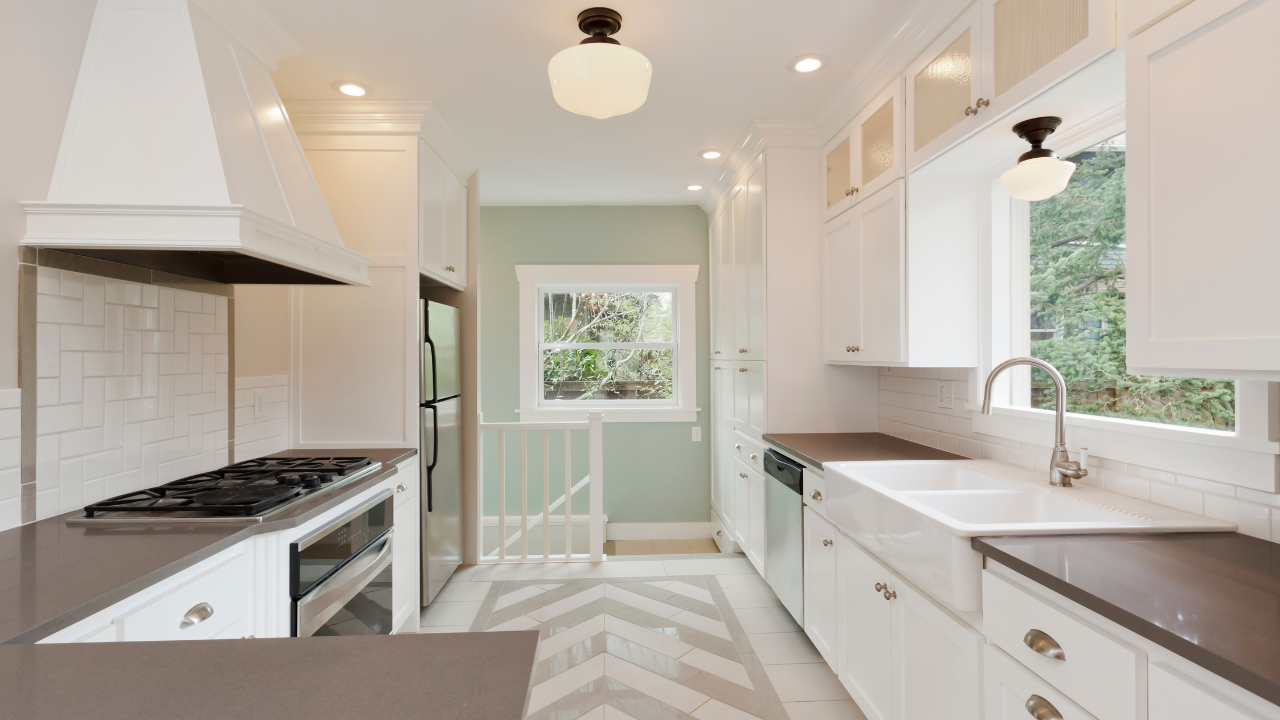
- Uniform Lighting Fixtures: Use similar or coordinated light fixtures and consider lighting temperature to unify new and old.
An updated overhead light or matching sconces can instantly carry design language from one space to the next. Well-planned, layered lighting also keeps additions bright and welcoming—a crucial tip for any room expansion or ADU project.
Blending Room Additions from the Exterior: Curb Appeal Matters Too
The exterior is the first thing guests—and potential buyers—see. When blending room additions, pay close attention to these common design integration elements:
- Siding and Brickwork: Match new siding or brick to the existing exterior finish as closely as possible. If that’s not possible, consider adding a band or reveal as a detail to make the transition look intentional, not accidental.
- Roofing Materials: Use the same (or best-matching) shingles or tiles to maintain a cohesive silhouette and color palette.
- Outdoor Lighting and Landscaping: Replicate design features like walkway lighting, garden beds, and fences to visually weave the addition into your home’s surroundings (see inspiring exteriors on Houzz).
Blending Room Additions with Transitional Spaces: The Art of the Threshold
The spot where your old home meets your new addition can be the most noticeable—and most awkward—transition. Use these strategies for blending room additions through clever connections:
- Double Doorways: Use extra-wide or cased openings to gracefully link rooms.
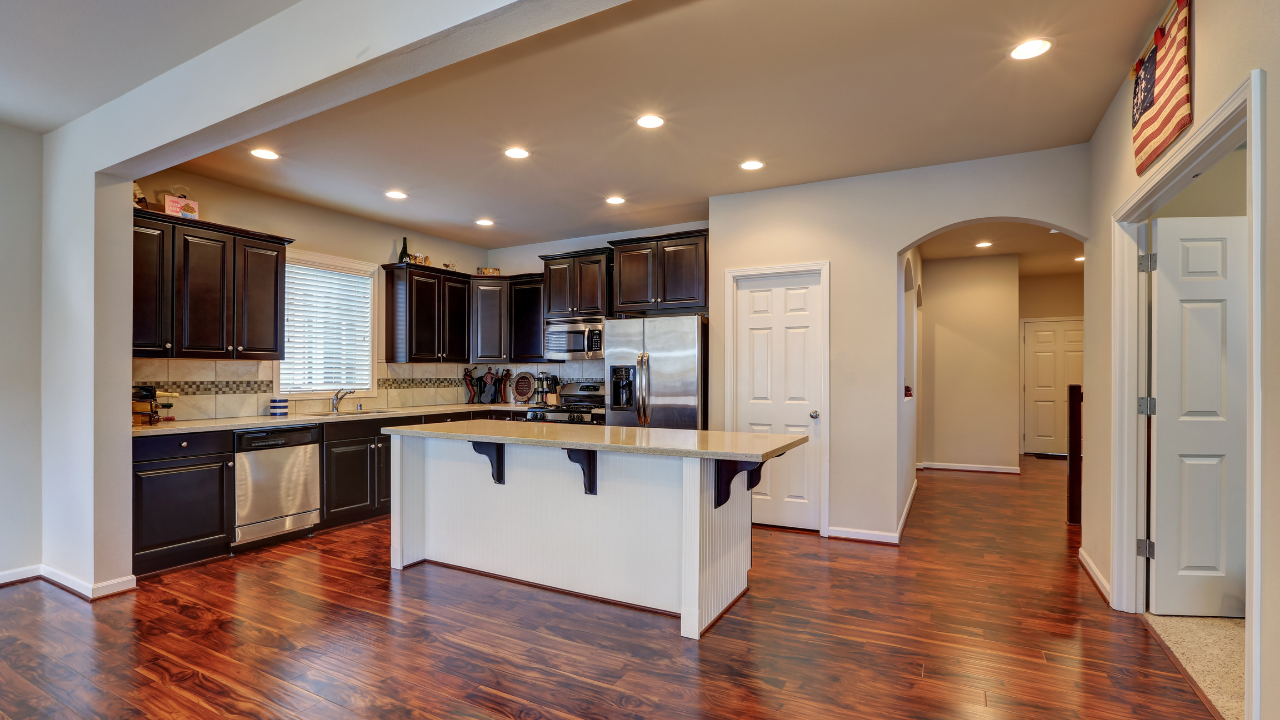
- Buffer Zones: Small hallways, built-in bookcases, or sunken steps can ease the shift between spaces.
- Accent Features: Install a dramatic arch, statement light fixture, or piece of art to mark the transition elegantly.
Designing these “bridges” thoughtfully can disguise the addition join and create natural flow throughout your home. You’ll find that well-planned transitions are a hallmark of professional interior remodeling.
Maintaining Functionality While Blending Room Additions
Beyond aesthetics, every blending room additions project should function as if it was always part of the original plan. For true design integration, think beyond looks:
- Align heating/cooling vents, plumbing, and electrical systems for a seamless experience.
- Ensure clear traffic patterns—rooms should connect and flow without bottlenecks or dead ends.
- Optimize storage and accessibility in both old and new areas—maximize built-ins and clever cabinetry (read more kitchen design tips).
Functionality impacts everyday comfort and should be a top priority when you’re pursuing blending room additions.
Top Blending Room Additions Pitfalls to Avoid
Even experienced homeowners can stumble when they overlook a few key details in blending room additions. Steer clear of these common mistakes:
- Ignoring Scale: Don’t let your addition overshadow the original structure. Maintain proportional height, depth, and roof pitch wherever possible.
- Random Window Placement: Keep window styles and groupings similar on both old and new walls.
- Mismatched Materials: Never “mix and match” bricks, stucco, or shingles without careful planning. Manufacturers change colors over time—test samples in natural light.
- Skipping Professional Designs: Even if you’ve got an eye for color or style, it pays to work with a seasoned remodeling team dedicated to design integration and code compliance.
Take your time, review every finish, and always ask, “Does this look like it was always meant to be here?” That litmus test will keep your blending efforts on track.
Blending Room Additions to Bathrooms and Kitchens: Special Considerations
It’s no secret—kitchens and bathrooms are among the most rewarding, yet challenging, types of room additions. For optimal results:
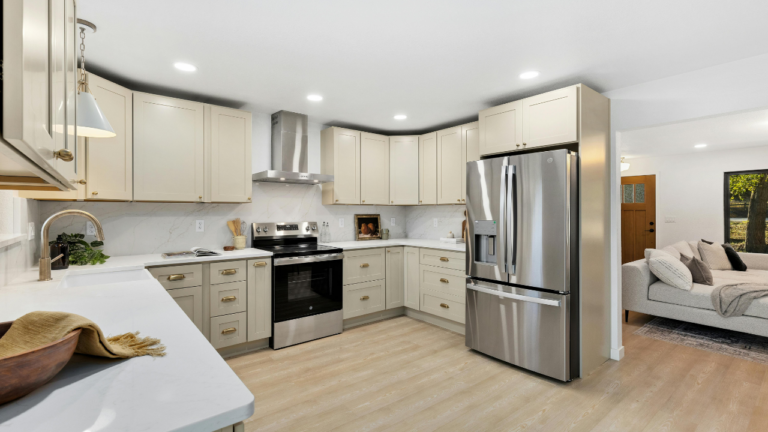
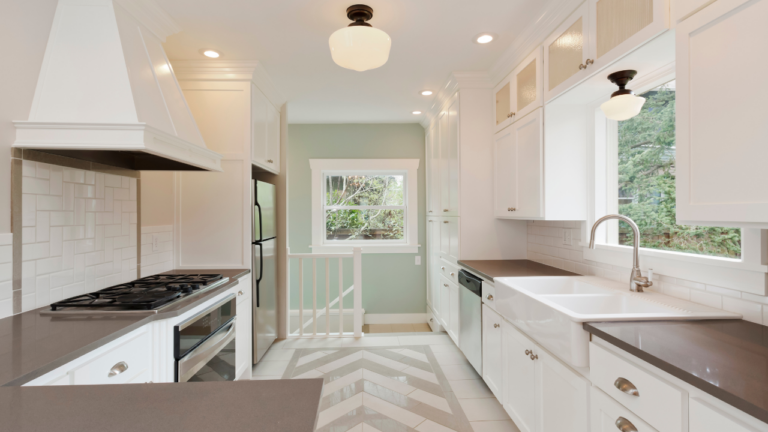
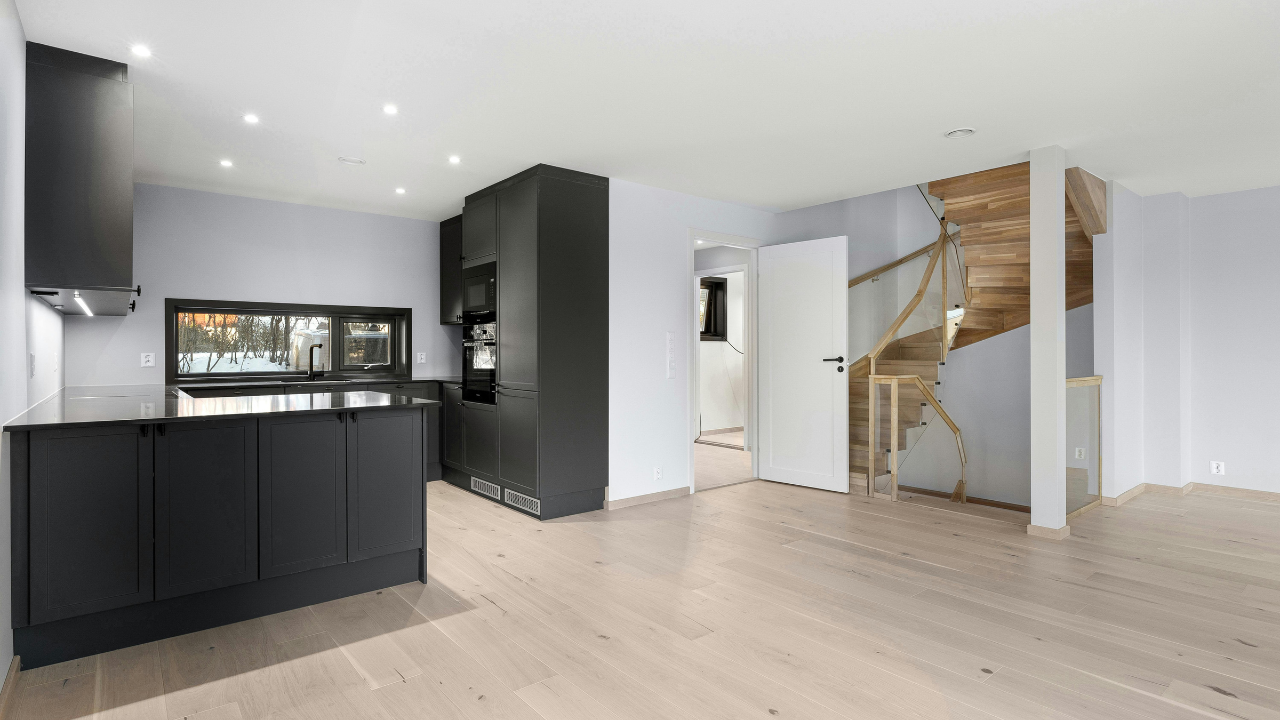
- Match (or closely mimic) cabinetry styles and countertop materials to unify spaces.
- Echo tile patterns and finishes—even if colors are updated, using a similar scale or grout technique ties new and old together. Discover the advantages of modern kitchen and bath tiles.
- Recreate any decorative trim, molding, or ceiling details found in the adjacent original rooms.
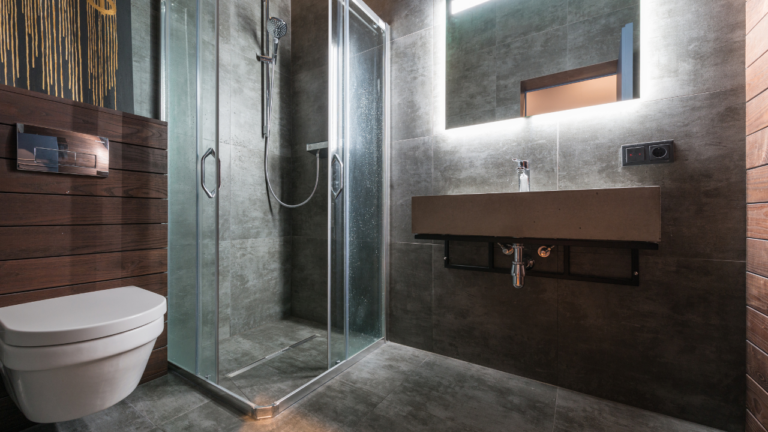
Bathrooms, in particular, pose flooring and lighting challenges—work with pros to extend waterproofing and match fixtures for a truly cohesive look, as explained in our expert bathroom remodeling guide.
Blending Room Additions with Smart Technology Upgrades
Modernizing your home? Integrate smart lights, thermostats, or security systems throughout the old and new zones—not just in the addition. This ensures seamless functionality and comfort for current living patterns and future-proofing as well. For code compliance with new additions, see established guidelines from the National Kitchen & Bath Association and consult your local building district.
Blending Room Additions Timeline: When to Plan Each Step
Here’s a sample timeline for blending room additions for best results:
- Engage a Professional Designer: Start with a vision and architectural plans that address both aesthetic and functional blending.
- Choose Your Materials: Order exterior and interior finishes early to avoid delays and mismatches.
- Implement Site Preparation: Begin with structural work and rough installations that support overall design integration (learn about ADU and addition timelines).
- Install Finishes Thoughtfully: Carefully blend flooring, trim, cabinetry, and hardware in final construction stages.
- Do a Walkthrough: Review the whole space for consistency—get input from pros and fresh eyes alike.
Taking blending room additions one phase at a time, with a focus on detail, guarantees a final product you’ll love for decades.
Key Takeaways for Blending Room Additions
- Blending room additions starts with matching your home’s existing architectural style and maintaining consistent lines and shapes.
- Interior finishes—like flooring, trim, and hardware—are crucial for a seamless transition between old and new spaces.
- Consistent color palettes and coordinated lighting unify the overall look and feel of your rooms.
- Exterior finishes, window placements, and roof materials must be coordinated to maximize curb appeal in blending room additions projects.
- Buffer zones and transitional features, such as wide doorways or accent arches, help blend additions smoothly into existing living areas.
- In high-impact spaces like kitchens and bathrooms, repeat design motifs and finishes for true design integration.
- Technology upgrades or smart home features should be extended throughout both new and original areas.
- A step-by-step, detail-oriented approach—supported by professional planning—produces seamless, value-adding results.
Frequently Asked Questions About Blending Room Additions
What’s the most important factor for blending room additions?
The most crucial factor is maintaining design consistency—matching architectural details, finishes, and color palettes—so your addition looks like an organic extension of your original home.
Can I create a seamless blend if my old materials are discontinued?
Yes; professional remodelers can often custom-match finishes or suggest transitional elements to harmonize new and old sections, such as contrasting border tiles or trim reveals.
Is it possible to blend an ultra-modern addition with a traditional home?
Absolutely—with careful reference to existing shapes, lines, or materials, and thoughtful transitional design elements, even different styles can coexist beautifully and intentionally.
How do I handle blending room additions for small spaces?
In smaller additions, maximize light, use consistent materials, and consider open-concept design to create a sense of unity and flow with the existing layout.
How soon should I involve a design professional?
Engage a design professional at the very beginning, even before demolition or purchasing materials—they’ll help you avoid costly mistakes and ensure smooth, integrated results.
“`