Biophilic Interior Design: 6 Smart Ways to Bring Nature Into Your Urban Space
Imagine stepping into your urban apartment after a long, hectic day—only to instantly feel calmer, more energized, and genuinely at peace. That’s the transformative power of biophilic interior design, a holistic approach that reintroduces the restorative elements of nature into your living environment. As an experienced home remodeling professional, I’ve witnessed firsthand how creative nature-inspired interiors can not only enhance your home’s beauty but also boost well-being, productivity, and happiness. If you’re ready to unlock the positive energy of nature right where you live, explore these 6 smart strategies for implementing biophilic interior design—no matter how small your urban space may be.
What Is Biophilic Interior Design and Why Should You Care?
Biophilic interior design is more than just adding a few houseplants or wooden accents. It’s rooted in the concept of biophilia: the innate human connection to nature. This design philosophy aims to integrate natural elements—like light, water, texture, color, and patterns—seamlessly into indoor environments. Research consistently shows that nature-inspired interiors can:
- Reduce stress and anxiety
- Boost focus and creativity
- Improve air quality and sleep
- Enhance mood and overall health
In our fast-paced cities, biophilic interior design isn’t just a trend—it’s a wellness necessity. With a thoughtful approach, you can transform your interior spaces into restorative retreats that inspire daily joy and connection to the outdoors.
1. Maximizing Natural Light: The Foundation of Biophilic Interior Design
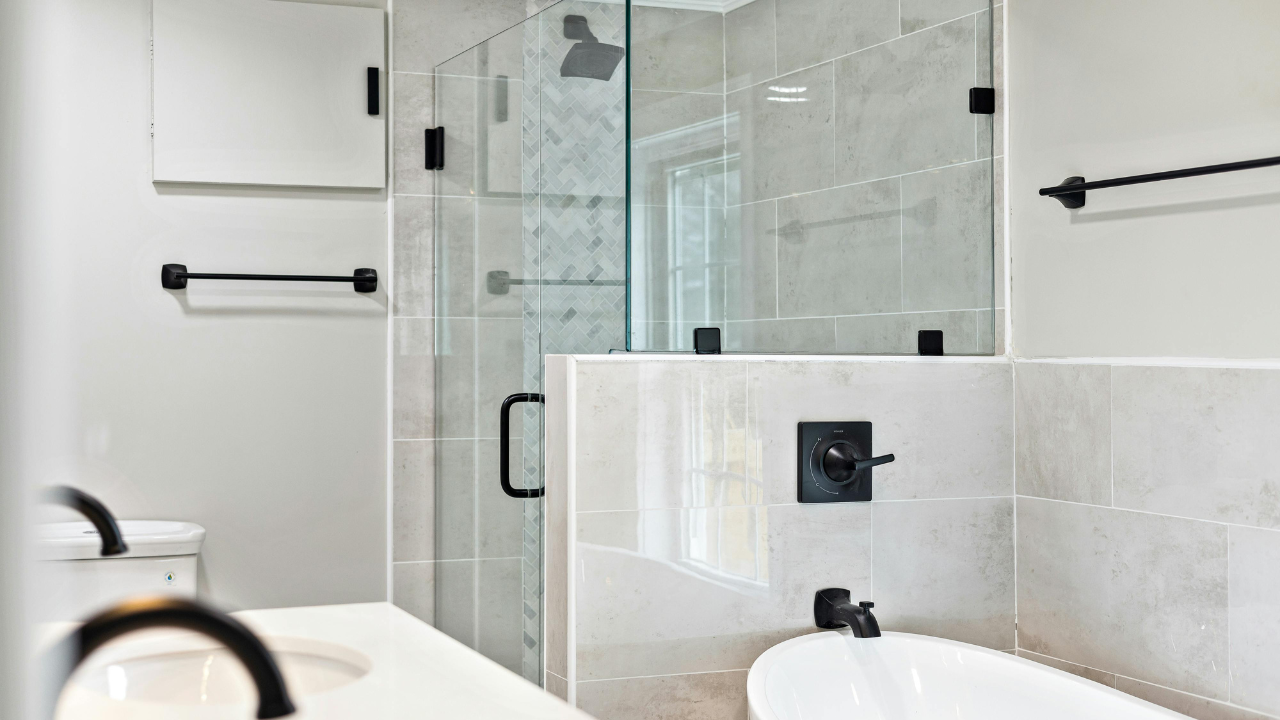
Natural light is central to any biophilic interior design project. It boosts vitamin D, regulates your circadian rhythm, and brings the outdoors in—making your space both healthier and more inviting.
Effective Strategies for Natural Light Integration
- Remove heavy window treatments: Opt for sheer curtains or adjustable blinds to maximize sunlight flow.
- Add mirrors to reflect light: Strategically placed mirrors can amplify daylight, making rooms feel larger and brighter.
- Consider glass doors or partitions: When possible, swap solid doors or divider walls with glass alternatives to allow light to travel further.
Even in lower-light apartments, creative remodeling—like updating floor plans—can make a significant difference. For professional guidance, explore our custom remodeling interior solutions.
2. Bringing in Live Plants—and Choosing the Right Greenery for Urban Homes
The visual and air-purifying benefits of live plants are a key ingredient in biophilic interior design. But if your city lifestyle means low light or minimal care time, choose resilient, low-maintenance species for maximum impact without extra hassle.
Urban-Friendly Plant Choices for Every Space
- Snake plant (Sansevieria): Ideal for bedrooms due to its air-purifying abilities and tolerance for low light.
- Pothos and philodendrons: Fast-growing vines that thrive in hanging baskets or high shelves.
- Peace lily: A lush, shade-loving option perfect for bathrooms or offices.
Display your plants in clusters or at varied heights for a layered, jungle vibe. If you’re updating your kitchen or bathroom, ask your remodeler about integrated planter shelving and custom windowsills for a seamless, modern look.
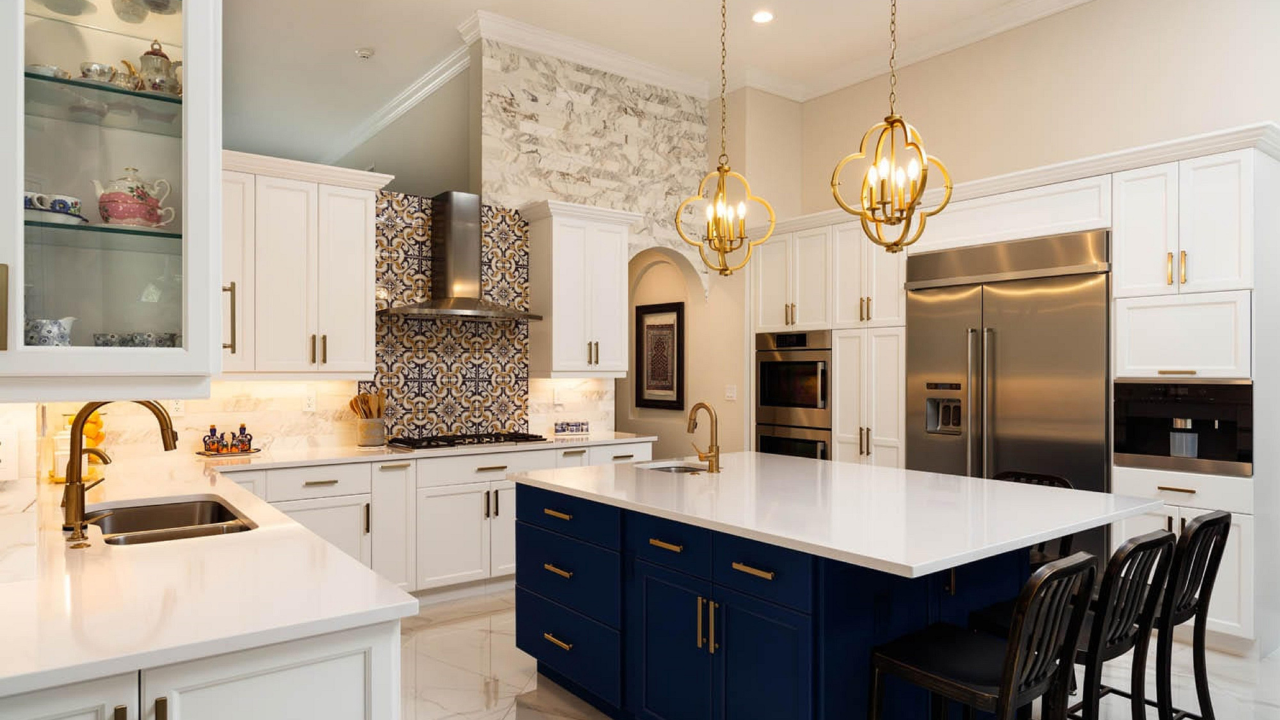
3. Embracing Natural Materials and Textures in Biophilic Interior Design
One hallmark of biophilic interior design is the use of natural, tactile materials. Think exposed wood beams, stone countertops, woven baskets, and organic fabrics. Incorporating these elements grounds your space, introduces visual interest, and fosters a tranquil, earthy atmosphere.
Creative Ways to Introduce Natural Materials
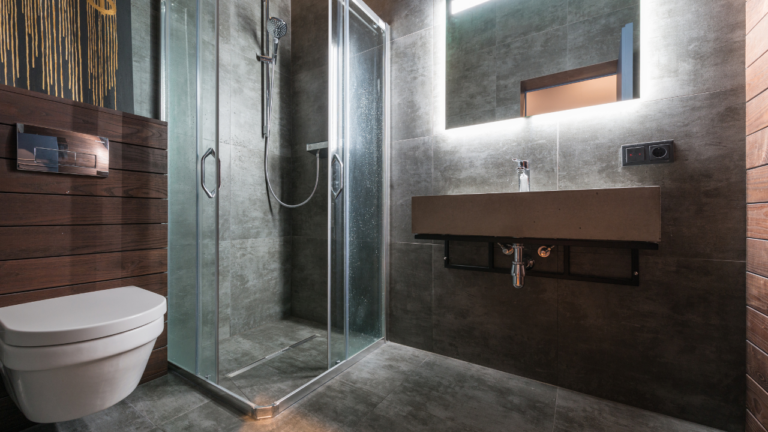
- Wood accent walls and cabinetry: Use reclaimed planks or bamboo for sustainability and warmth.
- Stone and ceramic tile: Great for bathroom and kitchen remodels; consider terrazzo, slate, or textured tiles.
- Wool, linen, or jute textiles: Opt for natural fibers in rugs, throws, or cushion covers to soften urban edges.
Looking for tile ideas? Check out kitchen and bath tile trends for biophilic design inspiration tailored to functional spaces.
4. Water Features and the Calming Effects of Flow
The soothing sights and sounds of water are transformative in biophilic interior design. No, you don’t need a giant fountain! Even small water features—like a tabletop fountain or wall-mounted waterfall—introduce calming energy and aid relaxation.
Tip: Where and How to Install Indoor Water Elements
- Place compact fountains near workspaces, meditation corners, or entryways for a refreshing ambiance.
- Consult a remodeling contractor to ensure proper waterproofing and electrical safety.
- Combine with outdoor landscaping for indoor-outdoor flow if your space includes a patio, balcony, or garden entry.
Learn more about integrating water features for healthy living from trusted sources like HGTV’s water feature guide.
5. Biophilic Color Palettes: Using Earth Tones and Nature-Inspired Hues
Color has a profound emotional and psychological impact. The core principle in biophilic interior design is to echo the shades found in nature—lush greens, serene blues, sandy neutrals, and sunlit yellows—for a harmonious and inviting setting.
How to Build a Cohesive Nature-Inspired Palette
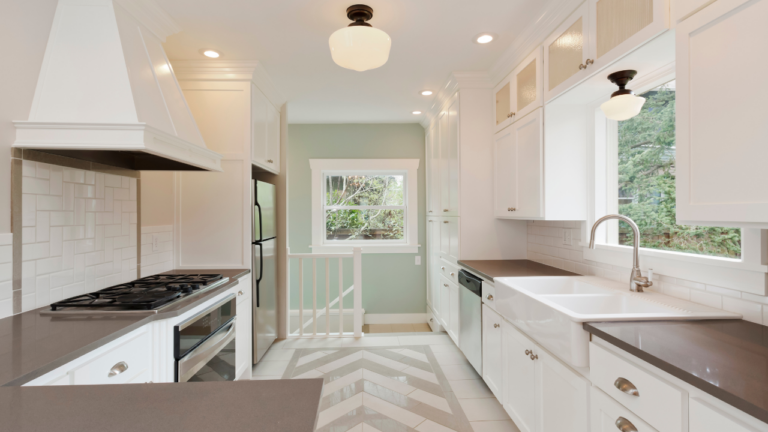
- Start with a neutral base: Whites, beiges, taupes, or soft grays mirror earth and sky backgrounds.
- Add accent colors: Bring in botanically inspired hues like moss green, terracotta, indigo, or ochre for depth and personality.
- Use color zoning: Separate functional areas or create feature walls with blocks of nature-inspired color.
Check out This Old House’s guide to color harmony for actionable tips on pulling nature’s palette into your biophilic interior design adventures.
6. Designing Flow and Connection: Open Layouts in Biophilic Interior Design
The feeling of connection—to both nature and to different parts of your home—is fundamental in biophilic design. Open layouts, flexible room dividers, and enhanced sight lines create better air flow and a sense of spaciousness, even in compact city apartments.
Key Remodeling Tactics for Dynamic, Connected Interiors
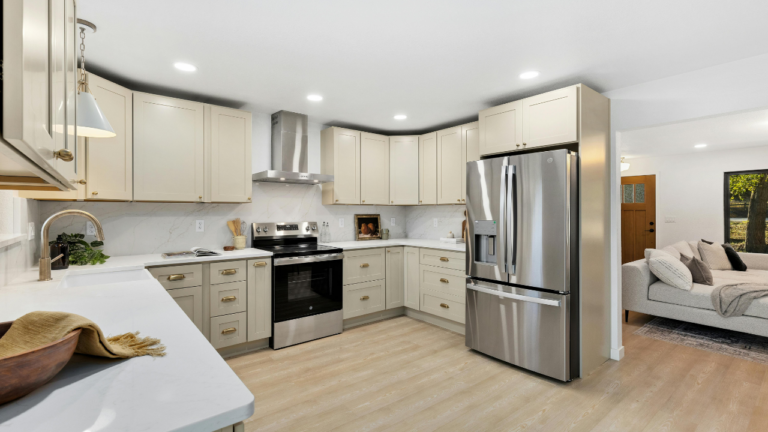
- Remove non-structural walls: Open up shared living, dining, and kitchen areas for a more expansive, communal atmosphere.
- Use glass, slatted wood, or natural material screens: Maintain privacy without blocking light or air movement.
- Blend indoor and outdoor zones: If possible, extend living areas onto balconies, patios, or rooftop gardens with sliding glass doors or level flooring transitions.
Explore our favorite room addition and ADU remodeling ideas for more strategies on blending functionality with biophilic interior design philosophies in urban homes.
Expert Tips for Making Biophilic Interior Design Work in Your Urban Home
- Start small: Even a single feature—like a lush plant or textured rug—can spark big changes.
- Layer elements: Combine light, plants, color, and natural materials for a multidimensional effect.
- Embrace imperfection: Nature is irregular and organic. Don’t worry if your decor isn’t symmetrical or polished.
- Consult a pro: For more ambitious renovations, a qualified remodeler can help safely integrate structural changes or complex features.
Want more seasonal inspiration? Browse our guides on spring home remodeling ideas and adding summer curb appeal for more ways to keep your interiors fresh and connected to nature year-round.
Key Takeaways for Biophilic Interior Design in Urban Spaces
- Biophilic interior design reconnects you with nature, supporting wellbeing and comfort in any urban home.
- Maximize natural light and use mirrors or glass to brighten your interior landscape.
- Select resilient, easy-care plants to introduce fresh air and vibrant greenery.
- Choose authentic materials—wood, stone, organic fabrics—to add tactile variety and relaxation.
- Incorporate gentle water features for soothing ambiance—even small fountains make a difference.
- Base your color palette on harmonious, nature-inspired hues for a calming environment.
- Open layouts and strategic sight lines foster a sense of flow and connection.
- Consult with home remodeling experts for seamless, safe, and beautiful biophilic upgrades.
Frequently Asked Questions About Biophilic Interior Design
What is biophilic interior design in simple terms?
Biophilic interior design is a way of decorating and organizing your home to bring the benefits and beauty of nature indoors through light, plants, color, and natural materials.
Do I need a large home to try biophilic interior design?
No! Biophilic design works in spaces of all sizes—even small apartments can benefit from houseplants, natural light, and organic materials.
Can biophilic interior design help improve air quality?
Yes, especially when you include air-purifying indoor plants and natural finishes that minimize VOCs and off-gassing.
What are the best plants for low-light biophilic interiors?
Snake plants, pothos, philodendrons, and peace lilies thrive in shade and require minimal care—making them perfect for city spaces.
Is it expensive to remodel a home for biophilic design?
Not necessarily. Small updates—like adding plants, changing paint colors, or bringing in wood accents—are affordable ways to start. Larger projects, such as removing walls or installing water features, may require professional help and a bigger budget.
Where can I find more inspiration for biophilic remodeling?
Explore resources at NKBA, Remodeling Magazine, and Houzz for the latest biophilic interior design projects and expert guidance.