Opening paragraph starting with content… If you want to infuse character and charm into your contemporary spaces, vintage furniture in modern interiors is a design approach that never goes out of style. By thoughtfully blending classic pieces with sleek lines and up-to-date finishes, you can achieve a look that feels both fresh and timeless. Whether you’re working with a newly remodeled home or adding finishing touches to an apartment, using vintage furniture in modern interiors opens the door to creativity, functionality, and an inviting, positive vibe that truly feels like your own. Ready for practical, stylish ways to make this interior decoration idea work for you? Here’s how you can achieve a truly captivating aesthetic by mastering the art of mix and match.
Why Vintage Furniture in Modern Interiors Makes a Lasting Impression
Vintage pieces carry stories, craftsmanship, and a sense of history that instantly elevate any room. When you use vintage furniture in modern interiors, you’re not just decorating—you’re crafting a feeling of authenticity and warmth. Combining eras adds depth by juxtaposing organic materials, patinas, and unique silhouettes against streamlined cabinetry, open layouts, and metallic details. This carefully curated contrast is celebrated by top interior designers and is a staple in inspiration galleries on Houzz’s eclectic design forums.
But there’s more than beauty at play. Repurposing classic finds is also a sustainable choice, reducing waste while offering original features you simply won’t find in mass-produced items. With demand rising for environmentally responsible decorating, integrating vintage furniture in modern interiors ensures style and substance go hand in hand.
Understanding Balance: The Key to Blending Old and New
The secret to successful vintage furniture in modern interiors lies in achieving harmony. Avoid overcrowding your space with too many old elements, which can make your rooms feel outdated instead of refreshed. Instead, select one or two statement pieces—a mid-century armchair, an antique sideboard, or an Art Deco mirror—as focal points. Anchor your layout with these, then layer in modern sofas or minimalist tables for a cozy yet uncluttered look.
Professional designers recommend keeping color schemes neutral and letting vintage textures and wood grains stand out. If you’re starting a remodel, check out these interior work techniques that help set the perfect backdrop for your vintage-meets-modern vision.
6 Stylish Ways to Use Vintage Furniture in Modern Interiors
Ready to refresh your home? Here are six actionable methods to masterfully incorporate vintage furniture in modern interiors for a custom look that’s both inviting and inspiring.
1. Choose a Vintage Statement Piece for Every Room
Start by identifying rooms where a splash of vintage will shine—think a 1970s sideboard in your living room, a tufted Victorian chair in your bedroom, or a painted farmhouse table in your dining nook. Mixing one dramatic vintage item with streamlined surroundings draws the eye and sparks conversation. The trick is to allow it to stand out with contrasting contemporary elements and clean lines, so the space feels intentional rather than cluttered.
2. Pair Vintage Textiles With Modern Silhouettes
One of the easiest ways to bring warmth into modern interiors is by incorporating vintage textiles. Layer a Persian rug under contemporary chairs, or toss a geometric 1960s throw over a minimalist white sofa. The soft textures and rich patterns tie past and present styles together seamlessly. According to HGTV’s decorating experts, mixing plush retro materials with streamlined furniture is one of the fastest ways to add personality without compromising on a clean look.
3. Repurpose Vintage Storage for Functional Flair
Vintage furniture in modern interiors isn’t just about looks—it can also boost organization. Old trunks become coffee tables with built-in storage, while antique cabinets offer character and utility in entryways or bathrooms. If you’re considering a bathroom remodel, using a repurposed dresser as a vanity instantly creates a focal point and makes the space unique. Choose pieces with worn finishes to add story, and pair them with modern sinks or hardware for a chic twist.
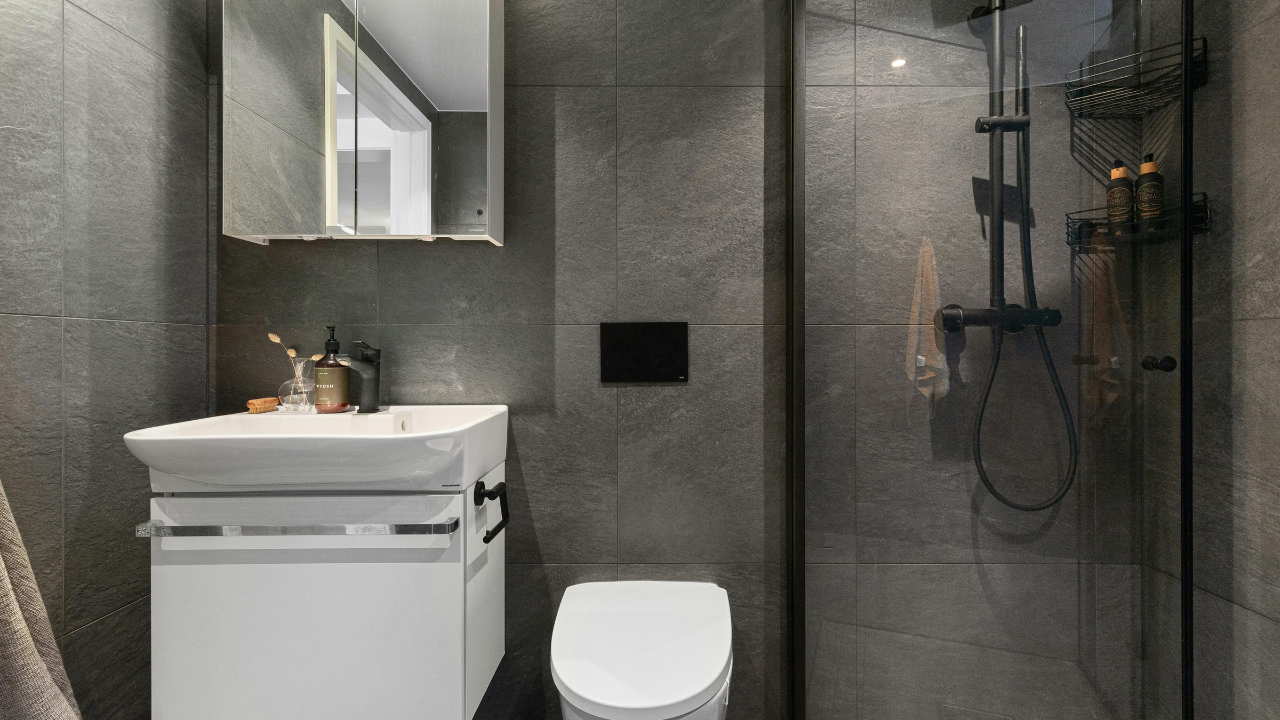
Mixing Styles: The Art of Seamless Vintage Furniture in Modern Interiors
To avoid a mismatched look, create visual harmony with consistent color palettes, materials, and scale. For example, a walnut mid-century side table blends beautifully with a modern graphite sofa. If you love architectural details, restore classic moldings or exposed beams and complement them with iconic modern lighting fixtures for a dramatic, magazine-worthy finish.
- Stick to a maximum of three wood tones per space—this ensures warmth without chaos.
- Mix metals carefully: Antique brass or copper details can pop against matte black or chrome faucet fixtures.
- Use negative space as a design feature—let vintage pieces breathe to preserve a modern feel.
If your remodel will include new plans or layouts, consider browsing professional blueprints to ensure old and new work together from the ground up.
4. Curate a Gallery Wall With Vintage Finds
Showcase your personality and taste by creating a gallery wall that blends modern art with vintage frames and mirrors. Shop local flea markets for ornate wood or brass frames, mixing them with minimalist artwork or family photos. This layered look creates a visually interesting focal point by balancing patina and polish. For inspiration, visit This Old House’s gallery wall ideas, which show how classic accents enhance even the most contemporary rooms.
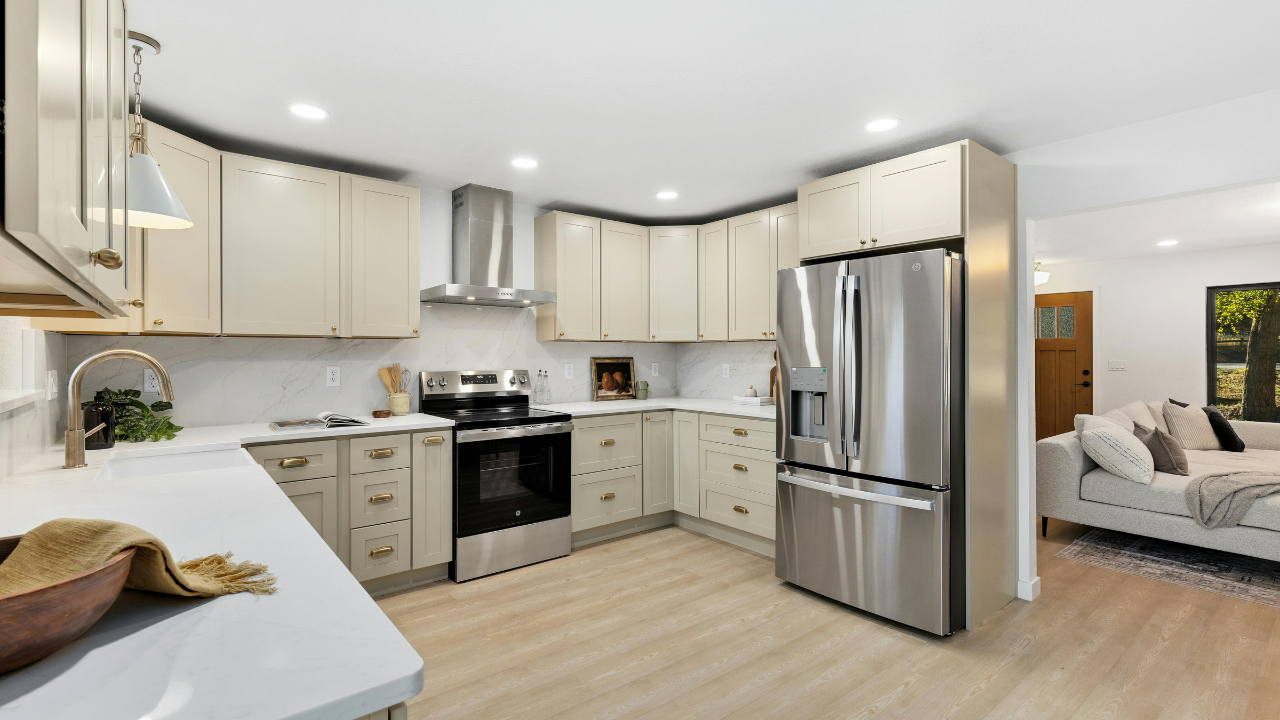
5. Modern Lighting With a Vintage Touch
Upgrade your space by incorporating vintage lighting in modern interiors. Chandeliers, globe sconces, or Tiffany-style pendants can be rewired for today’s safety standards, offering both a design accent and improved functionality. This blend is perfect for spaces where you want coziness but refuse to sacrifice bright, efficient illumination. If you’re planning a kitchen remodel, vintage pendant lights above an island can define the heart of your home—find additional kitchen remodeling inspirations from our expert kitchen tips and consider energy-efficient bulbs or dimmer switches for extra versatility.
6. Blend Vintage Seating in Open-Concept Living Spaces
Even modern, open layouts can benefit greatly from vintage upholstered dining chairs, classic Eames-style lounge chairs, or an ornate settee nestled by a contemporary fireplace. Grouping these pieces with streamlined tables or modular sofas invites gathering and encourages relaxation. To create the perfect flow, plan seating arrangements that facilitate conversation while leaving room for movement.
Don’t forget to check for hidden gems at estate sales or consignment shops—you’ll often discover well-built treasures that bring instant charm. For larger changes to your home’s footprint, see how integrated additions or ADU projects can incorporate dedicated vintage-inspired reading nooks or hobby corners.
Upkeep, Restoration, and Vintage Furniture in Modern Interiors
Caring for vintage furniture in modern interiors doesn’t have to be daunting. Basic maintenance, such as dusting wood with a microfiber cloth and using gentle cleaners on upholstered pieces, keeps everything looking fresh. For DIY repair and restoration tips, check out this professional restoration guide on Remodeling HW. For delicate or valuable pieces, consider professional refinishing to maintain structural integrity while preserving the charm and authenticity that makes your vintage items stand out.
For a full room refresh, coordinate your restoration with exterior updates or seasonal remodeling ideas so your home feels cohesive from every angle.
Enhancing Resale Value With Vintage Appeal
Well-chosen vintage furniture in modern interiors not only impacts daily enjoyment, it can boost the perceived and resale value of your home as well. According to the National Kitchen & Bath Association trend reports, buyers love to see personalized, thoughtfully integrated spaces. Unique furnishings that tell a story—combined with high-function, updated layouts—signal that a home is well cared for and truly one-of-a-kind.
Key Takeaways for Vintage Furniture in Modern Interiors
- Balancing old and new creates warmth, character, and lasting style for any home.
- Start with one vintage statement piece per room, then layer in modern elements for harmony.
- Mix vintage textiles, lighting, and seating for a custom look that’s both cozy and approachable.
- Repurposed vintage storage boosts both function and design in kitchens, bathrooms, and entryways.
- Curating a gallery wall with vintage frames and art is an easy, high-impact project for personalizing your space.
- Proper upkeep and restoration ensure your vintage furniture in modern interiors always looks its best.
- Blending eras thoughtfully can increase your home’s appeal and value, attracting design-minded buyers.
Frequently Asked Questions About Vintage Furniture in Modern Interiors
How do I start decorating with vintage furniture in modern interiors?
Begin with one vintage item in each room, such as a sideboard or armchair, and pair it with contemporary accents to maintain a harmonious, uncluttered look.
Can I use vintage furniture in modern kitchens or bathrooms?
Absolutely. Repurpose antique dressers as vanities or use vintage bar stools at a modern island for functional flair that stands out.
How do I keep vintage furniture looking new in a modern interior?
Regular dusting, gentle upholstery care, and prompt minor repairs are key; consider professional restoration for valuable or delicate pieces.
Is it better to restore or refinish my vintage pieces?
Restoration preserves character, while refinishing updates the look; choose based on your item’s condition, value, and your desired aesthetic.
Does mixing vintage and modern furniture affect a home’s resale value?
Yes, thoughtful integration of vintage furniture in modern interiors often enhances a home’s personality and can increase its marketability to style-conscious buyers.