7 Powerful Ways Sustainable Kitchen Remodeling Trends Are Changing Homes
As you plan your next home upgrade, you may have noticed that sustainable kitchen remodeling trends are rapidly redefining modern living. These trends not only enhance the beauty of your kitchen but also offer eco-friendly benefits that positively impact both your wallet and the environment. In this article, you’ll discover 7 powerful ways to incorporate sustainable kitchen remodeling trends into your home, revolutionizing the way you cook, entertain, and live in a healthier, greener space.
Embracing Eco-Friendly Materials: A Shift in Sustainable Kitchen Remodeling Trends
One of the most influential aspects of sustainable kitchen remodeling trends is the growing use of eco-friendly materials. Homeowners are moving away from traditional, resource-intensive materials to innovative alternatives crafted from recycled products. For example, recycled glass countertops, reclaimed wood cabinets, and bamboo flooring are not just aesthetic choices but reflect your commitment to reducing environmental impact while achieving a stylish, modern kitchen.
You might explore solutions on our kitchen remodeling page to see how eco-friendly products can be integrated seamlessly into your design. Manufacturers and industry experts note that investing in sustainable materials can reduce long-term maintenance costs while promoting energy efficiency for your home.
Optimizing Energy Efficiency: Harnessing Sustainable Kitchen Remodeling Trends in Your Home
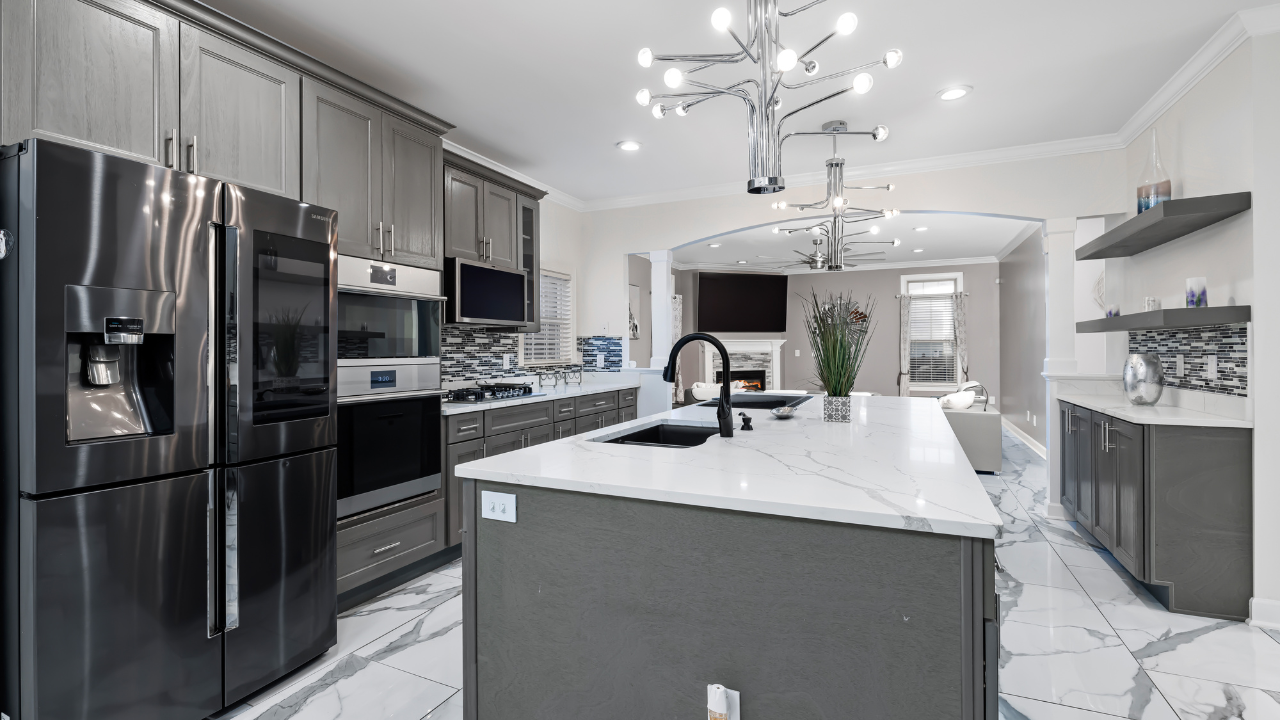
Energy efficiency is a vital component of sustainable kitchen remodeling trends. Updating your kitchen with energy-saving appliances and LED lighting not only lowers utility bills but also reduces your overall carbon footprint. Today’s cutting-edge refrigerators, dishwashers, and ovens are designed with energy conservation in mind, making them an excellent investment in both technology and sustainability.
Implementing LED Technology for Sustainable Kitchen Remodeling Trends
Switching to LED lighting and intelligent control systems is one of the easiest ways to improve energy efficiency. LED light fixtures consume significantly less power than traditional bulbs and last much longer, reducing waste and the need for frequent replacements. Furthermore, smart sensors and dimmers let you customize lighting levels, ensuring you only use what you need.
For more ideas on maximizing energy efficiency in your home, you might check out our home improvement tips that focus on environmentally smarter solutions.

Integrating Smart Technology: Leading Sustainable Kitchen Remodeling Trends
With the advent of smart homes, the integration of intelligent technology into your kitchen is one of the most exciting sustainable kitchen remodeling trends. Modern smart appliances, like refrigerators with built-in touchscreens and ovens that can be monitored via your smartphone, not only offer convenience but also boost energy efficiency.
Using Smart Appliances for Sustainable Kitchen Remodeling Trends
Look for energy-efficient models that adjust their operation based on usage patterns. These appliances can make informed decisions to optimize energy consumption and reduce waste. Additionally, smart systems can alert you to potential maintenance issues before they become expensive problems, keeping your home running smoothly and sustainably.
Enhance your overall home upgrade strategy by reviewing our kitchen remodeling tips for the latest ideas on merging technology with design.
Minimizing Waste: Recycling and Reusing in Sustainable Kitchen Remodeling Trends
A significant component of sustainable kitchen remodeling trends is waste reduction. Repurposing old materials and implementing recycling processes during the renovation phase can drastically lower the environmental impact of your project.
Consider using modular cabinetry that can be reconfigured instead of replaced entirely, or opt for fixtures that can be easily recycled at the end of their life cycle. This mindful approach not only saves resources but can also lead to creating unique, personalized designs in your kitchen.
To dive deeper into eco-friendly renovation practices, visit our home remodeling ideas for spring section for inspiration from industry innovators.
Integrating Nature: Biophilic Design in Your Sustainable Kitchen Remodeling Trends
The biophilic design trend is all about bringing nature indoors. Incorporating elements like indoor plants, natural light optimization, and organic materials into your kitchen creates a harmonious space that promotes well-being. This concept is closely aligned with sustainable kitchen remodeling trends because it encourages the use of natural elements, reducing the need for artificial décor and harsh lighting.
As you integrate biophilic design principles, consider installing large windows or skylights to maximize natural light and using natural stone or reclaimed wood accents. These elements not only improve the room’s aesthetics but also ensure that your kitchen remains a tranquil, energy-efficient environment.
Sourcing Local & Recycled Materials: A Growing Sustainable Kitchen Remodeling Trend
Supporting local suppliers and opting for recycled materials is becoming increasingly popular among those embracing sustainable kitchen remodeling trends. When you source materials locally, you reduce transportation emissions and encourage sustainable economic practices in your community.
Look for local artisans and suppliers who offer high-quality, recycled building materials. Items such as reclaimed wood, repurposed metal, and recycled glass countertops add a distinctive, environmentally mindful style to your kitchen. This approach not only supports regional businesses but also reduces your overall environmental footprint.
For more details on localized remodeling strategies, you can explore our additions and structured work page.
Future-Proof Designs: Adapting to Evolving Sustainable Kitchen Remodeling Trends
The final way sustainable kitchen remodeling trends are transforming homes is through future-proofing your design. By incorporating flexible layouts and adaptive technologies, you ensure that your kitchen remains relevant and functional as new trends continue to emerge.
Future-proof kitchens are designed with versatility in mind. Features such as multipurpose islands, movable cabinets, and easily upgradeable systems allow you to effortlessly integrate upcoming innovations without extensive renovations. Embracing this foresight means you are not only investing in the present but also paving the way for a smarter, adaptable home in the future.
Explore additional interior design ideas at our interior work section to see how forward-thinking designs can transform your living space.
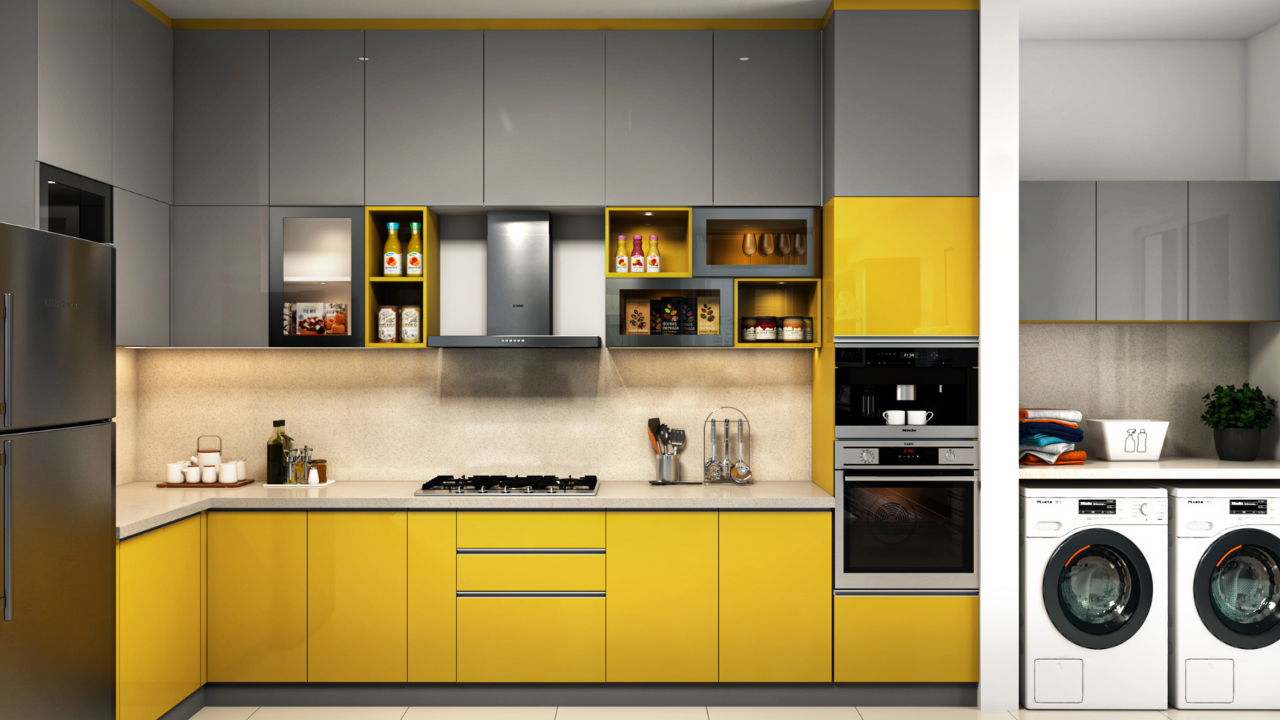
Key Takeaways for Sustainable Kitchen Remodeling Trends
- Embrace eco-friendly materials like recycled glass and reclaimed wood to enhance durability and style.
- Optimize energy efficiency with LED lighting, energy-saving appliances, and smart control systems.
- Integrate smart technology and intelligent systems to improve convenience and reduce waste.
- Reduce renovation waste by repurposing materials and adopting recycling strategies.
- Incorporate biophilic design elements to bring nature into your kitchen for a healthier, more inviting space.
- Source local and recycled materials to support sustainable local economies and lower transportation emissions.
- Design flexible, future-proof spaces that can adapt as sustainable kitchen remodeling trends evolve.
Frequently Asked Questions About Sustainable Kitchen Remodeling Trends
Q1: What are sustainable kitchen remodeling trends?
Sustainable kitchen remodeling trends focus on ecologically responsible practices such as using eco-friendly materials, energy-efficient appliances, and smart technology to reduce environmental impact while enhancing the design and functionality of your kitchen.
Q2: How can I incorporate sustainable kitchen remodeling trends into my current kitchen?
Start by upgrading to energy-efficient appliances, using reclaimed or recycled materials for countertops and cabinetry, and integrating smart lighting systems and sensor-controlled features. Simple changes can make a big difference.
Q3: Are eco-friendly kitchen materials more expensive?
Although some eco-friendly options may have a higher upfront cost, they often lead to long-term savings through increased durability, reduced energy consumption, and lower maintenance costs.
Q4: Can I retrofit my existing kitchen to follow these trends?
Yes, many sustainable kitchen remodeling trends can be adapted to existing kitchens. Focus on energy efficiency upgrades, integrating smart technology, and using recycled or reclaimed materials where possible.
Q5: Where can I find inspiration for sustainable kitchen remodeling?
You can gather ideas from reputable resources such as Houzz, HGTV, and professional guidance from the National Kitchen & Bath Association. Additionally, our kitchen remodeling page offers expert advice.
Q6: How do sustainable kitchen remodeling trends affect overall home value?
Incorporating sustainable upgrades not only improves energy efficiency and reduces maintenance costs but also enhances your home’s appeal to eco-conscious buyers, often leading to increased property value over time.
For additional insights on sustainable upgrades across your home, visit our company page or check out our resources on exterior work and kitchen and bath tile advantages.
Embracing these sustainable kitchen remodeling trends not only creates a healthier environment in your own home but also contributes to a more eco