Small-Space, Big Impact: 6 Smart Hacks for Powerful Interior Remodeling for Small Spaces
When you think about home transformation, it’s easy to fall into the trap of imagining vast, open floor plans and expansive rooms. But what if your home is cozy, compact, or even downright tiny? The great news is that interior remodeling for small spaces doesn’t mean you need to settle for less style, comfort, or functionality. In fact, some of the most stunning and ingenious design solutions are found in homes where every inch counts. Drawing from professional experience in space optimization, I’m here to share six smart hacks that will elevate your compact home’s design and make your interiors feel luxuriously expansive.
Why Interior Remodeling for Small Spaces Requires Smart Solutions
Interior remodeling for small spaces isn’t just about making do; it’s about maximizing what you have and creating a place that feels bigger, brighter, and uniquely yours. The challenges are real—minimal square footage, multifunctional needs, tricky layouts—but with the right mindset and innovative tactics, your small spaces can become masterpieces of comfort and style. Whether you’re looking to upgrade your apartment, ADU, bungalow, or cottage, these remodeling tips are designed to bring out the best in any space.
Hack #1: Choose Multi-Functional Furniture and Built-Ins for Smarter Living
When it comes to interior remodeling for small spaces, every piece of furniture must pull double—or even triple—duty. Think beyond the ordinary. Consider a built-in banquette with hidden compartments, a wall bed that folds into an office desk, or a custom window seat that offers both extra seating and storage.
- Opt for extendable dining tables that collapse when not in use
- Invest in custom built-ins for living rooms and bedrooms
- Use ottomans with hidden storage for versatile seating and stashing extra linens
You can explore more furniture ideas adapted to smaller areas on Houzz’s resource on multi-functional furniture.
How Multi-Functional Solutions Support Space Optimization in Your Remodel
With strategic furniture choices, you ensure that each item in your home earns its space—helping create an open, flexible, and stylish atmosphere. This tactic is an essential element of successful interior remodeling for small spaces.
Hack #2: Embrace Vertical Space—Going Upward for Storage and Style
When ground-level square footage is limited, the next frontier is the walls. Wall-mounted shelving, hanging cabinets, and vertical niches let you reclaim unused real estate while visually drawing the eye upward for a loftier feel.
- Install built-ins or open shelving above existing furniture, doorways, and windows
- Try floor-to-ceiling bookcases to create visual interest and a touch of luxury
- Use a remodeling blueprint to map out optimal storage solutions ahead of construction
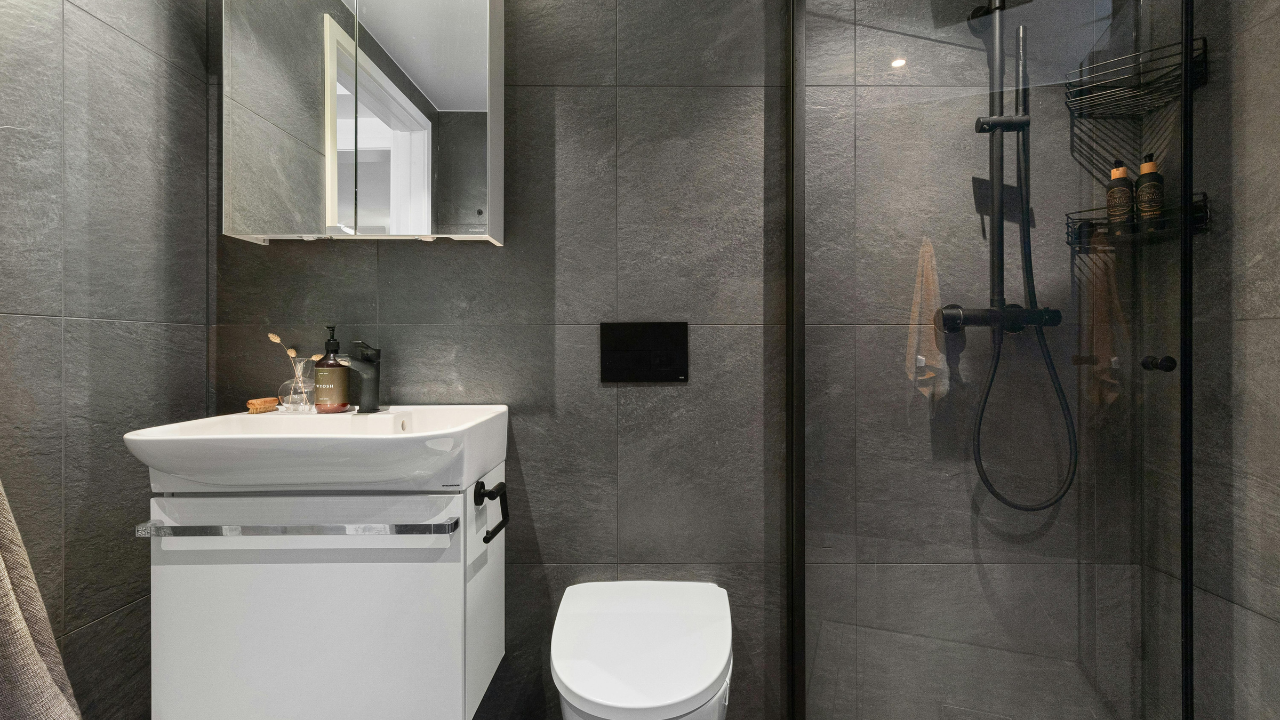
Maximize Walls with Thoughtful Interior Remodeling for Small Spaces
Don’t let blank walls be wasted potential. By cleverly integrating shelving, cabinets, or even art in your accessory dwelling unit (ADU), you can multiply the impact of your remodel and unlock hidden potential in every nook and cranny.
Hack #3: Open Up Sight Lines and Harness Natural Light
A room feels larger when there’s little visual clutter and ample natural light. When approaching interior remodeling for small spaces, focus on sight lines—those uninterrupted views through and across your home.
- Choose low-profile or see-through furniture pieces, such as acrylic coffee tables or open-back chairs
- Keep window treatments light and airy—or use blinds and shades that fully retract
- Install glass partitions, French doors, or mirrors to bounce light around
For additional ways to brighten interiors, reference HGTV’s gallery of small-space lighting tips.
Letting Light Lead the Way In Small Space Remodeling
Light, both real and reflected, can be a game-changer in compact interiors. When strategized correctly, it increases both actual brightness and the perceived sense of openness—a crucial element in interior remodeling for small spaces projects.
Hack #4: Modular and Flexible Layouts—Design That Adapts As You Grow
Flexibility is a must-have trait for any small space remodel. Today’s families and professionals require environments that adapt quickly—home offices by day, living rooms by night, guest spaces at a moment’s notice. Modular pieces, rolling carts, and movable partitions are transformative additions.
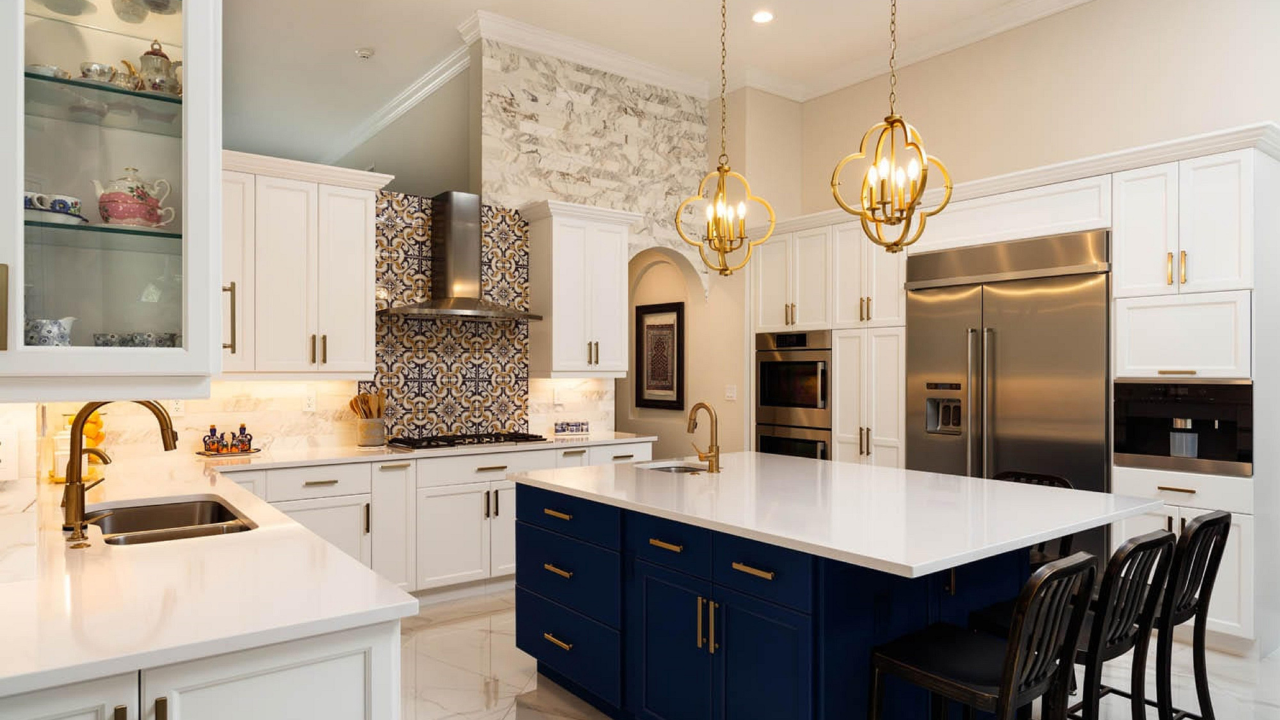
- Consider nesting tables, folding desks, Murphy beds, and sliding panels
- Utilize indoor/outdoor transitions to expand perceived living space
- Section off functional zones with curtains, bookcases, or tall plants
The Adaptability of Modular Design in Interior Remodeling for Small Spaces
Modular design ensures your home evolves as your needs change, providing incredible value and satisfaction with every remodel iteration.
Hack #5: Smart Storage Solutions That Disappear (Until You Need Them!)
Clever storage is the unsung hero of interior remodeling for small spaces. Gone are the days when organization meant sacrificing aesthetics. Today’s best remodels marry functionality with beauty—hidden compartments, built-in drawers beneath stairs, or pull-out pantries tucked behind sleek cabinetry.
- Build under-stair drawers or shelving in toe-kick spaces
- Use pull-out kitchen shelving and soft-close cabinets
- Plan ahead with a space-specific blueprint to maximize every inch
The National Kitchen & Bath Association regularly features award-winning projects with innovative storage solutions in compact homes.
Designing Organized Interiors: A Key Pillar in Remodeling Small Spaces
Great design is about seamless living. Well-placed storage supports both tidiness and tranquility, letting you enjoy your home without clutter or chaos—a true hallmark of successful interior remodeling for small spaces.
Hack #6: Curate a Streamlined Palette and Utilize Well-Planned Lighting
Color and light are fundamental to spatial perception. Lighter palettes expand a room visually, while a few deeper accent shades can add depth without closing things in. Layered lighting lifts a space, drawing attention to each architectural and decorative highlight.
- Opt for light neutral colors (off-white, taupe, pale gray) on walls and ceilings
- Choose a single accent color for textiles or art to unify the space
- Layer ambient, task, and accent lighting—use wall sconces and under-cabinet strips
Learn more about color psychology and its impact on interiors at This Old House’s feature on the power of color.
Color and Illumination: Elevate Your Small Space with Thoughtful Details
The right palette and lighting solutions make all the difference in interior remodeling for small spaces. They not only lift the mood but also help rooms feel larger, fresher, and welcoming to all.
Expert Tips to Enhance Interior Remodeling for Small Spaces
- Consult with a trusted remodeling specialist before starting major changes
- Draft detailed floor plans to prevent costly mistakes
- Focus on quality over quantity when selecting finishes and fixtures
- Revisit your functionalities and needs every few years for continuous improvement
Inspiring Examples: Real-Life Interior Remodeling Projects for Small Spaces
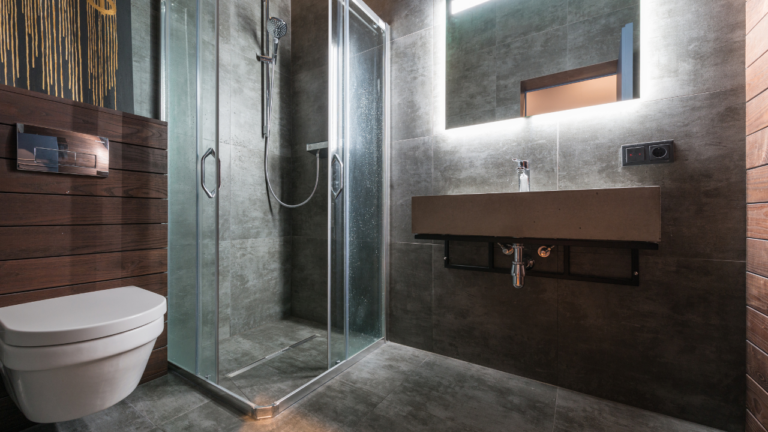
No amount of theory beats seeing smart remodeling in action. Over the years, I’ve guided homeowners through stunning transformations—like converting tiny, awkward bathrooms into spa-like retreats with wall-mounted vanities and pocket doors. Or turning an unused alcove into a stylish home office with custom storage solutions. To see top-rated transformations, browse these innovative home remodeling ideas and get inspired to launch your own project.
Key Takeaways for Powerful Interior Remodeling for Small Spaces
- Leverage multi-functional furniture and built-ins to optimize every inch
- Embrace verticality—walls are storage and decor opportunities
- Open sight lines and use light-enhancing strategies for an airy feel
- Create flexible layouts using modular and movable furnishings
- Incorporate smart, hidden storage to maintain a clutter-free home
- Use streamlined color palettes and layered lighting for visual expansion
- Partner with professionals and reference remodeling portfolios for innovative ideas
Frequently Asked Questions About Interior Remodeling for Small Spaces
What are the biggest mistakes to avoid in interior remodeling for small spaces?
Common pitfalls include overfilling rooms, ignoring vertical storage potential, and neglecting natural light. Keep designs simple, functional, and focused on flexibility.
Can I make a small bathroom feel more spacious during a remodel?
Absolutely—use wall-mounted fixtures, sliding doors, and reflective surfaces like mirrors and glass to visually expand small bathrooms. Learn more at our bathroom remodeling page.
Is it worth investing in custom furniture for small space remodeling?
Yes! Custom solutions maximize function and aesthetics, ensuring perfect fit and optimal utility for unique layouts or tricky corners.
How can I make my small kitchen feel larger after remodeling?
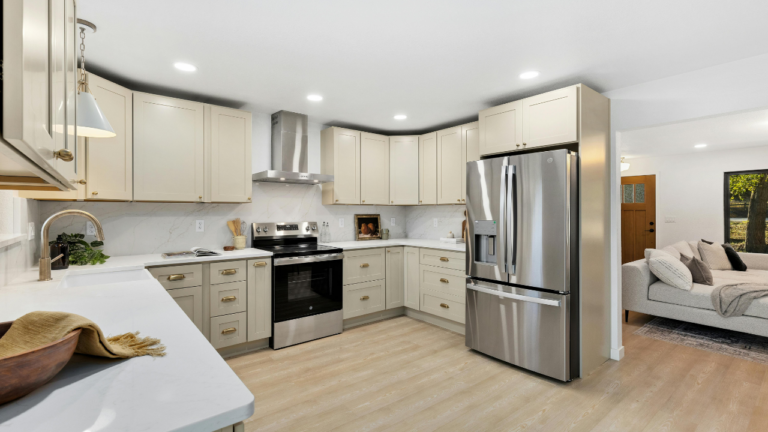
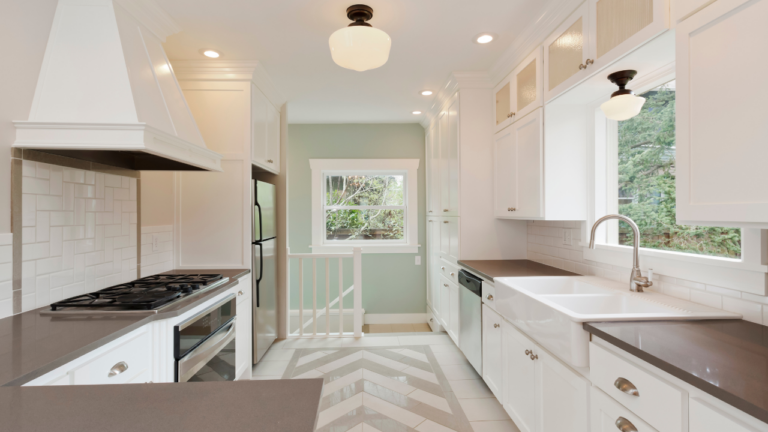
Implement open shelving, under-cabinet lighting, and choose light colors for cabinetry. Find more expert advice at our kitchen remodeling hub.
Do I need professional plans for minor interior updates in a small space?
Even for minor changes, well-drafted plans help avoid costly mistakes and ensure your space optimization goals are met. Consult with specialists for best results.
Where can I find more expert tips on interior remodeling for small spaces?
Explore our resources at kitchen remodeling tips and bathroom renovation benefits, or visit industry authorities like Remodeling Magazine.