Reimagine Your Home: 6 Smart Multi-Functional Interior Design Tricks That Instantly Elevate Space
If you’re feeling the squeeze in your home—whether you live in a cozy bungalow or a spacious contemporary house—embracing multi-functional interior design can transform how you experience your space. As a remodeling professional who has helped hundreds of homeowners rethink their layouts, I know that smart, strategic design is the fastest way to make a room feel bigger, brighter, and far more useful. Today’s interior trends focus on versatility, efficiency, and maximizing every square foot. Read on for six practical tricks that blend form with function, ensuring your home supports your lifestyle with flair and ease—or, in other words, discover how multi-functional interior design can change everything.
Transforming Small Spaces with Multi-Functional Interior Design
Living in a smaller space doesn’t have to mean living with less comfort. In fact, the right multi-functional interior design enhancements can help your home feel both spacious and welcoming. Whether you’re hoping to redesign a bathroom, update your kitchen, or convert a guest room, integrating multi-functionality ensures every inch works hard for you.
- Maximize vertical areas for clever storage solutions
- Use furniture that adapts to multiple needs
- Create adaptive workspaces for home offices or hobbies
Let’s dive into the six most effective strategies my team recommends for truly transformative, multi-functional interior design.
1. Dual-Purpose Furniture: The Heart of Multi-Functional Interior Design
Dual-purpose furniture is a cornerstone of multi-functional interior design. Instead of single-function items, prioritize pieces designed for flexibility. For example, a sleek storage ottoman provides hidden organization while doubling as extra seating. Today’s market even offers beds that convert into desks and dining tables hiding under coffee tables—a boon for anyone optimizing a compact layout.
- Look for consoles that extend into dining tables
- Sleeper sofas for living/guest room fusion
- Murphy beds paired with custom shelving
Why Dual-Purpose Matters in Modern Living
As open-plan living becomes more popular, so does the need for spaces that flow seamlessly from one function to the next. Dual-purpose furniture creates visual harmony and keeps your environment uncluttered—both essentials for stress-free living. Want more kitchen space? A rolling island with shelves underneath gives you extra counter room and mobile storage, an idea often highlighted in current interior design trends.
2. Vertical Thinking: Multi-Functional Interior Design from the Ground Up
Don’t just look at floor space when planning multi-functional interior design—think vertically! Walls, ceilings, and even windows offer tantalizing opportunities for added style and function.
Utilizing Wall-Mounted Features
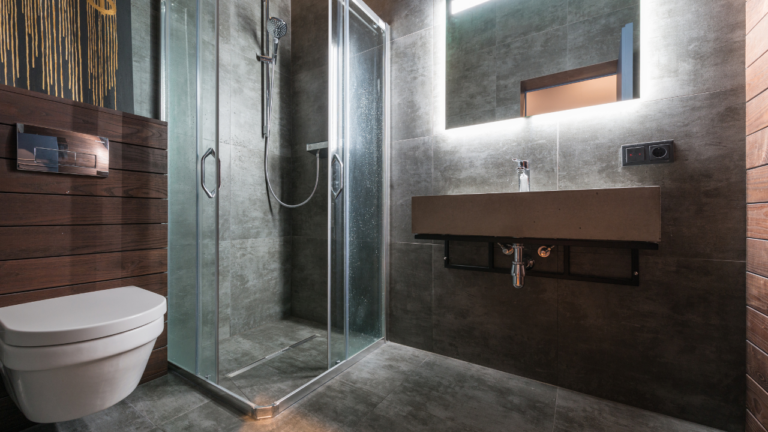
Mount foldable desks, drop-leaf tables, or shelving to keep walkways clear and make any room multitask. Floating vanities in the bathroom, wall-mounted storage, or pegboards in kitchens offer quick access to essentials while preserving precious floor area. Learn more about optimizing every inch with our kitchen remodeling tips for space-saving solutions.
- Install shelving above unused doors or windows
- Hang hooks, rails, and magnetic organizers in kitchens and baths
- Consider overhead storage for rarely-used items
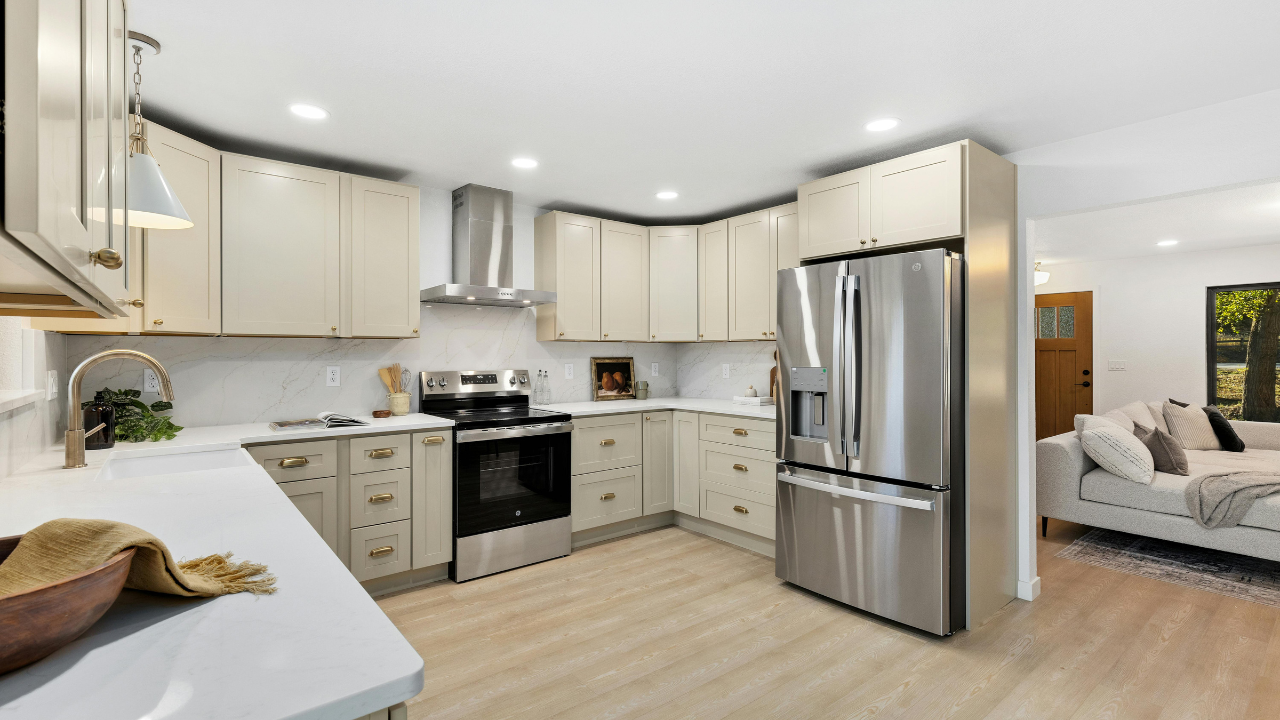
Making Use of Ceiling and Loft Spaces
Don’t overlook ceiling space! Suspended racks are ideal for kitchen pans, bikes, or bulky possessions in garages. In homes with high ceilings, lofted beds or reading nooks give you a “room within a room”—a signature move of advanced multi-functional interior design.
3. Room Dividers: Defining Zones with Multi-Functional Style
Open floor plans look elegant, but sometimes you need distinction without permanent walls. Multi-functional dividers are the answer: think sliding screens, glass partitions, or bookshelves that separate spaces, improve storage, and retain sunlight flow. With custom interior remodeling, these elements can be built specifically for your needs.
- Freestanding bookcases that offer both space optimization and visual appeal
- Modular screens that act as art and privacy tools
- Mobile planters that freshen air while buffering sound
Maximizing Function with Flexible Zones
Strategic zoning lets you define areas for work, play, or relaxation, especially in smaller apartments or shared living arrangements. A movable storage wall can reflect light into a dark corner, and sliding doors make rooms adapt to parties or quiet evenings at home. See more creative solutions from experts at HGTV.
4. Kitchen Makeovers: Centering Multi-Functional Interior Design
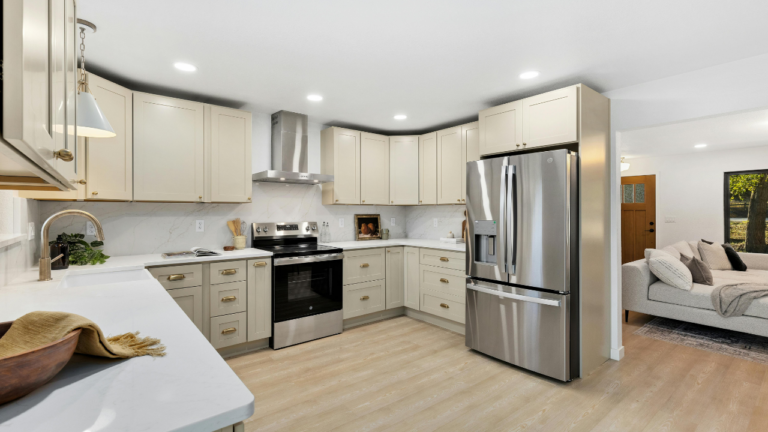
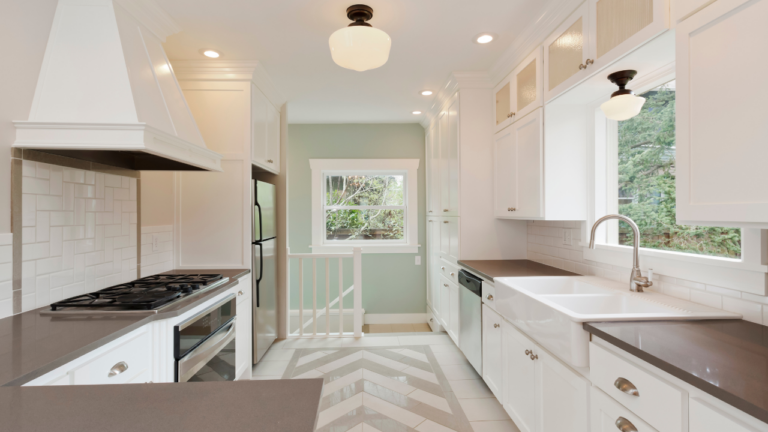
No room in the house benefits more from multi-functional interior design than the kitchen—the true heart of your home. From breakfast nooks that transform into workstations to islands incorporating seating, appliances, and hidden outlets, every kitchen element can (and should) serve at least two purposes.
- Install combination pantries with pull-out work surfaces for meal prep or homework
- Maximize under-sink drawers and toe-kick compartments
- Choose compact appliances designed for busy family living
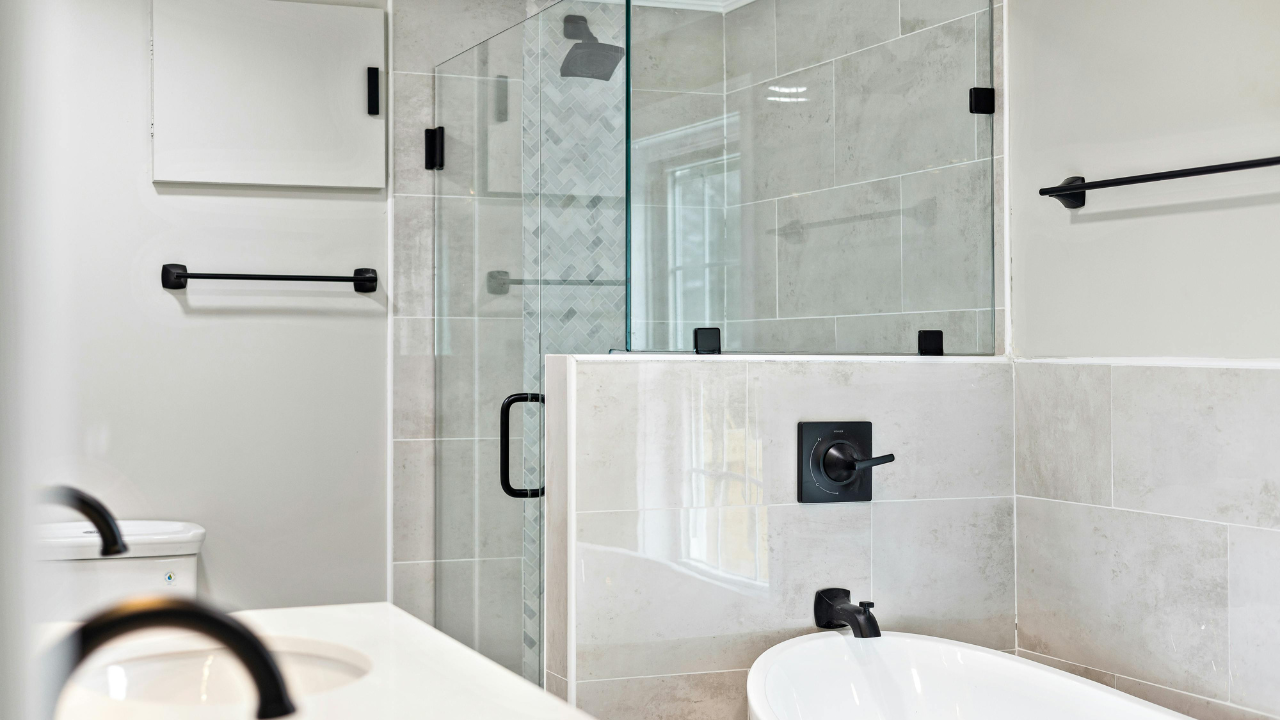
Design Details That Make a Difference
When remodeling, choose countertops that double as breakfast bars, install lighting on dimmers for both creating meals and setting a mood, and consider built-in charging stations to keep electronics handy but out of sight. For more guidance, explore our comprehensive kitchen remodeling service and California kitchen renovation guide.
5. Storage Smart: Clever Multi-Functional Interior Design Solutions
Organizational genius is at the heart of great multi-functional interior design. Efficient storage animates every part of the home, from entryways to master suites. The trick? Add convenience without clutter.
- Hidden drawers built into stairs or under beds
- Bench seating in dining rooms, mudrooms, and window alcoves with built-in cubbies
- Pull-out pantry towers and corner units in kitchens
Entryways and Mudrooms: Organized and Inviting
Your entry sets the tone for your home. Multi-purpose benches, cubby walls, and smart closet solutions keep bags, shoes, and jackets neatly organized. For more smart mudroom inspiration, check out advice from This Old House or request a custom solution with our additions and structural expertise.
6. Tech Integration: The Future of Multi-Functional Interior Design
Smart technology is redefining the possibilities of multi-functional interior design. With the right networked tech, you can control lighting, environment, and security—all with a tap. Adaptive lighting scenes shift from focused work to entertaining. Built-in speakers and hidden charging pads offer ambiance and convenience, keeping surfaces sleek and uncluttered.
- Voice-controlled shades adjust privacy and daylight flow
- Smart thermostats learn your patterns to increase comfort
- Modular, wireless fixtures that adapt as your needs change
Adaptive Design: Future-Proofing Your Investment
The best spaces are those that evolve with you. If you’re considering a larger home remodel or planning for an Accessory Dwelling Unit (ADU), ensure every system is ready to support future technologies for entertainment, accessibility, and comfort.
Key Takeaways for Multi-Functional Interior Design Success
- Diversify furniture with dual-purpose pieces to maximize every area’s utility.
- Use vertical storage and wall-mounted solutions to expand space in tight rooms.
- Create flexible zones and divisions with modular dividers, shelving, or sliding doors.
- Rethink kitchens with multi-use islands, hidden storage, and compact, integrated appliances.
- Employ organizational elements—such as under-stair drawers or bench storage—for clutter-free living.
- Incorporate smart home technology for adaptable and future-ready spaces.
- Consider professional help from experienced remodelers for truly customized results.
Frequently Asked Questions About Multi-Functional Interior Design
- How do I start implementing multi-functional interior design in my home?
- Begin by identifying your biggest space challenges, then target key rooms with dual-purpose furniture and modular storage. Consulting a professional can help tailor ideas to your needs.
- Is multi-functional interior design only for small spaces?
- No, any home—large or small—can benefit! It’s about increasing utility, adapting rooms for multiple activities, and enhancing organization for busy lifestyles.
- What are the most popular multi-functional interior design trends?
- Trends include convertible furniture, hidden storage, flexible lighting, open shelving, and tech integration for adaptable work and living environments.
- Can I apply multi-functional design principles to older homes?
- Absolutely! Many historic homes benefit from bespoke storage, clever furniture placement, and space-maximizing updates without sacrificing style.
- Where can I get more advice for my remodeling project?
- Explore our in-depth guides on interior work and custom blueprints and planning—or reach out for personalized consultation.