You may feel overwhelmed by the permitting process when considering an Accessory Dwelling Unit (ADU) for your property. Understanding the steps involved can make a significant difference in your project’s success. In this blog post, we’ll break down each stage of the permitting process, providing clear examples and insights from a trusted ADU builder. By arming yourself with this knowledge, you can navigate the complexities of regulations and approvals with confidence, ensuring your vision for additional living space becomes a reality.
Decoding the Regulatory Labyrinth: Navigating Local Building Codes
Importance of Local Zoning Laws
Local zoning laws govern how land can be used in your community. They dictate where residential properties can be located, including your ADU, and specify density limits, height restrictions, and lot size requirements. Ignoring these regulations can lead to costly fines or halt your project completely, making it necessary for you to familiarize yourself with local ordinances before plunging into construction.
Permit Types and Their Functions
Understanding the various types of permits required for your ADU is key to a smooth permitting process. Each permit serves a specific purpose, whether it’s to ensure safety, protect local ecosystems, or comply with building standards. Typically, you will encounter these necessary permits:
| Type of Permit | Function |
| Building Permit | Ensures compliance with building codes for safety. |
| Zoning Permit | Verifies land use meets zoning requirements. |
| Electrical Permit | Checks electrical system safety and standards. |
| Plumbing Permit | Ensures plumbing systems adhere to health codes. |
| Site Development Permit | Regulates land alteration for installation. |
Acquiring the right permits can be a complicated task, but each serves to protect not just you, but also your neighbors and the environment. For instance, the building permit ensures your construction adheres to existing safety standards, while the zoning permit confirms that your project aligns with the community’s layout and land use policies. Each type of permit interacts with the others, creating a network of compliance that supports sustainable and responsible development.
- Building Permit: Required for any construction work.
- Zoning Permit: Necessary for confirming land use appropriateness.
- Electrical Permit: Needed for any electrical installations or repairs.
- Plumbing Permit: Required for plumbing-related work.
- Site Development Permit: Ensures land modifications adhere to regulations.
Recognizing how these permits are interconnected is vital to maintaining compliance throughout your ADU project.
The Initial Step: Pre-Application Preparation
Researching Local Requirements
Your first move in the permitting process is to examine local zoning regulations and building codes. Each municipality has different rules regarding accessory dwelling units (ADUs), including size restrictions, design guidelines, and parking requirements. By thoroughly researching these local requirements, you can ensure that your project complies from the outset, minimizing the chances of delays later on.
Gathering Necessary Documentation
Obtaining the right documentation is pivotal for a smooth permitting process. You’ll need to compile various documents, including proof of ownership, site plans, architectural drawings, and any additional permits required for your specific area. Having all necessary paperwork organized and ready can significantly streamline your application process and facilitate communication with local officials.
Gathering the appropriate documentation not only supports your application but also provides clarity to your project plans. A well-prepared site plan showing property lines, existing structures, and proposed changes is often the first document required. Architectural drawings, which detail the design, dimensions, and materials, should be professionally rendered for accuracy. In addition, you may need to present information on utilities, drainage systems, and landscape plans, reflecting how your ADU will harmonize with the existing environment. By proactively amassing these documents, you set a solid foundation for your project’s approval.

The Design Phase: Collaboration with Experts
Hiring an Experienced Architect or Designer
Bringing an experienced architect or designer onboard streamlines the design process for your ADU. Their expertise in local building codes, design aesthetics, and functionality ensures that your vision aligns with regulations and practical needs. Collaborating with them early in your project can also help avert costly adjustments later on and maximize the use of your property’s unique features.
Integrating Sustainable Practices in Design
Incorporating sustainable practices into your ADU design not only benefits the environment but can also enhance energy efficiency and reduce long-term costs. Selecting eco-friendly materials, optimizing natural light, and planning for renewable energy sources are ways to create a low-impact dwelling that meets modern living standards.
Consider utilizing energy-efficient windows, which can significantly reduce your heating and cooling expenses. You might also explore incorporating solar panels, which can provide substantial energy savings over time. According to the U.S. Department of Energy, buildings account for 40% of U.S. energy consumption, making your choice of sustainable design all the more impactful. By thinking ahead and working with designers who prioritize eco-friendly methods, you ensure that your ADU not only meets your needs but also contributes positively to the environment.
Submission Dossier: Presenting Your Application
Components of a Successful Application Package
Your application package should consist of several vital components, including site plans, architectural drawings, engineering reports, and a detailed project description. Clearly labeling each document and presenting them in an organized manner makes it easier for reviewers to assess your submission. In addition, including any necessary zoning information or previous permits can help establish compatibility with local regulations, increasing your chances of approval.
Common Pitfalls to Avoid in Submission
Many applicants falter by submitting incomplete or unclear documentation. It’s vital to double-check that all required items are included and that plans are drawn to the correct scale. Additionally, vague descriptions of the project can lead to misunderstandings and subsequent rejections. Make sure to address each requirement outlined by your local jurisdiction to avoid unnecessary delays.
More Information on Common Pitfalls to Avoid in Submission
Submitting a well-prepared application may seem daunting, but overlooking specific details can lead to roadblocks. For instance, failing to specify the intended use of the ADU or not including accurate property boundary lines can raise red flags for reviewers. Moreover, not adhering to local building codes or zoning laws can create additional hurdles. Consider consulting directly with the permitting office to obtain a checklist and clarify any complexities before you submit. Taking these proactive steps not only ensures a smoother process but also minimizes the risk of your application being rejected, thereby saving you precious time and resources.

The Review Journey: What Happens After Submission?
Understanding the Review Process and Timeline
The review process typically commences one to two weeks after you submit your application, depending on your local jurisdiction’s workload. During this phase, various departments, such as planning and zoning, will assess your application to ensure compliance with building codes, land use regulations, and environmental standards. You may receive updates on the progress, but be prepared for potential delays—some applications can take several months, while others are processed more swiftly.
How to Respond to Feedback and Requests for Revisions
Receiving feedback from the review team means you’re one step closer to approval. They might request revisions ranging from minor changes to significant adjustments. Approach their comments constructively; validating their insights shows your willingness to comply with local building standards. In your response, address each concern concisely and ensure that any changes made are clearly highlighted in your resubmission. This not only makes it easier for the reviewers to understand your adjustments but also demonstrates your cooperation.
After receiving feedback, taking a strategic approach will enhance your chances of a smooth approval. Begin by categorizing the feedback into serious concerns and minor suggestions. Tackle serious concerns first—these often relate to zoning issues or compliance with building codes. Engage professionals, like your architect or engineer, to ensure your revisions adequately address the reviewers’ comments. Once changes are made, prepare a cover letter summarizing your responses, listing the specific modifications made, and offering clarifications as needed. This proactive communication minimizes back-and-forth exchanges, streamlining the process toward fruition of your project.
Permit Issuance: Securing the Green Light
Final Checks Before Permit Approval
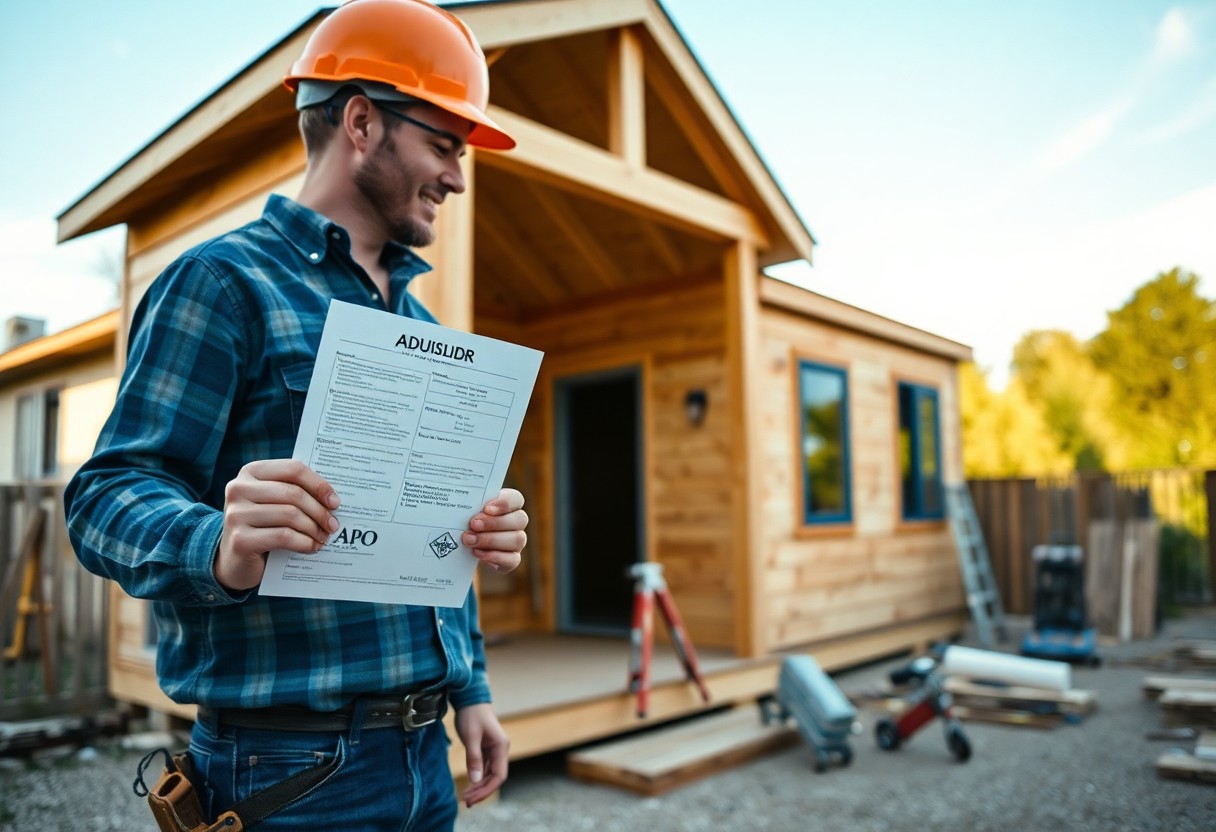
Prior to the issuance of your permit, your application undergoes final checks to ensure compliance with all local regulations and codes. Officials will verify zoning laws, property lines, and utility access, which helps prevent future legal complications. If all criteria are satisfied, you’ll receive a notification indicating that your permit is ready, providing you the go-ahead to begin construction.
Key Considerations Post-Issuance: Compliance and Inspections
Once your permit is issued, paying attention to compliance and inspections becomes important. You must adhere to the approved plans, as any deviations can result in fines or required modifications. Additionally, scheduled inspections will assess the work at various stages to confirm that everything meets local codes.
Understanding inspection schedules is vital for a smooth construction process. Inspections will typically occur at key milestones, such as foundation completion or framing. Failing to pass an inspection may require rework that could delay your project. Keeping open communication with your inspector and ensuring all work aligns with the submitted plans will facilitate the process, allowing you to maintain the project timeline without unnecessary setbacks. Proper preparation can make the difference between a straightforward progression and a lengthy delay, so staying organized is key.
Mastering the Appeal Process: When Things Go Awry
Reasons Your Permit Might Be Denied
Numerous factors can lead to permit denial, such as non-compliance with zoning laws, inadequate site plans, or lacking supporting documents. For instance, if your proposed ADU doesn’t meet local height restrictions or floor-area ratios, it could be rejected outright. Additionally, incomplete applications or failure to address neighbor concerns may also cause setbacks. Understanding specific local regulations is vital to avoid these pitfalls.
Strategic Approaches to Appeals
Facing a permit denial doesn’t mark the end of your project. Instead, consider it an opportunity to refine your approach. Engaging with local planning officials to better understand their concerns can provide insights into how to adjust your application. Effective communication and thorough documentation can significantly enhance your appeal’s success.
Successful appeals often hinge on a few strategic tactics. First, gather comprehensive evidence that counteracts the reasons for denial; include elevations of your proposed ADU and testimonials from neighbors or community members who support the project. Second, demonstrate flexibility by showing willingness to modify your plans based on feedback. Finally, enlisting a professional experienced in local regulations can aid in crafting a more compelling case, ensuring all potential objections are addressed effectively. This meticulous preparation not only boosts your chance of approval but also fosters a collaborative relationship with local authorities.
From Permit to Project: Launching Your ADU Construction
Transitioning from Planning to Building
Once your permits are approved, the excitement builds as you transition from planning to the hands-on construction phase. This stage is critical for setting a solid foundation, both literally and figuratively. Ensure your contractor is ready with the necessary materials, labor, and timeline to begin efficiently. Clear communication regarding your goals and expectations will streamline this transformation and help prevent misunderstandings that can lead to delays.
Best Practices for Managing the Build Process
Effective management of your ADU build process is vital to keeping the project on track. Regular check-ins with your contractor, maintaining an open line of communication, and being proactive about any potential issues can keep the project flowing smoothly. Familiarizing yourself with the construction schedule will empower you to make informed decisions, allowing for adjustments without significant disruptions.
Implementing best practices can make a significant difference in the outcome of your ADU project. Consider holding weekly meetings to discuss progress and address concerns. Utilize project management tools to track milestones and budget. Moreover, maintaining a log of daily activities can provide clarity and help troubleshoot issues promptly. Documenting changes and adjustments ensures all parties are on the same page, fostering a collaborative environment that can enhance overall efficiency and satisfaction with the build process.
Conclusion
Taking this into account, understanding the permitting process is vital for your ADU project. As a trusted ADU builder, you can rely on expert guidance to navigate local regulations and requirements, making the process smoother and less daunting. By following the outlined steps and consulting with professionals, you can ensure that your ADU not only meets your needs but also adheres to all necessary standards. Embracing this knowledge empowers you to move forward confidently with your project.