Construction of Accessory Dwelling Units (ADUs) can take various forms, each offering unique benefits and challenges. As you navigate the decision between modular and stick-built ADUs, it’s crucial to understand how each option may impact your project timeline, budget, and long-term satisfaction. In this post, we’ll provide expert insights from local builders to help you make an informed choice that aligns with your needs and vision for your property.
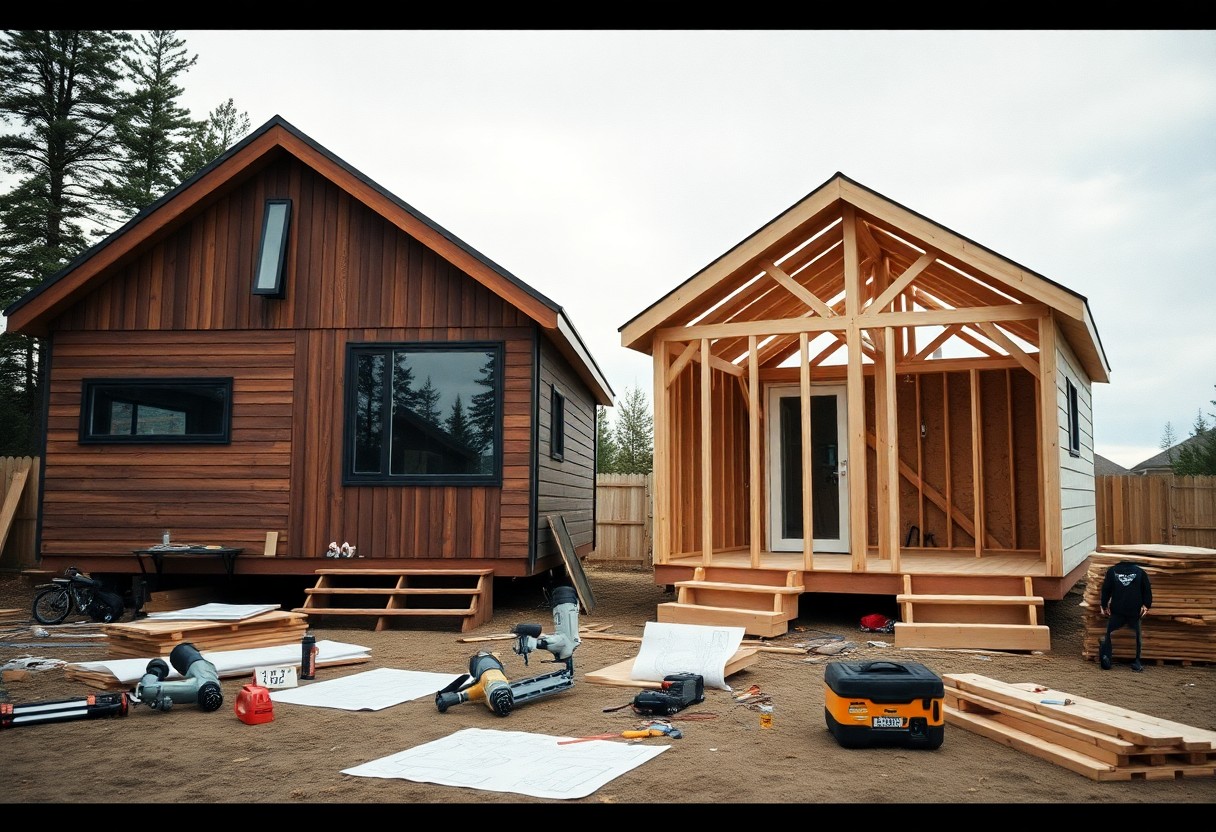
The Clash of Construction: Modular vs Stick-Built ADUs
Defining Modular Construction
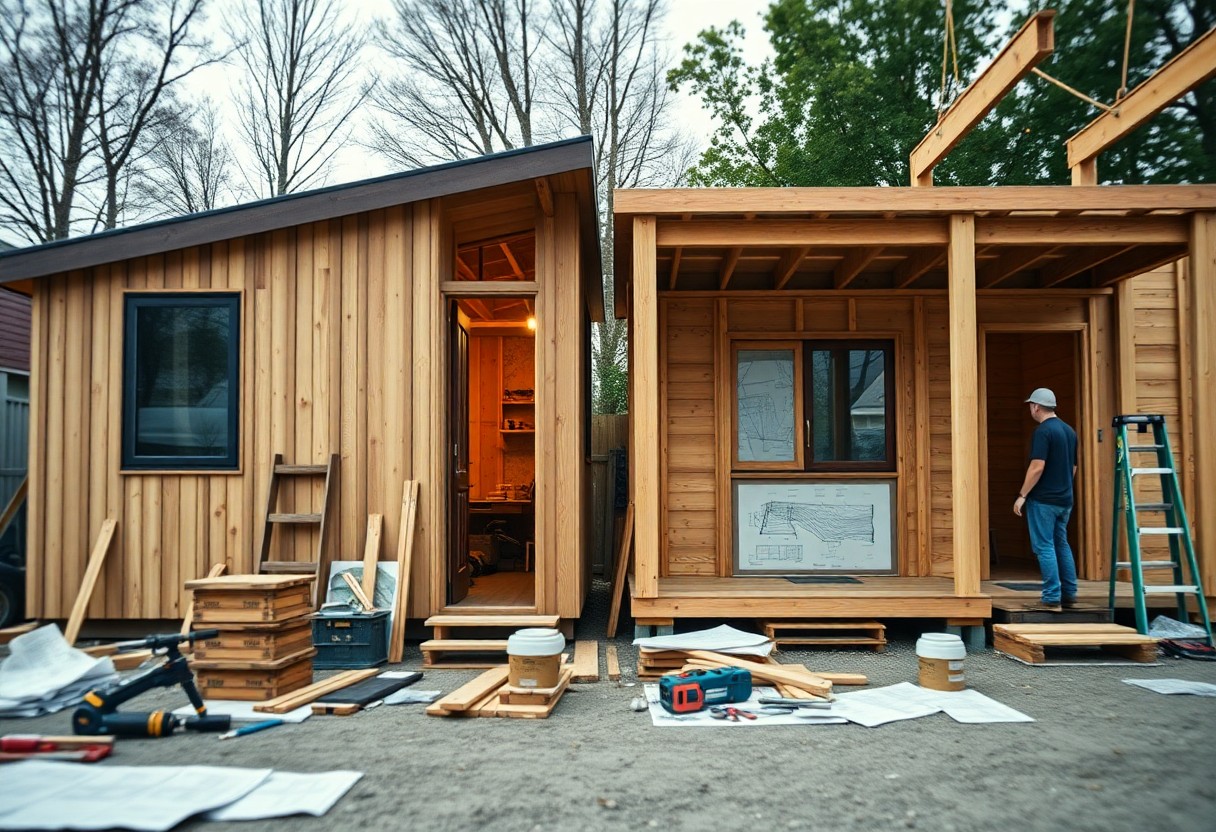
Modular construction involves creating ADUs in a factory setting, where pre-fabricated modules are built and then transported to your property for assembly. This method streamlines the construction process, often resulting in faster completion times and enhanced quality control. As modules are built indoors, they are less susceptible to weather-related delays, making them an attractive option for many homeowners looking to add space quickly and efficiently.
Decoding Stick-Built Methods
Stick-built construction refers to traditional building techniques where structures are assembled on-site using individual wooden pieces or “sticks.” This method allows for more customization and flexibility during the design phase, as builders can easily modify aspects of your ADU as construction progresses. Typically, stick-built ADUs can be tailored to your specific tastes, incorporating unique features that wouldn’t fit standardized modular designs.
Stick-built construction excels in customization, allowing you to work closely with your builder to make adjustments based on aesthetic preferences or functional needs. For example, if you desired a distinctive roofline or specific window placements, a stick-built approach accommodates those requests seamlessly. However, this method can extend the timeline of your project due to weather predictability and on-site inspections, potentially causing delays. Ultimately, choosing between modular and stick-built comes down to your priorities for quality, speed, and design flexibility.
Cost Factors: Breaking Down Expenses Effectively
Understanding the financial implications of choosing between modular and stick-built ADUs can help you make an informed decision. Below are key factors that typically influence costs:
- Construction materials and quality
- Labor expenses in your region
- Site preparation requirements
- Permitting and inspection fees
- Utility connections
- Design and customization options
The difference in costs between these two types of ADUs can significantly affect your budget and long-term investment.
Initial Investment Comparisons
Both modular and stick-built ADUs come with varying price tags, often influenced by factors like design complexity and site specifics. In general, modular ADUs tend to have lower initial costs compared to stick-built models. Below is a comparison:
Initial Cost Comparison
| ADU Type | Estimated Cost |
|---|---|
| Modular ADUs | $150 – $250 per sq. ft. |
| Stick-Built ADUs | $200 – $400 per sq. ft. |
Long-term Financial Implications
Your choice of ADU type can yield different financial returns over time. Modular ADUs, while often cheaper upfront, can provide quicker installation times, potentially reducing financing costs. On the other hand, stick-built ADUs may offer greater customization and potentially higher property values but can lead to increased long-term maintenance expenses due to the higher-quality materials often used.
Investing in a modular ADU could mean lower upfront and ongoing costs. While the initial savings may seem attractive, considering property appreciation and potential rental income is vital. Stick-built options may offer more unique design features and durability, positively impacting long-term value. Balancing immediate expenses with future financial prospects helps shape the right decision for you.
Time Efficiency: Speed vs. Quality
Timeline Expectations for Modular Builds
Typically, modular builds promise a significantly shorter timeline, often completing the construction process in as little as 12 to 16 weeks. This accelerated schedule is due to factory-based assembly, where sections of the ADU are pre-fabricated, minimizing the time spent on-site. The streamlined process allows you to move into your new space much more quickly compared to traditional methods, which can drag on for several months or even years due to various factors.
The Delays of Traditional Construction
With traditional construction, various delays can extend timelines beyond the original projections. Weather conditions, labor shortages, and unpredictable supply chain issues frequently hinder progress, leading to extended waiting periods before the project reaches completion.
The construction industry has seen many disruptions, particularly with labor shortages becoming a common pain point. Contractors may struggle to find skilled workers, which can stall your project. Moreover, permits can take longer than expected to obtain, and weather conditions can halt work altogether. These factors combined mean that your stick-built ADU could take anywhere from 6 to 12 months or longer to complete, ultimately causing frustration and unexpected costs for you as a homeowner. Efficient planning and regular communication with your team can partially mitigate these delays, but they remain inherent risks in traditional construction methods.
Design Flexibility: Customization Capabilities Explained
Modular Design Constraints and Innovations
While modular homes offer quick construction and controlled environments, they often come with specific design limitations. Standardized dimensions can restrict architectural options, making it challenging to create unique layouts or tailored features. However, innovative manufacturers are now launching customizable modular modules, allowing you to choose finishes, layouts, and even eco-friendly materials, pushing the boundaries of conventional designs.
The Creative Freedom of Stick-Built Options
Stick-built ADUs provide unmatched flexibility to manifest your vision in architectural form. With the freedom to design every aspect of your home, from the floor plan to intricate details, you can create a space that reflects your personal style and functional needs. Several builders encourage you to engage in the design process, offering collaborative software that allows you to visualize your ideas in real time.
Customization in stick-built ADUs is virtually limitless, allowing for unique touches that modular options might not permit. For example, if you envision vaulted ceilings, unique window placements, or a custom kitchen layout, these details are easily integrated during construction. Local builders often share success stories of clients transforming their ADUs into cozy retreats or luxurious guest houses, highlighting the satisfaction of a tailor-made home that aligns perfectly with your lifestyle and preferences.
Environmental Impact: Sustainability Considerations
The Carbon Footprint of Modular Units
Modular units are designed with efficiency in mind, often resulting in a lower carbon footprint compared to traditional construction. Prefabrication allows for precise control over materials, meaning less waste and fewer emissions during production. Moreover, transportation for modular units is streamlined, contributing to overall energy savings. In fact, a study by the Modular Building Institute found that modular construction can reduce energy consumption by 67% during building processes.
Traditional Construction’s Eco-Considerations
Traditional stick-built construction leaves a larger carbon footprint partly due to its on-site building processes, which can lead to significant waste. With lumber frequently sourced from less sustainable timber practices, the environmental impact escalates further. You might be surprised to learn that conventional building can produce up to 10% more waste than modular construction, thanks to onsite adjustments and leftover materials typically discarded during traditional building processes.
Additionally, the environmental footprint of traditional construction not only comes from materials but also from the longer build times that increase energy consumption. While many builders implement sustainable practices, like using recycled materials or energy-efficient technologies, the inherent nature of stick-built projects often results in a larger negative impact on the environment compared to their modular counterparts. Choosing a builder who emphasizes sustainability and eco-friendly practices can help minimize this effect, regardless of the construction method you select.
Local Regulations and Permitting: Navigating the Red Tape
Understanding Local Codes for Modular Units
Modular units must align with specific local building codes, which can vary significantly from one area to another. These codes often dictate aspects like design standards, energy efficiency requirements, and safety protocols. Familiarizing yourself with these codes is important to ensure your modular unit not only passes inspections but is also fully compliant from the start. Working closely with your modular builder can help streamline this process and ensure that all necessary permits are secured efficiently.
Stick-Built Compliance Challenges
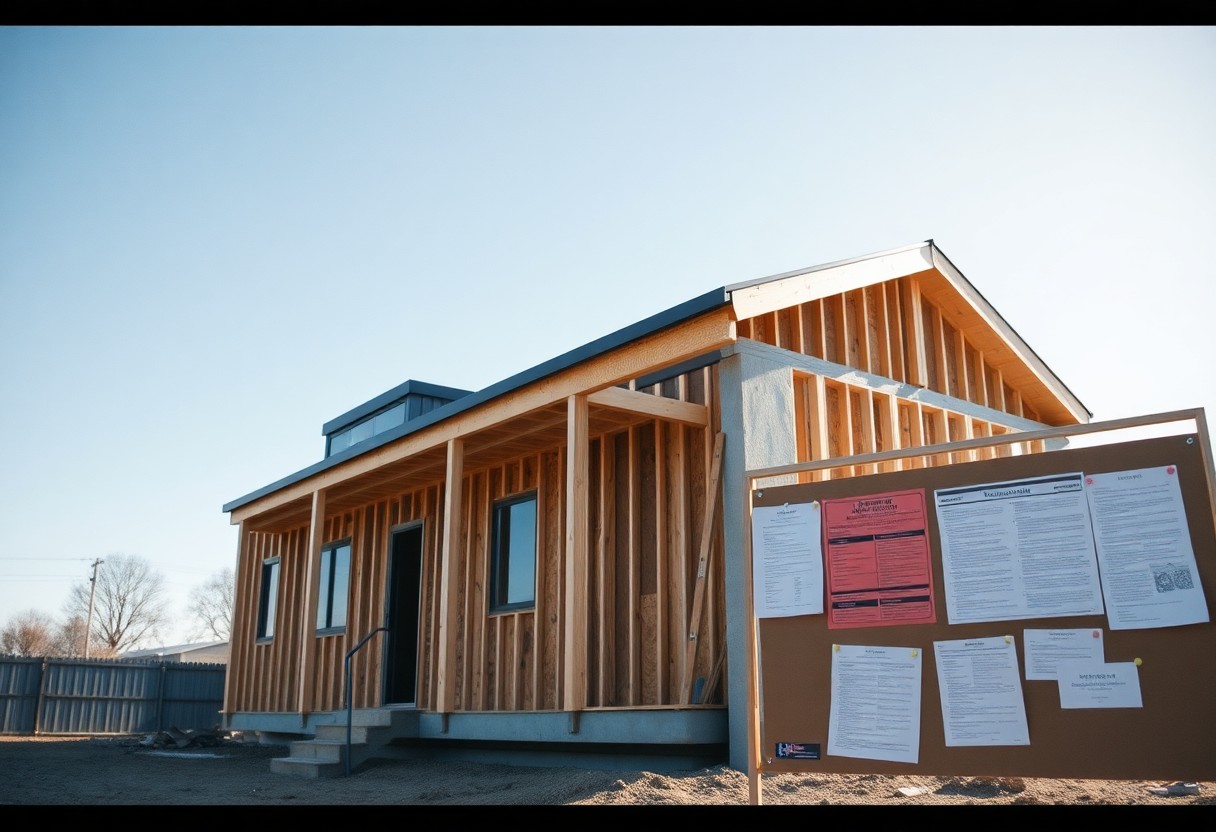
Stick-built ADUs face unique compliance challenges due to their construction methods. Unlike modular units, which can be pre-engineered to meet codes, stick-built homes are often subject to more rigorous inspections throughout the building process. This can lead to delays, particularly when unexpected issues arise, such as code violations or site-specific requirements that weren’t initially considered.
The inspections for stick-built ADUs typically occur at various stages, impacting timelines and budgets. Each phase must be signed off before moving to the next, which can create a domino effect if any issues are discovered. Engaging a local builder with extensive experience in navigating local regulations can mitigate many of these complications, making them invaluable partners in the process. Understanding local zoning laws is equally important, as restrictions on height, lot size, and design may limit your options or demand modifications to your original plans, potentially stalling progress even further.
Builders’ Perspectives: Wisdom from Industry Experts
Local Builders on Project Experiences
Local builders emphasize the importance of tailored design in both modular and stick-built ADUs. Your project could benefit from their hands-on experiences, as they often encounter unique challenges, such as navigating zoning regulations or overcoming site-specific constraints. These professionals encourage maintaining open communication with clients to ensure that all specifications are met efficiently while keeping costs in mind.
Testimonials: Real-Life ADU Success Stories
Clients frequently share their success stories after building ADUs, showcasing both modular and stick-built options. You’ll find countless examples, where families have created sustainable living spaces or rental units that enhance their property value significantly. Builders often cite these transformations as their proudest achievements, affirming the potential of ADUs in urban environments.
For instance, one family in San Diego opted for a modular ADU to meet their growing needs. Using a reputable local builder, they were able to complete their unit in just four months, all within budget. The result was a striking living space that not only provided a rental income but also became a beloved gathering spot for family events. These real-life testimonials underscore the impact that well-planned ADUs can have on your lifestyle and investment portfolio.
Future Trends: What Lies Ahead for ADU Construction
Emerging Technologies in Modular Building
Exciting advancements in modular building technology are set to revolutionize the industry. Innovative construction methods like 3D printing and robotic assembly are being integrated into the design and production of modular ADUs. These technologies not only reduce time on site but also offer customization options that were previously unimaginable. As local builders adopt these trends, you’re likely to see a surge in more sustainable, cost-effective, and efficient modular units that fit seamlessly into various neighborhoods.
The Evolving Landscape of Stick-Built Developments
Stick-built developments continue to adapt and flourish in the ADU market, embracing sustainability, resilience, and community engagement. By incorporating eco-friendly materials and energy-efficient designs, builders enhance the appeal of stick-built units while also aligning with emerging environmental standards. Furthermore, zoning regulations are increasingly favorable to ADUs, allowing for more creative designs and increased density in urban areas. Communities are beginning to recognize the value of multi-generational living options, which drives demand for stick-built solutions that enhance connection without compromising privacy.
Final Words
From above, you can see that choosing between modular and stick-built ADUs depends on your unique needs and circumstances. With insights from local builders, you now have the knowledge to weigh the pros and cons of each option. Consider factors such as budget, timelines, and your property’s specific requirements. By doing so, you will be better equipped to make an informed decision that enhances your living space and meets your long-term goals.