

















Initial Consultation
In Your Environmet

Setting Goals &
Establishing Priorities

Customized
Design Creation

Planning &
Acquiring Permits

Transformative
Construction



Smart Ways Multifunctional Furniture Can Revolutionize Your Small Living Room
Opening paragraph starting with content… If you’re on a mission to make your space feel more open, lively, and efficient, multifunctional furniture for small living rooms is an absolute game changer. As a remodeling professional, I’ve seen firsthand how choosing the right furniture transforms even the snuggest living areas into comfortable, stylish, and clutter-free retreats. Whether you want a home office that tucks away at night, a sofa that turns into a guest bed, or a coffee table with secret storage, multifunctional furniture for small living rooms empowers you to use every inch effectively—without sacrificing design or comfort. Let’s explore the smart ways this innovative furniture can truly revolutionize your space and support your unique needs.
Unlocking the Full Potential of Multifunctional Furniture for Small Living Rooms
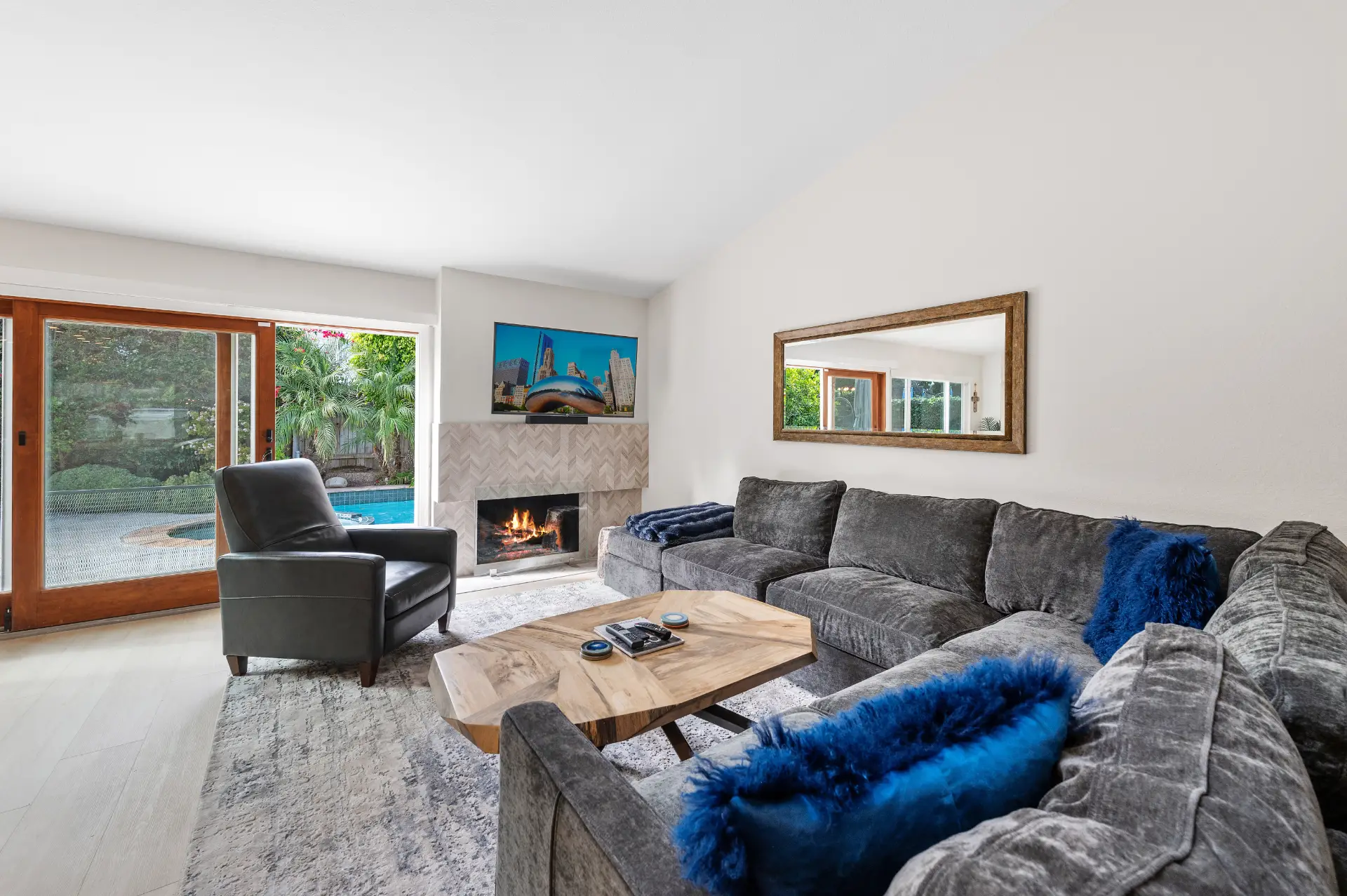
In today’s homes, especially urban apartments or older houses with modest floor plans, the living room often doubles as your entertainment hub, guest quarters, and cozy reading nook. That’s where multifunctional furniture for small living rooms really shines. By combining features—think sleeper sofas, nesting tables, or ottomans with hidden storage—you free up precious square footage. No more sacrificing comfort for space; instead, you gain adaptable pieces designed to serve you in more than one way. If you’re considering a living room makeover or are moving into a compact unit, introducing even a few versatile items can dramatically improve both the look and practicality of your home.
Top Styles and Solutions: Multifunctional Furniture Options That Work
The variety of multifunctional furniture for small living rooms available today is nothing short of inspiring. You can find solutions to suit every interior style, from sleek modern to charming cottagecore. Here are some ideas and why they work so well in tight spaces:
- Sleeper Sofas and Sectionals: Provide seating by day and a bed by night—perfect for overnight guests without needing a dedicated guest room.
- Nesting and Expandable Tables: Slide out extra surfaces or stow tables when not in use, perfect for dinner parties or intimate movie nights.
- Storage Ottomans and Benches: Offer extra seating or act as a coffee table while hiding blankets, board games, or seasonal décor inside.
- Murphy Beds and Wall Units: Instantly create more floor space by folding a bed or desk up into the wall when not needed.
- Lift-Top Coffee Tables: Double as workspaces, dining tables, or provide secret storage for remotes and magazines.
What’s important is choosing multifunctional furniture for small living rooms that aligns with your lifestyle. Are you a frequent entertainer? Consider modular seating and quick-change tables. Need extra storage? Opt for pieces that conceal clutter, helping to keep your room looking tidy and welcoming.
Designing with Multifunctional Furniture for Small Living Rooms in Mind
Successful space optimization is not just about picking out clever pieces—it’s also about thoughtful arrangement. Here’s how you can maximize your results:
- Float Furniture: Don’t push everything against the wall. Use pieces like storage ottomans or modular sofas to create flexible zones, visually expanding the room.
- Embrace Verticality: Wall-mounted shelving and fold-down desks draw the eye upward, making your ceilings look taller while freeing floor space below. Pairing this approach with a solid plan and layout makes all the difference in functionality.
- Choose Cohesive Colors: Coordinating your multifunctional furniture for small living rooms with your wall colors can create a seamless, unified effect—an interior design principle endorsed by the experts at NKBA (National Kitchen & Bath Association).
- Integrate Transparent or Reflective Pieces: Glass coffee tables or mirrored storage cabinets provide the function you want without visually overloading the room.
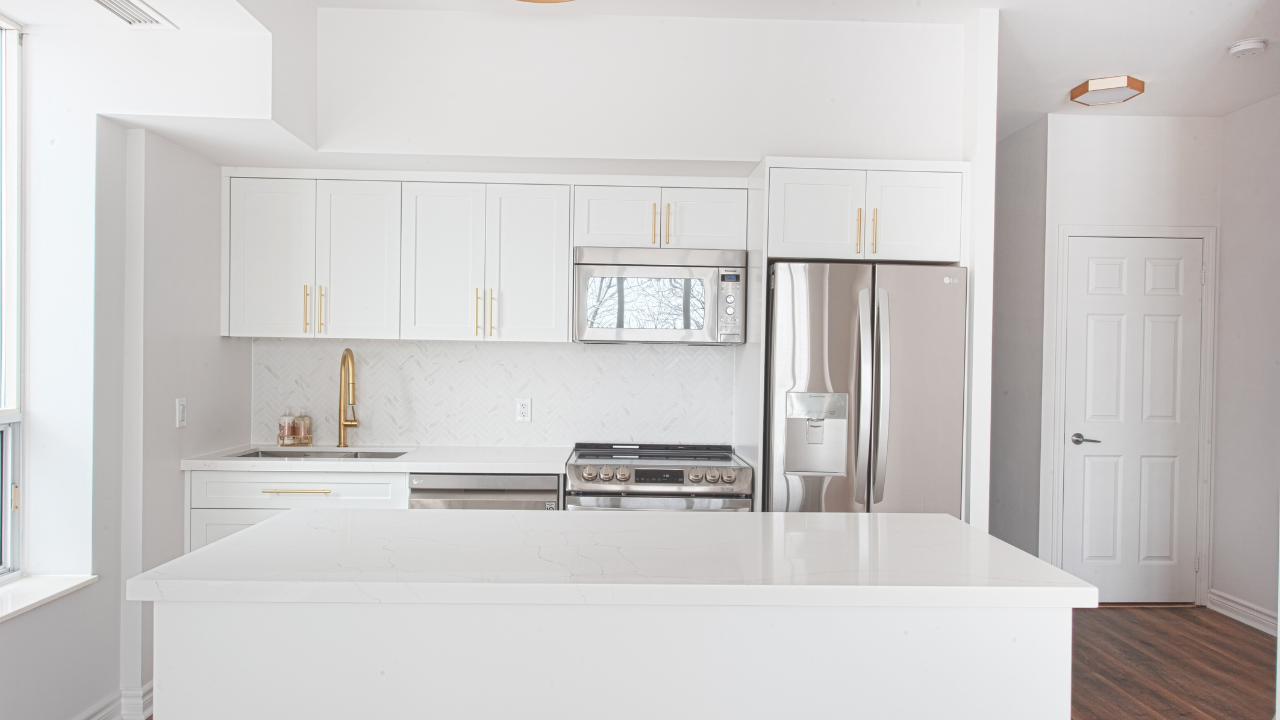
Real-Life Impact: How Multifunctional Furniture for Small Living Rooms Changes Daily Life
Imagine coming home after a busy day to a living room that instantly adapts to your needs. You can pull out your hidden desk for a quick work session, then fold it away in seconds to start your evening relaxation ritual. Or maybe you frequently host friends—your modular sectional lets you rearrange seating, while the lift-top coffee table turns into a game board or snack station. In my years helping clients embrace interior remodeling solutions, those “why didn’t I do this sooner?” moments are some of the most satisfying to witness.
Homeowners report less stress and more enjoyment thanks to these innovative pieces. Less clutter means easier cleaning and a more restful environment—vital for wellbeing, especially in smaller homes. HGTV highlights that multi-use furniture can even help increase property value by making square footage seem larger and more appealing to buyers or renters.
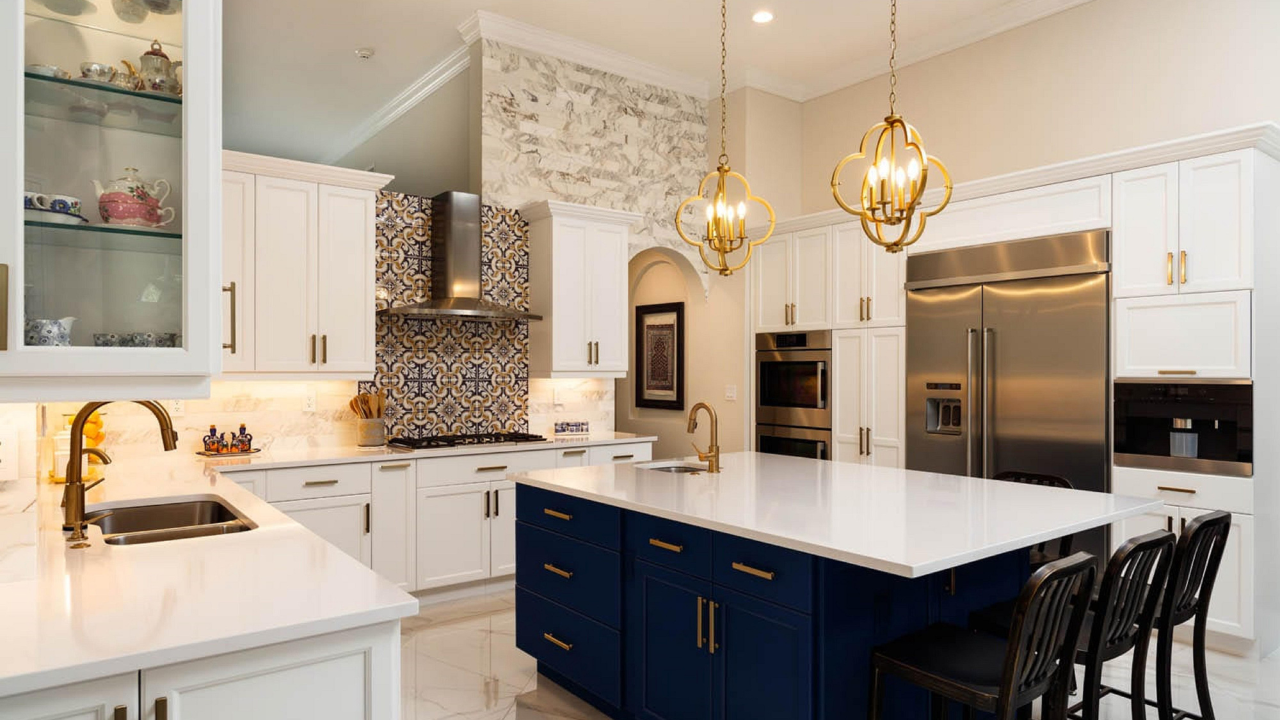
Eco-Friendly Space Optimization with Multifunctional Furniture
Adopting multifunctional furniture for small living rooms isn’t just brilliant for your daily routine—it’s also an environmentally responsible choice. You’re consuming fewer resources by needing fewer pieces, and many manufacturers now use sustainable materials or offer upcycled designs. Interested in the environmental aspect? Check the sustainability certifications before you buy, or consult guides from trusted sources like Houzz Green Products for inspiration.
Expert Tips for Choosing Multifunctional Furniture for Small Living Rooms
As a veteran in space-saving design, I know the right selection and placement can elevate your room to new heights. Here’s how to prioritize quality and function:
- Opt for Sturdy Construction: Since these items serve several roles, durability is key—quality hinges, solid frames, and easy-to-clean fabrics pay off in the long run.
- Test Mechanisms: Before purchasing, fold, lift, or pull out all moving parts to ensure smooth, safe operation. It’s a tip I always give clients during the remodeling consultation process.
- Measure Twice: Ensure all multifunctional furniture for small living rooms fits comfortably, both open and closed, to avoid cramped walkways.
- Pursue Customization: Some companies offer bespoke solutions—perfect for awkward corners or unique layouts. See what options are available in your area or ask your remodeler for recommendations.
- Balance Aesthetics and Utility: A streamlined look supports a calming atmosphere. Seek out pieces that blend style with function for optimal results.
Where to Find the Best Multifunctional Furniture for Small Living Rooms
Ready to start shopping or planning your upgrade? Begin with reputable design resources and consult remodelers experienced in maximizing compact spaces. National retailers and boutique stores often offer options tailored to small living rooms, and online platforms like This Old House provide tips and reviews to help you make informed choices. Don’t hesitate to browse local showrooms; sometimes, seeing and testing furniture in person is the best way to ensure it fits your home’s unique needs.
Integrating Multifunctional Pieces Into Your Overall Living Room Remodel
Multifunctional furniture for small living rooms isn’t just a standalone strategy—it fits perfectly into any comprehensive home transformation. During the planning process, consider pairing these pieces with other space-enhancing upgrades like new lighting, compact appliances, or a custom built-in unit. You might also coordinate your furniture selections with color schemes and finishes to match your kitchen or bathroom, creating a seamless, unified vibe. For more complete transformation ideas, visit our guide on seasonal home remodeling strategies or see our rustic-modern inspiration in the kitchen remodeling gallery.
Combining Functional Furniture With Other Smart Upgrades
To maximize the value and beauty of your remodeled living room, combine your multifunctional solutions with:
- Custom millwork or shelving units for vertical storage and display
- Energy-efficient LED lighting to highlight your flexible furniture and brighten the room
- New windows or sliding doors to increase natural light and create the illusion of more space
- Open-concept layouts where possible—removing non-load-bearing walls or redesigning traffic flow
All these updates, combined with the right multifunctional furniture for small living rooms, will give your home a vibrant, refreshed energy that’s a joy for everyone who walks in.
Key Takeaways for Multifunctional Furniture for Small Living Rooms
- Multifunctional furniture for small living rooms can transform even the tiniest spaces into comfortable, stylish, and highly efficient living areas.
- Choose versatile pieces like sleeper sofas, storage ottomans, and wall beds to maximize utility without compromising on design.
- Thoughtful arrangement—including floating furniture, using vertical space, and cohesive colors—enhances perceived spaciousness.
- Quality matters; opt for durable, well-constructed items and always test mechanisms before purchasing.
- Eco-friendly, multifunctional designs support sustainability by reducing excess furniture and encouraging longevity.
- Integrate these smart furnishings into your broader home remodeling plan for a unified, custom look.
- Consult resources like HGTV or NKBA for design ideas and professional advice on optimizing your living room.
- Work with experienced remodelers for personalized advice and installation support tailored to your space.
Frequently Asked Questions About Multifunctional Furniture for Small Living Rooms
What are the top benefits of multifunctional furniture for small living rooms?
Multifunctional furniture maximizes available space, increases storage, reduces clutter, and adapts to your changing needs—making small living rooms feel more expansive and organized.
How do I choose the right multifunctional furniture for my small living room?
Identify your priorities (sleeping, storage, workspace), measure your space carefully, and look for durable, quality pieces with easy-to-use mechanisms that blend with your existing style.
Can multifunctional furniture help increase property value?
Yes, multifunctional solutions can enhance a home’s appeal by making small spaces look larger and more versatile, which often attracts buyers or renters.
Are there eco-friendly multifunctional furniture options available?
Definitely! Many brands now offer sustainable or upcycled multifunctional furniture using responsibly sourced materials to minimize environmental impact.
How can I incorporate multifunctional furniture into other remodeling projects?
Coordinate your furniture choices with other renovations—like new paint, lighting, or flooring—and consult with experienced professionals for a cohesive, space-saving result.
Where can I find inspiration and additional tips for my living room remodel?
Great resources include design websites like Houzz, This Old House, and remodeling galleries on our Horizon Remodeling website for more ideas and expert guidance.
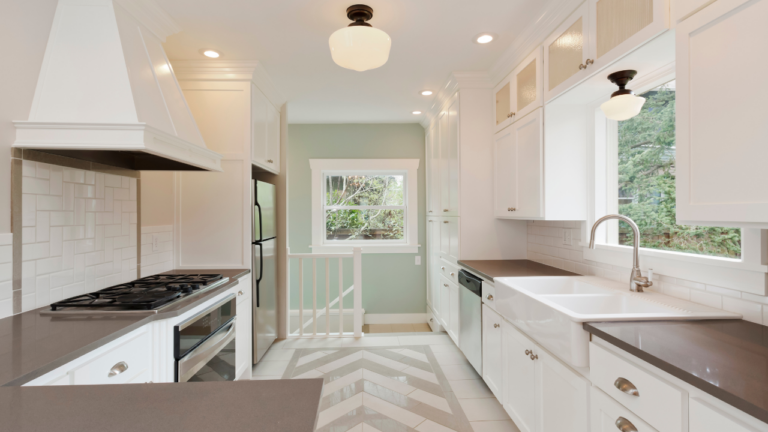
How Creative Lighting Ideas Instantly Transform Any Small Space
Opening paragraph starting with content… If you’re searching for practical ways to make your small space feel brighter, bigger, and more inviting, creative lighting ideas are your best friend. Thoughtful lighting goes far beyond simple illumination—by integrating the right creative lighting ideas, you can shift the mood, define zones, and draw attention to your home’s best features, all without taking up precious square footage. In this guide, you’ll discover innovative techniques and lighting design trends that will give even the smallest rooms a fresh, open vibe while putting your unique style in the spotlight. Let’s explore how creative lighting ideas can transform your home, no matter the space constraints.
Unlocking the Power of Creative Lighting Ideas in Small Spaces
When floor space is limited, every design decision counts. Creative lighting ideas offer a transformative effect, making even the coziest apartments or compact rooms feel airy and functional. The best approaches combine functionality, style, and clever placement to maximize both aesthetics and light coverage. Whether you want to highlight an elegant kitchen remodel or bring warmth to a neglected nook, the right lighting concept can redefine the entire atmosphere.
Why Do Creative Lighting Ideas Matter in Small Homes?
Small spaces can quickly feel cramped or dark if lighting isn’t carefully planned. By turning to innovative solutions like layered lighting, hidden LEDs, and creative placement, you create the illusion of more space. Ultimately, creative lighting ideas not only enhance visual appeal but also improve how you use each zone, whether for additional living areas or multipurpose rooms.
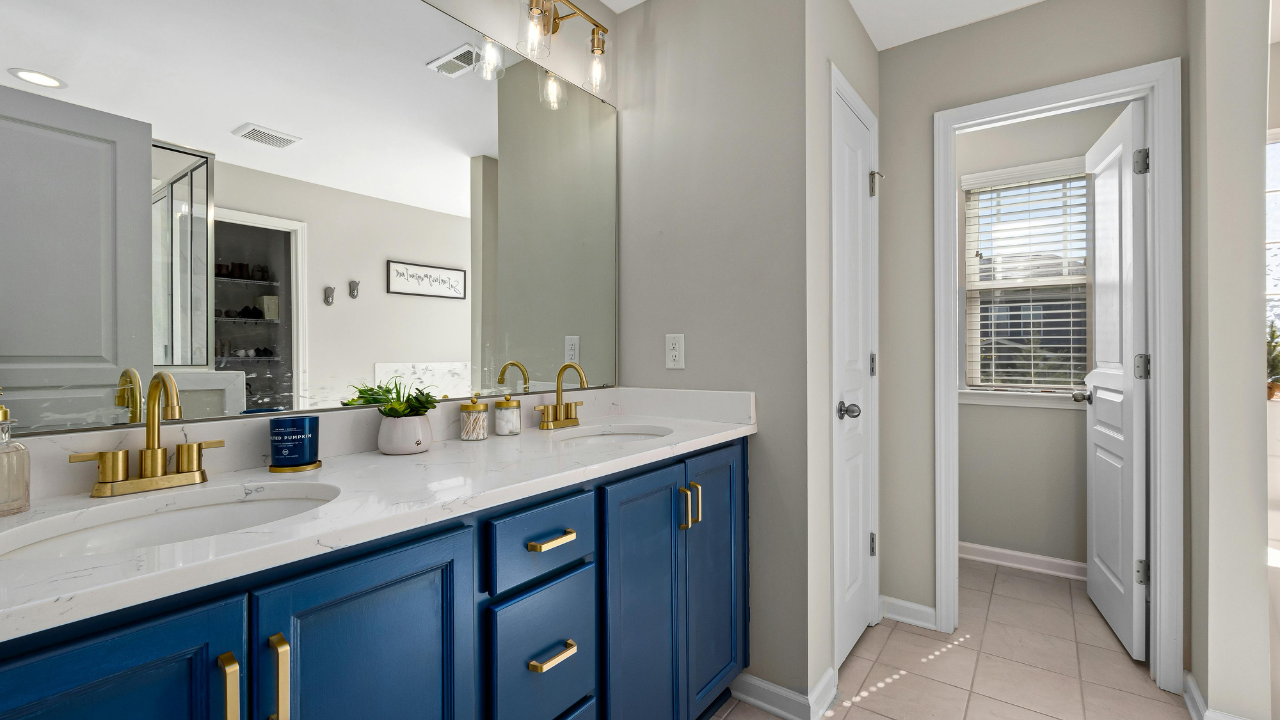
Layering Light: The Backbone of Creative Lighting Ideas
Successful lighting design isn’t about a single fixture. Instead, it’s about layering multiple light sources—ambient, task, and accent lighting—to achieve depth and dimension. In small spaces, this approach allows you to create zones, boost perceived size, and switch up moods with a single click.
Ambient Lighting: Setting the Foundation
Ambient lighting provides overall illumination for a room. When space is limited, opt for flush-mount ceiling lights, recessed LEDs, or slender pendant fixtures to keep sightlines clear while casting a pleasant, even glow. A compact, yet striking chandelier can also set a focal point without overwhelming the room. For ideas that work in a range of interiors, HGTV’s guide to lighting small spaces highlights several fantastic options.
Task Lighting: Enhancing Functionality
Task lights—such as under-cabinet strips, adjustable sconces, or clip-on lamps—target specific activities like cooking, reading, or working. These creative lighting ideas are perfect for kitchens, bathrooms, or dedicated home office corners. Focused light exactly where you need it minimizes shadows and boosts productivity in compact zones. Explore more bathroom remodeling tips to see how targeted lighting can uplift daily routines.
Accent Lighting: Adding Visual Interest
Accent lighting brings personality to your home, spotlighting artwork, interesting architecture, or cherished collections. In small spaces, subtle LED strips tucked behind a headboard, or wall-mounted spotlights over a gallery wall, can add drama and sophistication without clutter. These creative lighting ideas help you personalize your home while giving the illusion of greater depth.

Creative Lighting Ideas for Every Room
No two rooms are alike, and each presents unique lighting challenges. Here’s how you can apply creative lighting ideas to various areas of your home for transformative results.
Small Kitchen Creative Lighting Ideas That Spark Joy
The kitchen is the heart of the home—even in a modest apartment. Clever use of under-cabinet LEDs, illuminated open shelving, or pendant lights over a compact island can add both utility and style. To explore more, check our expert kitchen remodeling tips for maximizing every inch with smart illumination.
- Install motion-sensor under-cabinet lighting for late-night snacking or meal prep.
- Mix cool and warm light tones to promote a welcoming atmosphere without overpowering the senses.
- Use reflective surfaces—like glossy tiles or metallic finishes—to bounce light and visually expand the room.
Bathroom Brilliance: Creative Lighting Ideas for Tight Quarters
Bathrooms often lack natural light and require strategic solutions. Vertical LED strips on either side of mirrors, backlit medicine cabinets, and even unique recessed floor lighting can add an unexpected touch while improving visibility. Add drama with a mini chandelier, or keep it minimal with subtle spotlights. Gain more insight on why remodeling your bathroom is easier with smart lighting updates.
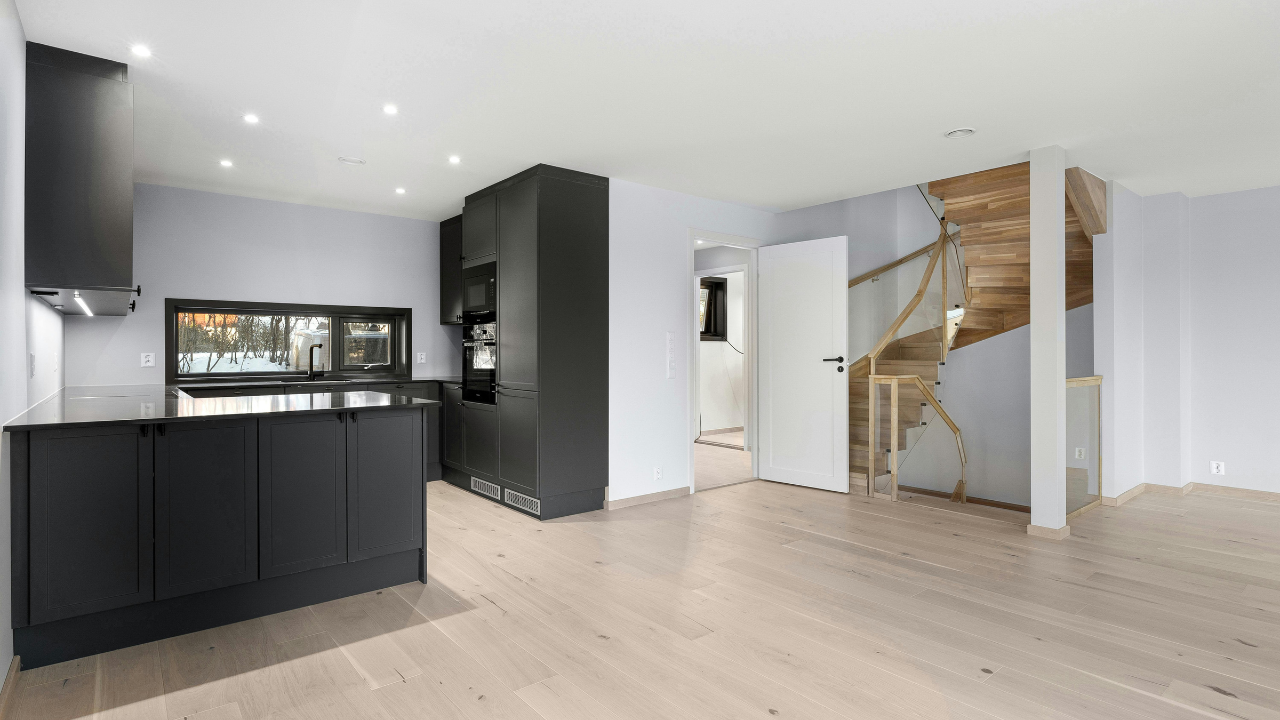
Living Room Wonders: Creative Lighting Ideas That Expand the View
Multipurpose living rooms demand flexible lighting. Layer a combination of slim floor lamps, picture lights above art, and dimmable smart bulbs to create different moods for entertainment, relaxation, or remote work. Installing wall sconces with adjustable arms frees up tabletop space and provides dynamic, customizable light.
Maximizing Light with Creative Fixture Placement
Sometimes, where you put your lighting is as important as the fixture itself. Creative lighting ideas include thinking beyond overhead lamps and embracing verticality, wall washing, and up-lighting to visually stretch the room.
Go Vertical: Tall Fixtures Draw Eyes Upward
Tall, slender floor lamps or pendant lights hung higher than usual create the illusion of taller ceilings. Consider fixtures that cast light both upward and downward for double the impact. This technique adds a sense of volume without taking up valuable floor or counter space.
Wall Washing and Grazing Techniques
Wall washers and grazers direct light onto walls, reducing harsh shadows and making enclosed spaces feel more open. Paint walls with light, neutral colors to amplify the effect—a tip recommended by several lighting design professionals on Houzz. Combining wall-mounted fixtures with light-reflecting paint creates a seamless, spacious environment.
Innovative Technology: Smart Creative Lighting Ideas for Modern Homes
Embracing technology opens up a world of creative lighting ideas for small spaces. Smart home lighting systems let you adjust brightness, change color temperatures, and schedule dynamic light patterns from an app or voice assistant. This flexibility makes it easy to adapt your space’s ambiance to any activity or mood.
Voice and App-Controlled Lights for Dynamic Living
Program your lighting to match your daily routine. Wake up to gentle sunrise simulations, transition into crisp white light for work, then wind down with soothing warm tones for the evening. Many systems let you combine task, ambient, and accent lighting into custom “scenes,” taking your creative lighting ideas to the next level.
Energy Efficiency Meets Creative Lighting
Modern LED fixtures use a fraction of the energy of traditional bulbs and come in styles perfect for every taste, from ultra-minimalist to retro chic. With creative lighting ideas that include motion sensors and dimmers, you’ll save money and reduce your ecological footprint while enjoying a home that always looks its best. Learn more about sustainable remodel choices at the National Kitchen & Bath Association’s recommendations.
Budget-Friendly Creative Lighting Ideas That Make a Statement
Transforming your home with light doesn’t have to break the bank. Here are a few accessible creative lighting ideas that provide maximum impact for minimal investment:
- String lights: Hang fairy lights along bookshelves, mirrors, or under cabinets for a whimsical, cozy touch.
- Peel-and-stick LED strips: Perfect for renters, these add dramatic accent lighting to shelves, around artwork, or under counters and are easy to remove.
- DIY lamp shades: Use baskets, woven materials, or repurposed jars for custom fixtures that reflect your personal style.
- Secondhand finds: Vintage lamps from local shops or online marketplaces add character—just swap in LED bulbs for efficiency.
- Reflective surfaces: Use mirrors opposite windows or fixtures to double your existing light naturally.
Pair these ideas with smart planning and you’ll find it’s easier than ever to give a dramatic facelift to any room.
Design Tips for Seamlessly Integrating Creative Lighting Ideas
To make the most of creative lighting ideas, blend them into your existing design scheme. Here’s how experienced remodelers ensure every project feels intentional, beautiful, and uniquely yours:
- Choose fixture finishes (matte black, brass, chrome) that coordinate with hardware and decor.
- Keep scale in mind—oversized fixtures can overwhelm, so opt for sleek, compact designs.
- Mix light types, but keep color temperatures consistent for a harmonious look (don’t mix cool white and warm yellow in the same zone).
- Select multi-use fixtures like wall sconces with dimmers to suit reading, entertaining, or relaxing.
- Don’t neglect overlooked corners—a corner floor lamp or small accent lamp can make the entire space feel more cohesive.
These techniques ensure your creative lighting ideas complement—and elevate—your overall interior vision. For more integration tips, our interior remodeling experts can help plan a complete look from cabinets to switches.
Showcase: Before and After Creative Lighting Ideas
A few real-life examples highlight the dramatic change that thoughtful lighting makes in small spaces:
- Tiny Apartment Kitchen: Swapping a single overhead bulb for recessed ceiling lights, under-cabinet strips, and a pendant over the sink brings layered brightness and a high-end feel.
- Narrow Bathroom: Vertical lights on both sides of the vanity mirror eliminate harsh shadows, while a hidden floor LED strip adds a spa-like vibe.
- Studio Living Area: Installing track lights along one wall and mirrors across from the windows doubles light and visually expands the room, proving creative lighting ideas can make even the smallest footprint feel spacious.
For more stunning transformations, browse photo galleries and renovation success stories at This Old House’s spotlight on small space lighting.
Planning Your Remodeling Project with Creative Lighting Ideas
Great lighting design should be part of your overall renovation plan—not an afterthought. Start with your needs: What activities will the room support? Where do you want to direct attention? Will you need dimmable fixtures or smart controls for added flexibility?
Work with your remodeler to create blueprints that incorporate outlets, switch placements, and fixture locations early in the process. Consulting with professional blueprint planners ensures your creative lighting ideas are seamlessly integrated into your finished space, maximizing both visual appeal and daily function.
- Plan for multiple circuits or zones to layer and control lights independently.
- Factor in ceiling height, wall color, and surrounding finishes to select fixtures that enhance the space.
- Don’t forget code requirements—consult resources like the NKBA lighting standards for safety and efficiency guidelines.
Need ideas tailored to seasonal living? Check our resources for remodeling inspiration for spring or updating your home for winter.
Key Takeaways for Creative Lighting Ideas in Small Spaces
- Layer ambient, task, and accent lighting for flexibility and depth in tiny rooms.
- Always choose fixtures and bulbs that maximize brightness without overwhelming your design.
- Wall washing, vertical lights, and reflective surfaces visually expand smaller spaces.
- Smart lighting systems add dramatic effects and energy efficiency, perfect for modern lifestyles.
- Creative lighting ideas should blend seamlessly with your décor for a custom, harmonious look.
- Coordinate lighting choices with remodeling plans from the initial project phase to save time and cost.
- Explore budget-friendly options like string lights, stick-on LEDs, and dual-purpose fixtures for impactful upgrades.
Frequently Asked Questions About Creative Lighting Ideas for Small Spaces
How many light sources do I need in a small room?
Ideally, combine at least three types of lighting: ambient (general), task (activity-focused), and accent (decorative) for balanced illumination and flexibility.
What colors are best for amplifying creative lighting ideas?
Light, neutral wall colors like white, pale gray, or soft beige reflect more light and make creative lighting strategies more effective.
Can I use smart lighting in rental spaces?
Yes! Many smart bulbs and LED strips are plug-in or wireless, requiring no hardwiring—perfect for renters seeking creative lighting ideas with minimal installation.
Are energy-efficient bulbs suitable for creating ambiance?
Absolutely—modern LEDs come in a range of color temperatures and dimmable options, supporting both efficiency and custom ambiance in small rooms.
How can I add lighting without additional outlets?
Look for battery-powered puck lights, stick-on LED strips, or rechargeable lamps to implement creative lighting ideas in rooms with limited wiring.
Do mirrors really help with creative lighting ideas?
Yes, strategically placed mirrors double available light by reflecting fixtures and sunlight, enhancing the impact of your lighting design.
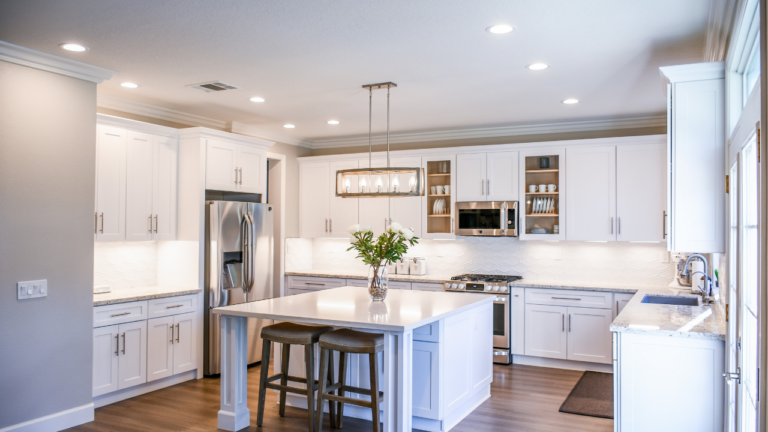
7 Smart Kitchen Remodeling Storage Tricks You’ll Wish You Tried Sooner
Opening paragraph starting with content… If you’ve been planning your next home upgrade, you might be intrigued by the endless possibilities of kitchen remodeling storage that not only maximizes your space but also reflects your personal style. When embarking on a kitchen renovation journey, focusing on innovative storage solutions is essential. In this article, you’ll discover expert-backed tips and smart tricks for achieving an organized, beautiful kitchen. As a seasoned remodeling professional, I have seen firsthand how simple tweaks in cabinetry, shelving, and storage organization can completely transform a kitchen. Whether you’re working with a compact layout or a spacious culinary haven, these kitchen remodeling storage ideas will inspire you to think creatively and utilize every inch of space.
Unlock Creative Kitchen Remodeling Storage Solutions
Every kitchen remodel should start with a clear plan that prioritizes functionality and style. One of the most significant aspects of kitchen remodeling storage is rethinking traditional cabinetry and integrating versatile solutions that adapt to your needs. Instead of simply adding more shelves, consider how custom cabinetry and multifunctional islands can create hidden compartments and clever drawer dividers. This approach not only enhances the visual appeal of your space but also promotes efficiency. You may explore ideas such as pull-out spice racks, deep drawers designed for pots and pans, and built-in recycling bins. For more inspiration, check out our in-depth kitchen remodeling tips that explore various design trends and functionality hacks.
Innovative storage designs can also elevate the overall ambiance of your kitchen, giving it a modern, refined look. The key is to blend aesthetics with practicality. Think about incorporating under-cabinet lighting to brighten up workspaces, which not only adds a touch of sophistication but also ensures every corner is easily accessible. With thoughtful placements, every utensil has its own dedicated spot, reducing clutter and saving time during busy mornings. Moreover, when you integrate elements of texture and color, your kitchen transforms into a welcoming space that invites family and friends to gather.
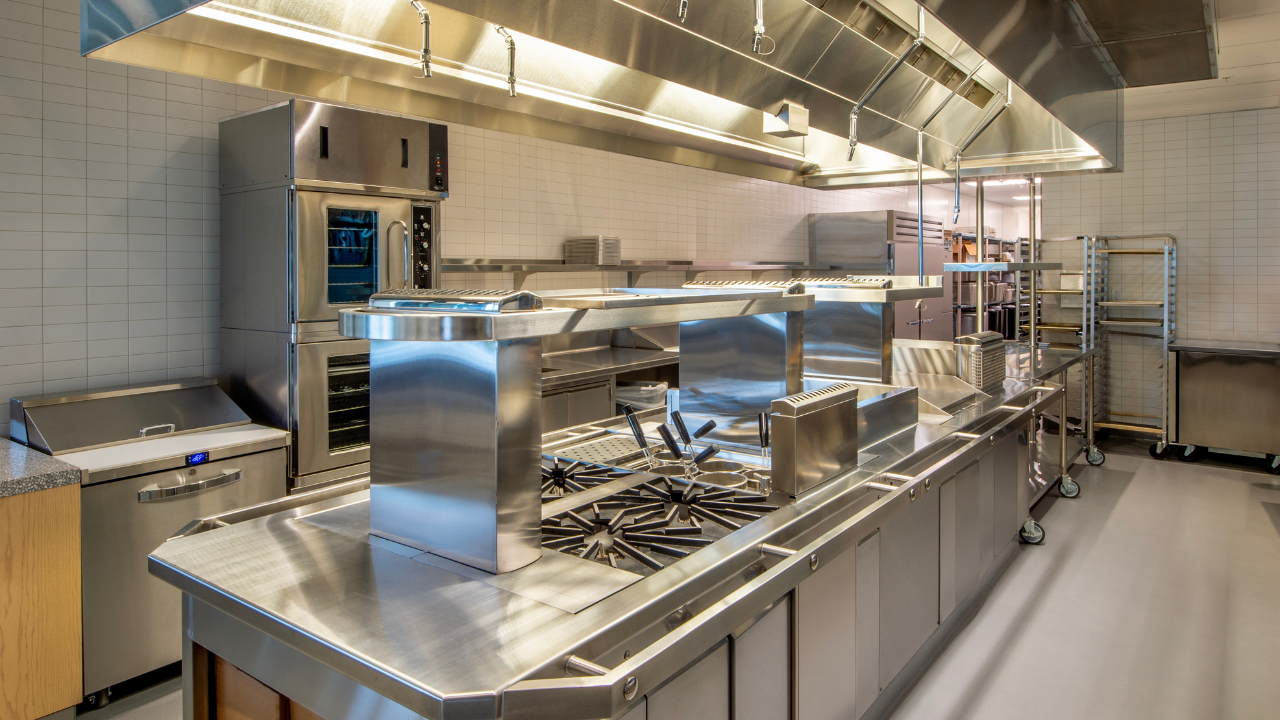
Maximizing Functionality with Smart Kitchen Remodeling Storage Ideas
When redesigning your kitchen, the implementation of smart kitchen remodeling storage elements is vital to preserving both form and function. By integrating features like pull-out pantries and modular shelving, you can effectively utilize vertical spaces and awkward corners. This method of storage not only unclutters countertops but also brings new life to idle areas under windows and along walls. Each design should be tailored to your unique kitchen layout and daily habits, ensuring that every tool, ingredient, and appliance has a designated spot.
Custom Cabinetry for Enhanced Kitchen Remodeling Storage
Opting for custom cabinetry can drastically improve your overall kitchen organization. When standard cabinets fall short, customized units can cater to your specific storage requirements by featuring adjustable shelves, sliding trays, and hidden compartments. This flexibility is essential for frequently used items, ensuring that everything from cutting boards to coffee makers is easily accessible. Look for designs that incorporate soft-close drawers and pull-out organizers for additional convenience. Consider exploring additional inspirations on our plans and blueprints page.
Innovative Use of Vertical Space and Shelving
Vertical storage is a game-changer for small and large kitchens alike. Installing floating shelves or built-in niches can create extra space for displaying decorative items or storing everyday kitchen essentials. This method is particularly effective in kitchens with high ceilings or open layouts. By balancing aesthetics with practicality, these vertical storage options make your kitchen look more spacious while keeping frequently used items at your fingertips. For additional design ideas, visit our interior work section to learn how integrated lighting and shelving can enhance overall room ambiance.
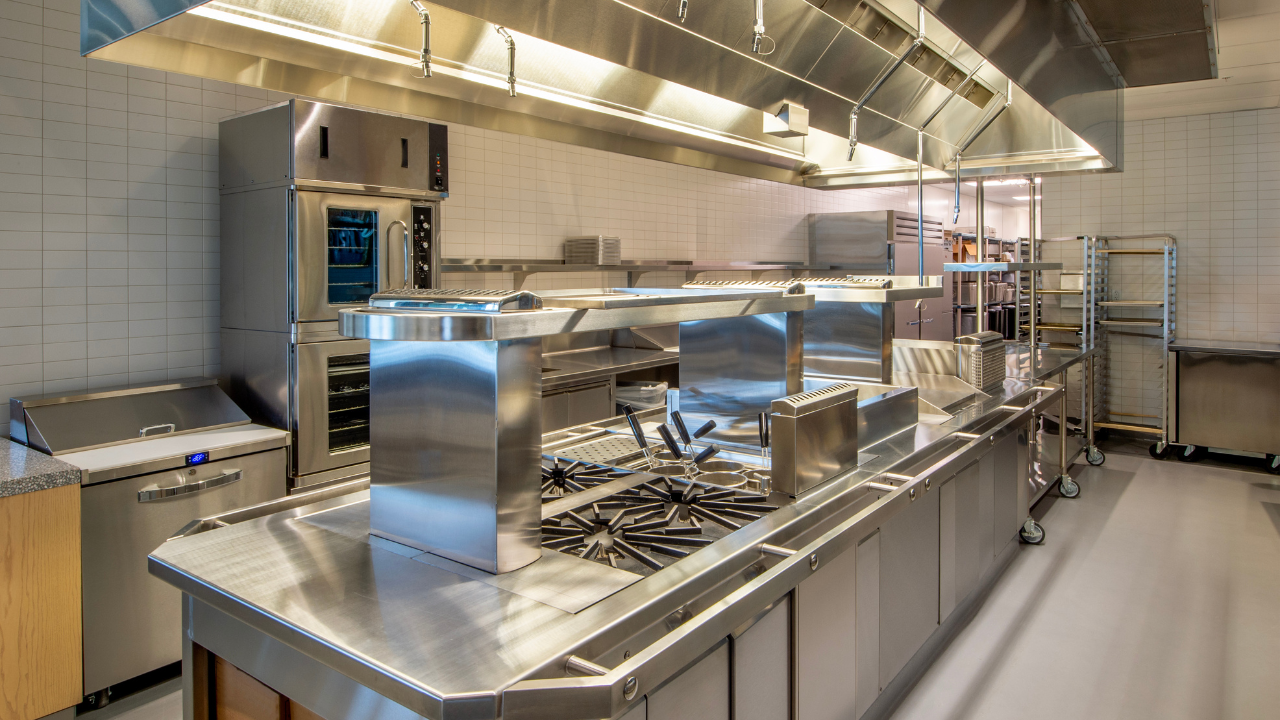
Effective Storage Techniques to Streamline Your Kitchen Space
Effective storage techniques are the cornerstone of a well-organized kitchen. Clever design strategies such as incorporating pull-out drawers, multi-tiered spice racks, and adjustable shelving can collectively transform your kitchen’s functionality. Tailoring your storage approach allows you to adjust to seasonal changes, varying culinary needs, and even unexpected guest visits. You can also play with contrasts in materials and finishes for both a modern and timeless design look.
Smart Dividers and Customized Inserts for Your Cabinets
The addition of smart dividers and customized inserts in your cabinets helps keep utensils, cookware, and pantry items neatly organized. Instead of a one-size-fits-all solution, modular inserts allow you to change layouts as your storage needs evolve. Implementing these adjustments early on in your kitchen remodeling storage planning can save you both time and money down the road. View our kitchen remodeling page for more ideas on upgrading your kitchen layout.
Creative Utilization of Uncommon Spaces
Often overlooked, spaces above cabinets or inside unused areas under stairs can become integral parts of your overall storage strategy. These unconventional areas can hold cookbooks, decorative items, or even serve as display shelves for heirloom pieces. Incorporating such features not only maximizes your kitchen remodeling storage potential but also adds personality to your space. For further inspiration, explore our home remodeling ideas for spring that emphasize creative storage solutions.
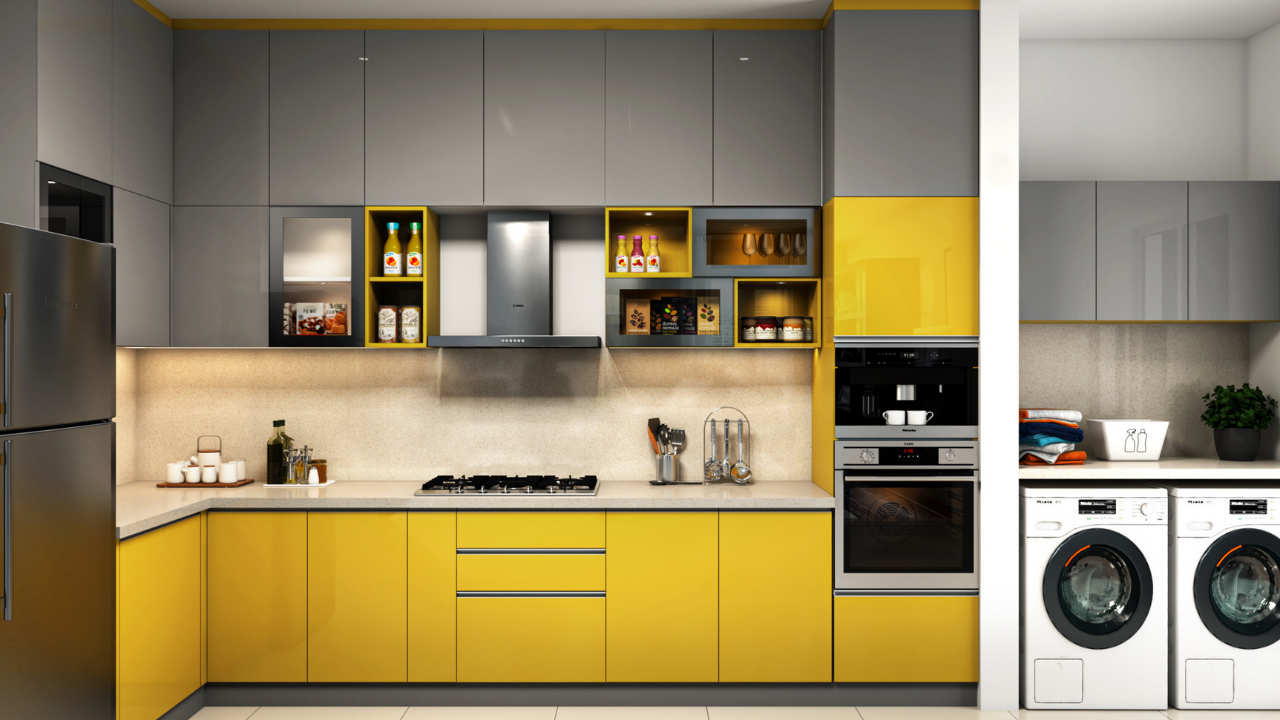
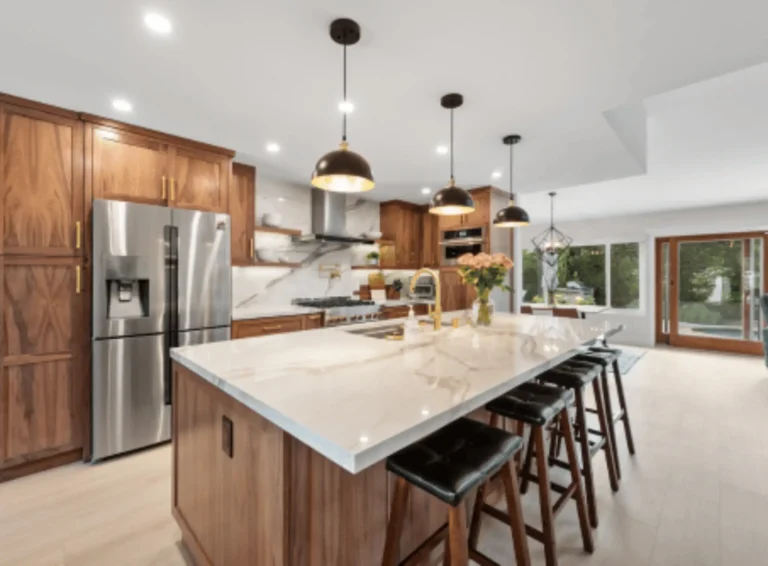
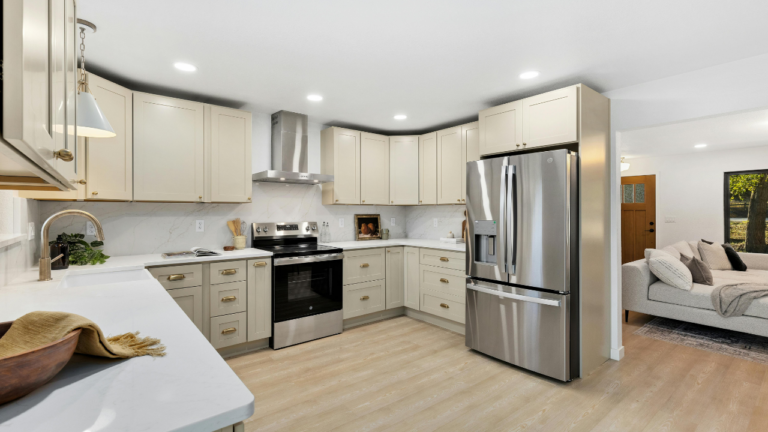
[Suggested Alt Text: Modern kitchen showcasing eco-friendly kitchen remodeling storage solutions and sustainable design elements]
Integrating High-Tech Solutions into Kitchen Remodeling Storage
Technology has revolutionized the way we approach home organization, and your kitchen is no exception. Integrating smart appliances and intelligent storage systems can streamline daily tasks, reduce clutter, and provide a seamless cooking experience. Consider installing automated pantries, touch-activated cabinet lights, or even voice-controlled inventory trackers to keep your kitchen running efficiently. These modern touches not only save space but also add a futuristic appeal to your kitchen redesign. Leading industry experts on HGTV share similar trends that reflect the merger of technology and traditional craftsmanship, ensuring that your kitchen stays ahead of the curve.
Tech-Savvy Solutions for a Modern Kitchen
With the advent of Wi-Fi-enabled appliances and smart home systems, you can integrate features that monitor inventory levels, adjust lighting based on natural exposure, or even suggest recipes based on what’s in your pantry. This interconnected approach transforms kitchen remodeling storage from a practical necessity into a comprehensive lifestyle upgrade. For additional technology insights, visit Houzz for inspirational transformations and cutting-edge design solutions.
Energy Efficiency and Sustainable Practices in Your Storage Design
As sustainability becomes a priority in modern home design, opting for eco-friendly materials and energy-efficient appliances can be seamlessly integrated into your kitchen remodeling storage plan. Recycled materials, low-VOC paints, and LED lighting not only reduce your carbon footprint but also contribute to a healthier home environment. By aligning your storage design with sustainable practices, you are investing in a future-proof kitchen that remains stylish and functional for years to come. To understand more about sustainable remodeling practices, check out resources from the National Kitchen & Bath Association.
Designing a Cohesive Look with Kitchen Remodeling Storage Elements
Your kitchen should reflect your personality while showcasing a cohesive design that harmonizes storage with other aesthetic elements. Effective kitchen remodeling storage is not just about neatness—it’s about creating an environment that tells your story. From the choice of cabinetry finishes to the integration of artisanal hardware, every detail counts toward building an inviting space. Coordinating colors, textures, and materials can ensure that the storage units appear as an integral part of your kitchen design rather than an afterthought.
Blending Aesthetics with Utility
Consider using open shelving as a means of displaying beautiful kitchenware alongside decorative objects. The transparency of glass-front cabinets can also enhance the visual impact of arranged items while concealing less aesthetically pleasing essentials. It’s important to balance the visual appeal with practical storage solutions—for instance, opting for pull-out drawers that hide clutter yet remain accessible. For more on how to blend aesthetics with utility, browse our exterior work collection that often reflects complementary interior strategies.
Adapting Your Storage Strategy for Evolving Needs
Lifestyle changes and evolving culinary trends mean that your storage strategy must remain flexible. Investing in adjustable shelving, modular cabinet systems, and convertible countertops can ensure that your space stays relevant over the years. Whether you are planning a family reunion or simply upgrading your equipment, having a dynamic storage solution means you’re always prepared. Learn more about adapting design elements to meet future needs on our winter home improvement page, which showcases versatile design trends.
Key Takeaways for Kitchen Remodeling Storage
- Incorporate custom cabinetry and adjustable inserts to maximize every inch of your kitchen.
- Utilize vertical shelving and unconventional areas to enhance kitchen remodeling storage.
- Leverage technology with smart appliances and automated systems to simplify daily routines.
- Adopt sustainable materials and energy-efficient practices for an eco-friendly design.
- Blend aesthetics with functionality to create a cohesive, inviting kitchen space.
- Invest in flexible storage solutions that can adapt to evolving lifestyle needs.
Frequently Asked Questions About Kitchen Remodeling Storage
How can custom cabinetry improve my kitchen remodeling storage?
Custom cabinetry is designed specifically for your space, allowing for tailored shelf heights, integrated dividers, and hidden storage solutions. It can optimize every inch of your kitchen while maintaining a sleek and cohesive look.
What are some cost-effective kitchen remodeling storage solutions?
Cost-effective options include installing adjustable shelving, reusing and repurposing old cabinetry with modern inserts, and selectively upgrading areas like pantry sections with pull-out racks. These upgrades can all be integrated without a complete remodel.
Are high-tech storage solutions worth the investment?
Yes, integrating smart home technology and automated storage systems can significantly enhance convenience, energy efficiency, and overall functionality, making everyday tasks simpler in your renovated kitchen.
Can I adapt my kitchen remodeling storage design for future needs?
Absolutely. Choosing modular and flexible designs allows you to reconfigure storage as your lifestyle changes, ensuring your kitchen remains practical and stylish for years to come.
How do sustainable practices impact kitchen remodeling storage?
Sustainable practices like using recycled materials, low-VOC finishes, and energy-efficient lighting not only provide a healthier environment but also contribute to a modern, eco-friendly kitchen design.