Eco-Friendly Interior Design: 6 Bright Ideas for Greener Urban Living Spaces
Living in the heart of the city shouldn’t mean compromising on sustainability. Thanks to innovative approaches in eco-friendly interior design, urban dwellers like you can enjoy beautiful, stylish homes that support a healthier planet. Whether you’re renovating a high-rise apartment or refreshing a downtown loft, embracing sustainable interior design principles can improve air quality, conserve resources, and reflect your commitment to responsible living. In this comprehensive guide, we’ll unlock six powerful ideas to transform your urban living spaces with eco-friendly interior design—blending sophistication with environmental consciousness every step of the way.
Why Choose Eco-Friendly Interior Design for City Living?
Urban environments face unique challenges—limited space, resource constraints, and environmental concerns. By integrating eco-friendly interior design throughout your home, you’ll not only create a healthier personal environment but also make a positive impact in your community. With smart choices in materials, layout, and decor, sustainable interior design can help maximize natural light, reduce waste, and even lower energy bills.
- Improve indoor air quality for your family
- Reduce your carbon footprint in the city
- Optimize small spaces with multi-functional solutions
- Add resale value to your urban property
1. Sustainable Materials: The Heart of Eco-Friendly Interior Design
Choosing the right materials lays a strong foundation for any eco-friendly interior remodel. When selecting finishes and furnishings, seek out options that are renewable, non-toxic, and locally sourced whenever possible. Look for certifications such as FSC (Forest Stewardship Council) for wood or GREENGUARD for low-emission products. This thoughtful approach helps prevent indoor pollution while celebrating the natural beauty of each material.
- Bamboo flooring – fast-growing, sustainable, and durable
- Recycled glass countertops add elegance and reduce landfill waste
- Natural fiber textiles (organic cotton, hemp, wool) for healthy upholstery
- Low- or zero-VOC paints and sealants to protect air quality
Shopping Smart: Where to Find Sustainable Products
You’ll discover a wealth of responsibly made furnishings and building materials at specialty retailers and green design showrooms. For online inspiration and shopping, check out Houzz for eco-friendly decor ideas and verified product sources.
2. Maximizing Natural Light and Smart Window Solutions
Boosting natural light is a cornerstone of eco-friendly interior design, especially in dense urban neighborhoods. Not only does sunlight enhance mood and create a sense of spaciousness, but it also reduces the need for artificial lighting. Choose reflective surfaces, pale colors, and strategic window placement to help light travel deeper into your home. Smart window treatments—like cellular shades and bamboo blinds—offer insulation and privacy while staying true to your eco-conscious values.
- Install energy-efficient windows to reduce heating and cooling needs
- Hang sheer organic cotton curtains to diffuse sunlight naturally
- Use mirrors to multiply daylight and brighten dark corners
- Incorporate skylights or light tubes in urban penthouses or top-floor apartments
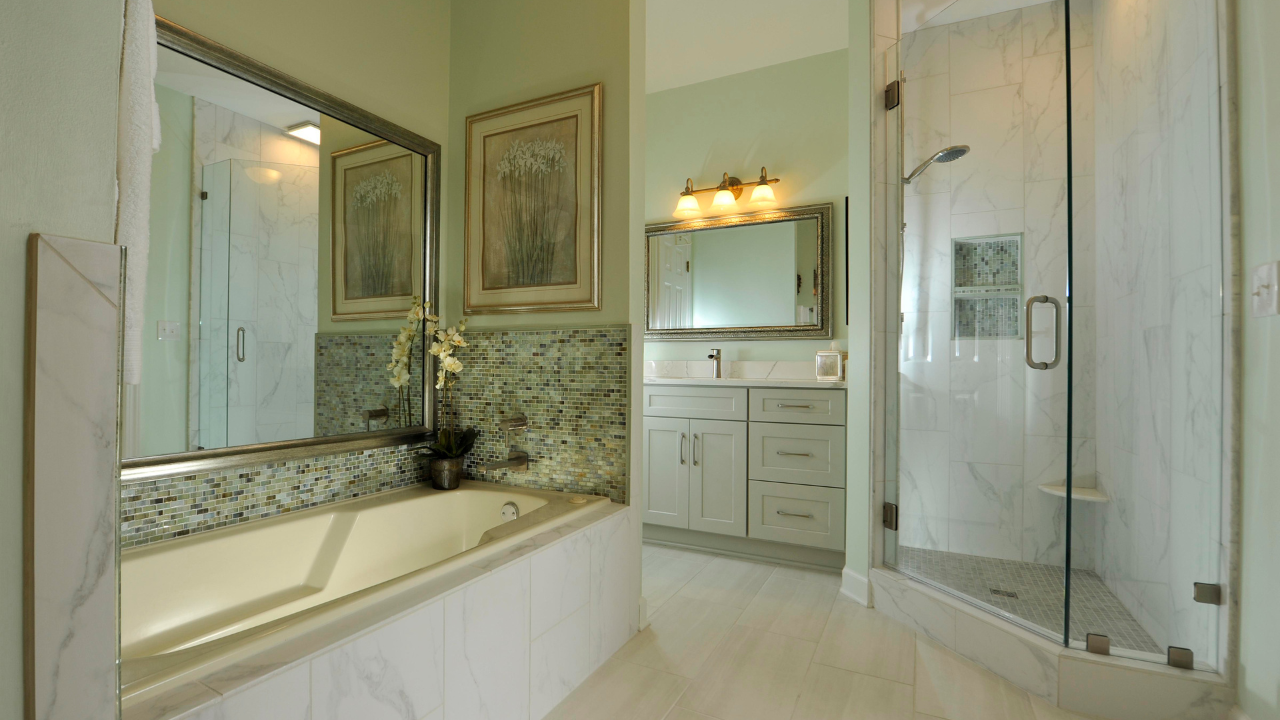
Advanced Window Solutions for Urban Efficiency
Consider smart glass technologies (electrochromic or photochromic windows) that automatically adjust transparency, optimizing daylight and temperature. Explore more window and exterior work solutions for green renovations tailored to city living.
3. Efficient Layouts and Multi-Functional Furniture in Eco-Friendly Interior Design
Space is at a premium in the city, making efficiency and versatility essential for every urban home. Eco-friendly interior design pairs compact, modular furniture with layouts that prioritize movement and natural ventilation. Seek out furniture crafted from recycled or upcycled materials, or choose pieces that serve multiple purposes—like a sofa bed or an expandable dining table. This approach helps reduce consumption and clutter, creating a calm, flexible sanctuary tailored to your lifestyle.
- Built-in shelving units and wall beds free up valuable floor space
- Convertible tables cater to both dining and workspace needs
- Reclaimed wood furniture adds character and sustainability in one package
Urban Planning with Sustainable Blueprints
Work with a qualified designer or remodeling team to develop eco-friendly layout plans and blueprints. These plans should emphasize energy flow, ergonomic movement, and resource conservation throughout your home.
4. Healthy Indoor Air with Green Plants and Eco-Friendly Air Quality Solutions
Incorporating greenery doesn’t just look good—it’s a key ingredient for eco-friendly interior design. Indoor plants help purify the air, increase humidity, and soften the look of hard surfaces often found in urban environments. Complement your living greenery with air-purifying systems such as HEPA filters or non-toxic diffusers. When choosing houseplants, opt for low-maintenance, air-cleaning varieties like spider plants, pothos, or peace lilies for a low-impact green upgrade.
- Create an indoor vertical garden or living wall for maximum impact
- Pot herbs in sunny kitchens for fresh flavor and natural air cleansing
- Use reclaimed or recycled planters for an added sustainability boost
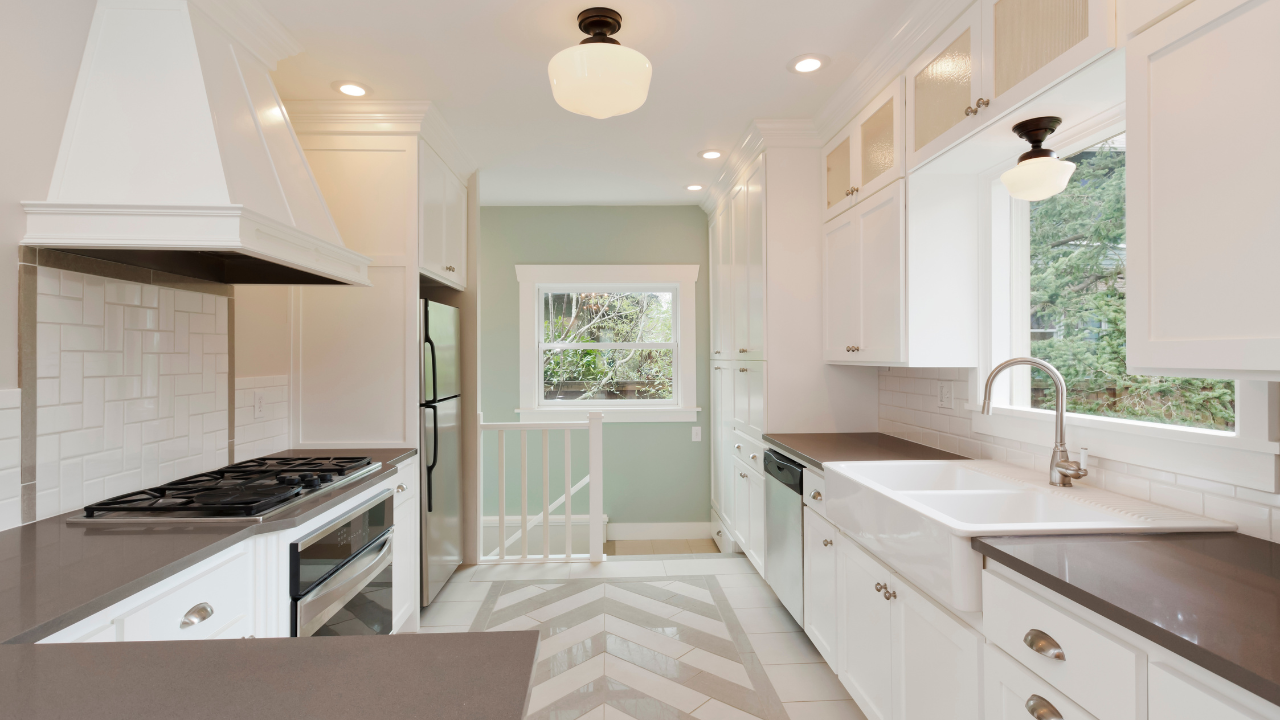
Choosing Eco-Friendly Interior Design With Air-Improving Décor
For further insights, reference guides like those featured on HGTV’s green design channel to discover new products and creative DIY projects that put clean air at the center of your space.
5. Water Efficiency and Sustainable Bathroom Design for Eco-Friendly Living
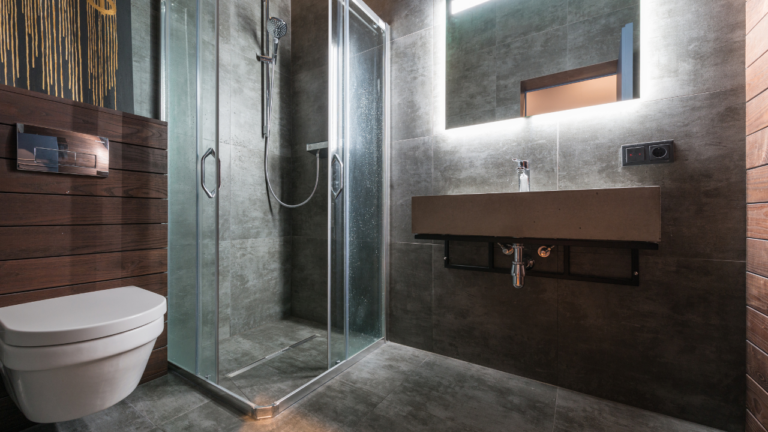
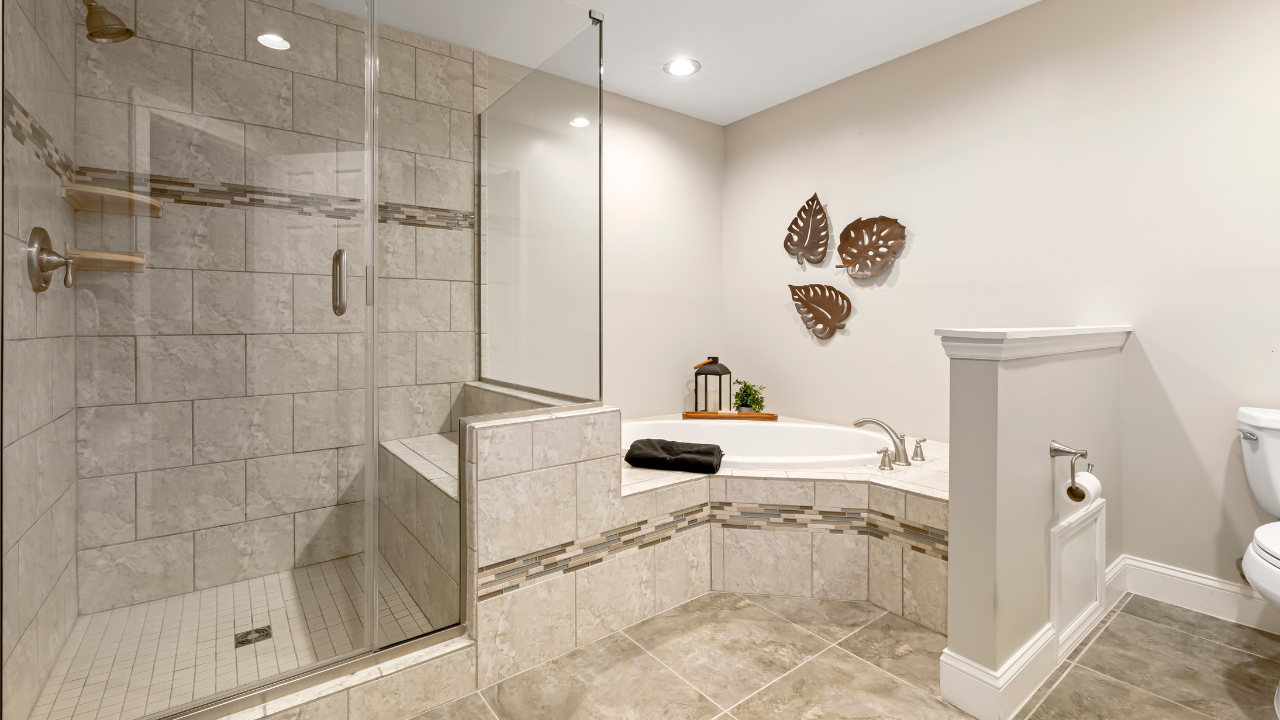
Water is a precious resource in many cities, and smart, eco-friendly interior design can help you save every drop. Upgrade your bathroom with low-flow toilets, WaterSense-labeled faucets, and efficient showerheads to conserve water without sacrificing comfort. Consider alternative surfaces, like recycled tile or stone, to give your bathroom a stylish, sustainable edge. Don’t forget natural ventilation to prevent mold and minimize the need for harsh chemical cleansers.
- Install aerated faucets for powerful flow using less water
- Choose recycled-content tile for lasting beauty and environmental integrity
- Integrate LED vanity lighting and Energy Star exhaust fans to optimize efficiency
For more upgrade ideas, visit our bathroom remodeling page and discover how easy it is to incorporate eco-friendly interior design solutions into your next renovation.
Eco-Friendly Interior Design and Bathroom Wellness
Well-designed, water-wise bathrooms can even promote wellness and relaxation. The National Kitchen & Bath Association (NKBA) highlights top trends in health and sustainability worth exploring for your remodel.
6. Energy Savings Through Smart Appliances and Lighting in Eco-Friendly Interior Design
No sustainable home is complete without a focus on energy efficiency. Modern eco-friendly interior design champions high-performance appliances, innovative lighting solutions, and smart home technology to minimize environmental impact and boost convenience. Energy Star-certified appliances, LED lighting, and programmable thermostats can dramatically lower your utility bills—and your carbon footprint—without sacrificing comfort or style.
- Install dimmable LED lights to control brightness and cut energy use
- Use motion-sensor switches in hallways, closets, or bathrooms
- Opt for induction cooktops for efficiency and clean cooking
- Connect appliances to smart plugs to avoid “phantom” energy drain
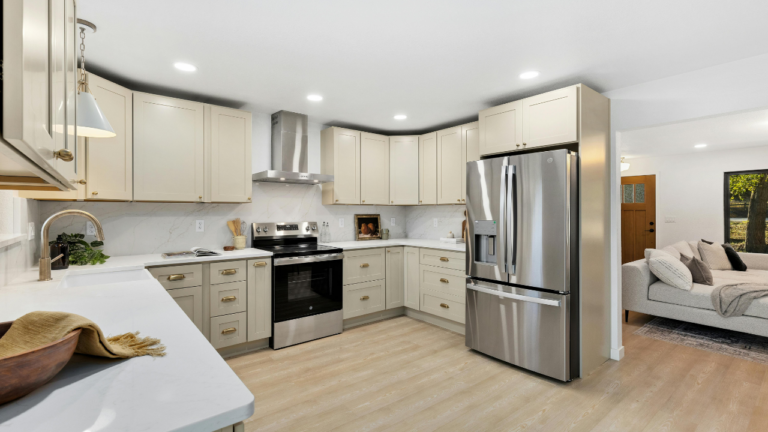
Explore more about energy-efficient kitchen design ideas here—discover how to combine culinary creativity with eco-friendly interior design for a greener urban home.
Partner With an Expert on Eco-Friendly Interior Design Renovations
Working with a contractor experienced in interior renovations helps you navigate product choices, local codes, and the most effective sustainable upgrades for your city home. Looking for inspiration year-round? View our tips for summer home improvement or browse spring remodeling ideas to keep your spaces fresh and green.
Blending Style and Sustainability: The Modern Urban Aesthetic
Eco-friendly interior design doesn’t mean sacrificing beauty or sophistication. In fact, sustainable materials and finishes offer an array of unique textures, colors, and design options perfect for expressing your urban style. Think hand-crafted recycled glass tiles, ethically sourced rugs, or custom furniture built from salvaged wood. Mixing modern lines with natural materials and greenery results in timeless interiors that invite relaxation and spark conversation.
Eco-Friendly Interior Design Tips for Small Urban Spaces
- Emphasize vertical storage and open shelving with reclaimed materials
- Layer textiles (rugs, throws, pillows) made from organic fibers for warmth and texture
- Opt for streamlined, minimalist decor to reduce visual clutter and keep your space airy
Looking for more inspiration? Browse industry resources like Remodeling Magazine or peruse featured eco-home tours on This Old House.
Key Takeaways for Eco-Friendly Interior Design in Urban Living Spaces
- Prioritize renewable, locally sourced, and non-toxic materials in every room
- Maximize natural daylight with energy-efficient window solutions and strategic layouts
- Incorporate multi-functional, sustainably made furniture to optimize small city spaces
- Add air-purifying plants and eco-friendly air solutions for a healthier home environment
- Upgrade bathrooms and kitchens with water-saving fixtures and recycled surfaces
- Choose energy-efficient appliances, LED lighting, and smart home technology
- Work with professional interior remodeling experts who understand sustainable solutions
Frequently Asked Questions About Eco-Friendly Interior Design
- What are the best eco-friendly interior design materials for city apartments?
- Bamboo, reclaimed wood, recycled metal/glass, and organic fabrics offer durability, style, and low environmental impact—perfect for urban dwellings.
- How can I improve indoor air quality with eco-friendly interior design without major renovations?
- Add air-purifying plants, choose low-VOC paints and finishes, and use air filters or purifiers to make immediate improvements—no big remodel required.
- Does eco-friendly interior design cost more than traditional remodeling?
- While some sustainable products cost more upfront, they often last longer and reduce energy or utility costs, providing long-term savings that offset initial expenses.
- Can I still have a stylish, modern look with eco-friendly interior design?
- Absolutely! Sustainable interiors embrace modern aesthetics, offering a wide range of beautiful, customizable options for every taste.
- Where can I find inspiration or professional help for eco-friendly remodels?
- Explore our interior remodeling projects, connect with experts, or browse online green design resources like Houzz and NKBA for the latest sustainable trends.