Many potential homeowners are considering the benefits of adding an Accessory Dwelling Unit (ADU) to their properties. Understanding the cost breakdown of hiring an ADU builder is necessary for making informed decisions about your investment. In this post, you will discover the various factors that contribute to the overall expenses, from materials and labor to permits and design fees. By grasping these elements, you can better budget for your project and ensure that it aligns with your financial goals.
Decoding the Components of ADU Costs
Land Use Fees and Permits
The costs associated with land use fees and permits vary significantly based on your location and the complexity of your project. Local jurisdictions often require numerous permits for ADUs, such as zoning, building, and environmental clearances. These permits can range from a few hundred to several thousand dollars, depending on the area and specific requirements you need to fulfill before construction can commence.
Materials and Labor Costs
In building an ADU, materials and labor comprise the largest portion of your budget. The selection of materials—from foundational concrete to roofing shingles—directly influences your overall expenses. Labor costs also depend on the complexity of the design and the local market rates for skilled trades. Custom features can further inflate pricing, while opting for prefabricated or standard solutions may keep costs in check.
For instance, the average cost of building materials can fluctuate greatly, exemplified in a recent study showing that hardwood flooring might run between $4 to $10 per square foot while drywall stays around $1.50 to $2 per square foot. Labor costs can range from $50 to $150 per hour, depending on the tradesperson’s experience and your location. Skilled laborers often command higher prices in urban areas, thus driving up the total budget, especially if you’re planning a high-end finish. Balancing these costs while aligning with your vision and budget is imperative to successfully navigate your ADU project.
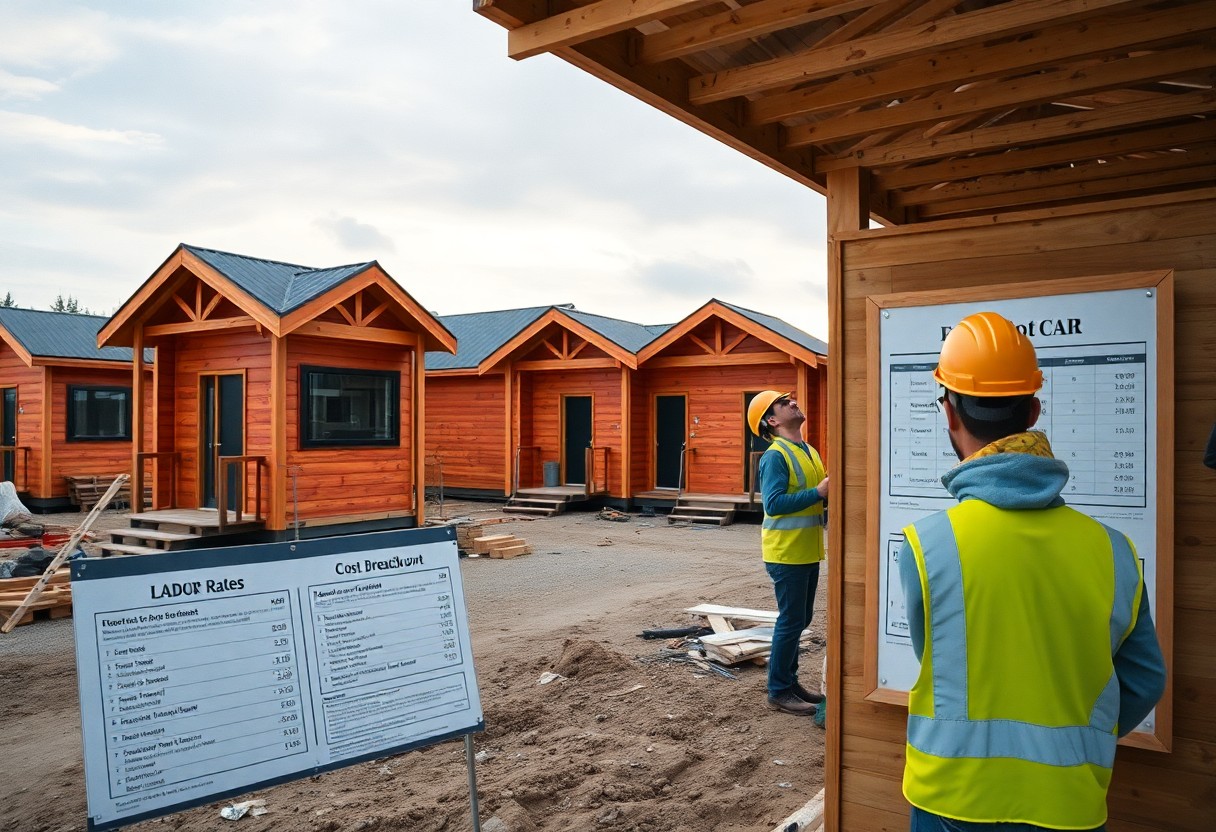
Labor Rates: Understanding the Professionals’ Pricing
Factors Influencing Labor Costs
Labor costs can vary widely based on several factors that impact a professional’s pricing structure. Geographic location plays a significant role, as metropolitan areas typically charge more compared to rural regions. The complexity of the project is another key factor; more intricate designs or challenging sites may demand higher expertise. Additionally, the duration of the project and seasonal demand can affect rates. You may also encounter varying price structures for different types of professionals, such as architects, builders, and subcontractors.
- Location-specific pricing variations
- Project complexity and design
- Duration of the construction
- Seasonal demand fluctuations
- Type of professional involved
Assume that your project requires specialized skills or is located in an area with higher living costs; you will likely pay a premium for labor.
Standard Fee Structures in the Industry
Most builders and contractors follow specific fee structures that can impact the overall cost of your ADU. These structures typically include hourly rates, fixed fees, or a cost-plus model where you pay for materials plus a percentage for labor. Hourly rates often range from $50 to $150 per hour, depending on the professional’s experience and location. Fixed fees can be advantageous because they provide clarity upfront, while a cost-plus model can be beneficial if you plan to make ongoing changes throughout the project. By understanding these fee structures, you can better assess which model aligns with your budget and project needs.
Material Selection: A Costly Choice
Budget vs. Premium Materials
Your choice of materials can drastically affect the overall cost of your ADU. Budget materials, such as conventional siding or laminate countertops, might save you money upfront but may result in higher maintenance costs over time. In contrast, opting for premium materials like hardwood flooring or natural stone can enhance the longevity and appeal of your unit, justifying the higher initial investment.
Sustainability and Upfront Costs
Choosing sustainable materials often comes with a higher upfront price tag. However, options like reclaimed wood or energy-efficient appliances can lead to long-term savings in energy costs and maintenance. By carefully assessing your priorities, you can determine if the investment in sustainable materials aligns with your goals.
Investing in sustainable materials often means paying more initially, yet the overall lifecycle costs can be lower. For instance, using high-quality insulation not only helps reduce energy costs but also contributes to a more comfortable living environment. Studies have shown that eco-friendly building materials can increase your ADU’s resale value by up to 15%, making them a sound financial decision that benefits both the environment and your wallet in the long run.
Design and Architectural Fees: More Than Just Blueprints
In-House vs. Freelance Designers
Hiring in-house designers often provides a streamlined process, as they are typically well-integrated into the builder’s workflow. You may find that their familiarity with the specific requirements of your project can lead to faster turnaround times. Conversely, freelance designers may offer unique perspectives and creative flair, but coordinating schedules and maintaining clear communication can sometimes complicate the project. Assess your priorities; whether flexibility or efficiency will best serve your needs during the design phase.
Structural Engineering Considerations
The complexities inherent in ADU construction necessitate the involvement of a structural engineer to ensure safety and compliance with building codes. You’ll want to keep in mind the varying costs associated with this aspect. A structural engineer typically charges between $1,000 and $3,000 for an ADU, depending on the complexity and location. They provide crucial support in assessing the land, analyzing potential stresses, and determining material requirements. You need well-designed structural plans to avoid costly modifications during or after construction.
Incorporating structural engineering at the outset can save you from significant issues later. For instance, factors such as local soil conditions or proximity to seismic fault lines should inform your design choices, leading to necessary reinforcements in the foundation and framing. Not addressing these aspects during the design phase might result in necessary changes down the line, which can elevate your overall project costs. Engaging with a knowledgeable structural engineer will ensure that the structure of your ADU stands strong while adhering to local regulations and best practices.
Site Preparation: Hidden Costs That Add Up
Excavation and Grading Expenses
Excavation and grading are often the first steps in preparing your site for an ADU. Depending on the land’s topography, costs can vary significantly. For example, if your lot requires substantial earthmoving or filling to ensure a level base, you might spend anywhere from $1,500 to $5,000 or more. Complications such as rocky soil or existing vegetation may further inflate these expenses, adding to the overall cost of preparing your site.
Utility Connections and Infrastructure
Connecting utilities such as water, electricity, and sewer can lead to unexpected costs. Depending on your location and the proximity to existing lines, you may see expenses ranging from $3,000 to $15,000. Factors such as local regulations, permits, and the need for trenching can all contribute to higher bills.
Utility connections play a vital role in your ADU’s functionality, affecting not just the budget but overall livability. If your property requires new lines to be run over long distances or if you must navigate through difficult terrain, construction costs can rise sharply. Additionally, local utility companies may require specific standards or inspections, further adding to the financial commitment. Preparing for these hidden costs can ultimately save you time and stress in the long run.
Building Standards and Compliance: Navigating Regulations
Local Building Codes and Impact on Costs
Your local building codes set specific requirements for everything from structural integrity to energy efficiency in an Accessory Dwelling Unit (ADU). Depending on your location, you may need to comply with stringent regulations, which can impact your costs significantly. For example, if your area mandates higher-than-usual insulation levels or specific materials, it can raise materials and labor costs. Additionally, failing to adhere to these codes can lead to expensive fines or costly rework, further complicating your budgeting efforts.
The Role of Inspections and Approvals
Inspections and necessary approvals can add layers of complexity to the building process and influence your overall costs. You’ll likely need inspections at various stages, including foundation, framing, and final walkthroughs, ensuring that all work meets established requirements. Missing a scheduled inspection can delay your project, leading to increased labor and material costs.
Each inspection usually incurs a fee, and repeated visits due to non-compliance can escalate expenses. For instance, if a structural component doesn’t meet local specifications during the framing inspection, you may need to make adjustments that include additional materials and labor costs. It is wise to budget for these inspections early on and ensure that you’re working closely with your ADU builder to stay on track with meeting the required standards. Proper planning can save you time and money in the long run.

Additional Features: Enhancing Your ADU’s Value
Smart Technology and Automation Integration
Integrating smart technology into your ADU enhances both convenience and energy efficiency. Features such as smart thermostats, automated lighting systems, and security cameras allow you to control your space remotely, making your ADU more attractive to potential renters or guests. These modern conveniences can lead to increased comfort and a higher potential return on investment, often justifying the additional costs associated with installation.
Upgrading HVAC and Energy Efficiency
Investing in HVAC upgrades not only improves comfort but also adds significant value to your ADU. Advanced heating and cooling systems are designed to optimize energy use, which can result in lower monthly utility bills. High-efficiency systems, such as ductless mini-split air conditioners and smart thermostats, provide climate control in a cost-effective manner without sacrificing performance.
Upgrading HVAC systems goes beyond just efficiency; it’s about ensuring a comfortable living environment year-round. For instance, ductless mini-splits can be particularly appealing, allowing you to control heating and cooling in designated zones, which is especially beneficial in smaller spaces like ADUs. Additionally, ENERGY STAR-rated appliances can further enhance energy efficiency, potentially qualifying you for tax incentives. By investing in these upgrades, you not only appeal to eco-conscious tenants but likely increase the overall market value of your property, making your ADU a wise financial move in the long run.
Financing Your ADU: Understanding the Financial Landscape
Loan Options and Grants Available
Numerous loan options and grants exist to assist with financing your ADU. Homeowners often explore FHA loans, which offer lower down payments and favorable terms, while others may consider personal loans for smaller-scale projects. Additionally, some states and municipalities provide grants specifically designed to support ADU development, helping you cover initial costs or enhance your existing property. Investigating local programs, such as California’s ADU Grant Program, can provide valuable incentives and financial assistance tailored to your needs.
Cost-Benefit Analysis of Investing in ADUs
Analyzing the costs and benefits of investing in an ADU reveals significant potential value. While initial construction costs may be substantial, the return on investment (ROI) can be impressive. For instance, a well-designed ADU can generate rental income or increase your property’s overall market value by 20% or more. This analysis also factors in long-term benefits, such as added flexibility for family members or increased property equity, making the investment worthwhile for many homeowners looking to maximize their property’s potential.
When diving deeper into the cost-benefit analysis, consider the potential rental income generated from the ADU. In high-demand areas, these units can rent for $1,500 to $3,000 monthly, swiftly recouping your initial outlay. Additionally, owning an ADU can provide options for multigenerational living, offering housing solutions for loved ones without sacrificing privacy. Analyzing your local market trends and rental rates can provide insights into how quickly you can recover your investment, making an ADU not just a home addition but a smart financial decision.
Final Words
Taking this into account, understanding the cost breakdown of an ADU builder allows you to make informed decisions for your project. By considering factors like materials, labor, permits, and design expenses, you can better manage your budget and expectations. Engaging with your builder about these elements ensures transparency and can help you avoid unforeseen costs. Ultimately, being well-informed equips you to create a space that meets your needs while staying within your financial plan.