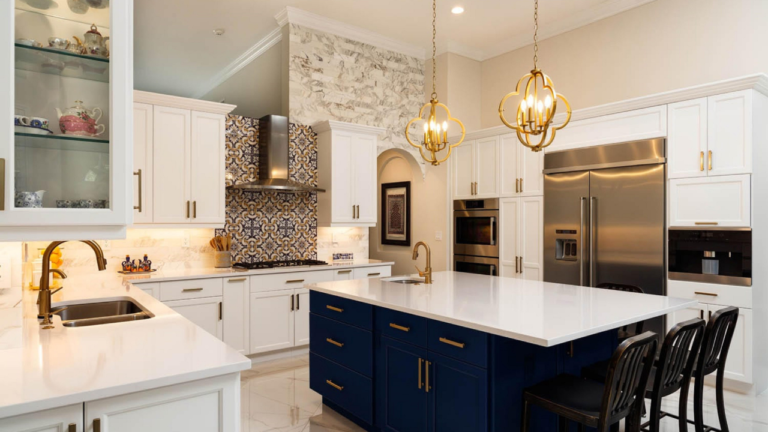
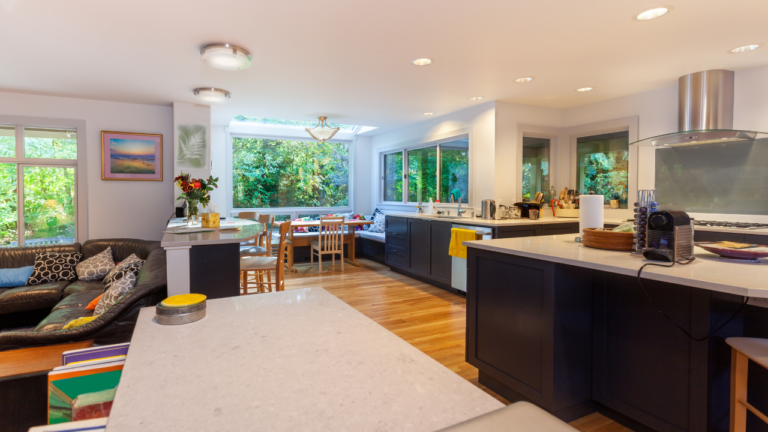
ADUs, or accessory dwelling units, can significantly enhance the functionality of your property. You might be considering a garage conversion or building a detached ADU, and understanding the differences between the two options is crucial for making an informed decision. Each choice offers unique benefits and challenges, so it’s important to evaluate your specific needs, budget, and property layout. In this blog post, we’ll investigate into the pros and cons of each option, helping you determine which solution will best suit your lifestyle and property goals.
The Financial Landscape: Evaluating Costs and Return on Investment
Initial Expenditure Comparisons
Considering the financial impact of a garage conversion versus building a detached ADU requires a careful look at your initial outlay. Typically, garage conversions are more budget-friendly, often ranging between $10,000 and $30,000, depending on the extent of renovations needed. In contrast, constructing a detached ADU can set you back anywhere from $100,000 to $300,000, influenced by factors like square footage and local building codes.
Initial Costs Breakdown
| Project Type | Typical Cost Range |
|---|---|
| Garage Conversion | $10,000 – $30,000 |
| Detached ADU | $100,000 – $300,000 |
Long-term Value Proposition
Beyond initial investments, the long-term value of either option must be assessed. While ADUs typically command higher rental rates, providing substantial monthly income, garage conversions may appeal to those looking for affordability and quicker returns on lower investments. Ultimately, the choice hinges on how you envision utilizing the space and what adds the most value to your property.
ADUs offer flexibility for potential tenants or family members, translating into higher property value and greater appeal in competitive real estate markets. As property values continue to rise, a well-designed ADU can yield a significant return on investment if you decide to sell. Conversely, a garage conversion allows for lower initial costs and faster completion, potentially generating revenue sooner while leveraging the existing structure of your home without the complexities of new construction. Analyzing local real estate trends and rental opportunities can guide your decision effectively, ensuring you capitalize on your property’s potential.
Space Utilization: Maximizing Your Property’s Potential
Functional Benefits of Garage Conversions
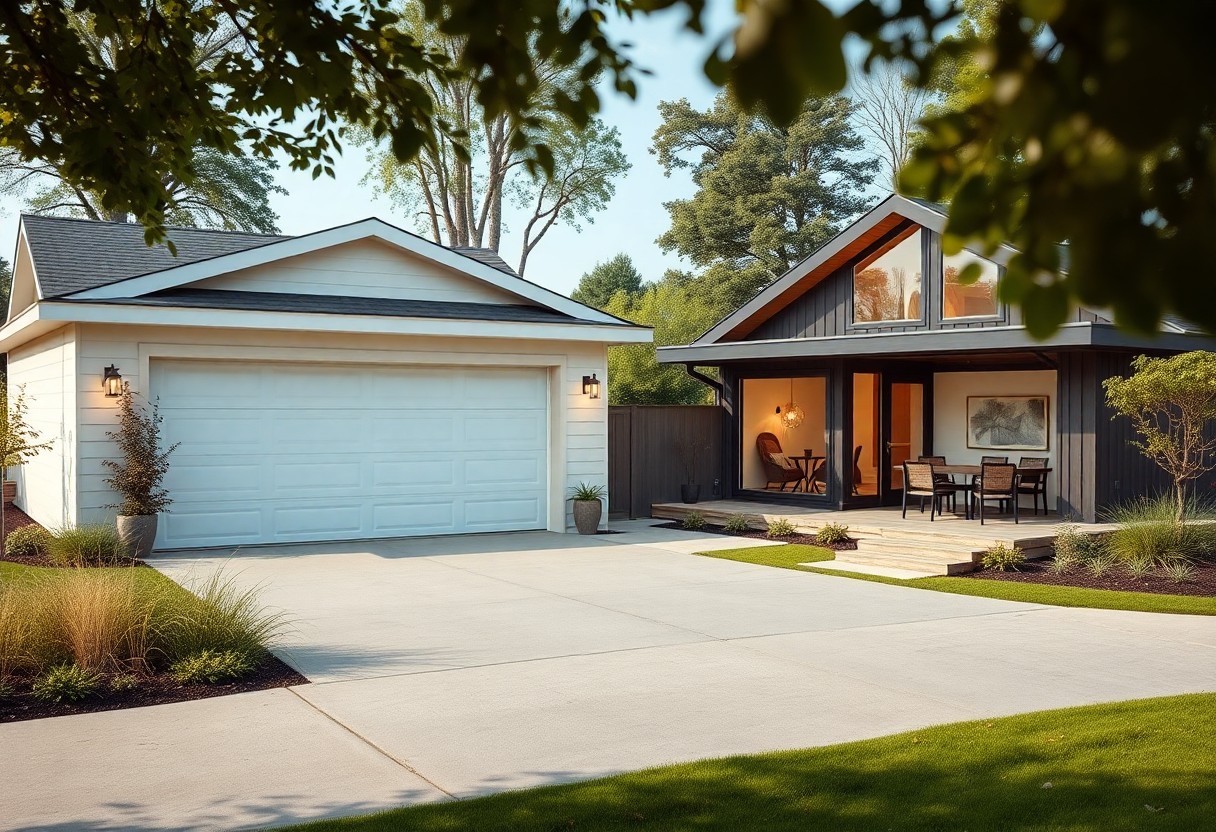
Garage conversions provide an efficient way to enhance your living space without the need for an extensive home expansion. By transforming your underutilized garage into an office, gym, or guest suite, you can increase your property’s value and usefulness. This not only makes better use of your available square footage but also allows for flexibility, adapting to your changing needs over time while still maintaining the footprint of your home.
Advantages of Detached Accessory Dwelling Units (ADUs)
Detached ADUs offer increased privacy and independence, making them ideal for multi-generational living or rental opportunities. With a separate entrance, these units create a boundary that ensures both you and your guests can enjoy personal space. Additionally, ADUs often have a lower impact on your home’s existing structure while still providing ample living area, which can make them an attractive option for homeowners looking to capitalize on urban density.
Detached ADUs also contribute to greater property value, often fetching a premium in rental markets. For instance, according to a 2022 report, properties with ADUs can appreciate up to 30% more than comparable homes without them. This type of development can generate a steady stream of income if rented out, helping you offset mortgage costs or fund future home projects. Furthermore, the versatility of an ADU allows you to customize the space to meet various needs, from office space to a cozy art studio or an in-law suite, maximizing the potential of your lot. Your detached ADU can evolve with your lifestyle, creating a win-win situation for property owners looking to make the most of their investment.
Zoning and Legal Considerations: Navigating Regulations
Understanding Local Building Codes for Garage Conversions
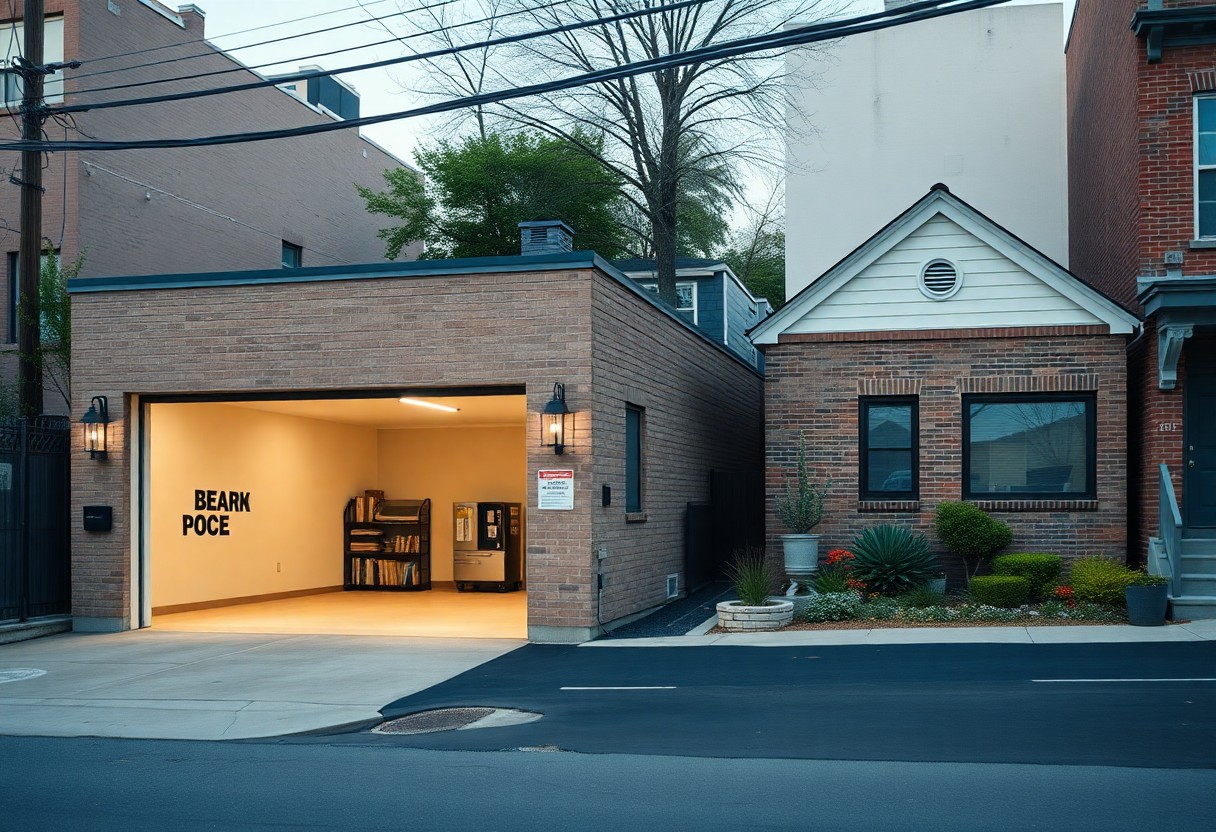
Local building codes dictate the standards for construction, including structural integrity, safety, and occupancy requirements. Each jurisdiction has its own set of guidelines that you must follow when converting your garage. You may find that certain elements, such as ceiling height, ventilation, and insulation, must meet specific thresholds. Check with your local building department to understand the regulations that apply to your area and how they impact your garage conversion plans.
Compliance Requirements for Detached ADUs
For detached ADUs, compliance requirements often include site plan approvals, setbacks, height restrictions, and grading permits. Local zoning laws may dictate the maximum allowable size for an ADU and require that the unit blends harmoniously with existing neighborhood aesthetics. Additionally, some municipalities enforce restrictions on the types of materials and designs permissible to ensure that new constructions align with community standards.
A consideration you must pay close attention to involves the necessity of obtaining a building permit before you commence construction. This process typically includes submitting detailed plans, undergoing inspections, and securing approvals from zoning or planning committees. In some areas, you might also need to prove off-street parking availability or demonstrate that your ADU won’t disrupt local traffic or water drainage circuits. Skipping these steps could lead to fines or a halt in your project, underscoring the importance of thorough preparation and compliance.
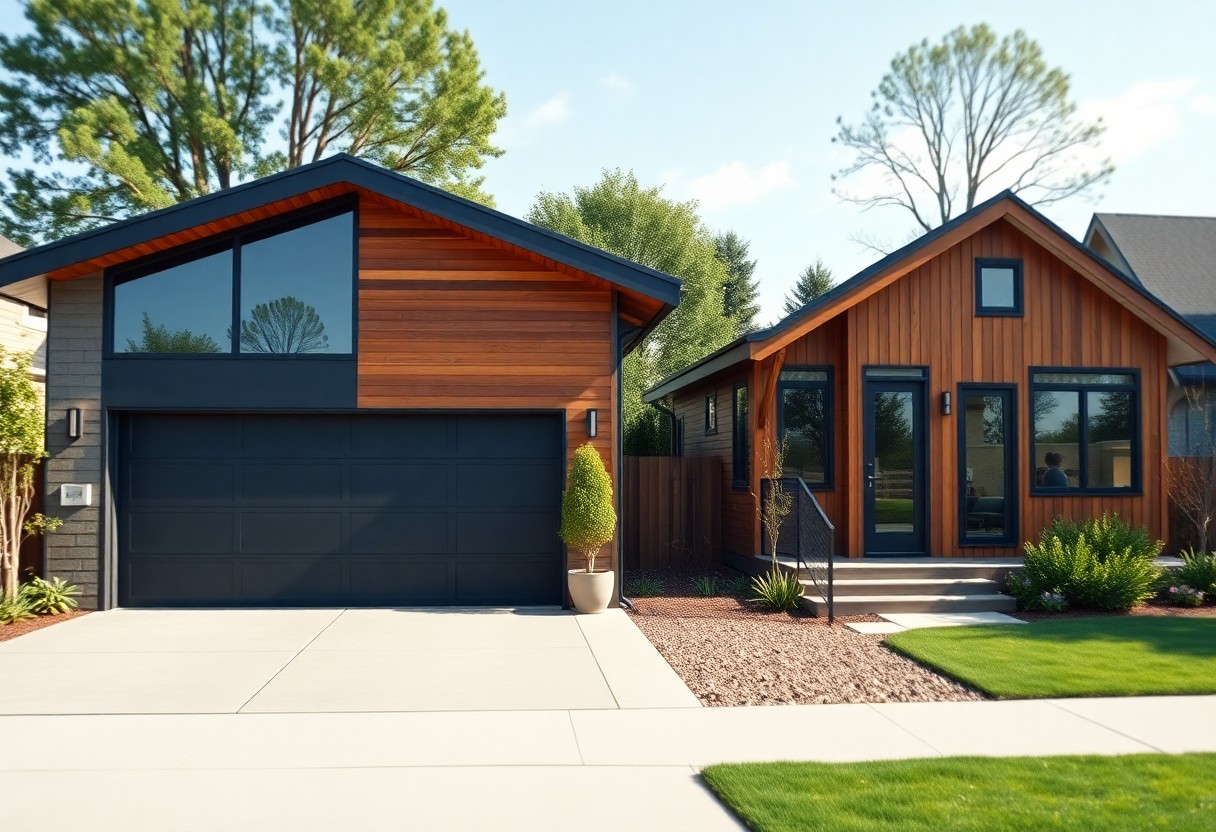
Design Flexibility: Customization and Aesthetics
Creative Possibilities with Garage Conversions
Garage conversions offer immense potential for creative transformation. With the existing structure as a foundation, you can easily customize the space to fit your specific needs, whether it’s a home office, gym, or guest suite. This adaptability often leads to unique designs that reflect your personal style while maximizing the functionality of previously underused space.
Architectural Freedom in Detached ADU Designs
Detached ADUs provide a blank canvas for architectural expression. As standalone structures, you have the liberty to design them from the ground up, allowing for diverse styles, layouts, and finishing touches that cater to your vision. You can opt for modern aesthetics, traditional designs, or even eco-friendly features, ensuring it complements or contrasts beautifully with your existing home.
This freedom can extend to practical aspects as well, such as incorporating unique floor plans that enhance usability or selecting sustainable materials for energy efficiency. Numerous homeowners have explored options like rooftop decks or playful exterior finishes that create a distinct look. Detached ADUs can even bring added value to your property by establishing a cohesive neighborhood appeal or attracting renters with stylish design elements that are in line with current trends. Your design choices can ultimately reflect both your taste and your property’s overall character.
Utility and Lifestyle: How Each Option Affects Daily Living
Convenience Factors in Garage Conversions
Garage conversions offer unparalleled convenience for homeowners seeking immediate accessibility. Typically located adjacent to the main house, these converted spaces allow for easy movement between your living areas and the newly created suite or workspace. The integration of plumbing and electricity can transform the garage into a multifunctional area, reducing the need for long commutes or extensive renovations elsewhere on your property.
- Direct access from your home without going outside.
- Utilizes existing infrastructure, saving time and costs.
- Can often be completed with fewer permits and inspections.
- Ideal for a home office or guest space requiring proximity.
Any existing garage can become a valuable part of your daily living experience.
Privacy and Independence with Detached ADUs
Detached ADUs provide a degree of privacy and independence that garage conversions may not match. When you build a separate structure, it creates a distinct living space, allowing for personal freedom and the flexibility to host guests or family members without infringing on your personal space. A detached unit can serve various purposes, from a rental space to a home office, all while maintaining its own entrance and environment.
The separation from your main residence fosters an ideal living situation for family members, adult children, or even renters, ensuring everyone has their own sanctuary. Detached ADUs can be designed to include private amenities, such as a kitchen and bathroom, granting occupants full independence and comfort. Many homeowners appreciate the sound buffering and distinct nature of a standalone structure, making it a preferred choice for those valuing both privacy and mobility.
Environmental Impact: Sustainability Factors and Energy Efficiency
Optimizing environmental impact is an necessary consideration when deciding between a garage conversion and a detached Accessory Dwelling Unit (ADU). Both options offer unique opportunities for sustainability and energy efficiency. Here’s what to consider:
- Material Selection: Choose sustainable and recycled materials for your project.
- Energy Sources: Incorporate renewable energy sources, such as solar panels.
- Insulation and Ventilation: Invest in proper insulation and energy-efficient ventilation systems.
- Land Use: Assess the environmental effects of expanding your footprint versus repurposing existing structures.
- Water Efficiency: Implement water-saving fixtures to reduce consumption.
This comparison illustrates how each option can contribute differently to sustainability goals.
Eco-friendly Approaches to Garage Conversions
Transforming your garage into a livable space can be eco-friendly with thoughtful planning. Utilizing existing structures minimizes land disruption and the carbon footprint associated with new constructions. Additionally, consider installing energy-efficient appliances and LED lighting to enhance your garage conversion’s green credentials. Using non-toxic paints and sustainable flooring options, such as bamboo or reclaimed wood, furthers your commitment to environmental impact.
Energy-efficient Designs for Detached ADUs
Detached ADUs are often designed with energy efficiency in mind. These units can be built from the ground up, allowing the use of modern construction technologies that promote sustainability. Incorporating passive solar design principles ensures optimal natural lighting and temperature control, reducing reliance on heating and cooling systems.
Creating energy-efficient designs for detached ADUs involves using high-quality insulation, triple-glazed windows, and Energy Star-rated appliances. Furthermore, adding a green roof or rainwater harvesting system can significantly improve sustainability. The orientation of the ADU can be strategically planned to minimize heat loss during colder months while maximizing natural light during warmer months. Also, the integration of smart technology enables efficient energy management, ensuring that your detached ADU is not only comfortable but also environmentally responsible.
The Emotional Factor: Community and Family Dynamics
Integration into Existing Homes through Garage Conversions
Garage conversions seamlessly integrate into your existing household, fostering family bonds while providing the flexibility to maintain closeness. You can create additional space for aging parents or growing children, allowing them to stay nearby while enjoying their independence. This setup not only supports family dynamics but also enhances your property’s aesthetic, preserving the feel of a unified home.
Detached ADUs as Personal Sanctuaries
Detached ADUs offer an opportunity to step back and find peace away from the hustle of family life. Often designed with personal tastes and needs in mind, these spaces serve as quiet retreats where you can unwind or focus on hobbies, making them perfect for anyone seeking to balance family commitments with personal time.
A detached ADU can transform your lifestyle, providing solace in a fast-paced world. These units are perfect for creative pursuits or relaxation, letting you disconnect from the daily chaos of family activities. Customization is a key benefit, as you can tailor the layout and design to suit your personal needs. With features like dedicated workspaces or serene garden views, a detached ADU can become your sanctuary—a space that adds not just physical square footage, but also emotional space for mindfulness and rejuvenation. This balance can significantly enhance your wellbeing, allowing you to return to family life with a refreshed mindset.
Final Words
Conclusively, deciding between a garage conversion and a detached accessory dwelling unit (ADU) depends on your specific needs, property layout, and budget. A garage conversion can be a cost-effective solution if you prioritize maximizing existing space, while a detached ADU offers increased privacy and potential rental income. Assess your property’s zoning regulations, your lifestyle needs, and your long-term goals to make an informed decision that aligns with your vision for your property.