Just as you prepare for any significant project, getting a clear understanding of your ADU contractor is vital to a successful venture. Knowing the right questions to ask can help ensure that your project stays on track, meets your expectations, and fits your budget. In this post, you will find vital questions to guide your discussions with potential contractors, enabling you to make informed decisions that align with your goals for your Accessory Dwelling Unit (ADU).
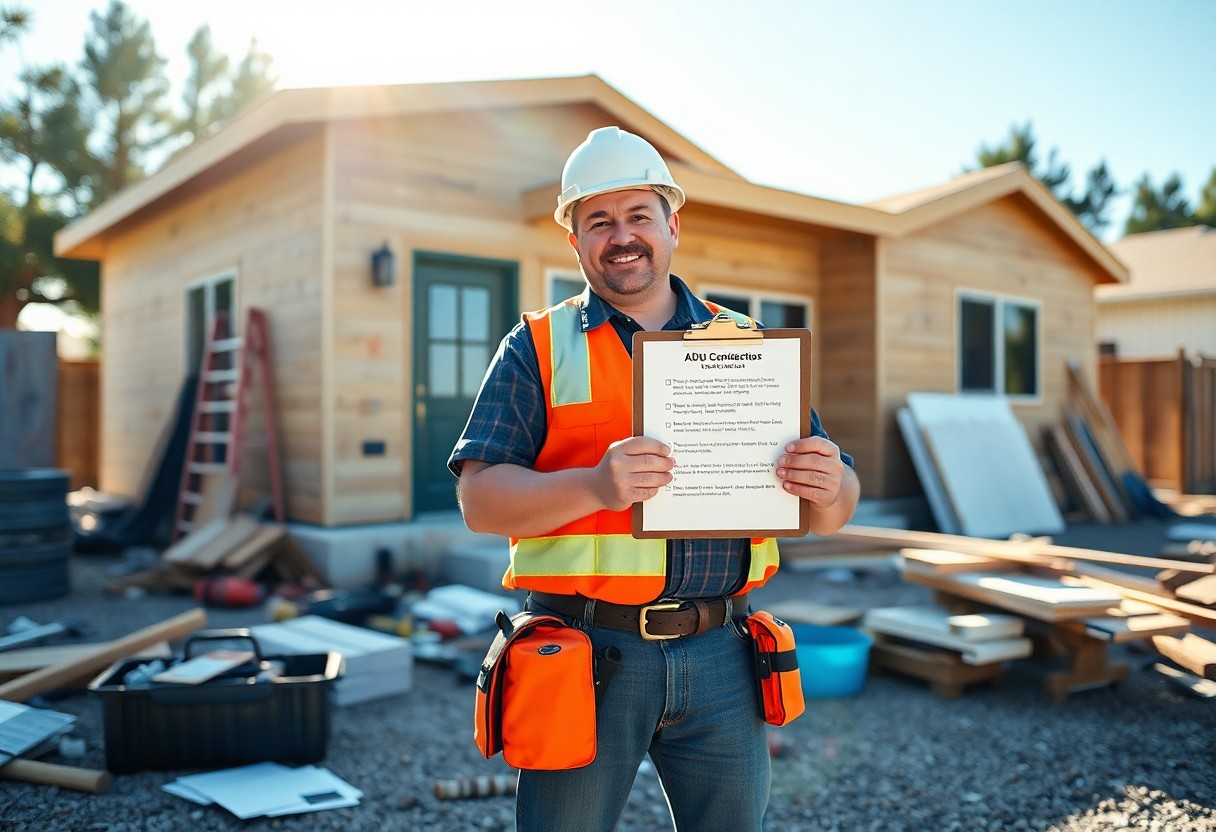
The Crucial Background Check: Evaluating Your Contractor’s Credentials
Licensing and Insurance Verification
Confirm that your contractor holds all necessary licenses for construction in your area. Valid licenses not only demonstrate their compliance with local regulations but also indicate a level of professionalism. Additionally, ensure they have liability insurance to protect you from any potential damages or accidents that could occur during the project. Without this, you could risk significant financial repercussions should any issues arise.
Reviewing Previous Work and Client Testimonials
Analyzing a contractor’s past projects provides invaluable insight into their quality of work and reliability. Seek out their portfolio and look for completed ADU projects that resemble your vision. Client testimonials and reviews can also reveal the overall experiences others have had—positive feedback is a great sign, while consistent complaints may raise red flags.
Digging deeper into a contractor’s previous work can uncover a pattern of excellence or areas that need improvement. You might contact former clients directly, asking about their satisfaction levels, adherence to deadlines, and communication throughout the project. Visual evidence of their craftsmanship, such as high-resolution photos or walkthrough videos, can also help you get a real feel for their style and skill set. This thorough examination aids in making an informed decision, ensuring your investment aligns with your expectations.
Financial Clarity: Questions That Unpack Costs
Detailed Estimates vs. Ballpark Figures
Understanding the difference between detailed estimates and ballpark figures can significantly impact your budget. Detailed estimates provide a breakdown of specific costs—including materials, labor, and permits—allowing you to see exactly where your money is going. In contrast, ballpark figures offer a rough cost range that can lead to unexpected expenses later on. Ask your contractor to provide a detailed estimate to ensure you’re working with a transparent financial plan that reflects the actual scope of your ADU project.
Payment Schedule: Milestones and Triggers
A clear payment schedule outlines when payments are due and what milestones trigger each payment. This structure not only helps you manage cash flow but also aligns payments with project progress, ensuring that your contractor meets their deliverables. A well-defined payment schedule can include specific milestones like foundation completion, framing, and final inspections. It encourages accountability and reduces the risk of disputes over incomplete work. Before committing, delineate these phases with your contractor to ensure you are both on the same page regarding expectations and timing.
Establishing a payment schedule based on project milestones not only safeguards your investment but also sets benchmarks for progress. For example, you might agree to release a percentage of the total cost upon completion of the foundation, with subsequent payments tied to the completion of framing, roofing, or interior finishes. This helps motivate the contractor to adhere to timelines and quality standards, as they will be keen to complete each segment promptly to receive their payments. Frequent check-ins at these milestones can also provide opportunities for you to assess the work done and address any concerns before moving forward.
Project Timeline: Setting Realistic Expectations
Anticipated Start and Finish Dates
During your initial conversations with your ADU contractor, nail down the anticipated start and finish dates for your project. Discuss any critical milestones along the way, such as permit approvals and major construction phases. A clear timeline helps you plan other aspects of your life and ensures everyone involved is on the same page regarding expectations.
Potential Delays and Contingency Plans
No construction project is entirely immune to delays, so it’s wise to discuss potential contingencies with your contractor. This might include sourcing materials, weather-related challenges, or unforeseen site issues that may arise. Having a strategy for these scenarios will mitigate stress as you progress through the project.
Contingency plans can include buffer time within the timeline, which allows for a smoother workflow in case of minor setbacks. For example, if your contractor mentions potential delays due to material availability, ask how they plan to address that—whether they have alternative suppliers or can adjust project phases. Understanding how your contractor manages unforeseen circumstances can provide peace of mind as you move forward with your ADU development.
Communication Practices: Establishing a Smooth Dialogue
Preferred Communication Channels
Determine your contractor’s preferred communication channels early on. Some contractors favor face-to-face meetings for complex discussions, while others may prefer email or messaging apps for quick updates. Establishing how you’ll communicate—be it through phone calls, video conferences, or text messages—can help streamline conversations and minimize any misunderstandings throughout the project.
Frequency of Updates and Reporting Progress
Discussing the frequency of updates is imperative to ensure you stay informed about the project’s status. Whether it’s daily, weekly, or bi-weekly check-ins, you want to align on a schedule that suits both you and your contractor’s workflow. This transparency keeps you in the loop and provides a chance to address concerns promptly.
When you set a regular cadence for updates, expect to receive insight into completed tasks, upcoming challenges, and any changes in timelines or budgets. For example, a weekly update might include a detailed summary of the week’s achievements alongside photos, which allows you to visualize progress and remain engaged in the process. This ongoing conversation fosters trust and accountability, making it easier to navigate any bumps in the road together.
Design Philosophy: Aligning Vision with Reality
Understanding Your Design Preferences
Clearly articulating your design preferences is vital to ensuring your ADU reflects your personal style. Discuss elements such as architecture, materials, color schemes, and layout options with your contractor. For instance, if you favor a modern aesthetic, you might want to explore clean lines, large windows, and open spaces. Putting your vision into words helps your contractor translate your dreams into tangible plans.
Functional Adaptations for Your ADU
Tailoring your ADU for both function and aesthetics means considering how the space will be used on a daily basis. Discuss features such as energy-efficient appliances, adaptable flooring, or multipurpose furniture. A range of smart storage solutions could transform even the smallest units into organized, liveable spaces. Prioritize adaptability to accommodate guests or changing needs over the years.
Your ADU’s design should facilitate seamless living while incorporating elements that reflect your lifestyle. Think about potential modifications—such as a pull-out sofa for guests or a foldable dining table to maximize space. Engage in a dialogue with your contractor about integrating technology, like smart home systems or eco-friendly materials, which can enhance functionality without sacrificing style. By focusing on these functional adaptations, you ensure that your ADU is not just a space, but a well-considered extension of your home life.
Materials and Sustainability: Choices that Matter
Sourcing Quality vs. Cost-Effective Options
Your choice of materials directly impacts both the longevity of your ADU and your budget. Engaging your contractor in a dialogue about sourcing can help you identify quality materials without breaking the bank. Investigate whether they have preferred suppliers that offer durable options and what compromises might be made for lower-cost materials. This isn’t just about up-front pricing; consider the long-term value and maintenance costs associated with each choice.
Eco-Friendly Practices and Material Choices
Choosing eco-friendly materials can significantly reduce your ADU’s environmental footprint. Ask your contractor about sustainable materials like reclaimed wood, recycled metal, or low-VOC paints. These materials not only support eco-conscious living but can also elevate your space’s aesthetic appeal.
Many contractors today are adept at integrating sustainability into their project plans. For instance, opting for insulated concrete forms (ICFs) can improve energy efficiency, while bamboo flooring is both stylish and sustainable. Additionally, consider the life cycle of materials—those that require minimal processing and are readily recyclable will benefit the planet in the long run. Collaborating with your contractor on these material choices ensures your ADU reflects your commitment to sustainability while still delivering on quality and style.

Change Orders: Navigating Unexpected Adjustments
Understanding the Change Order Process
The change order process involves formalizing any modifications to your project scope after work has commenced. You should expect your contractor to outline the steps involved, which typically include submitting a written request that describes the proposed changes. This ensures that both you and your contractor are aligned regarding the implications of these adjustments, including the timing and potential impact on the overall project timeline. Stay proactive by asking for clarity on how change orders will be documented and communicated throughout the project.
Cost Implications of Adjustments
Change orders often lead to additional costs, which can vary significantly based on the nature of the changes. Understanding how your contractor calculates these costs is necessary. It helps to inquire about their pricing structure for unexpected adjustments, as this can often include labor, materials, and even project disruptions. Familiarizing yourself with these billing methods ensures you are adequately prepared for any surprises.
For instance, if you decide to upscale your kitchen finishes midway, be aware that this can not only increase material expenses but might also extend labor hours. Many contractors follow a standard markup on labor and materials associated with change orders, which could range from 10% to 20%. Having this conversation upfront with your contractor helps manage expectations and budget realities, ensuring you maintain financial control throughout your project.
After-Project Support: The Importance of Warranty and Maintenance
Warranties Offered: Duration and Coverage
Understanding the warranties that come with your ADU project can prevent future headaches. Ask your contractor about the length of coverage for both structural elements and various systems like plumbing and electrical. Most builders offer between one to ten years of warranty depending on what is included, but specifics can vary widely. You want to ensure that you have coverage for the aspects that matter most to you, such as labor, materials, and any potential defects that could arise down the line.
Post-Construction Services and Support
Inquire about the availability of post-construction services such as maintenance check-ups and service requests. These services can be invaluable to keep your ADU in top condition and can include routine inspections or addressing any issues that arise shortly after completion. Some contractors may bundle maintenance plans with their warranty, allowing you to establish a long-term partnership for care and support.
Ensure you understand the details behind post-construction support. For instance, some contractors may offer complimentary follow-up inspections within the first year or a dedicated service hotline for urgent repairs. Having a clear line of communication and a reliable support system will ease any concerns you may have after the project wraps up. Establishing this connection makes not only maintenance easier but also ensures any potential issues are addressed promptly and expertly.
To wrap up
Considering all points, asking the right questions before starting your ADU project can significantly impact the outcome. By clarifying timelines, costs, and contractor experience, you ensure that your vision aligns with your contractor’s capabilities. This proactive approach equips you to make informed decisions, leading to a smoother construction process and a satisfying final product. Your investment in understanding these details fosters a strong working relationship, ultimately enhancing your experience in creating the perfect ADU for your needs.