5 Powerful Ways Interior Design Color Palettes Transform Small Spaces Instantly
Have you ever stepped into a small room and felt an immediate sense of style and spaciousness—despite the compact size? The key might just be the interior design color palettes chosen for that space. As a home remodeling professional, I’ve witnessed firsthand how purposefully selected colors can make even the tiniest rooms come alive, feel brighter, and actually work better for daily living. Whether you’re renovating your home or refreshing a single room, discovering the right interior design color palettes can transform your space instantly. In this article, you’ll learn five powerful techniques (with real-life color inspiration and expert tips) to leverage the latest color trends for truly stunning, vibrant small spaces.
How Color Palettes Set the Tone for Small Space Interiors
When working with limited square footage, every detail matters—and color is one of the most impactful design tools at your disposal. The right interior design color palettes can:
- Visually enlarge your room and create a sense of openness
- Establish mood (from calm retreats to energizing workspaces)
- Highlight architecture or decor focal points
- Disguise awkward layouts or make ceilings feel higher
- Connect adjoining rooms for cohesive flow
According to HGTV’s expert color guides, choosing the right palette starts with understanding how hues, undertones, and light interact in your home.
1. Light & Airy Interior Design Color Palettes: The Illusion of Spaciousness
It’s no secret: lighter interior design color palettes can make a room feel larger and more inviting. But plain white walls are just the beginning. Here’s how to master airy palettes for modern small spaces:
Layered Whites, Creams, and Pastels for Depth
Rather than stark white, consider a spectrum of soft tones—ivory, pale gray, and blush. These provide subtle contrast, preventing your space from feeling sterile while making walls recede visually. Try layering with natural materials, crisp trim, and pastel accessories to create dimension without clutter.
- Expert Tip: For seamless results, use a lighter shade on the ceiling to amplify height, as recommended by National Kitchen & Bath Association color professionals.
- Read more kitchen remodeling tips for compact spaces
Soft Contrasts Enhance Architectural Details
Using a single hue in varying strengths (like mist gray on walls and a brighter dove gray for doors) subtly defines architectural features. Integrate light wood or metallic accents for a contemporary look that stays airy yet grounded.
2. Bold Interior Design Color Palettes to Energize Small Rooms
Small doesn’t have to mean subtle. In fact, smart, bold color choices can add drama and personality without overwhelming the space. Here’s how to implement bold interior design color palettes while maintaining balance and harmony:

Statement Walls with Saturated Colors
Painting a single wall in a rich jewel tone—think deep emerald, sapphire, or spicy terracotta—can anchor your layout and visually expand the room. The trick is to keep the remaining surfaces light or neutral so the space doesn’t close in. This approach works wonders for focal points like bed headboards or kitchen dining nooks.
- Discover more interior work inspiration and examples
- Coordinate bold walls with throw pillows, rugs, or decor in complementary shades for a unified look.
Monochromatic Color Schemes with Depth
Choosing various shades of one color—such as multiple blues or greens—creates harmony while adding depth. Introduce texture through textiles, tile, or subtle patterns for added interest. According to Houzz’s latest color trend reports, monochromes are especially effective in visually enlarging compact bathrooms and bedrooms.
3. Warm Neutrals & Earthy Hues: Cozy, Modern, and On-Trend
Warm neutrals are surging in popularity for small spaces. These interior design color palettes combine modern style with organic comfort—perfect for bedrooms, family rooms, or home offices. Here’s how to use them for maximum effect:
Greige, Taupe, & Muted Terracotta Palettes
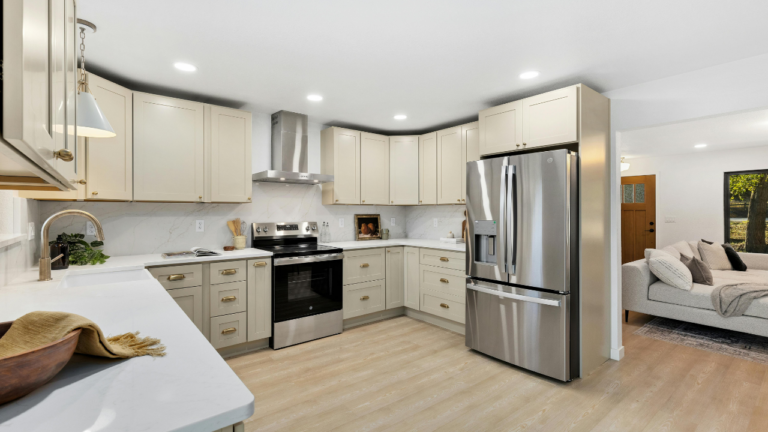
Today’s designers favor “greige” (a blend of gray and beige), sandy taupes, and gentle rust tones. These shades reflect natural light beautifully and pair well with greenery, wood, and soft textiles.
- Explore kitchen remodeling projects featuring warm neutral palettes
- Use earth tones on the main walls, then accentuate with cream trim, brass fixtures, or black metal accents.
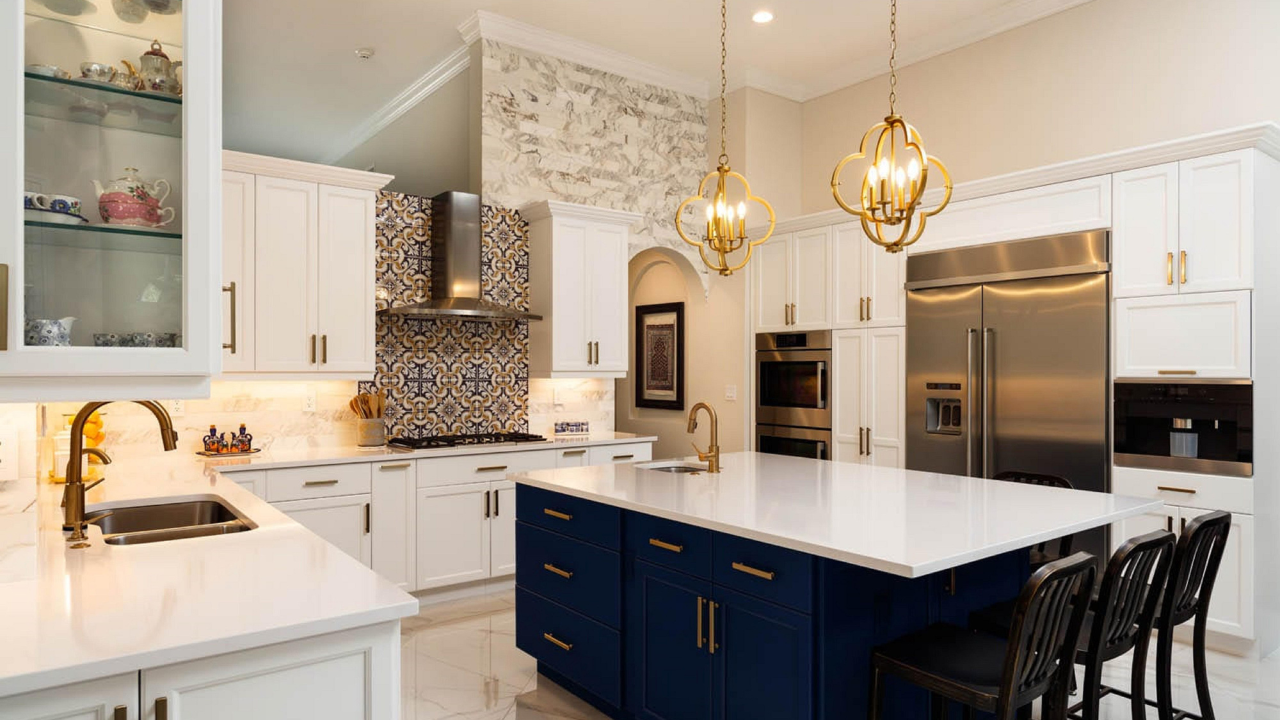
Textured Finishes and Natural Materials
To enrich neutral color schemes, incorporate texture—plastered accent walls, woven baskets, linen drapery, or reclaimed wood beams. According to Remodeling Magazine, blending color and natural materials creates a welcoming, timeless look in any small room.
4. High-Contrast Interior Design Color Palettes for Modern Appeal
Looking to infuse your space with sophistication? High-contrast palettes make small spaces feel sharp and intentional. Here’s how to incorporate classic and trendy contrast color combinations:
Black, White, & Accent Pops
The timeless black-and-white palette reigns in modern interiors. By painting main walls crisp white and incorporating matte black trim, window frames, or cabinetry, you add chic structure and dramatic flair.
- Tie the room together with accent pops—like emerald green cushions, gold hardware, or statement vases.
- See high-contrast bathroom remodeling ideas
Mid-Century Inspired Contrasts
Don’t be afraid to revisit classic mid-century hues such as navy with ochre or charcoal with chartreuse. These duos inject playful energy without overpowering tight footprints, making them perfect for studio apartments or dens.
5. Harmonized Color Flow for Open Concept Small Spaces
If your small space features an open floor plan, maintaining consistent interior design color palettes is critical for visual flow. Here’s how to ensure seamless transitions between zones while still creating interest:
Color Zoning with Analogous Hues
Analogous colors—shades that sit side-by-side on the color wheel—dramatically improve flow. For example, use sage green in the living area, flowing into soft cerulean or dusty blue for the dining corner. This technique subtly divides areas by function without harsh breaks.
Accent Connectors for a Unified Aesthetic
Even with open layouts, repeating accent colors—like navy kitchen bar stools and navy picture frames in the living room—creates cohesion throughout your space. This can also be achieved with matching throws, rugs, or artwork.
Expert Strategies for Choosing the Perfect Interior Design Color Palettes
With so many options available, narrowing down the ideal interior design color palettes for your small space may seem daunting. Here are my top professional strategies for lasting results:
- Consider natural and artificial lighting: Test paint samples on different walls and observe them in both daylight and artificial lighting conditions before committing.
- Start with inspiration: Analyze your favorite décor magazine spreads, or explore the latest color trend predictions from groups like NKBA or Houzz.
- Balance boldness and restraint: In small rooms, limit strong colors to accent walls or woven accessories so the effect is energizing, never overbearing.
- Integrate personal style: Don’t just follow trends—pick palettes that resonate with you. Incorporate favorite artwork, heirlooms, or natural elements for a space that feels uniquely yours.
- Discover California-specific kitchen color best practices
Real-Life Remodeling Examples: Transformative Color Palettes in Action
Still unsure about which palette will work magic in your space? Let’s look at a few before-and-after scenarios highlighting the incredible power of color:
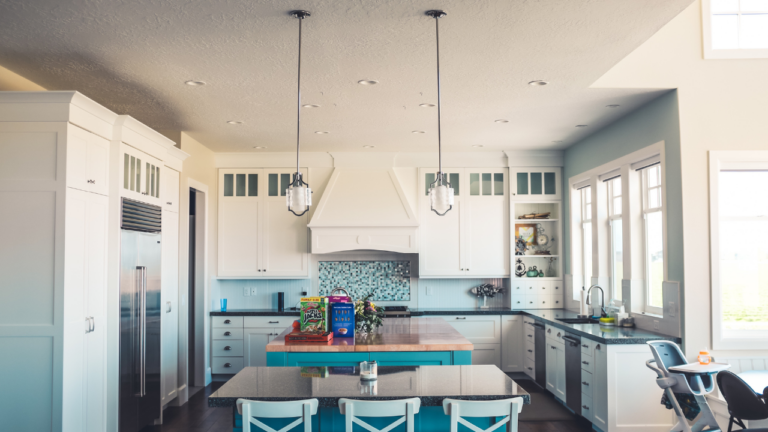
Modern Galley Kitchen, Los Angeles
- Before: Dated closed-in galley felt dark and cramped
- After: Soft mint walls, bright white cabinetry, and copper fixtures introduced light, openness, and stylish warmth—all through a cohesive interior design color palette.
- Learn more about remodeling kitchens with transformative color palettes
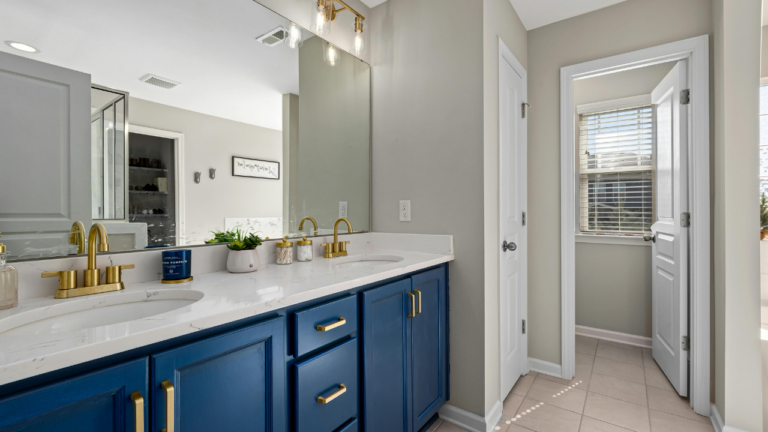
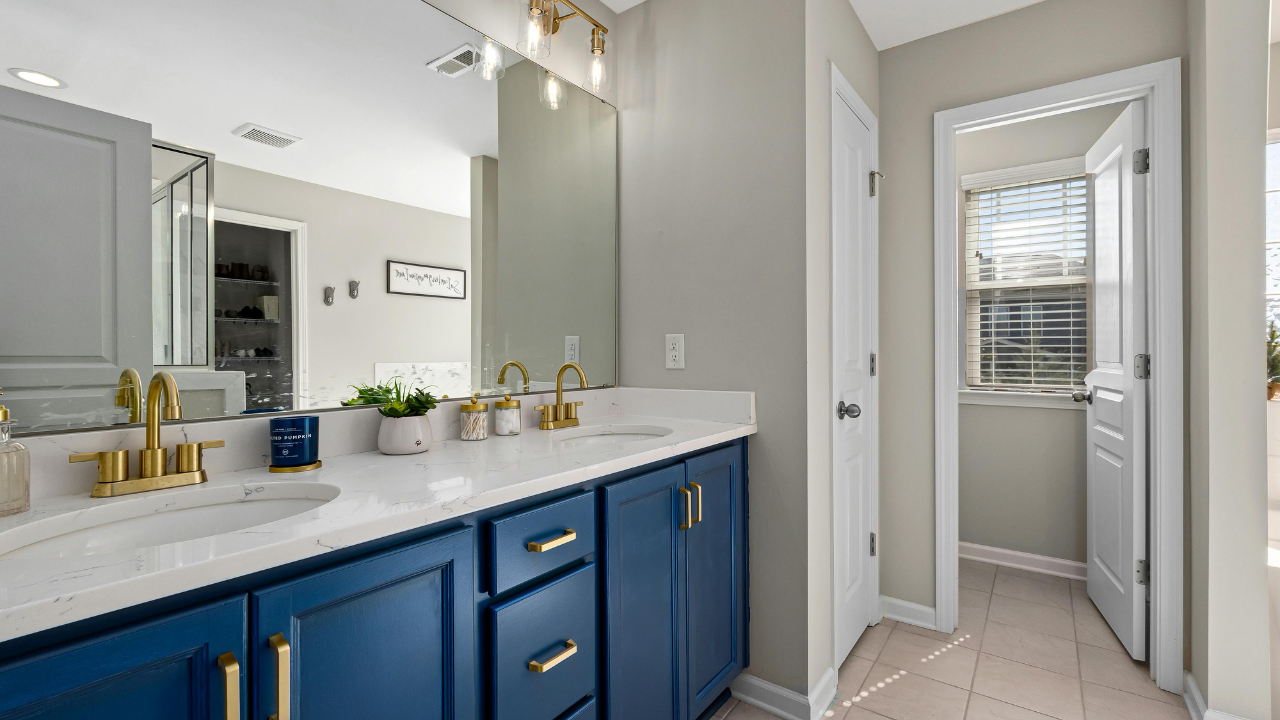
Compact Bathroom Makeover, San Mateo
- Before: Off-white floors, beige walls, no focal point
- After: Bold navy vanity, pale gray walls, and brass hardware delivered visual interest and a sense of luxury in a compact footprint.
- See additional top reasons to remodel your bathroom with color
Urban Studio Living, San Jose
- Before: Open plan lacked definition and personality
- After: Analogous green, blue, and teal hues distinguished sleeping, dining, and lounge areas—all connected by repeated gold accents for flow.
Key Takeaways for Transforming Small Spaces with Interior Design Color Palettes
- Choosing the right interior design color palettes maximizes small space style and perceived square footage.
- Light, layered hues create airiness; bold colors can define and energize zones.
- Warm neutrals offer timeless, cozy appeal; contrasts inject modern structure and drama.
- Harmonized palettes unify open-plan spaces and maintain flow.
- Texture, natural materials, and lighting play crucial supporting roles.
- Balance personal taste with current color trends for a look you’ll love.
- Test samples on-site and observe throughout the day before finalizing choices.
- Professional planning and expert guidance ensure the most stunning results.
Frequently Asked Questions About Interior Design Color Palettes for Small Spaces
- How do I choose the right interior design color palette for a small room?
- Consider the room’s natural light, your desired mood, and use lighter or harmonious shades to visually expand space. Testing swatches in different lighting and referencing current trends helps narrow your choices.
- Will dark colors make my small space feel even smaller?
- Not always! Used strategically as accent walls or in monochromatic schemes, dark colors can actually create depth, warmth, and sophisticated contrast without making the room feel claustrophobic.
- Are bold interior design color palettes appropriate for small kitchens or bathrooms?
- Absolutely. Bold colors used sparingly on cabinets, vanities, or singular walls can add life and definition to small kitchens and bathrooms. Just balance with light neutrals and reflective surfaces.
- What if I like more than one color palette?
- You can blend palettes using analogous colors, accent connectors, or by zoning—assigning different but harmonious palettes to adjoining functional areas.
- Where can I find inspiration and guidance on trending interior color schemes?
- Leading design sources such as Houzz, HGTV, and NKBA offer expert advice and inspirational galleries updated regularly.